Defence ministers discussed Europe’s reactions to the current security situation
- Author:
- Photo:
- Date: 19.02.2015
- Share: Zdieľať na Facebook
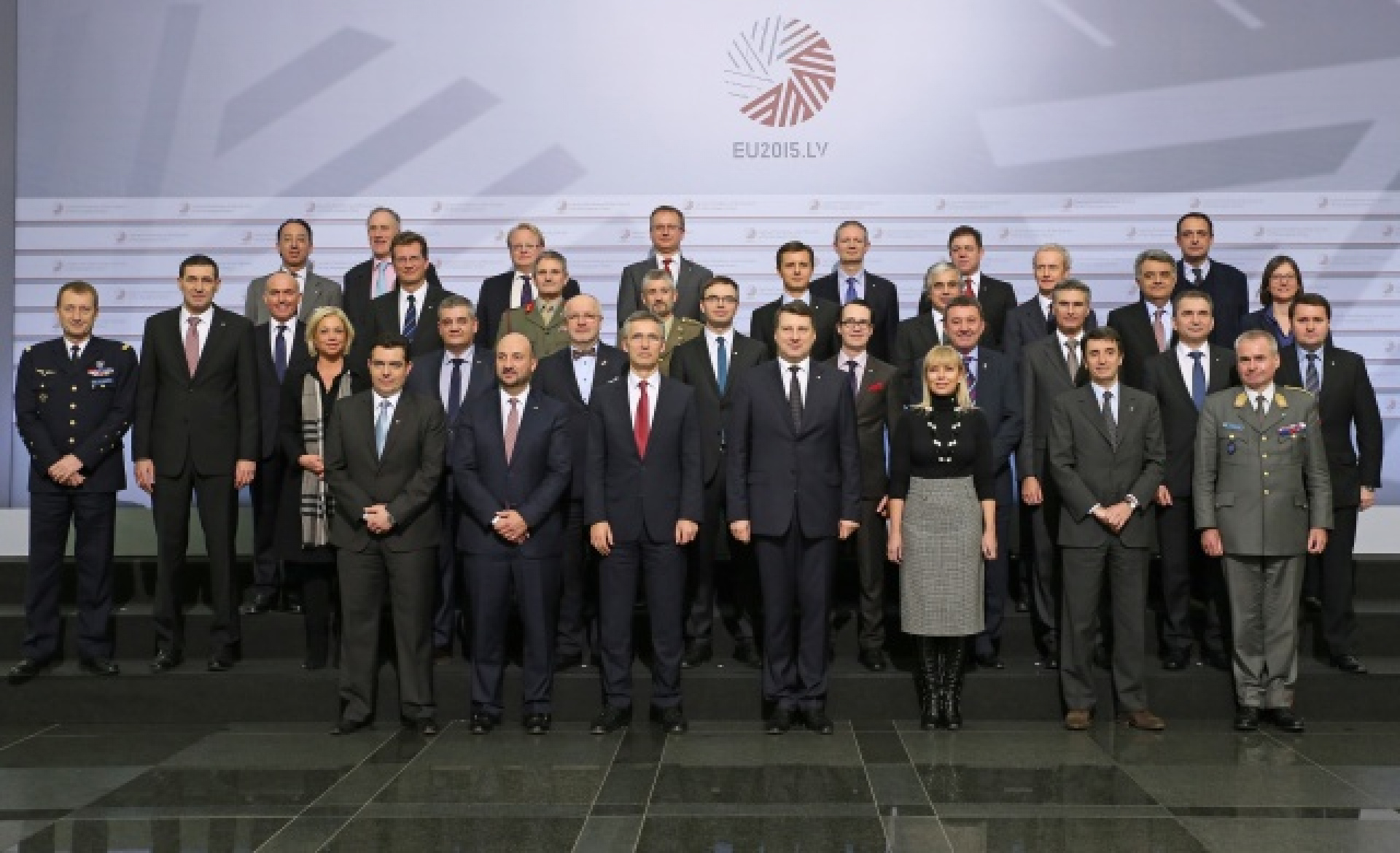
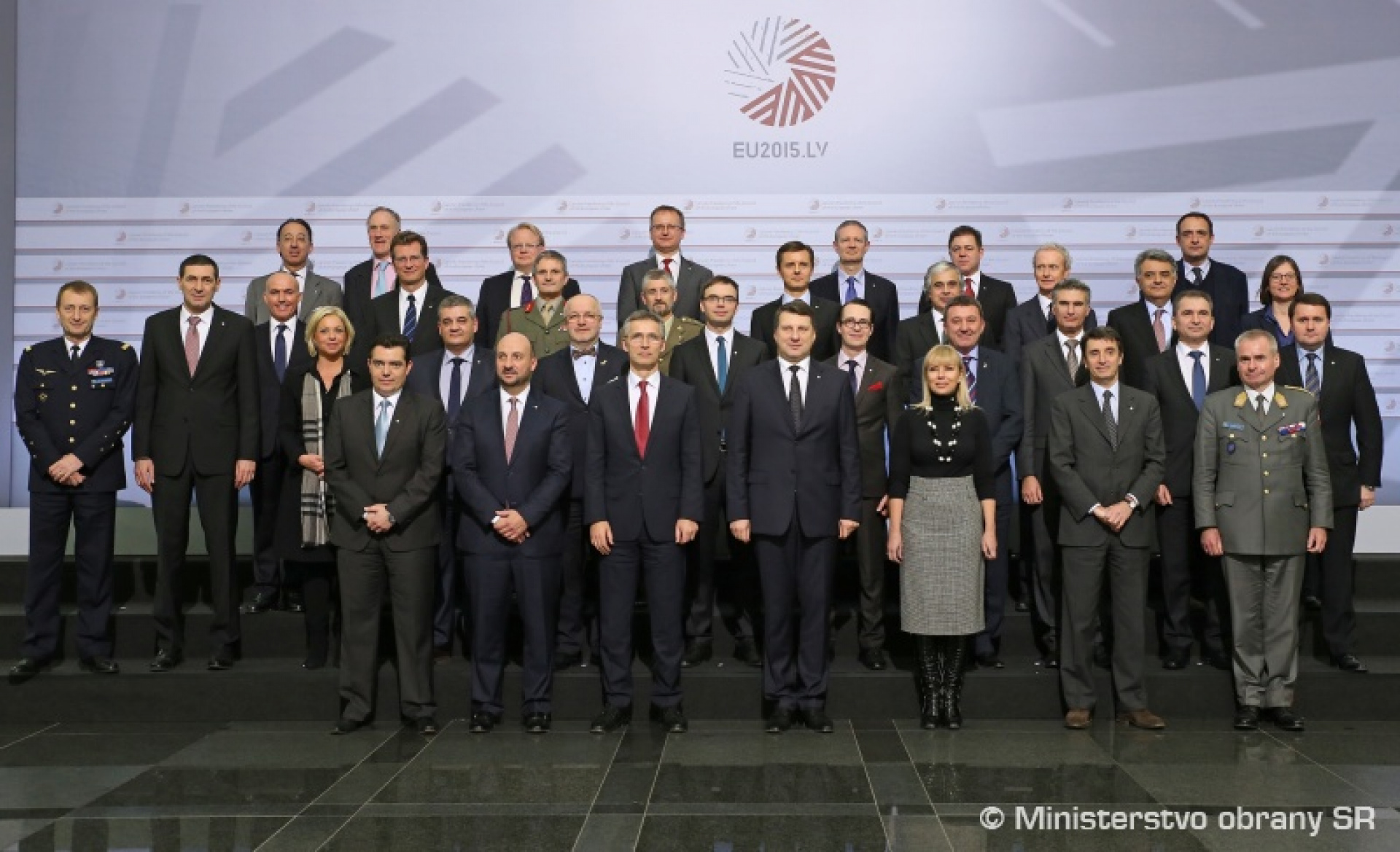
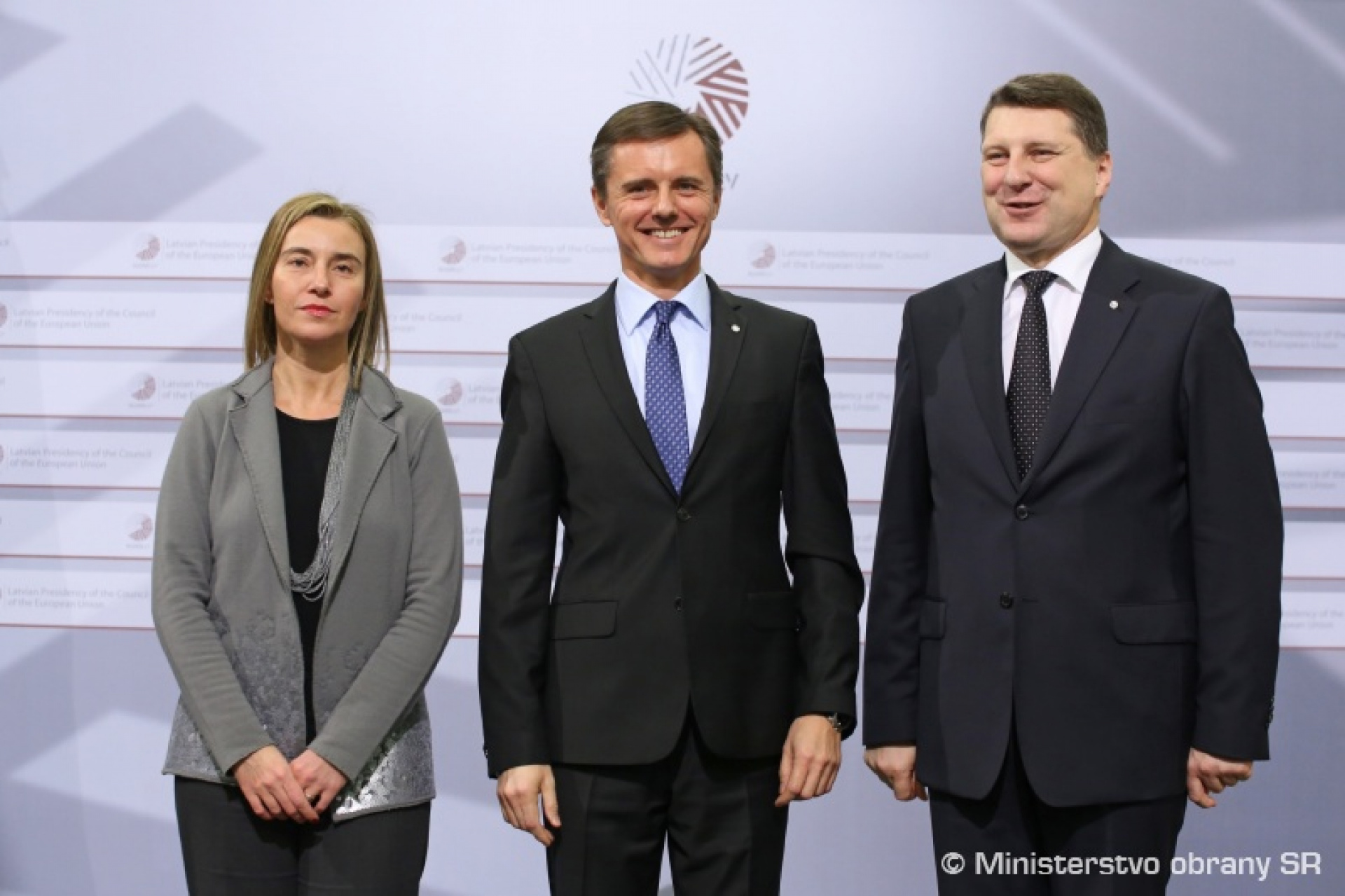
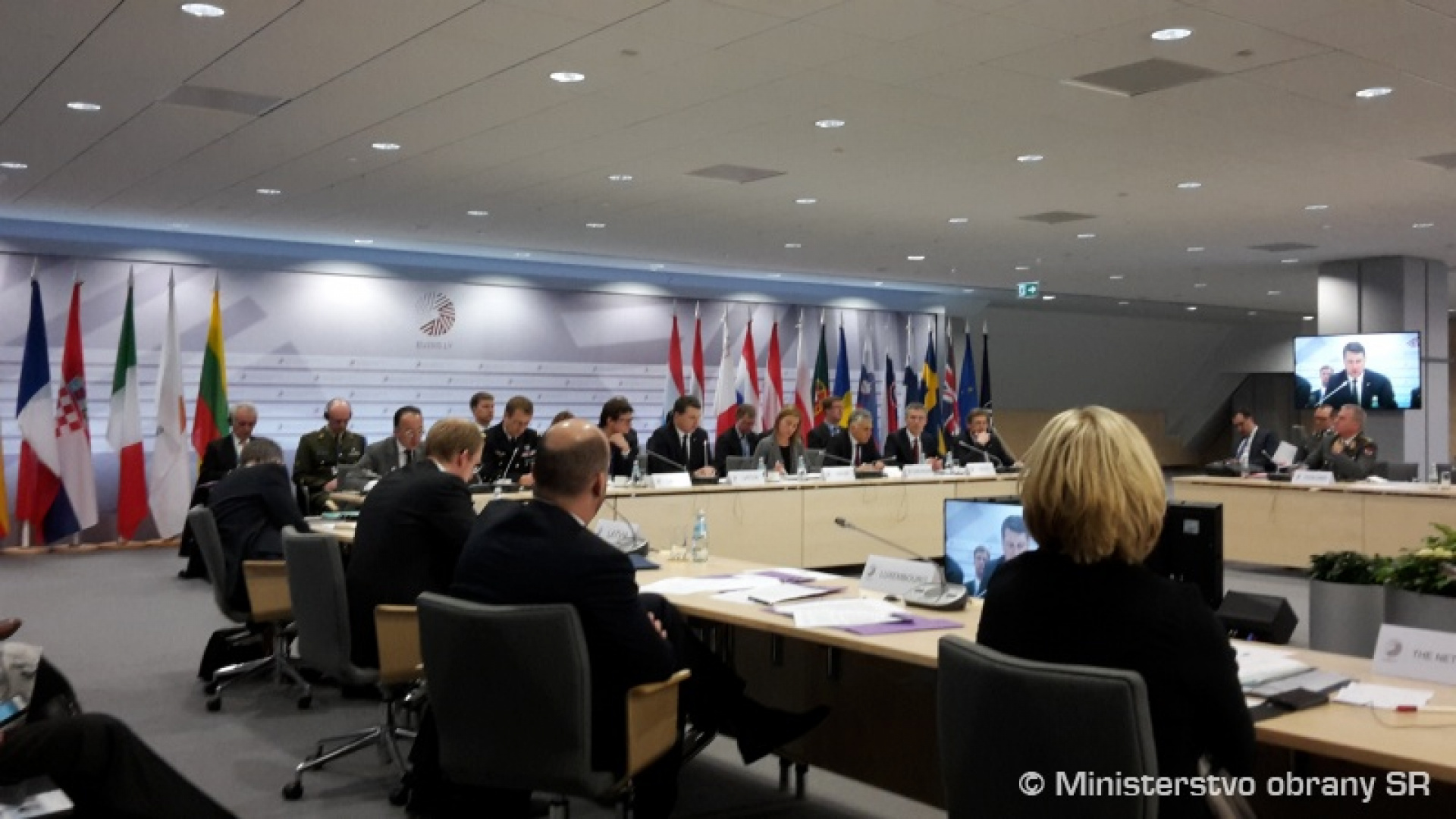
The European Union’s possible reactions to the current security developments in Europe’s immediate and wider neighbourhood topped the agenda of the two-day gathering of EU defence ministers in Riga on 18 – 19 February. Its importance was underlined by the presence of EU High Representative for Foreign and Security Policy Federica Mogherini, who co-chaired the meeting, as well as that of NATO Secretary General J. Stoltenberg and UN Under-Secretary General Hervé Landsous. The SVK delegation was led by the State Secretary of the SVK MOD, Miloš Koterec.
The security environment has seen unprecedented developments since the last summit. Therefore, the strategic direction of the EU’s security and defence policy will be outlined at the next summit, and so is true of new initiatives to strengthen the entire spectrum of the EU’s instruments, ranging from political and military ones, through to the European defence industry and market ones. “The European Council should focus on enhancing the EU’s ability to respond to the changes of the security environment, including stronger defence co-operation and capabilities development while using all the available instruments,” noted M. Koterec.
The area of communications and the ability to respond to the unconventional, hybrid ways of conducting warfare are becoming the key challenges. In this respect, the Slovak Republic sees a space for closely coordinated cooperation between the EU and NATO. The defence ministers also addressed the issues of EU military operations, the EU’s rapid response capabilities, including the EU Battle Groups.
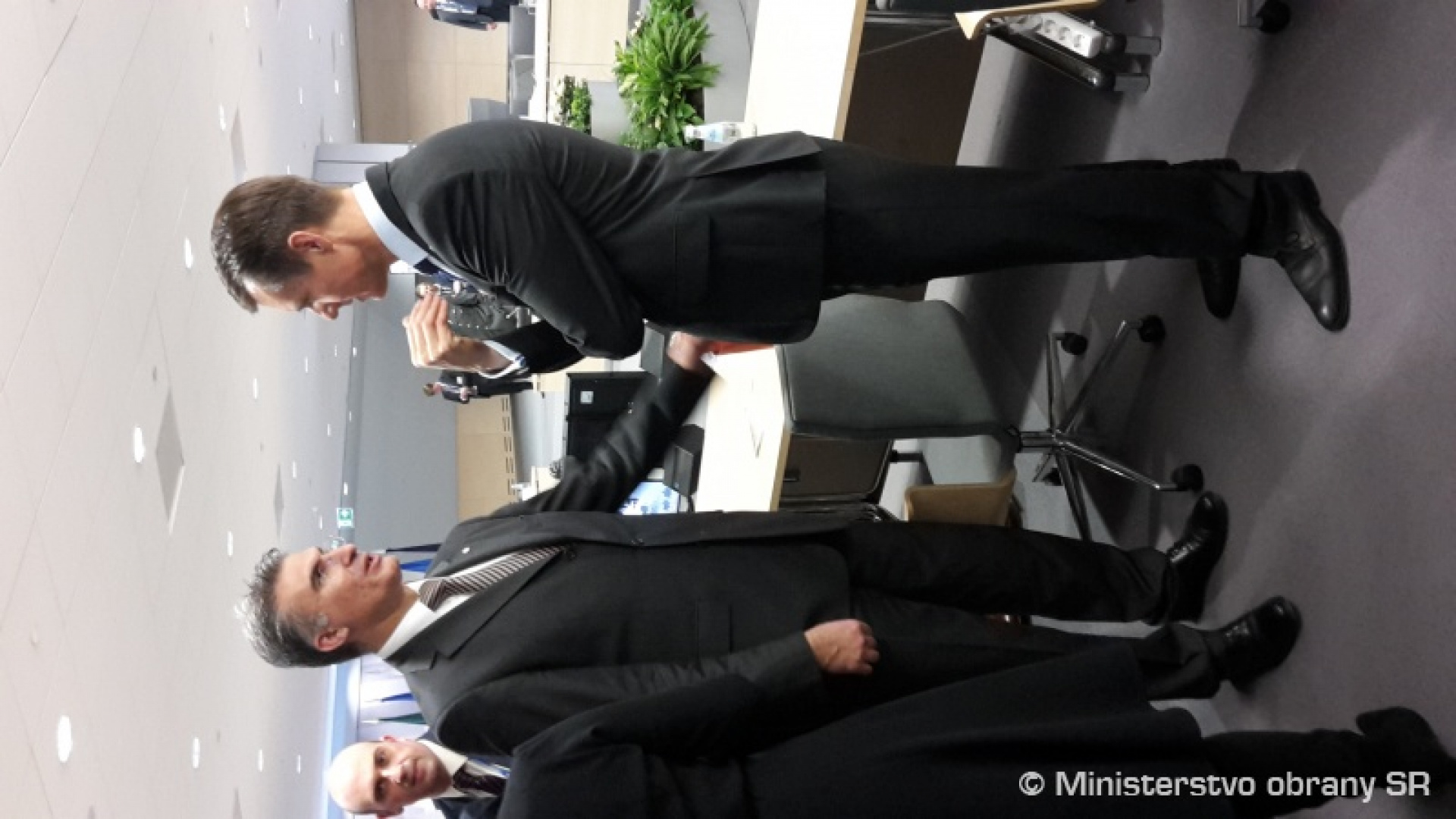
As part of preparations for Slovakia’s EU presidency, M. Koterec held talks with his partners from the Netherlands and Malta, who, along with the Slovak Republic, will constitute the “presidency trio”. They focused on the content of the common draft programme which will set the agenda of the common security and defence policy for their 18-month-long presidency (from January 2016 to June 2017).
The security environment has seen unprecedented developments since the last summit. Therefore, the strategic direction of the EU’s security and defence policy will be outlined at the next summit, and so is true of new initiatives to strengthen the entire spectrum of the EU’s instruments, ranging from political and military ones, through to the European defence industry and market ones. “The European Council should focus on enhancing the EU’s ability to respond to the changes of the security environment, including stronger defence co-operation and capabilities development while using all the available instruments,” noted M. Koterec.
The area of communications and the ability to respond to the unconventional, hybrid ways of conducting warfare are becoming the key challenges. In this respect, the Slovak Republic sees a space for closely coordinated cooperation between the EU and NATO. The defence ministers also addressed the issues of EU military operations, the EU’s rapid response capabilities, including the EU Battle Groups.
As part of preparations for Slovakia’s EU presidency, M. Koterec held talks with his partners from the Netherlands and Malta, who, along with the Slovak Republic, will constitute the “presidency trio”. They focused on the content of the common draft programme which will set the agenda of the common security and defence policy for their 18-month-long presidency (from January 2016 to June 2017).