
Soldiers await changes in 2016 arising out of the new Professional Soldiers’ State Service Act
- Author:
- Photo:
- Date: 10.01.2016
- Share: Zdieľať na Facebook
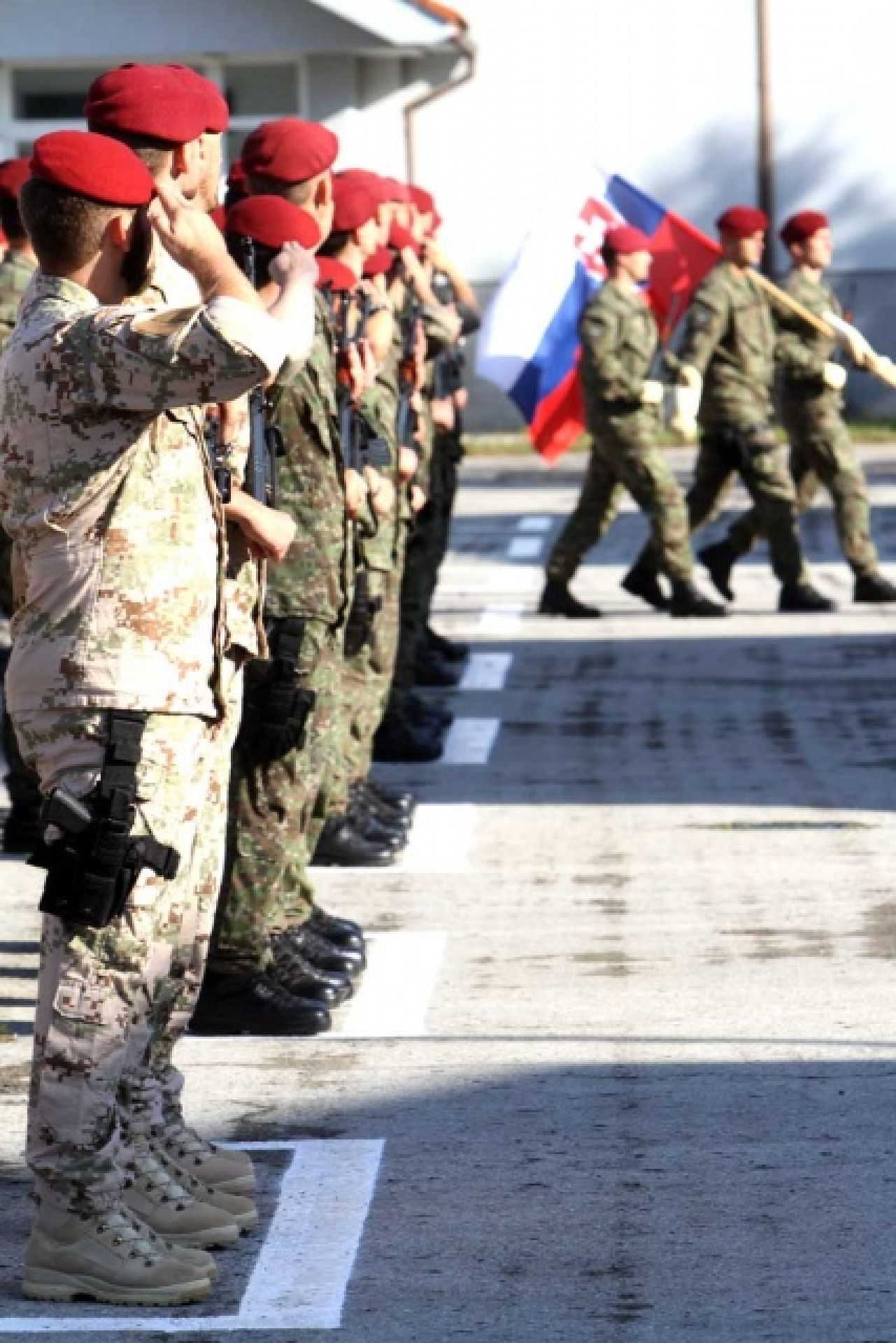
The new Professional Soldiers’ State Service Act took effect as of 1 January 2016, primarily designed to make the military job more attractive and, simultaneously, life-long.
“The drafting of the Professional Soldiers’ State Service Bill was greatly aided by Servicemen and women, since we sought to have as many of their requirements as possible worked into it. The outcome is a law which aims to stabilize Service personnel. It sets up a new, more transparent and flexible career progression system for active duty soldiers,” explained SVK Minister of Defence Martin Glváč.
Commenting on the Act, Chief of the General Staff of the SVK Armed Forces Gen Milan Maxim emphasized that the new legislation will contribute to better performance of active duty service by professional soldiers. “The positive news for all soldiers is that, under the social welfare scheme, all the other important salary entitlements for professional soldiers, such as bonuses and allowances, are to be preserved,” he said.
The Act adopts a new approach to the personnel management system by instituting the Permanent State Service (PSS). It represents a change in the philosophy of the professional soldiers’ state service insofar as it offers a life-long job to best quality and highly qualified Service personnel. To join the PSS, it is necessary to complete 17 years of active duty service, and Servicemen and women will thereupon be allowed to serve until the age of 55.
As regards military salaries, the new military pay scale chart has been enhanced by two pay grades. Compared with the past arrangements, this means that increases in military salaries will be distributed over a longer period of time. Pay increases are to affect even those pay grades in the pay scale chart that have reached the ceiling limit under the past system.
Also, new rules for the career progression system of professional soldiers have been laid down, abolishing the hugely unpopular competitive selection as a precondition for promoting Service personnel to higher ranks.
Moreover, the status and authority of commanders within the career progression of active duty soldiers will be reinforced, and this also applies to guarantors of military occupational specialities.
Furthermore, the changes have seen active duty soldiers in the Warrant Officer ranks being transferred to the Non-Commissioned Officers Corps, while their previous salary terms remain unchanged.
Yet another change in the active duty career system is a more flexible approach to replenishment of the Officers’ Corps, insofar as the possibility for educated and skilled active duty personnel in the NCO ranks to transfer to the Officers’ Corps is now emerging under certain conditions.
For all Servicemen and women, the new Act guarantees to preserve the entitlements existing under the previous legislation, and for those who disagree with the duration of the state service in accordance with the new Act, it guarantees that they will remain in active duty service, at a minimum, by the period stipulated in the original legislation.
“The drafting of the Professional Soldiers’ State Service Bill was greatly aided by Servicemen and women, since we sought to have as many of their requirements as possible worked into it. The outcome is a law which aims to stabilize Service personnel. It sets up a new, more transparent and flexible career progression system for active duty soldiers,” explained SVK Minister of Defence Martin Glváč.
Commenting on the Act, Chief of the General Staff of the SVK Armed Forces Gen Milan Maxim emphasized that the new legislation will contribute to better performance of active duty service by professional soldiers. “The positive news for all soldiers is that, under the social welfare scheme, all the other important salary entitlements for professional soldiers, such as bonuses and allowances, are to be preserved,” he said.
The Act adopts a new approach to the personnel management system by instituting the Permanent State Service (PSS). It represents a change in the philosophy of the professional soldiers’ state service insofar as it offers a life-long job to best quality and highly qualified Service personnel. To join the PSS, it is necessary to complete 17 years of active duty service, and Servicemen and women will thereupon be allowed to serve until the age of 55.
As regards military salaries, the new military pay scale chart has been enhanced by two pay grades. Compared with the past arrangements, this means that increases in military salaries will be distributed over a longer period of time. Pay increases are to affect even those pay grades in the pay scale chart that have reached the ceiling limit under the past system.
Also, new rules for the career progression system of professional soldiers have been laid down, abolishing the hugely unpopular competitive selection as a precondition for promoting Service personnel to higher ranks.
Moreover, the status and authority of commanders within the career progression of active duty soldiers will be reinforced, and this also applies to guarantors of military occupational specialities.
Furthermore, the changes have seen active duty soldiers in the Warrant Officer ranks being transferred to the Non-Commissioned Officers Corps, while their previous salary terms remain unchanged.
Yet another change in the active duty career system is a more flexible approach to replenishment of the Officers’ Corps, insofar as the possibility for educated and skilled active duty personnel in the NCO ranks to transfer to the Officers’ Corps is now emerging under certain conditions.
For all Servicemen and women, the new Act guarantees to preserve the entitlements existing under the previous legislation, and for those who disagree with the duration of the state service in accordance with the new Act, it guarantees that they will remain in active duty service, at a minimum, by the period stipulated in the original legislation.
