Minister Gajdoš introduces his priorities to SVK MOD employees in Brussels
- Author:
- Photo:
- Date: 14.06.2016
- Share: Zdieľať na Facebook
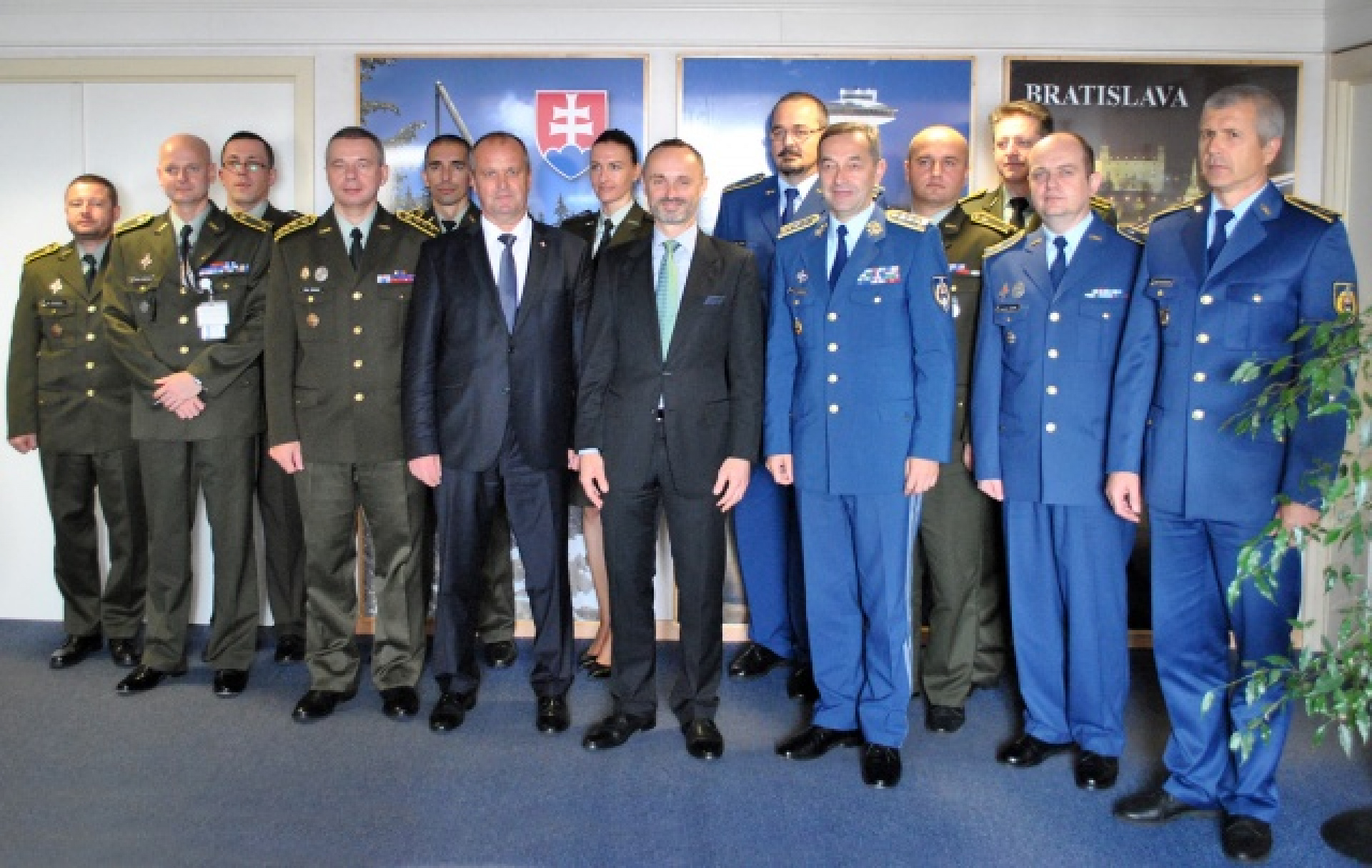
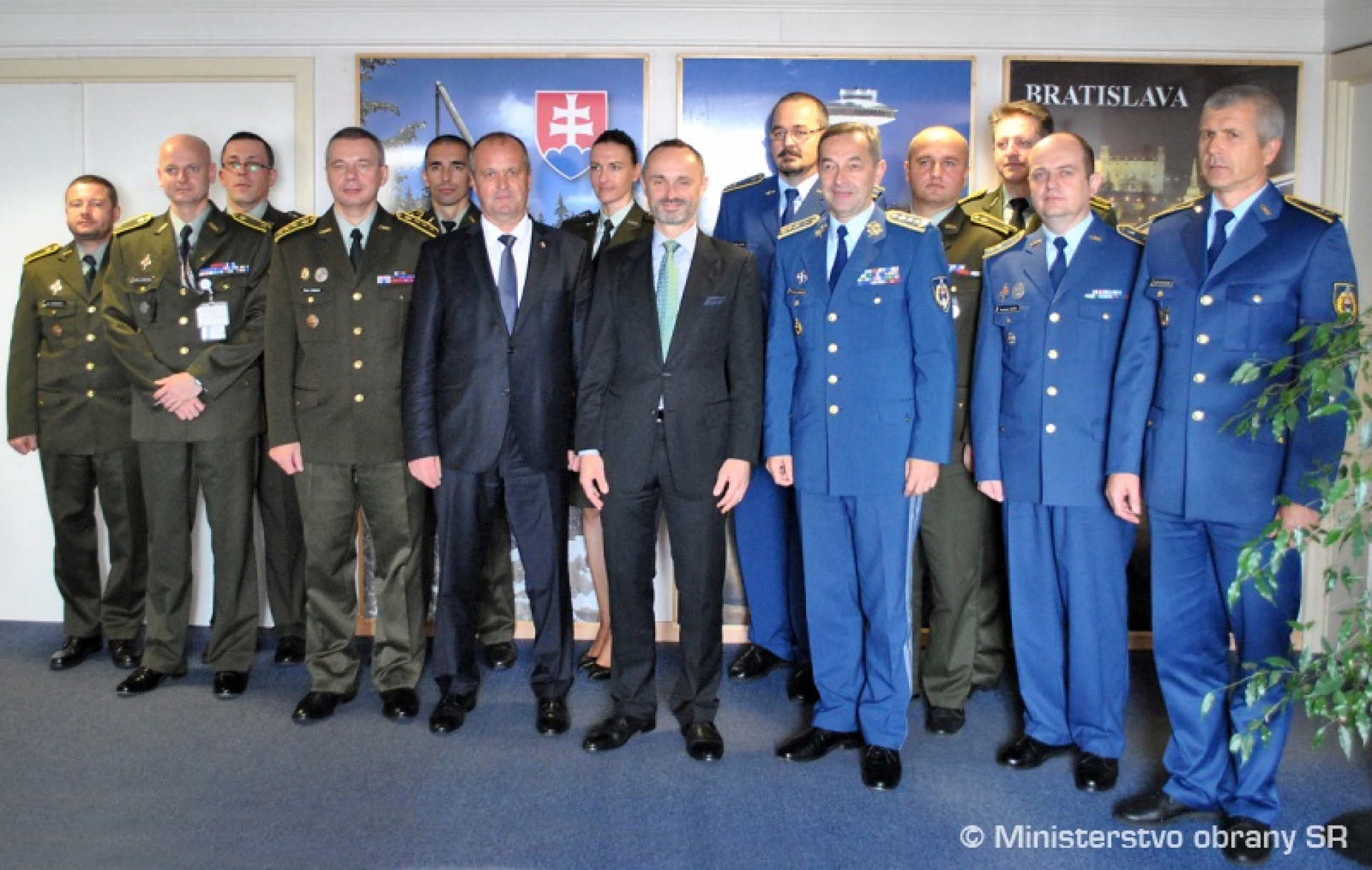
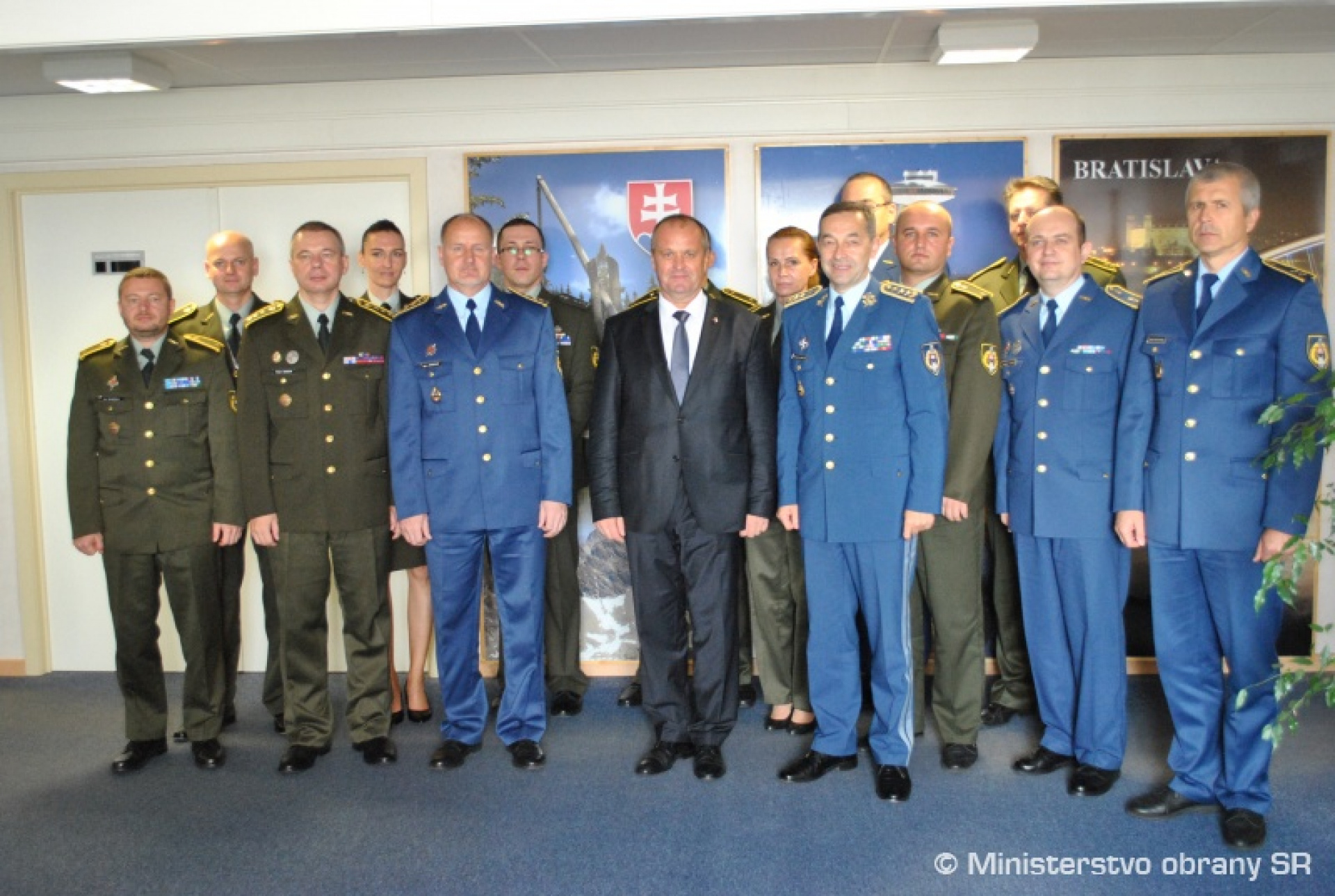
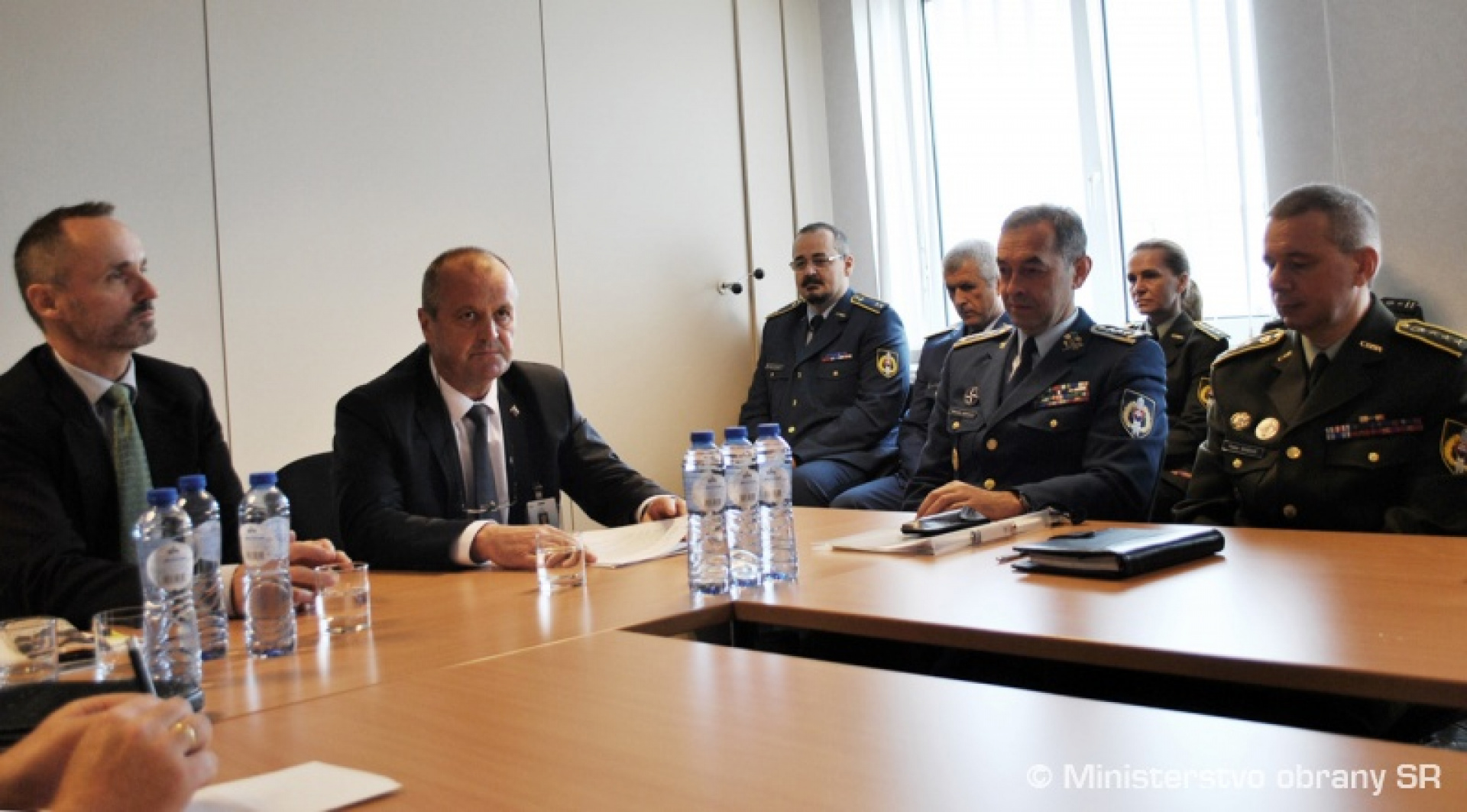
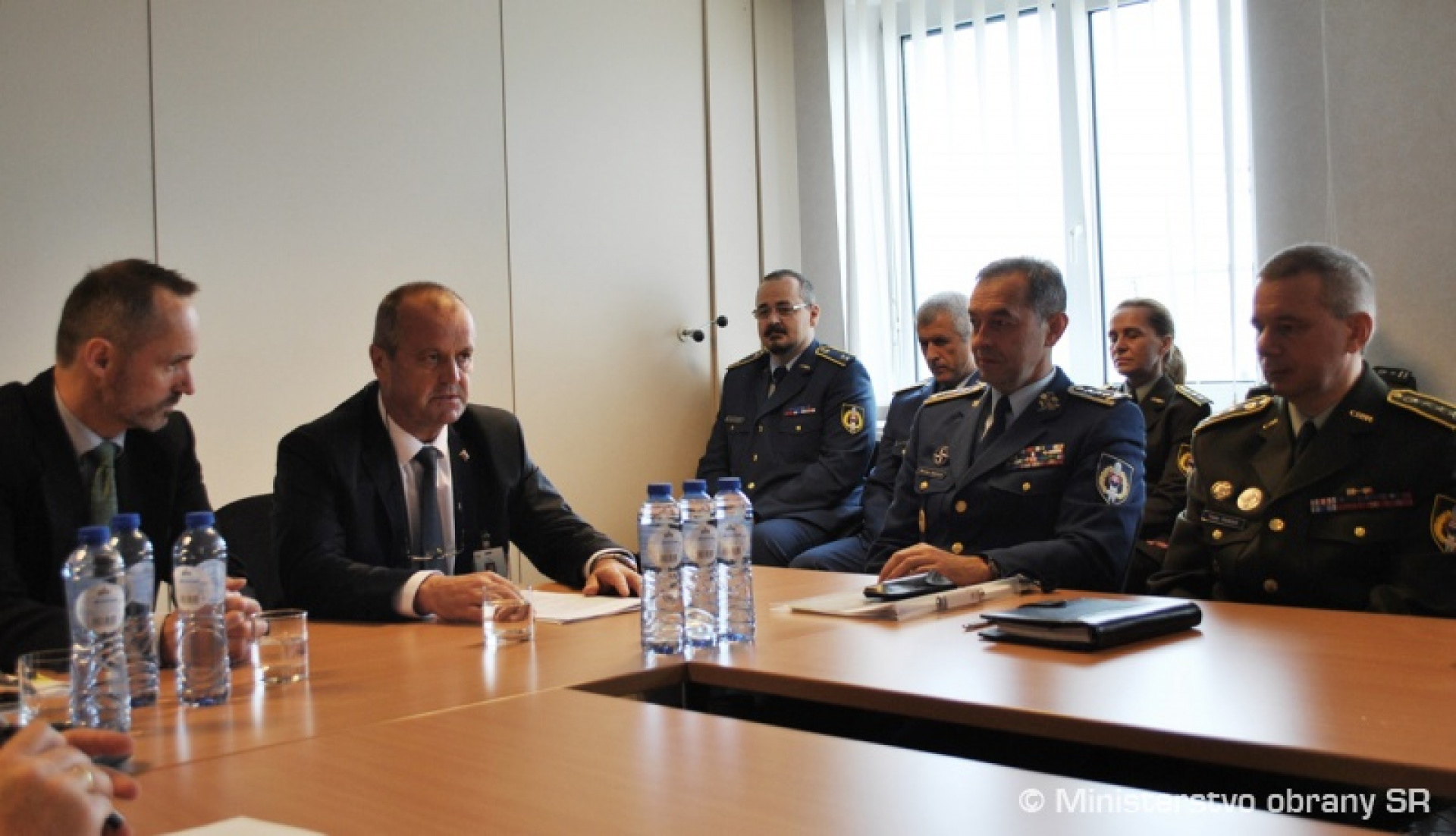
SVK Minister of Defence Peter Gajdoš introduced the priorities for the upcoming four years to the SVK MOD employees working in Brussels with the Permanent Delegation of the Slovak Republic to NATO and the Permanent Representation of the Slovak Republic to the EU. In Belgium, he participated in the meeting of NATO Defence Ministers on 14-15 June.
“What I expect from you is professionalism, subject matter expertise, and responsible work. On the other hand, I want to reassure you that if you have a problem I can help you with, you can turn to me for advice. I know many of you in person from the time I served as the Military Representative in Brussels or as a professional soldier of the SVK Armed Forces,” he said.
To members of the Permanent Delegation of the Slovak Republic to NATO, the Minister introduced the SVK MOD’s priorities, arising out of the SVK Government’s Manifesto Commitments. He informed them of the efforts to update the White Paper on Defence of the Slovak Republic, as well as of the SVK MOD’s ambition to update its strategic documents. In this respect, the SVK MOD will participate in updating the Security Strategy of the Slovak Republic in cooperation with the SVK Ministry of Foreign and European Affairs, update the Defence Strategy of the Slovak Republic, and create a military strategy.
At the North Atlantic Council’s meeting at the level of NATO Defence Ministers, the Visegrad Group countries presented their intention to deploy training units to the Baltics in 2017. Each V4 country will commit a company-sized unit, to be rotated every three months. The first to operate in Estonia, Lithuania and Latvia will be Czech soldiers, followed by Slovak, Hungarian, and, finally, Polish troops. Commenting on this, the SVK Minister said: “On defence and protection of the Alliance’s eastern flank, the V4 has adopted an important decision. It is our joint contribution to security and, at the same time, an example of outstanding regional cooperation.”
The North Atlantic Council’s meeting was, for the first time, attended by Montenegrin Defence Minister Prof Milica Pejanović Đurišić, PhD, who was greeted also by the SVK Minister of Defence. He informed her of the SVK National Council’s consent to the ratification of the Protocol on the Accession of Montenegro to NATO. As a result, the Slovak Republic became the fourth Ally to do so. "The ratification of the Accession Protocol for Montenegro at the Slovak Parliament is a confirmation of our long-term foreign policy, in which the integration of the Western Balkans into the Euro-Atlantic structures is an important priority,” emphasised the Minister.
Apart from the official discussions, Peter Gajdoš also met with the European Union’s High Representative for Foreign Affairs and Security Policy Federica Mogherini to discuss the Slovak Presidency of the Council of the European Union.
“What I expect from you is professionalism, subject matter expertise, and responsible work. On the other hand, I want to reassure you that if you have a problem I can help you with, you can turn to me for advice. I know many of you in person from the time I served as the Military Representative in Brussels or as a professional soldier of the SVK Armed Forces,” he said.
To members of the Permanent Delegation of the Slovak Republic to NATO, the Minister introduced the SVK MOD’s priorities, arising out of the SVK Government’s Manifesto Commitments. He informed them of the efforts to update the White Paper on Defence of the Slovak Republic, as well as of the SVK MOD’s ambition to update its strategic documents. In this respect, the SVK MOD will participate in updating the Security Strategy of the Slovak Republic in cooperation with the SVK Ministry of Foreign and European Affairs, update the Defence Strategy of the Slovak Republic, and create a military strategy.
At the North Atlantic Council’s meeting at the level of NATO Defence Ministers, the Visegrad Group countries presented their intention to deploy training units to the Baltics in 2017. Each V4 country will commit a company-sized unit, to be rotated every three months. The first to operate in Estonia, Lithuania and Latvia will be Czech soldiers, followed by Slovak, Hungarian, and, finally, Polish troops. Commenting on this, the SVK Minister said: “On defence and protection of the Alliance’s eastern flank, the V4 has adopted an important decision. It is our joint contribution to security and, at the same time, an example of outstanding regional cooperation.”
The North Atlantic Council’s meeting was, for the first time, attended by Montenegrin Defence Minister Prof Milica Pejanović Đurišić, PhD, who was greeted also by the SVK Minister of Defence. He informed her of the SVK National Council’s consent to the ratification of the Protocol on the Accession of Montenegro to NATO. As a result, the Slovak Republic became the fourth Ally to do so. "The ratification of the Accession Protocol for Montenegro at the Slovak Parliament is a confirmation of our long-term foreign policy, in which the integration of the Western Balkans into the Euro-Atlantic structures is an important priority,” emphasised the Minister.
Apart from the official discussions, Peter Gajdoš also met with the European Union’s High Representative for Foreign Affairs and Security Policy Federica Mogherini to discuss the Slovak Presidency of the Council of the European Union.