Training Year 2016 results assessed and 2017 priorities discussed by SVK Armed Forces
- Author:
- Photo:
- Date: 31.01.2017
- Share: Zdieľať na Facebook
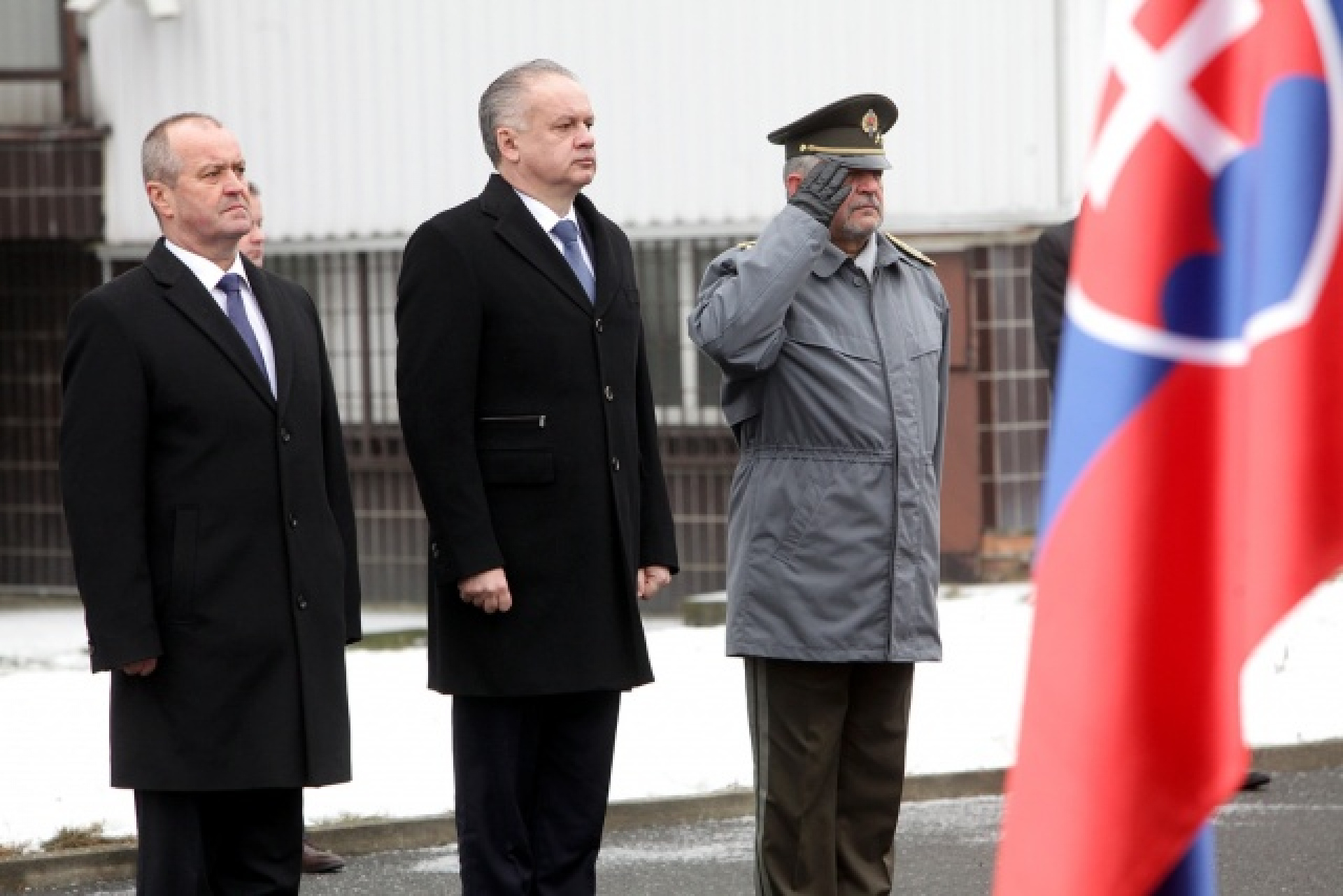
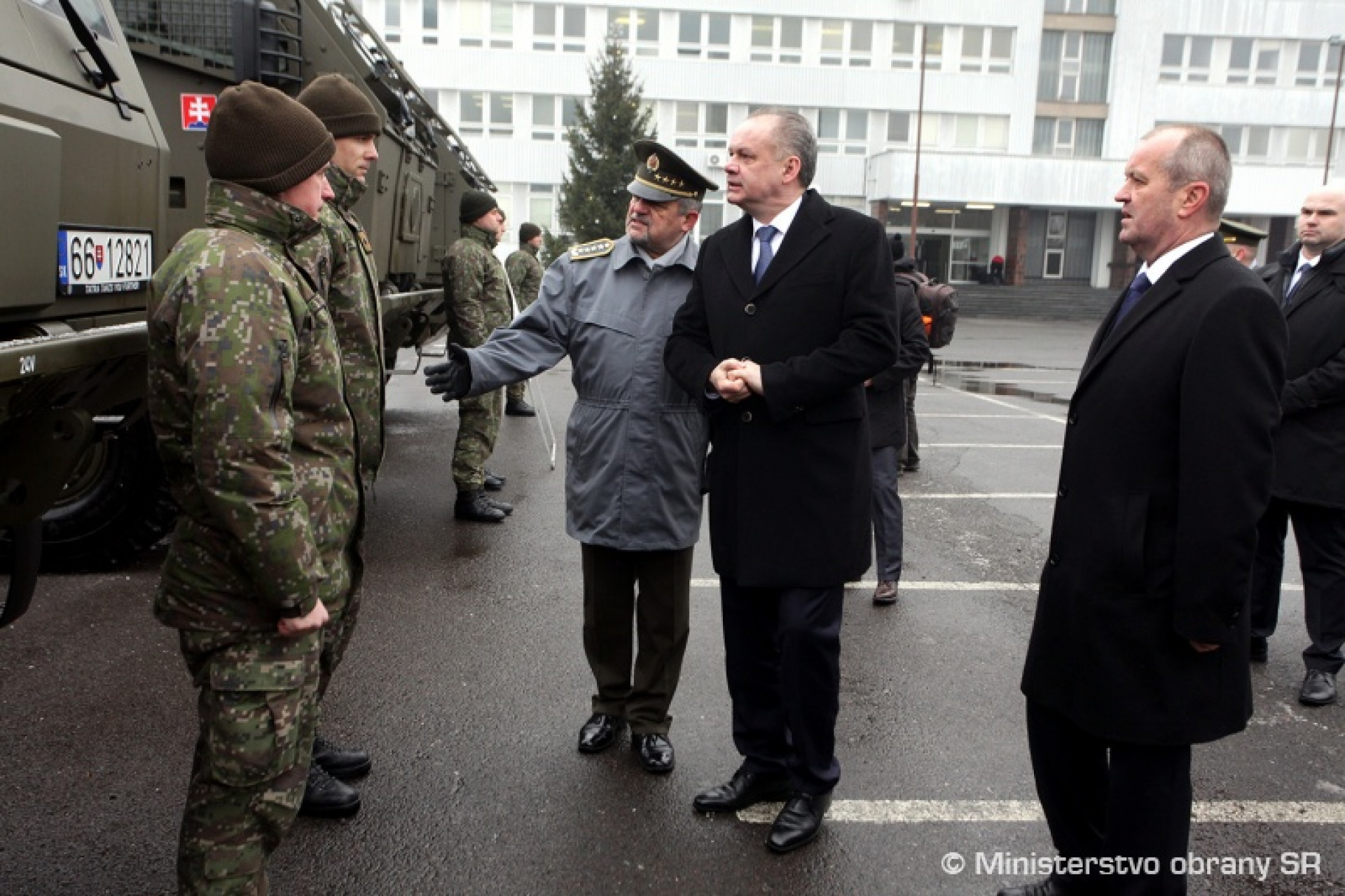
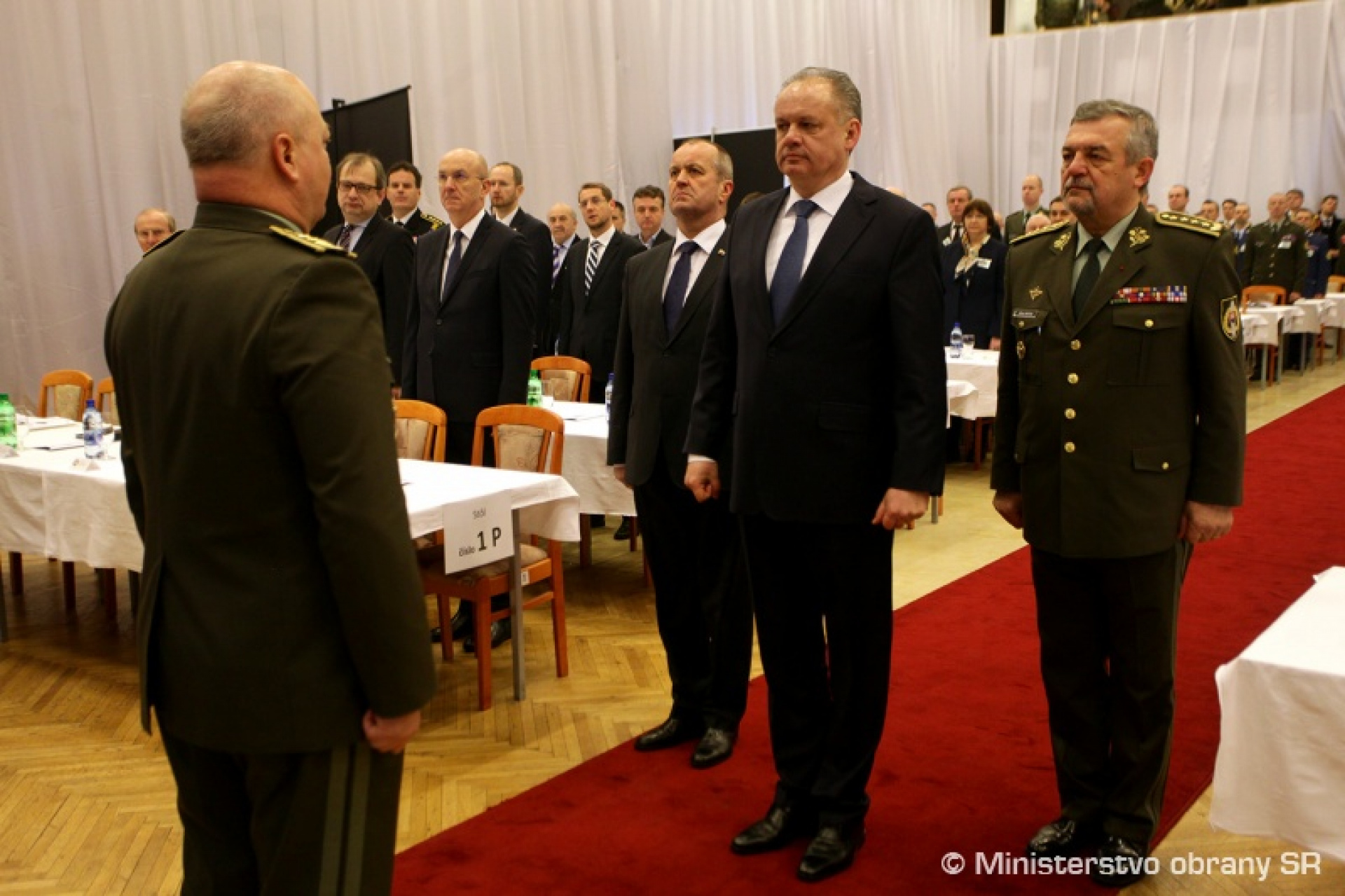
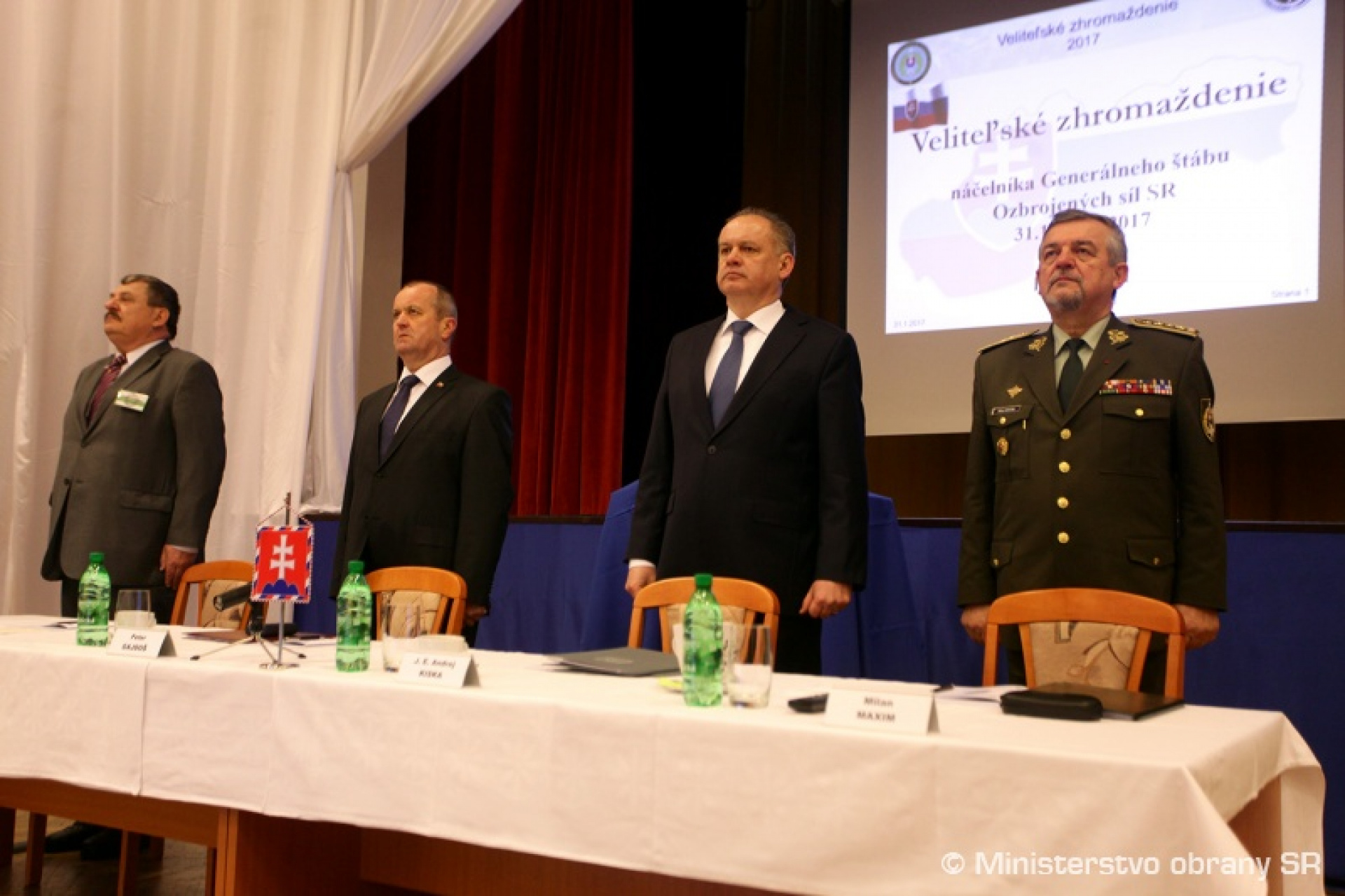
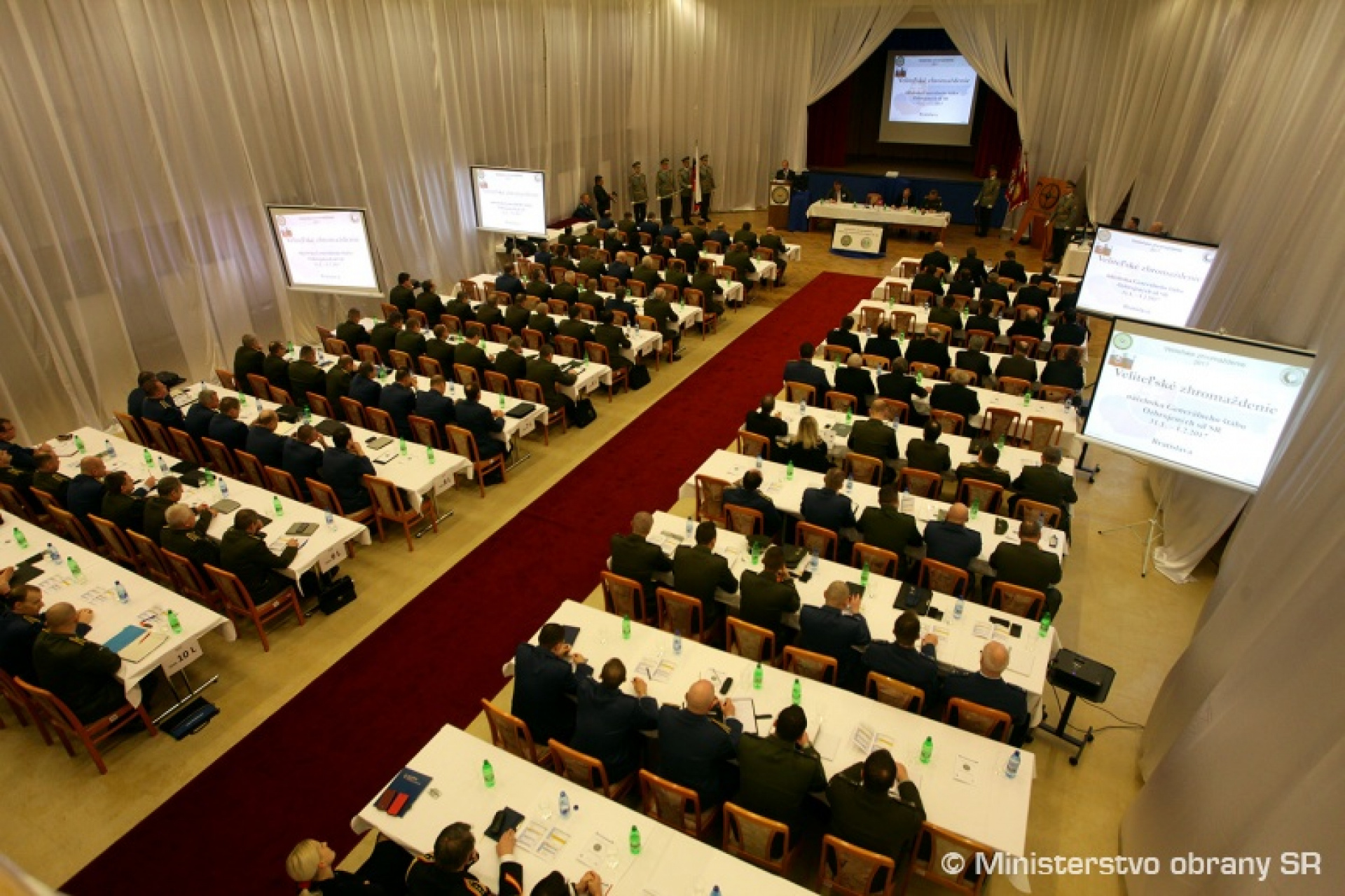
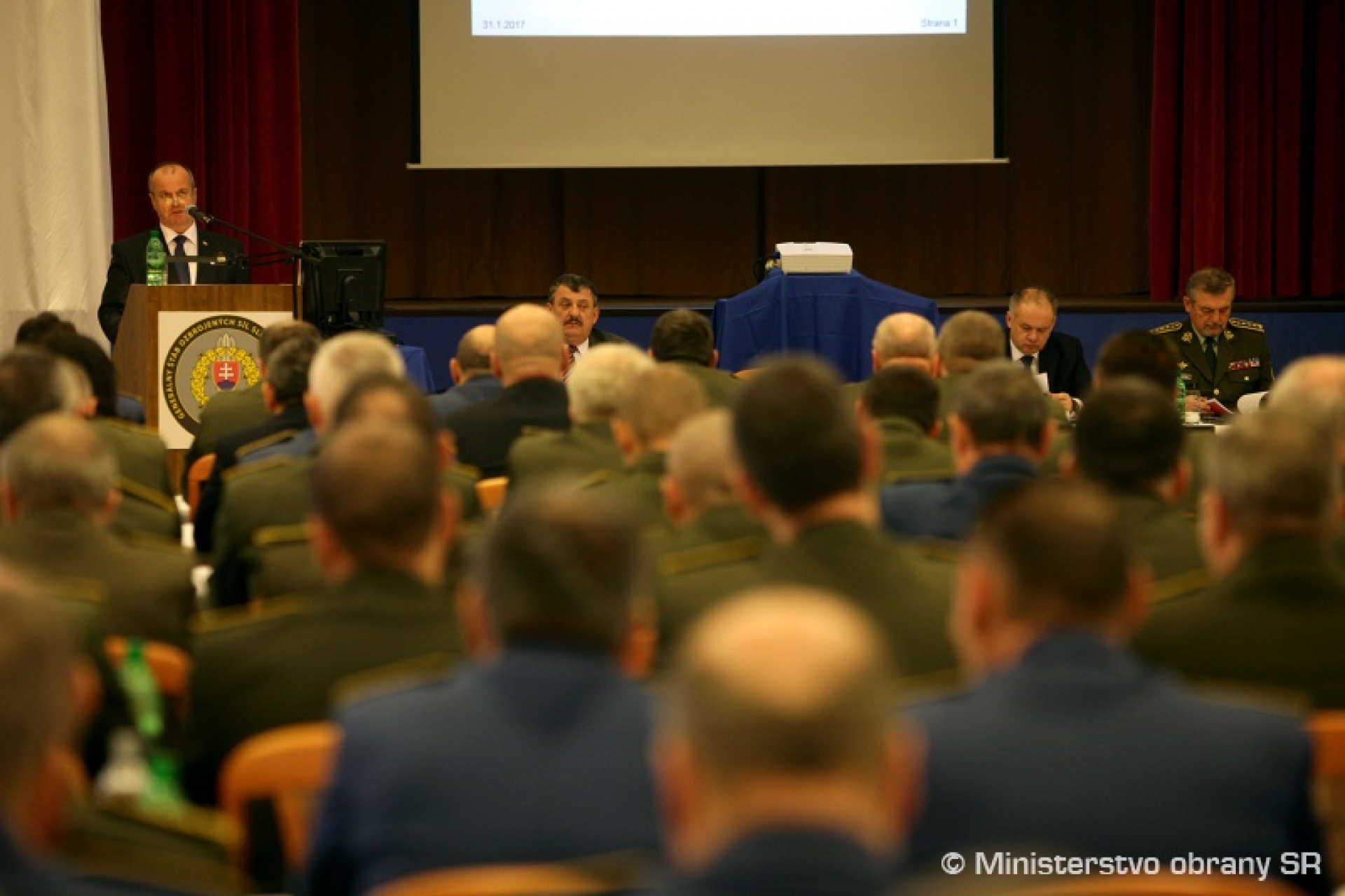
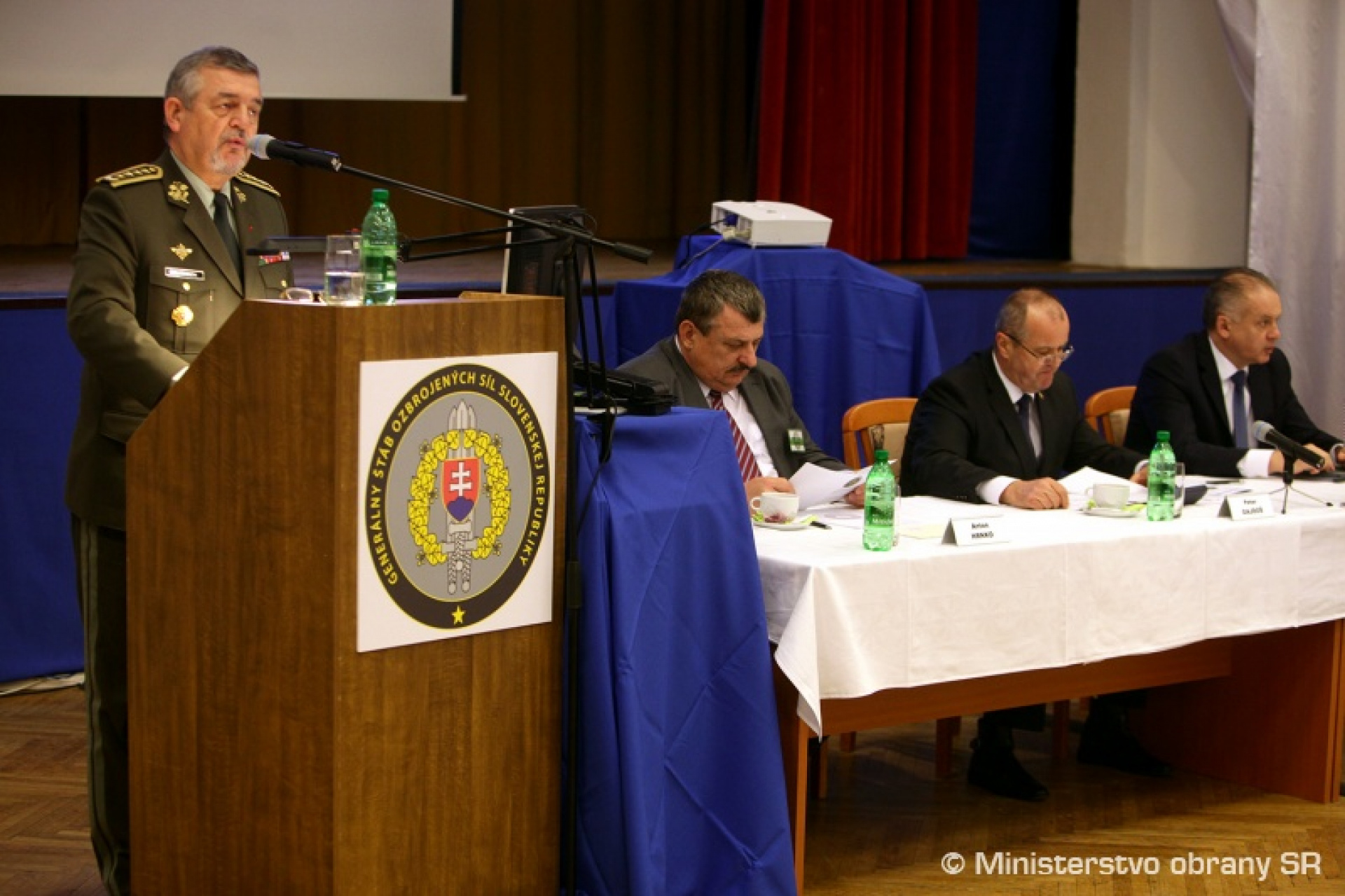
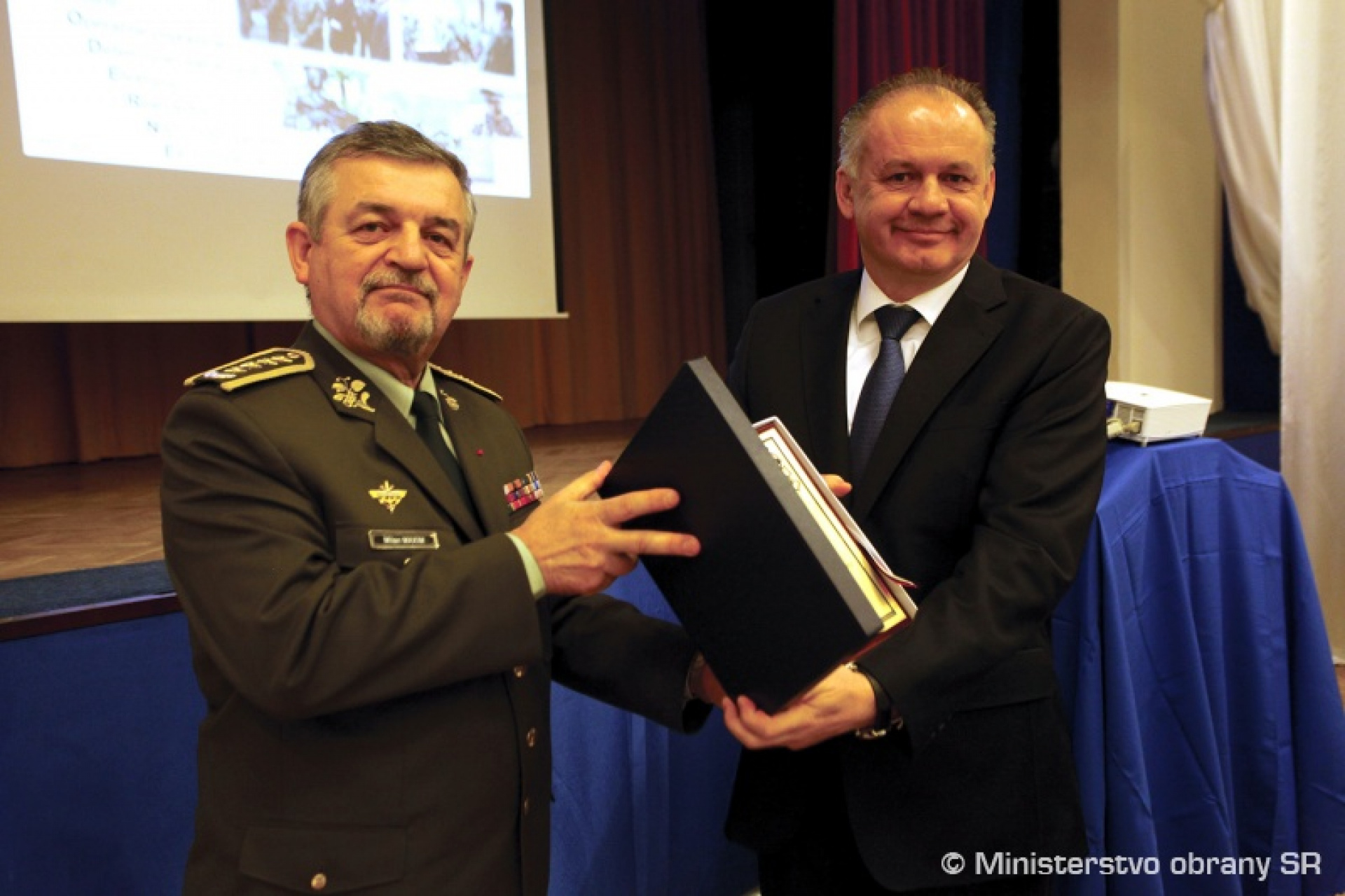
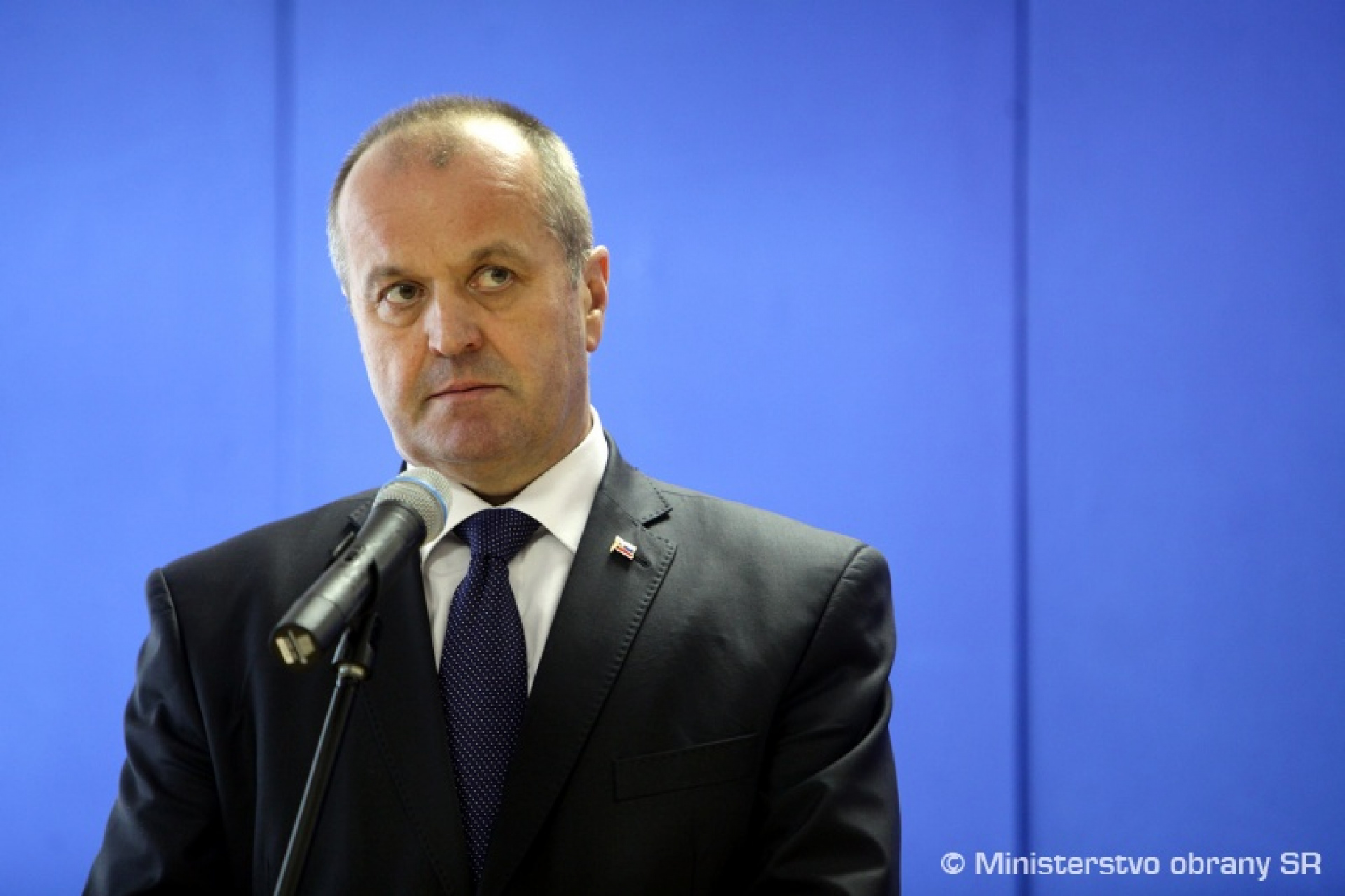
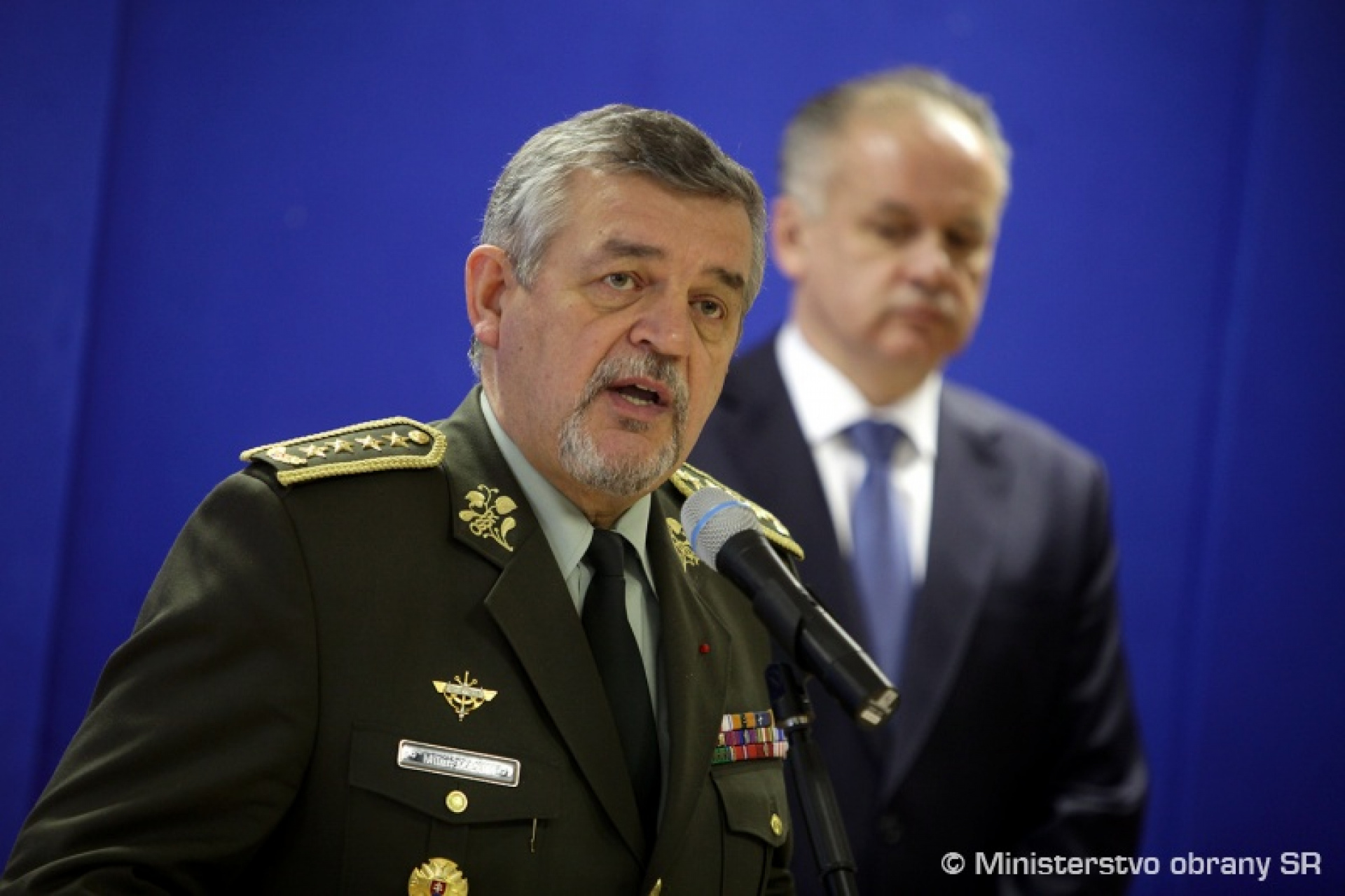
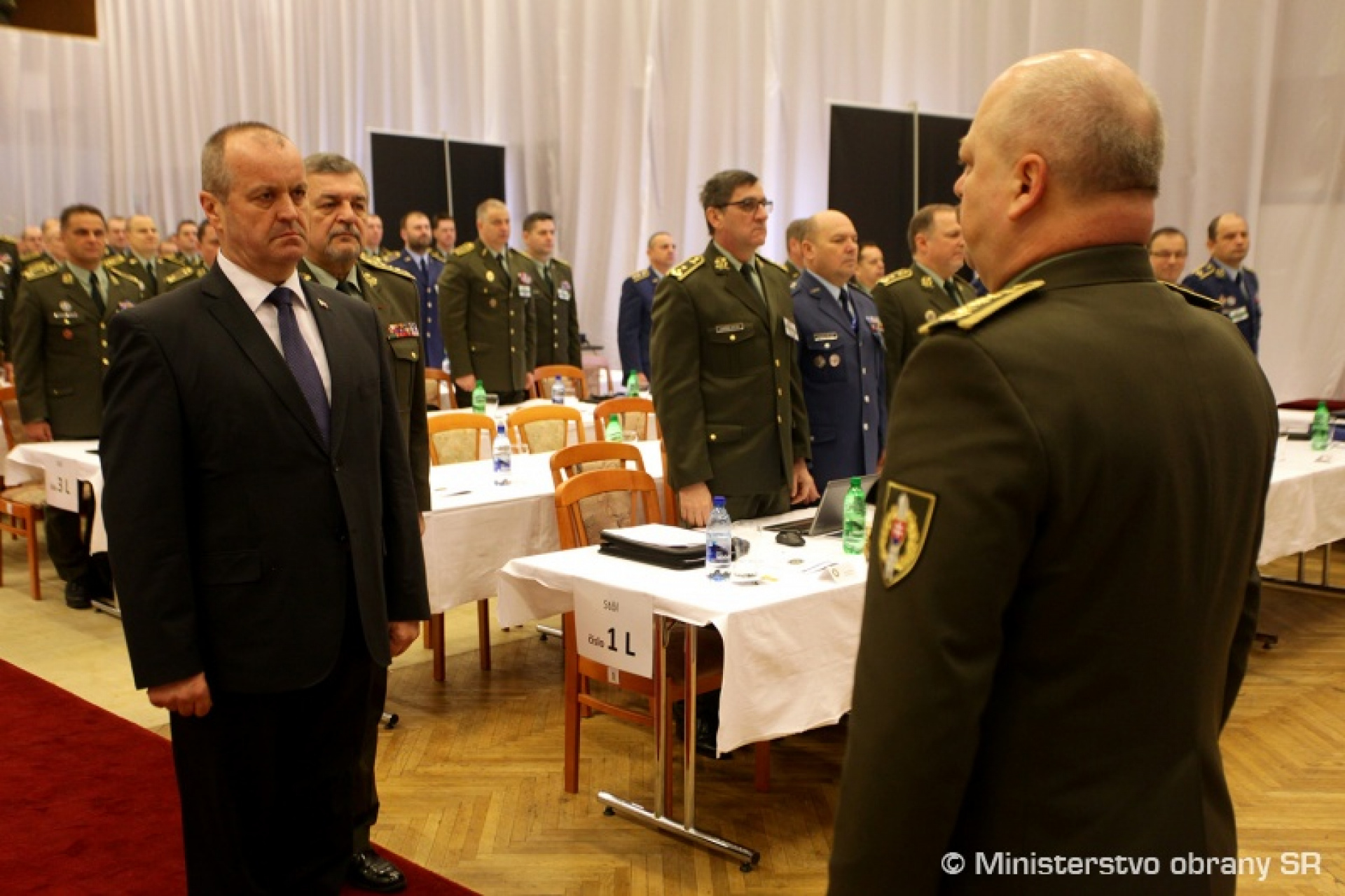
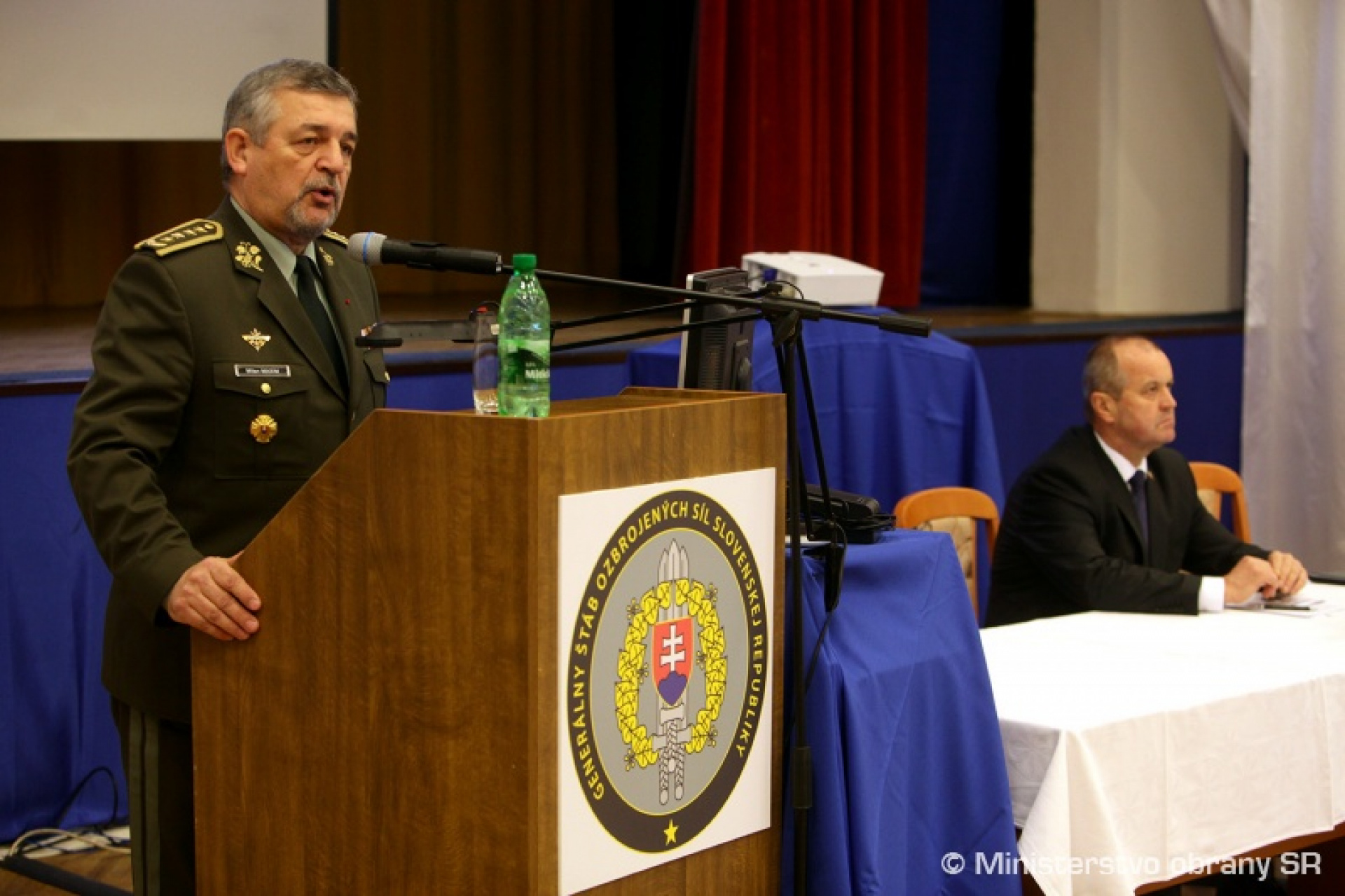
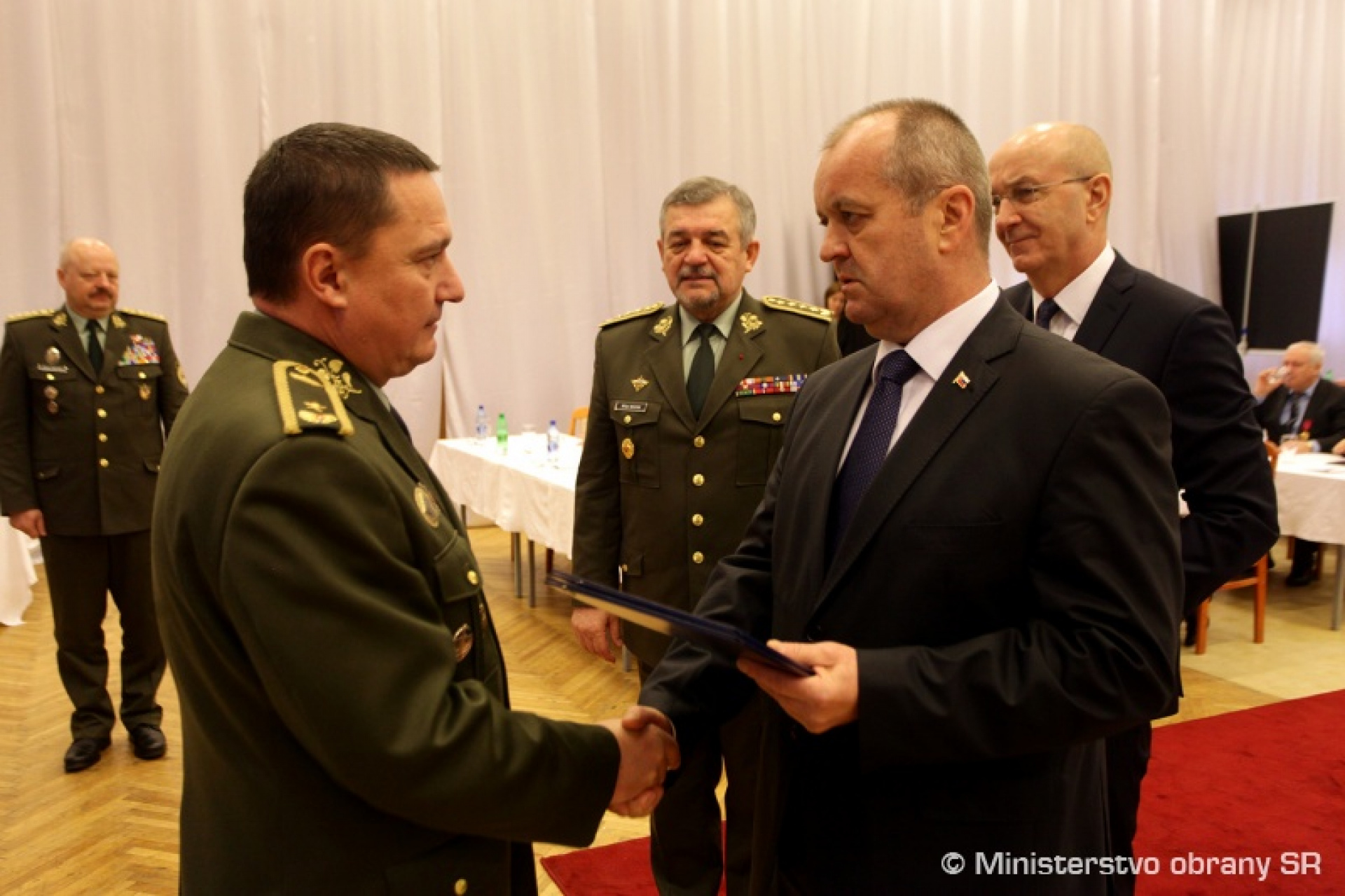
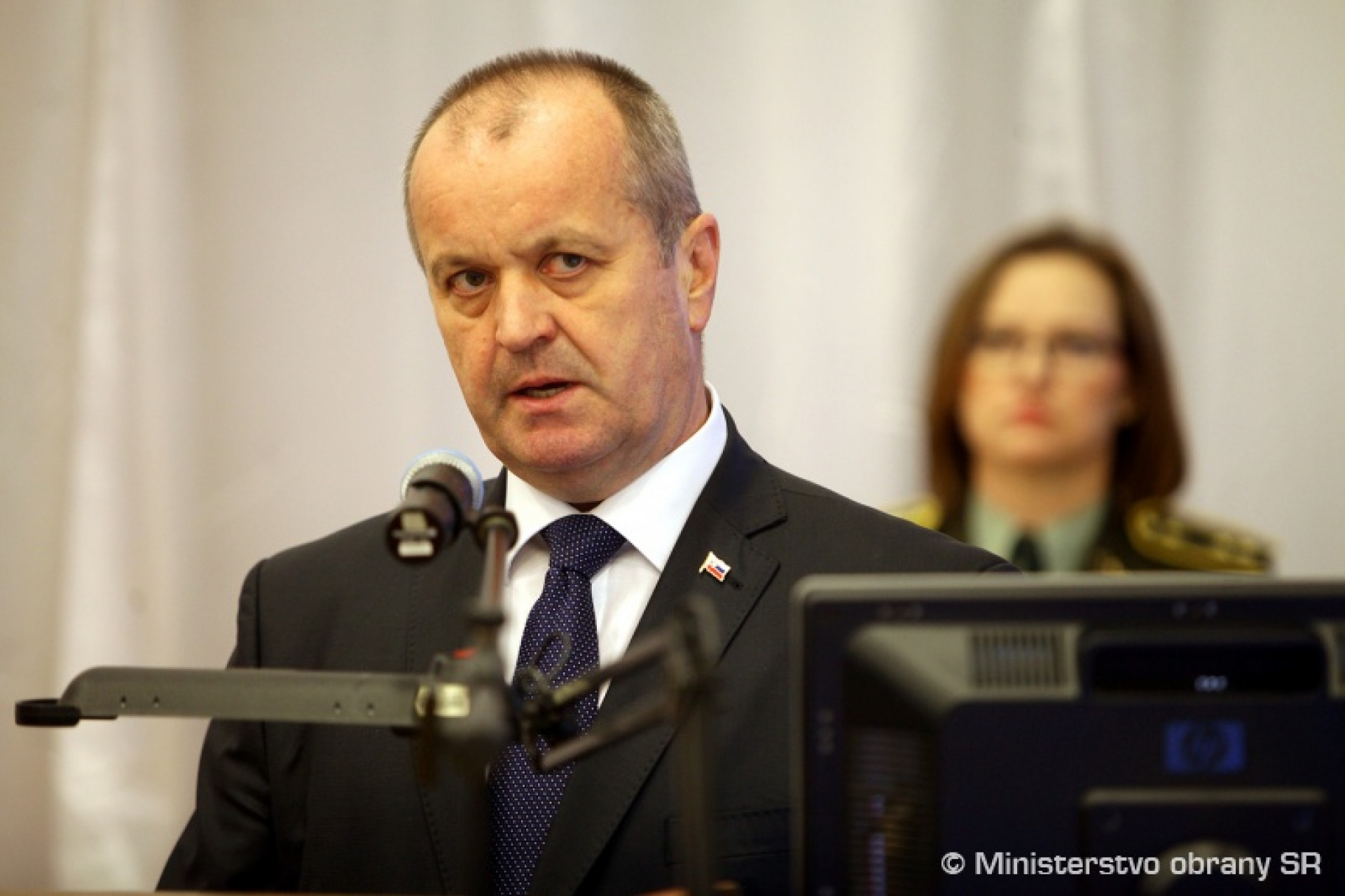
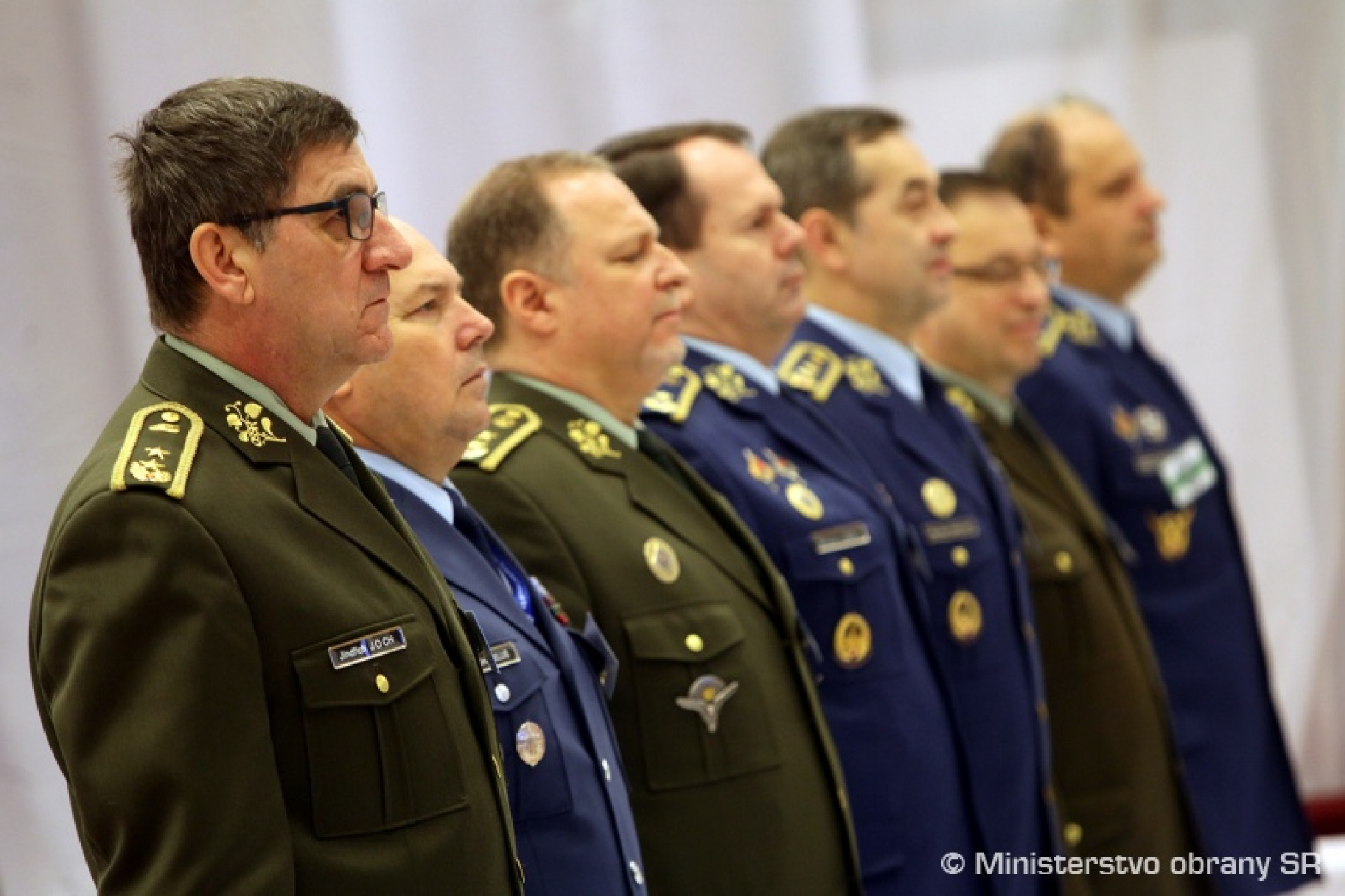
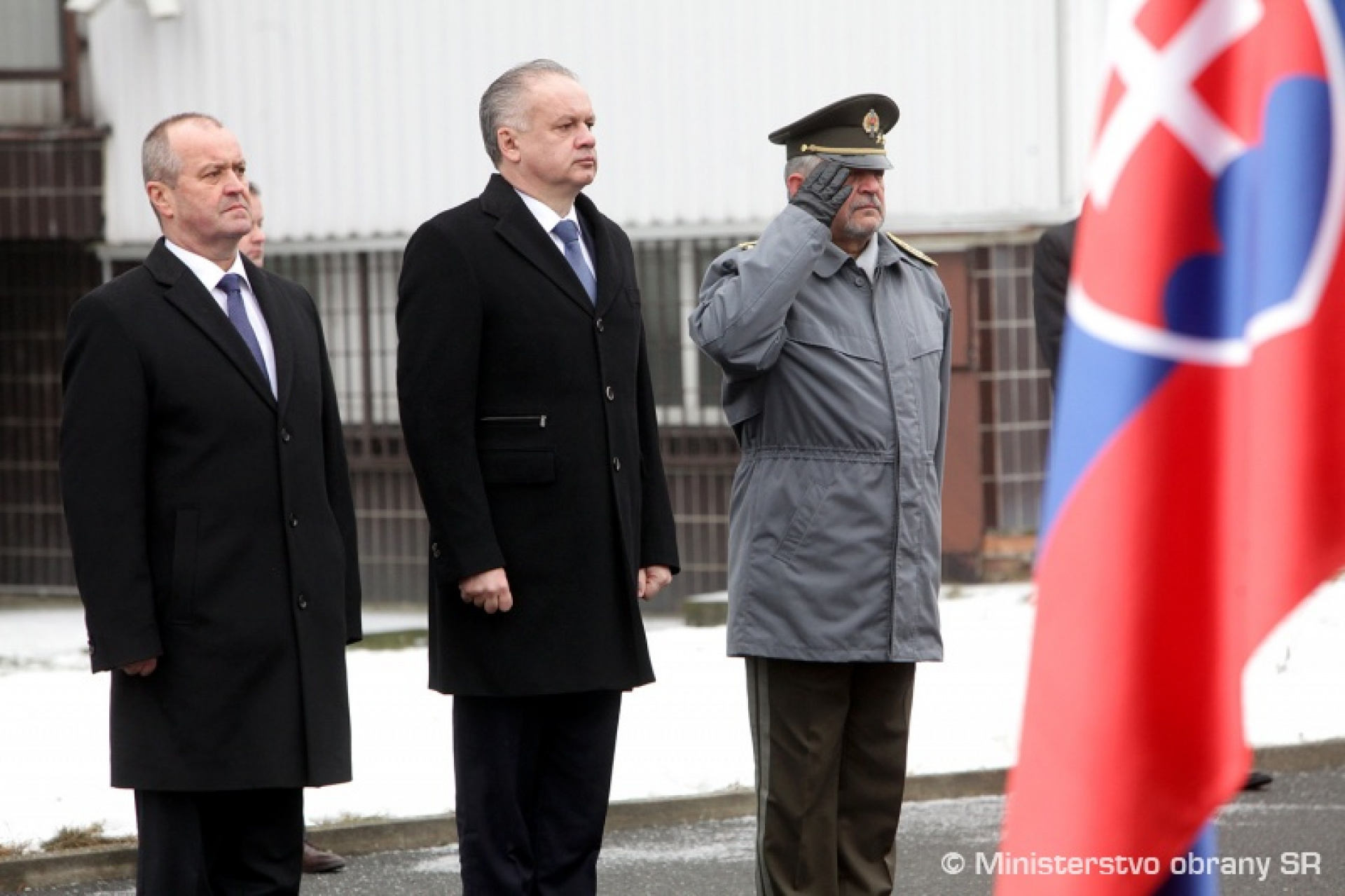
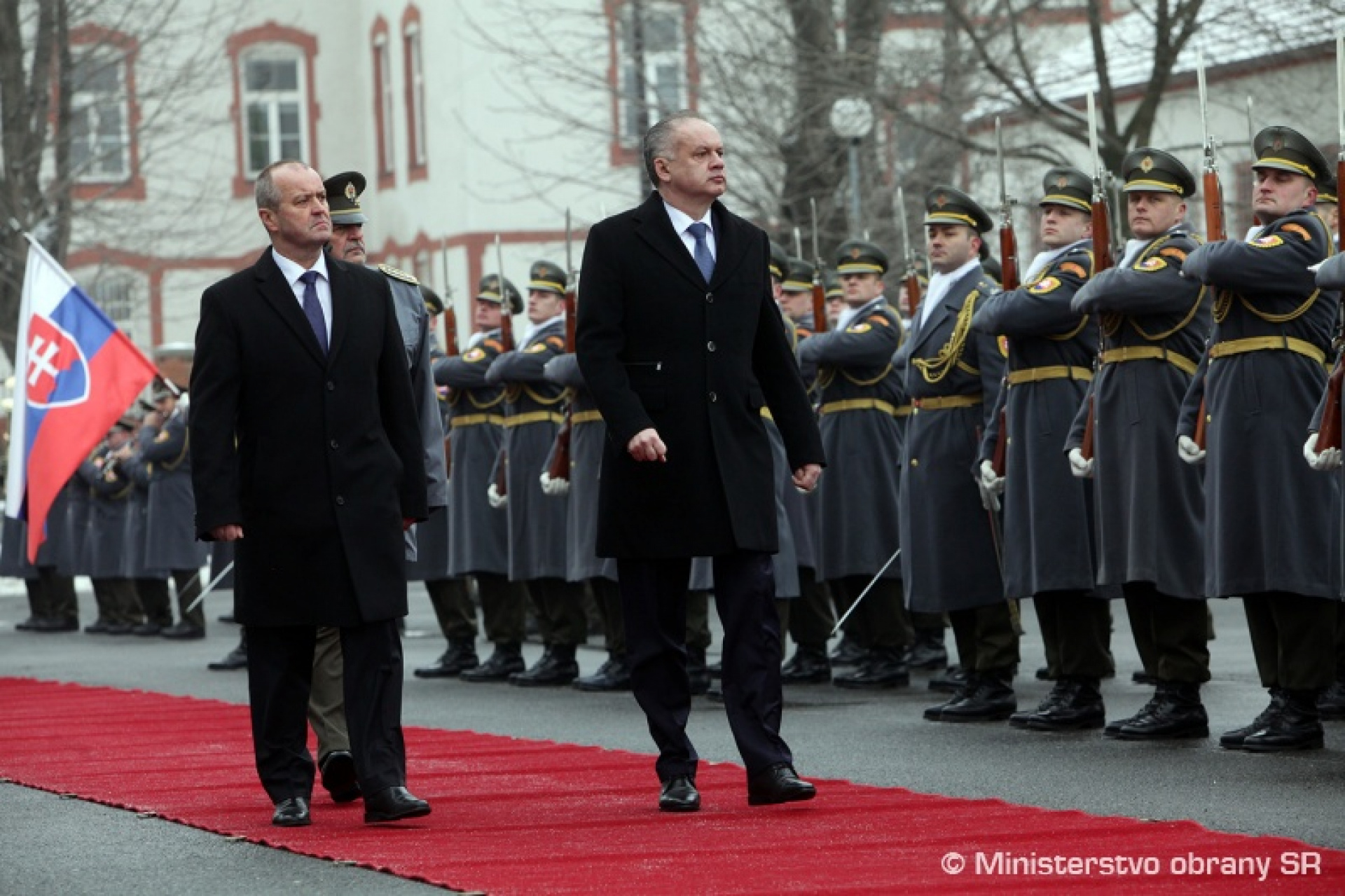
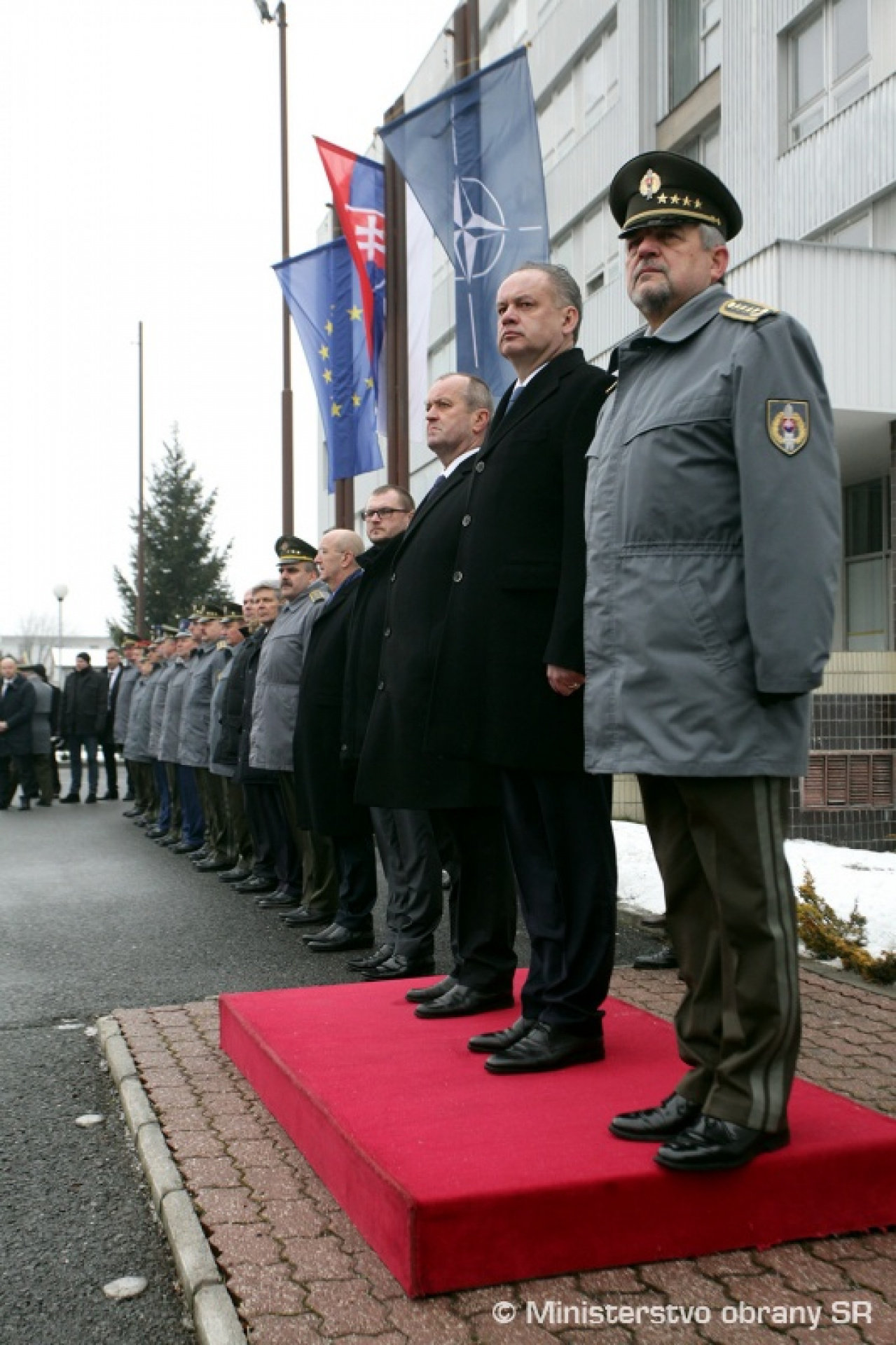
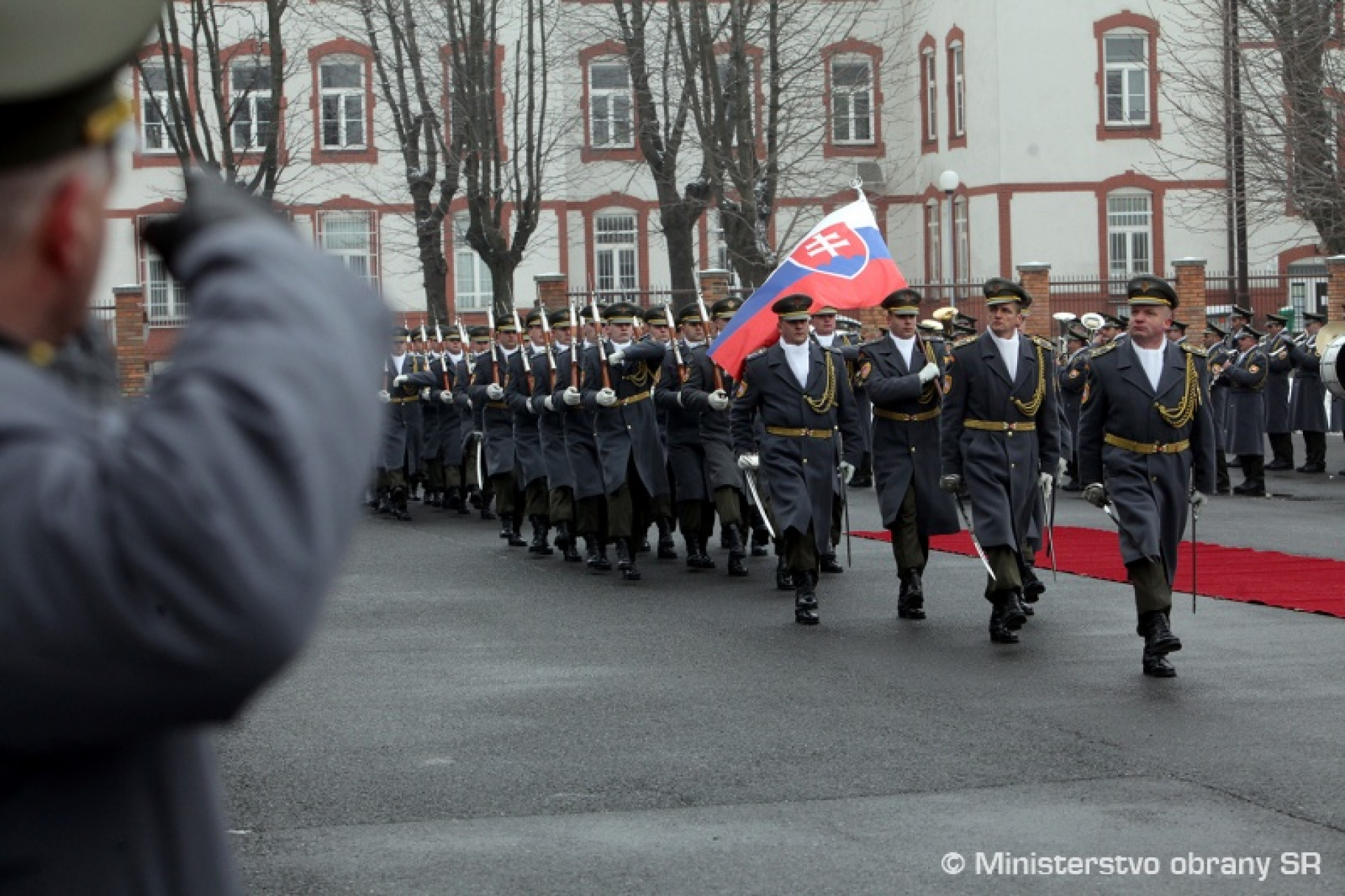
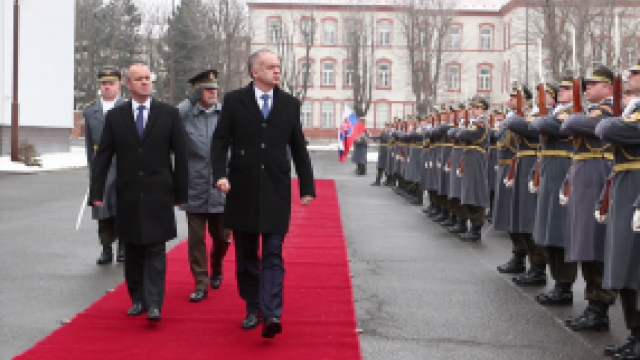
Chief of the General Staff of the SVK Armed Forces Gen Milan Maxim has delivered – in the presence of SVK President Andrej Kiska and Minister of Defence Peter Gajdoš – an assessment of the Training Year (TY) 2016 results and informed of the 2017 priorities.
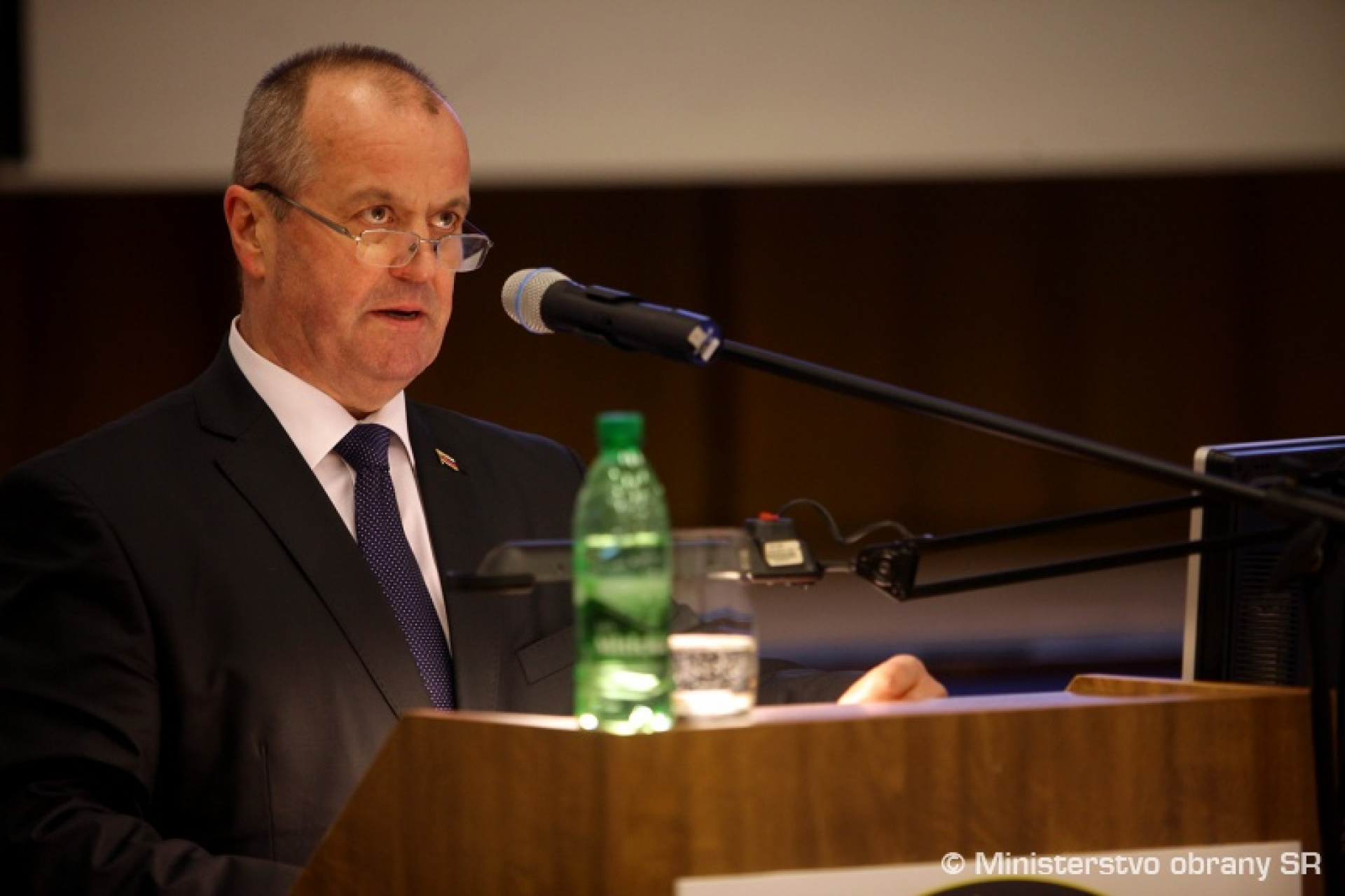
In this respect, the Minister of Defence underscored that in spite of our clearly pro-European and pro-Atlantic direction, we ourselves must, first and foremost, remain the guarantor of our own security. He went on to remind that the MOD has set out initial measures to enhance our defence capabilities in the White Paper on Defence of the Slovak Republic. In addition, it has worked out the Plan for the Use of the Armed Forces in a Time of War and submitted it to the Government for consideration.
However, our military still lacks a Long-Term Armed Forces Generation and Development Plan, which is a basic strategic document. “We need to clearly define what kind of Armed Forces we want. But above all else, we need to able to deliver on the tasks that arise for them out of the Constitution of the Slovak Republic and related Acts of Parliament,” he said.
At the top commanders' meeting, the head of the MOD touched on important projects, such as developing the Voluntary Military Training (VMT) and the Active Reserves (ARs). After coming into office, the new MOD leadership initiated a new contracts award plan to be set forth, one taking account of the Armed Forces' existing priorities and needs. “Also thanks to using more efficient procurement methods, we have managed to save over €1 million. We will invest it back into the Armed Forces,” remarked the Minister.
When it comes to the modernisation scheme, last year the main modernisation projects were further developed, primarily those catering for the needs of the SVK Armed Force; military units received delivery of another batch of Land Rover Defender Station Wagons, and Aktis and Tatra trucks; the replacement process of light infantry weapons was in progress; and deliveries of ammunition continued. On defence spending, the Minister expressed his appreciation that the 2017 defence budget has increased by €110 million, which represents a 12.4 per cent increase, and it now accounts for 1.18 per cent of GDP.
In performance of our international commitments, we stood ready with the V4 EU BG as it was on “stand-by” phase in the first half of 2016, we successfully performed the tasks of our historically first Presidency of the Council of the European Union, and the NATO Force Integration Unit Slovakia (NFIU SVK) reached Initial Operational Capability (IOC) on 1 January 2017.
During his remarks, President Andrej Kiska, Commander-in-Chief of the SVK Armed Forces, said that he was in no doubt about the patriotism of our troops earning a good reputation for Slovakia on missions abroad. He thanked them for providing assistance to civilian populations during disaster response at home. He also drew attention to the fact that they often serve with obsolete assets and equipment, which results from the MOD being overstretched financially in the long run.
Gen Maxim concluded that the TY 2016 tasks were accomplished without exceptional incidents, without deaths or serious injuries on training and exercise, and without any significant damage to materiel or equipment incurred by SVK Regular Armed Forces personnel. “The most significant training activity on Slovak territory in 2016 was a series of exercises known as SLOVAK SHIELD 2016. Being part of the NATO exercises programme, it has been the largest exercise in terms of its size and objectives so far,” he said. Throughout the TY 2016, SVK Armed Forces personnel also participated in high visibility drills outside of the territory of the SVK REP.
In this respect, the Minister of Defence underscored that in spite of our clearly pro-European and pro-Atlantic direction, we ourselves must, first and foremost, remain the guarantor of our own security. He went on to remind that the MOD has set out initial measures to enhance our defence capabilities in the White Paper on Defence of the Slovak Republic. In addition, it has worked out the Plan for the Use of the Armed Forces in a Time of War and submitted it to the Government for consideration.
However, our military still lacks a Long-Term Armed Forces Generation and Development Plan, which is a basic strategic document. “We need to clearly define what kind of Armed Forces we want. But above all else, we need to able to deliver on the tasks that arise for them out of the Constitution of the Slovak Republic and related Acts of Parliament,” he said.
At the top commanders' meeting, the head of the MOD touched on important projects, such as developing the Voluntary Military Training (VMT) and the Active Reserves (ARs). After coming into office, the new MOD leadership initiated a new contracts award plan to be set forth, one taking account of the Armed Forces' existing priorities and needs. “Also thanks to using more efficient procurement methods, we have managed to save over €1 million. We will invest it back into the Armed Forces,” remarked the Minister.
When it comes to the modernisation scheme, last year the main modernisation projects were further developed, primarily those catering for the needs of the SVK Armed Force; military units received delivery of another batch of Land Rover Defender Station Wagons, and Aktis and Tatra trucks; the replacement process of light infantry weapons was in progress; and deliveries of ammunition continued. On defence spending, the Minister expressed his appreciation that the 2017 defence budget has increased by €110 million, which represents a 12.4 per cent increase, and it now accounts for 1.18 per cent of GDP.
In performance of our international commitments, we stood ready with the V4 EU BG as it was on “stand-by” phase in the first half of 2016, we successfully performed the tasks of our historically first Presidency of the Council of the European Union, and the NATO Force Integration Unit Slovakia (NFIU SVK) reached Initial Operational Capability (IOC) on 1 January 2017.
During his remarks, President Andrej Kiska, Commander-in-Chief of the SVK Armed Forces, said that he was in no doubt about the patriotism of our troops earning a good reputation for Slovakia on missions abroad. He thanked them for providing assistance to civilian populations during disaster response at home. He also drew attention to the fact that they often serve with obsolete assets and equipment, which results from the MOD being overstretched financially in the long run.
Gen Maxim concluded that the TY 2016 tasks were accomplished without exceptional incidents, without deaths or serious injuries on training and exercise, and without any significant damage to materiel or equipment incurred by SVK Regular Armed Forces personnel. “The most significant training activity on Slovak territory in 2016 was a series of exercises known as SLOVAK SHIELD 2016. Being part of the NATO exercises programme, it has been the largest exercise in terms of its size and objectives so far,” he said. Throughout the TY 2016, SVK Armed Forces personnel also participated in high visibility drills outside of the territory of the SVK REP.