Slovak air defenders join in live firings on Exercise Tobruq Legacy 2017
- Author:
- Photo:
- Date: 23.07.2017
- Share: Zdieľať na Facebook
TOBRUQ LEGACY 2017, aimed at testing the level of interoperability of Surface-Based Air Defence (SBAD) systems forces, culminated last week. The significance of the exercise for achieving full interoperability and understanding common NATO operational procedures was acknowledged by Lt Gen Ben Hodges, Commanding General USAREUR, and Maj Gen Timothy McGuire, Deputy Commanding General USAREUR.
Inside Area of Operations (AO) North – Lithuania, the last phases of the exercise were conducted with considerable air support by the Air Forces of NATO countries. The training in the northern flank was centred on testing interoperability across all fields.
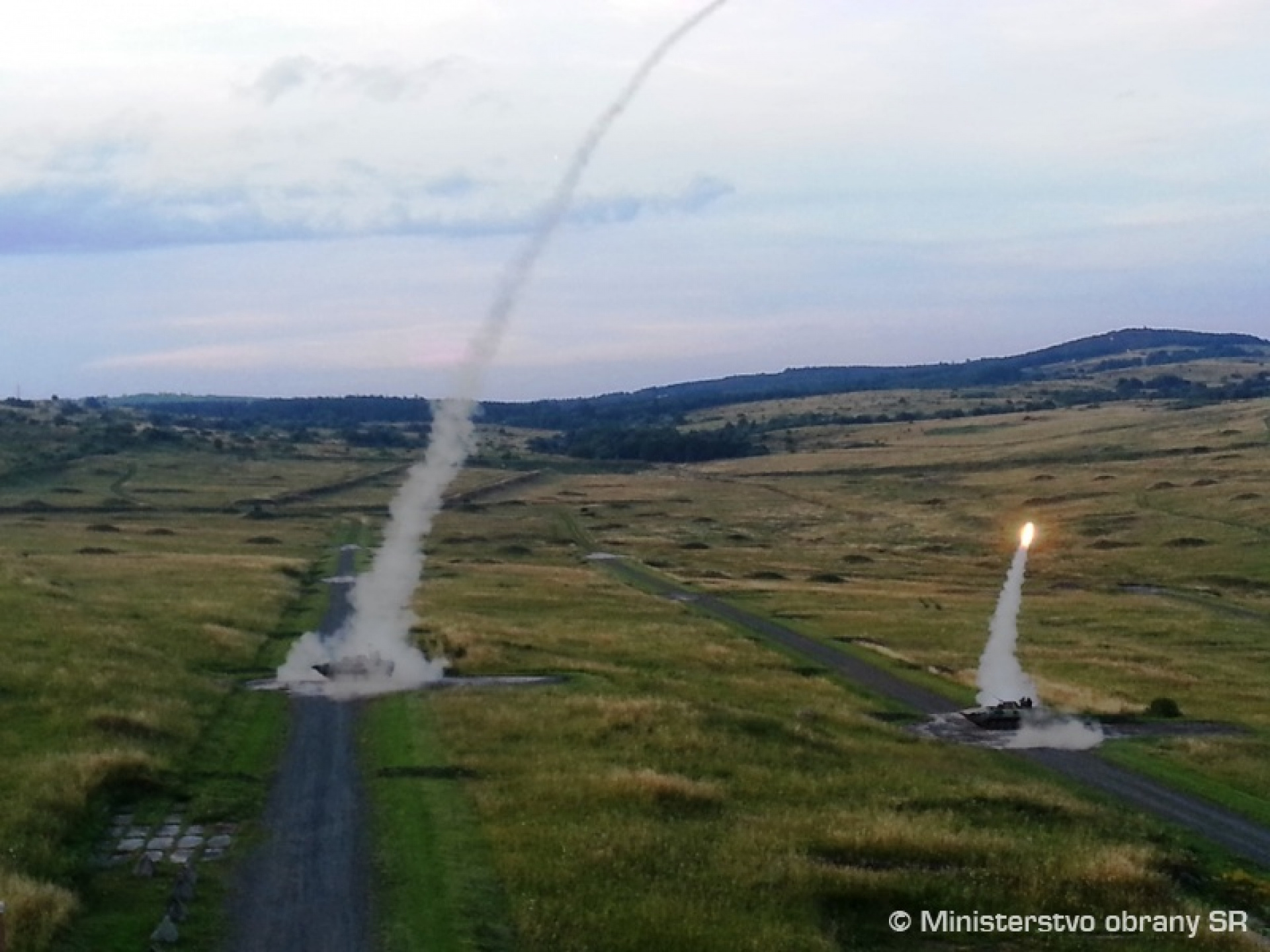
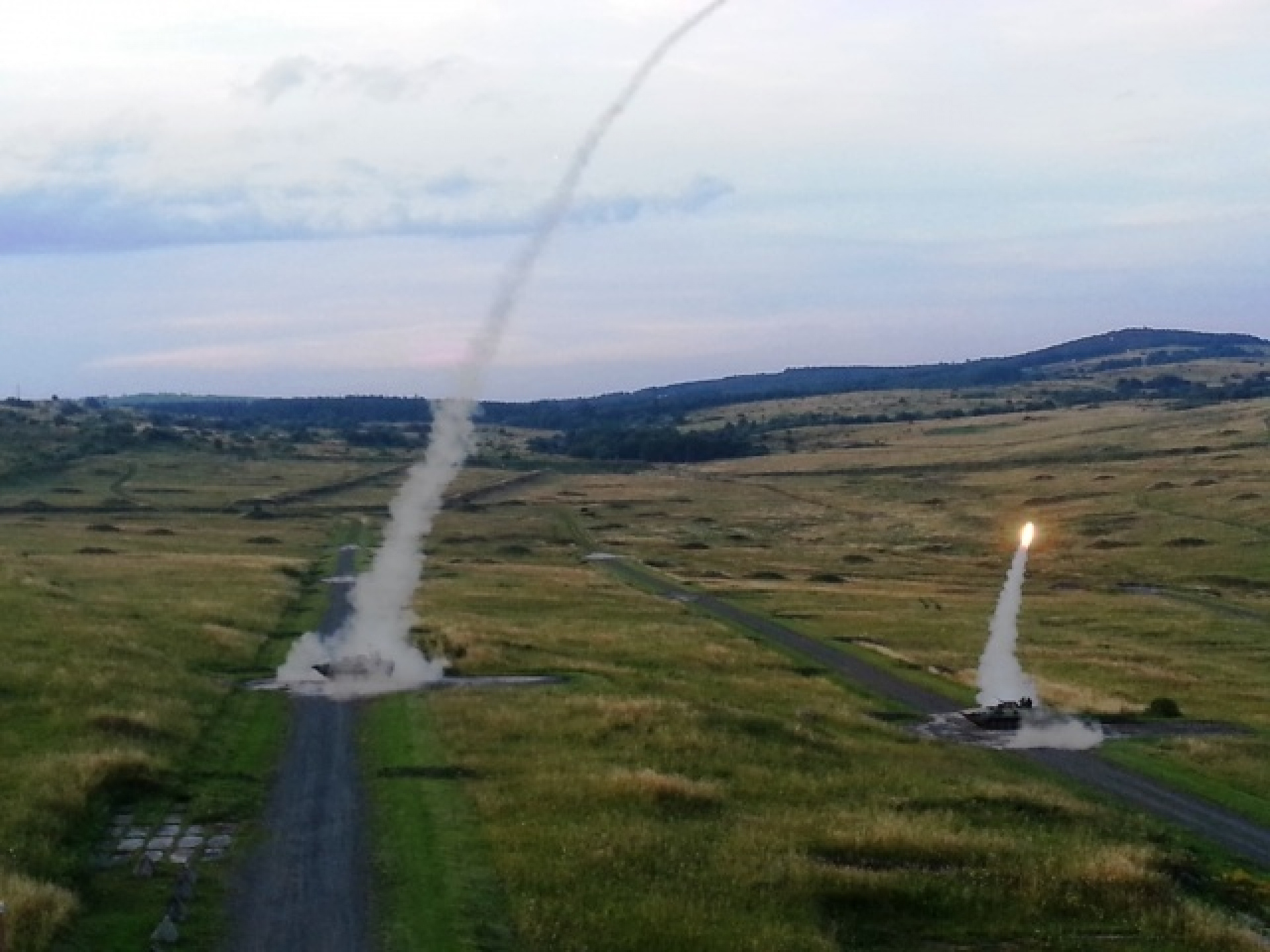
At AO Centre – the Czech Republic, the interoperability exercise culminated on 21 July with a live firing phase involving Short Range Air Defence (SHORAD) assets and Man-Portable Air Defence (MANPAD) systems. Alongside Czechia, other militaries joined in, including from Hungary, the US, Lithuania, the UK, and Slovakia. The SBAD units formed a joint task force and employed a range of air defence systems, such as RBS-70, Mistral, SA-18 (9K38IGLA), Avenger and SA-6 (2K12KUB), under the unified command of the multinational Surface-Based Air Defence Operations Centre-Centre (SBADOC-C).
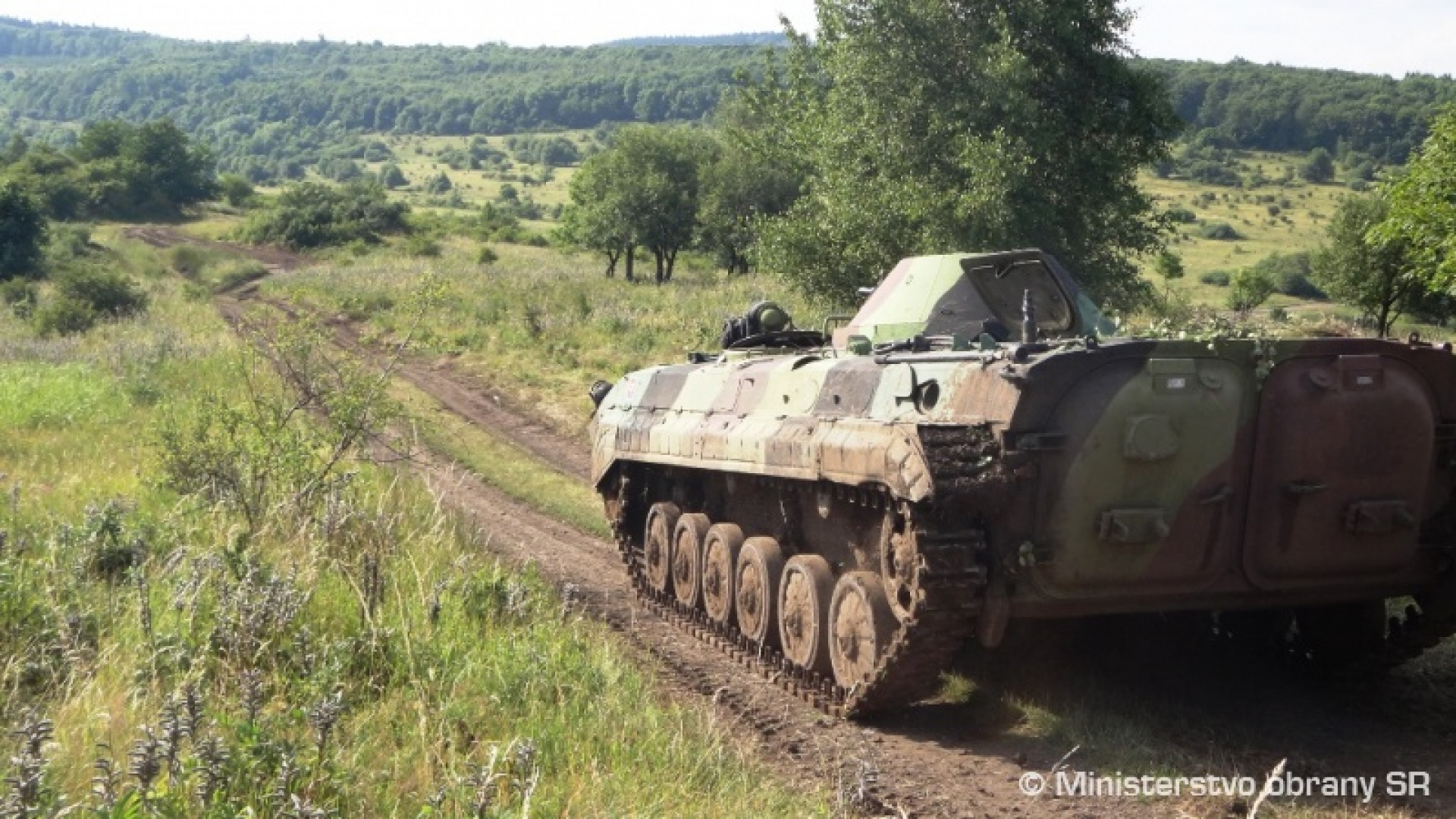
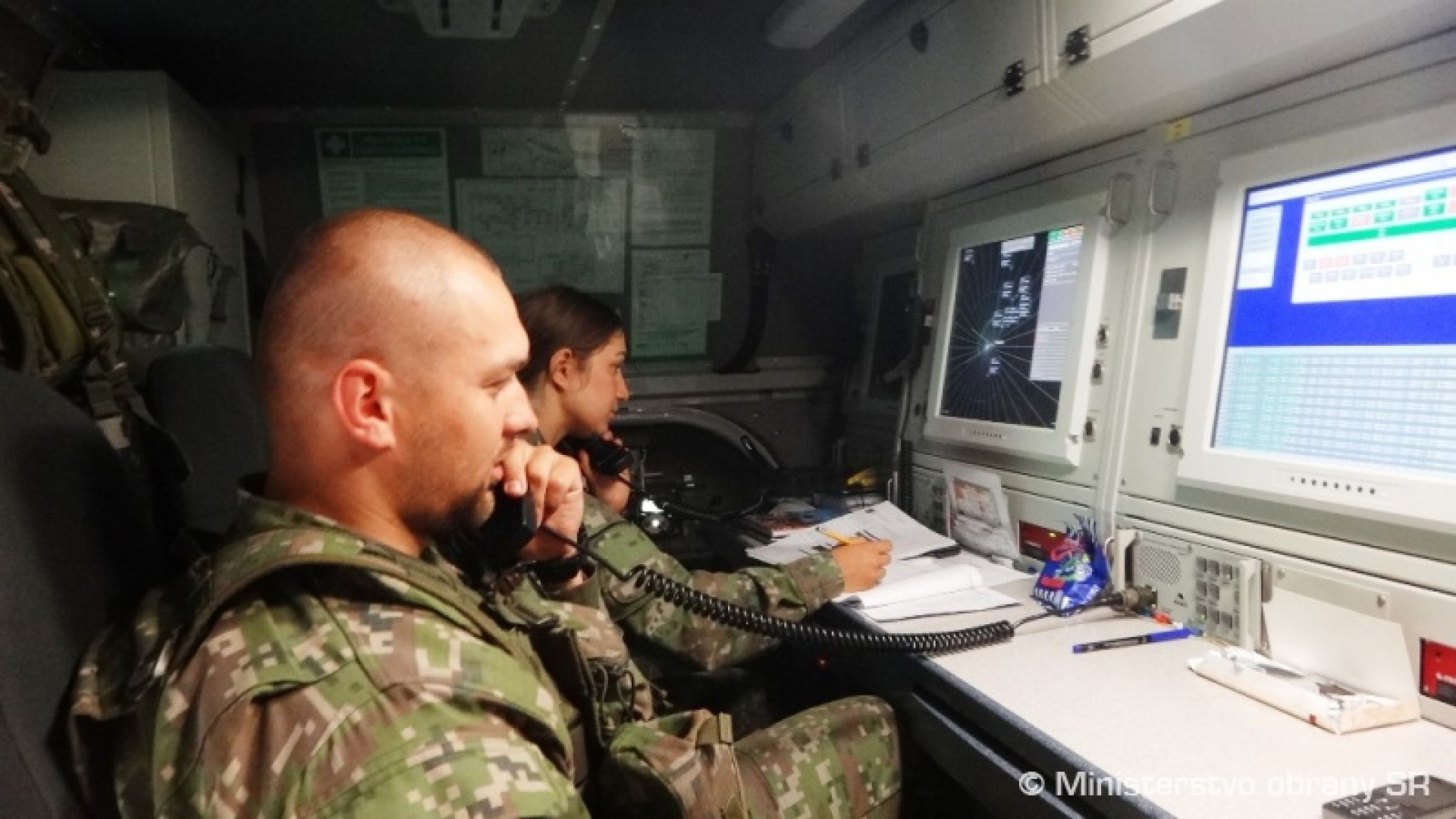
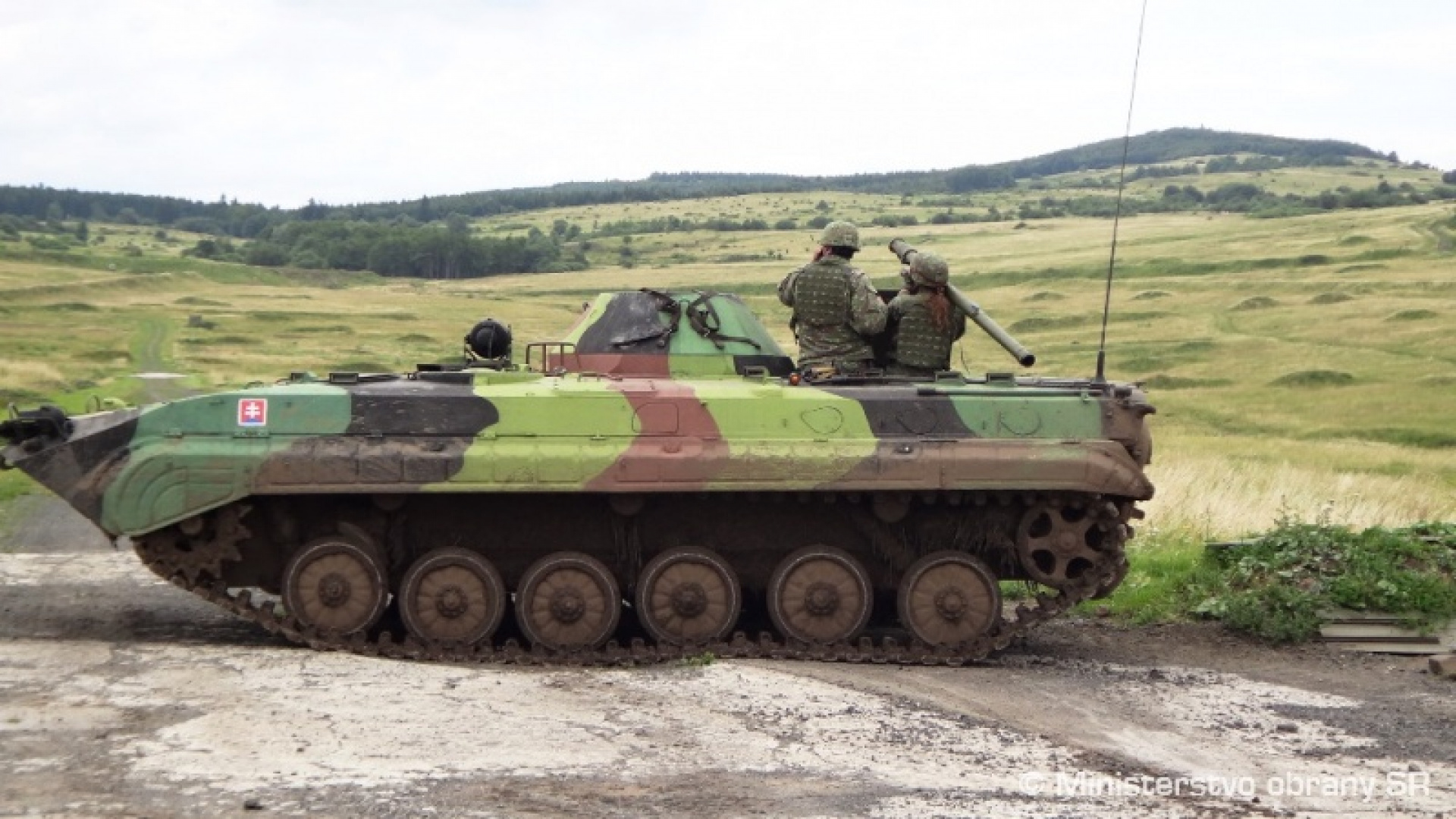
Members of the Nitra-based Task Group cooperated in conducting live firings with Czech platoons in a combined CZE-SVK Battery under the command of the Romania-based SBADOC. The air defenders employed SA-18 systems and a platform-mounted PKT machine gun to destroy air targets. For the first time a command data link network was put in place, allowing commanders to issue orders and distribute air picture updates immediately across the range. All 12 air targets were destroyed by 12 SA-18 MANPADS. The live firing phase confirmed excellent interoperability levels between the SVK Air Force and the Czech Air Force.
At AO South, an SBADOC-S C2 centre was set up to command SBAD forces from the US, Slovenia and Romania with the use of Patriot PAC-3, Avenger, SA-24 IGLA-S, MIM-2000 HAWK, SA-6 2K12 KUB, and Gepard Anti-Aircraft Cannon Platform air defence systems. Concurrently, a Joint Force Air Component Command (JFAC) was stood up as a multinational NATO command structure for C2 of air assets, manned also by SBAD subject matter specialists from the United States, Germany, Lithuania, Romania, Hungary, the Czech Republic, Slovakia and the UK, and working under the specialist guidance of the CAOC UEDEM and in collaboration with NATO AWACS platforms.
During the exercise, the Romania-based Exercise Control (EXCON) Directorate and the JFAC managed to establish communications with the SBADOCs in Romania, the Czech Republic and Lithuania, to command and control them and subordinate units, as well as connecting with the national Control and Reporting Centres (CRCs) in these countries to receive a Recognised Air Picture (RAP). As a result, a Unified Air Picture (UAP) was compiled from all available resources and sensors. At the same time, Romania hosted a live fire exercise involving MIM-2000 HAWK, SA-6 2K12 KUB, Avenger, Stinger and Gepard SBAD systems.
In Lithuania, the exercise was supported by a range of aircraft, including L-39s (LTU), F-16s (POL), AH-64 Apaches (USA), F/A-18s (ESP). In the Czech Republic, it was supported by Gripens (CZE/HUN), L-159s, Mi-24s, Mi-17s (CZE), and AH-64 Apaches (USA). In Romania, air support was provided by IAI-99s (ROU) and UH-60 Black Hawks, AH64 Apaches and F-15 Eagles (USA). Also involved were British Typhoons, which have been engaged in Romania as part of the NATO Black Sea Air Policing Mission.
Of utmost significance was the integration of NATO AWACS platforms into the exercise setting. The exercise tested information exchanges between the AWACS platforms, the QRA LTU and the QRA ROU, and the connectivity to the JFAC set up as part of the exercise and to the PATRIOT systems. The concept will be further developed with the aim of gaining a new AF/SBAD capability.
Inside Area of Operations (AO) North – Lithuania, the last phases of the exercise were conducted with considerable air support by the Air Forces of NATO countries. The training in the northern flank was centred on testing interoperability across all fields.
At AO Centre – the Czech Republic, the interoperability exercise culminated on 21 July with a live firing phase involving Short Range Air Defence (SHORAD) assets and Man-Portable Air Defence (MANPAD) systems. Alongside Czechia, other militaries joined in, including from Hungary, the US, Lithuania, the UK, and Slovakia. The SBAD units formed a joint task force and employed a range of air defence systems, such as RBS-70, Mistral, SA-18 (9K38IGLA), Avenger and SA-6 (2K12KUB), under the unified command of the multinational Surface-Based Air Defence Operations Centre-Centre (SBADOC-C).
Members of the Nitra-based Task Group cooperated in conducting live firings with Czech platoons in a combined CZE-SVK Battery under the command of the Romania-based SBADOC. The air defenders employed SA-18 systems and a platform-mounted PKT machine gun to destroy air targets. For the first time a command data link network was put in place, allowing commanders to issue orders and distribute air picture updates immediately across the range. All 12 air targets were destroyed by 12 SA-18 MANPADS. The live firing phase confirmed excellent interoperability levels between the SVK Air Force and the Czech Air Force.
At AO South, an SBADOC-S C2 centre was set up to command SBAD forces from the US, Slovenia and Romania with the use of Patriot PAC-3, Avenger, SA-24 IGLA-S, MIM-2000 HAWK, SA-6 2K12 KUB, and Gepard Anti-Aircraft Cannon Platform air defence systems. Concurrently, a Joint Force Air Component Command (JFAC) was stood up as a multinational NATO command structure for C2 of air assets, manned also by SBAD subject matter specialists from the United States, Germany, Lithuania, Romania, Hungary, the Czech Republic, Slovakia and the UK, and working under the specialist guidance of the CAOC UEDEM and in collaboration with NATO AWACS platforms.
During the exercise, the Romania-based Exercise Control (EXCON) Directorate and the JFAC managed to establish communications with the SBADOCs in Romania, the Czech Republic and Lithuania, to command and control them and subordinate units, as well as connecting with the national Control and Reporting Centres (CRCs) in these countries to receive a Recognised Air Picture (RAP). As a result, a Unified Air Picture (UAP) was compiled from all available resources and sensors. At the same time, Romania hosted a live fire exercise involving MIM-2000 HAWK, SA-6 2K12 KUB, Avenger, Stinger and Gepard SBAD systems.
In Lithuania, the exercise was supported by a range of aircraft, including L-39s (LTU), F-16s (POL), AH-64 Apaches (USA), F/A-18s (ESP). In the Czech Republic, it was supported by Gripens (CZE/HUN), L-159s, Mi-24s, Mi-17s (CZE), and AH-64 Apaches (USA). In Romania, air support was provided by IAI-99s (ROU) and UH-60 Black Hawks, AH64 Apaches and F-15 Eagles (USA). Also involved were British Typhoons, which have been engaged in Romania as part of the NATO Black Sea Air Policing Mission.
Of utmost significance was the integration of NATO AWACS platforms into the exercise setting. The exercise tested information exchanges between the AWACS platforms, the QRA LTU and the QRA ROU, and the connectivity to the JFAC set up as part of the exercise and to the PATRIOT systems. The concept will be further developed with the aim of gaining a new AF/SBAD capability.