Defence Ministers meet in Tallinn
- Author:
- Photo:
- Date: 07.09.2017
- Share: Zdieľať na Facebook
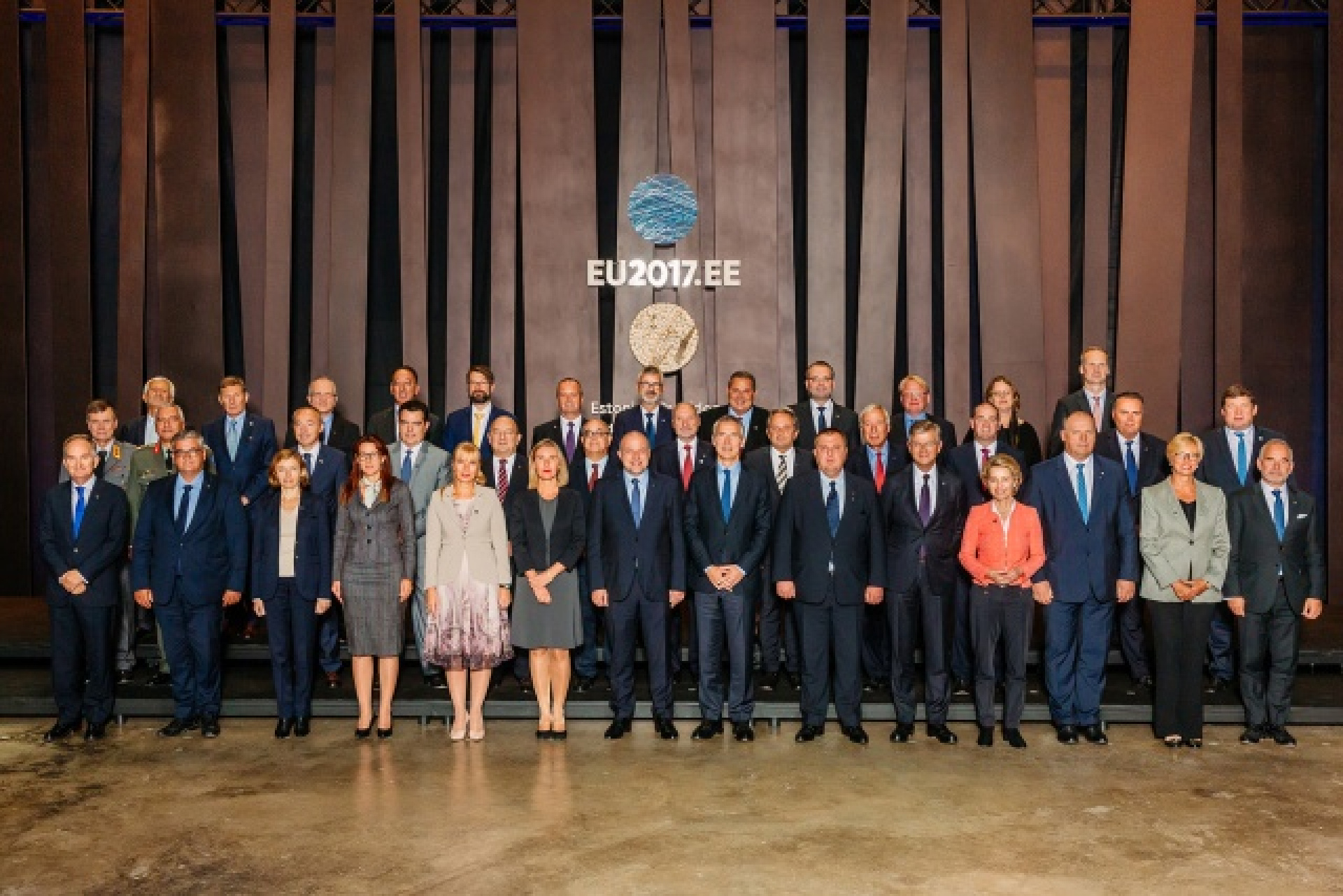
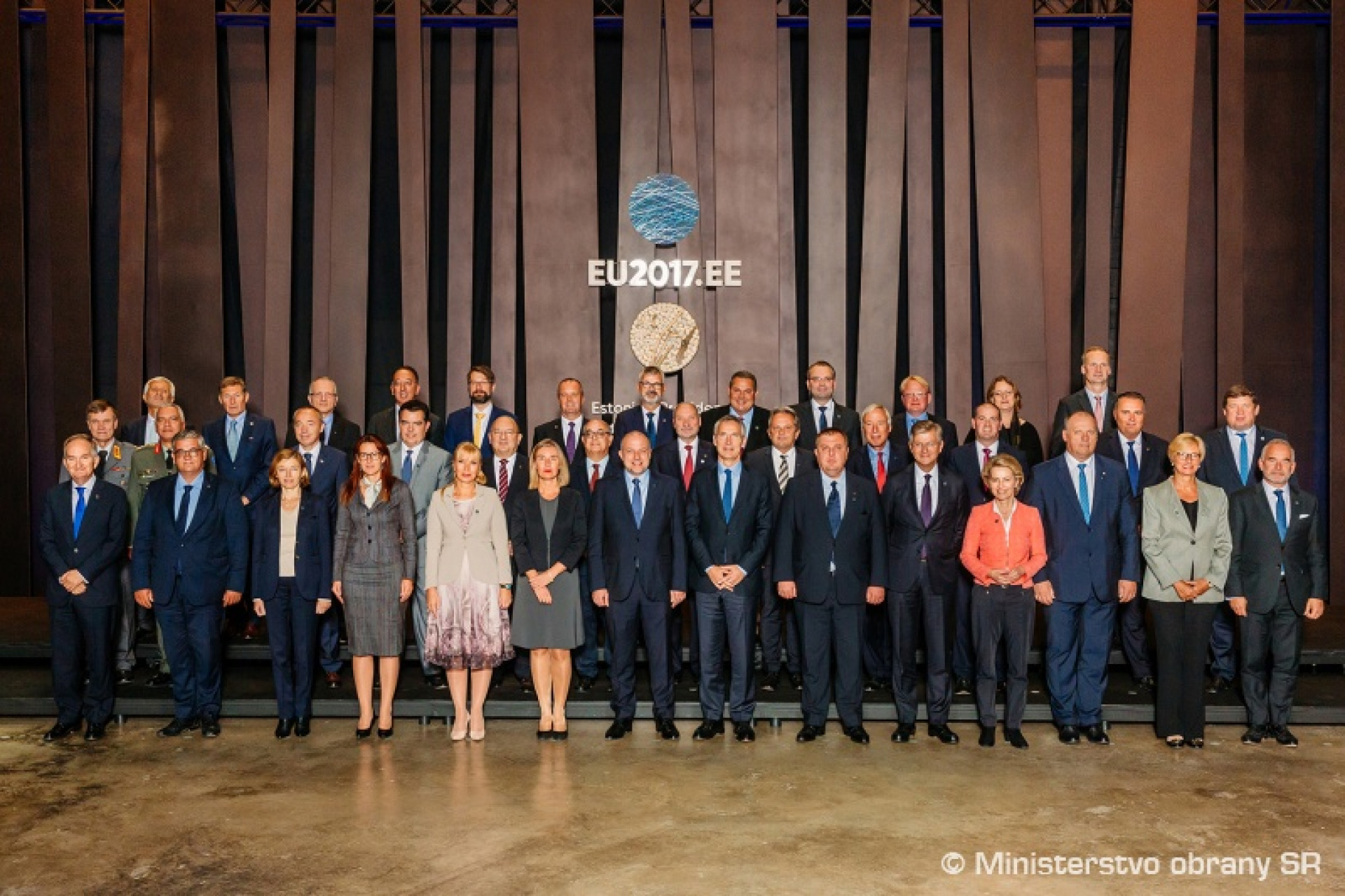
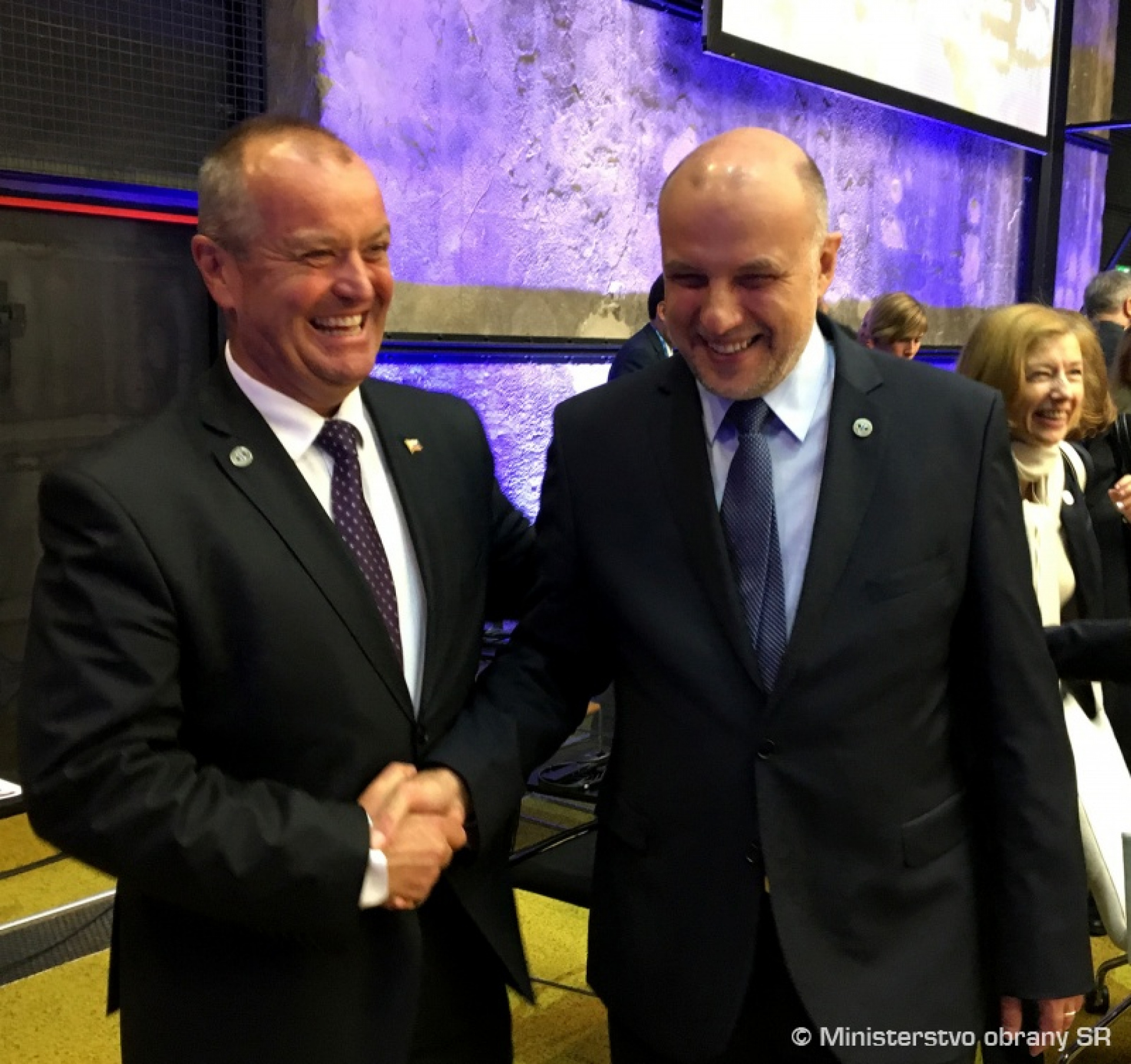
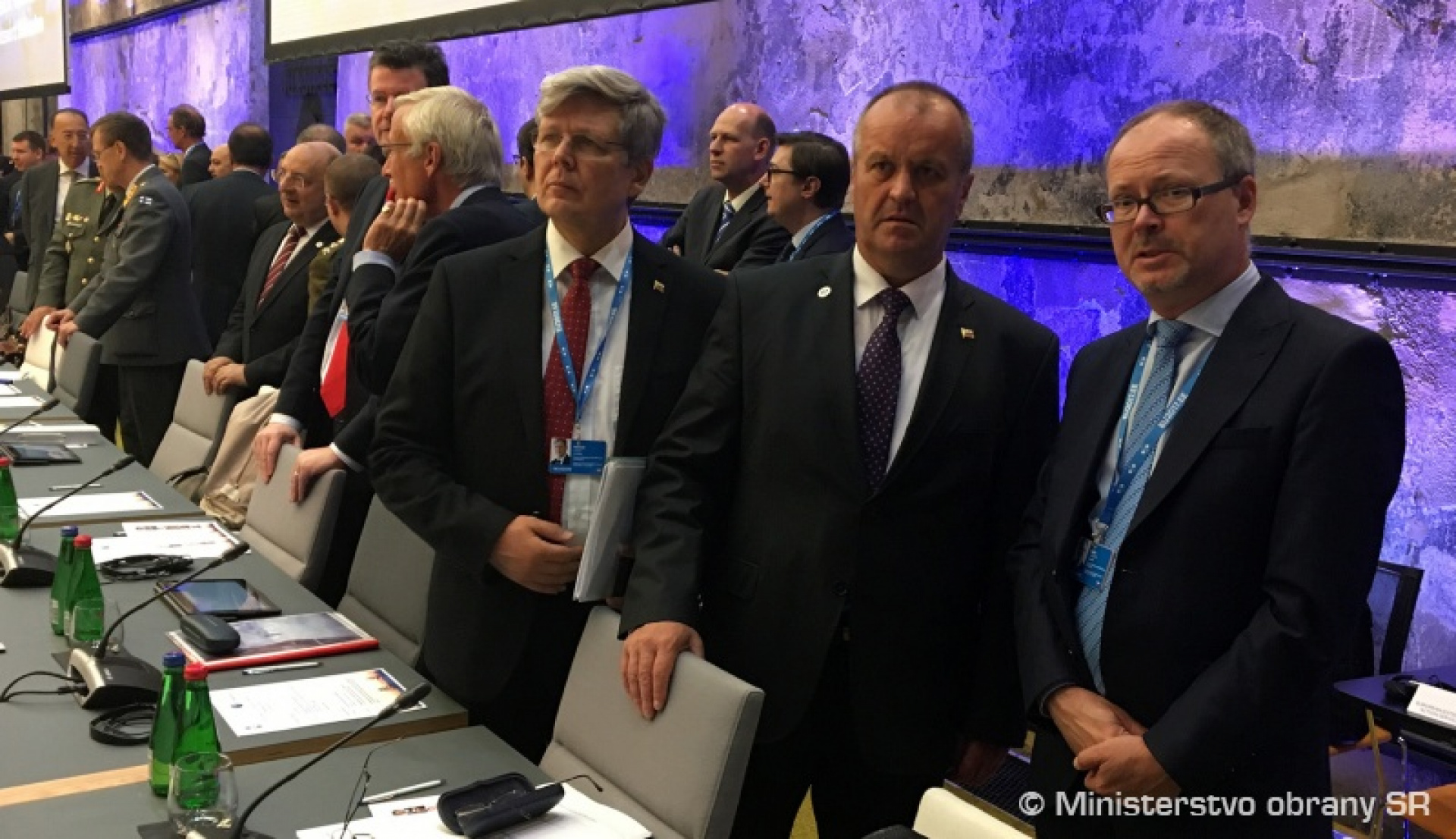
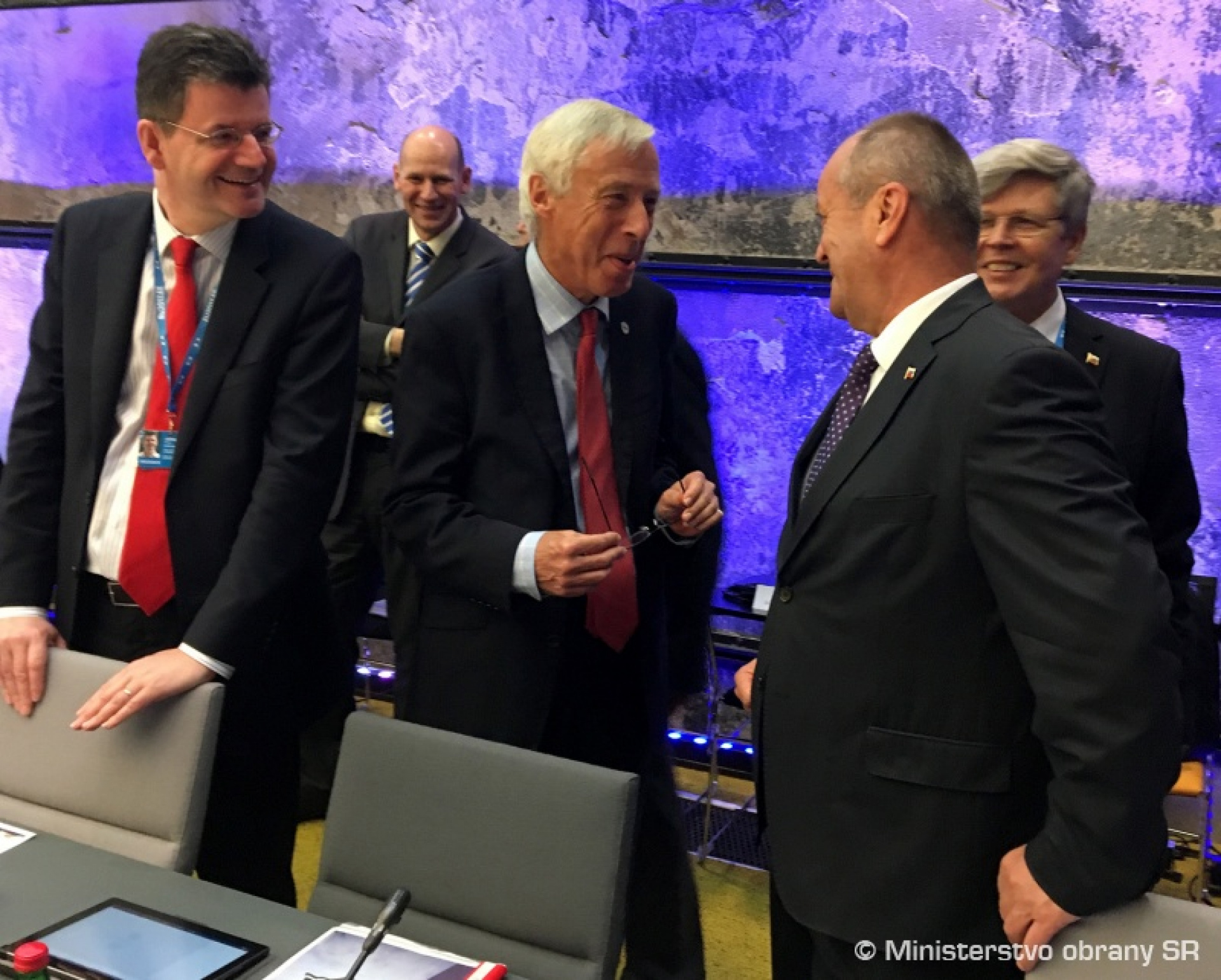
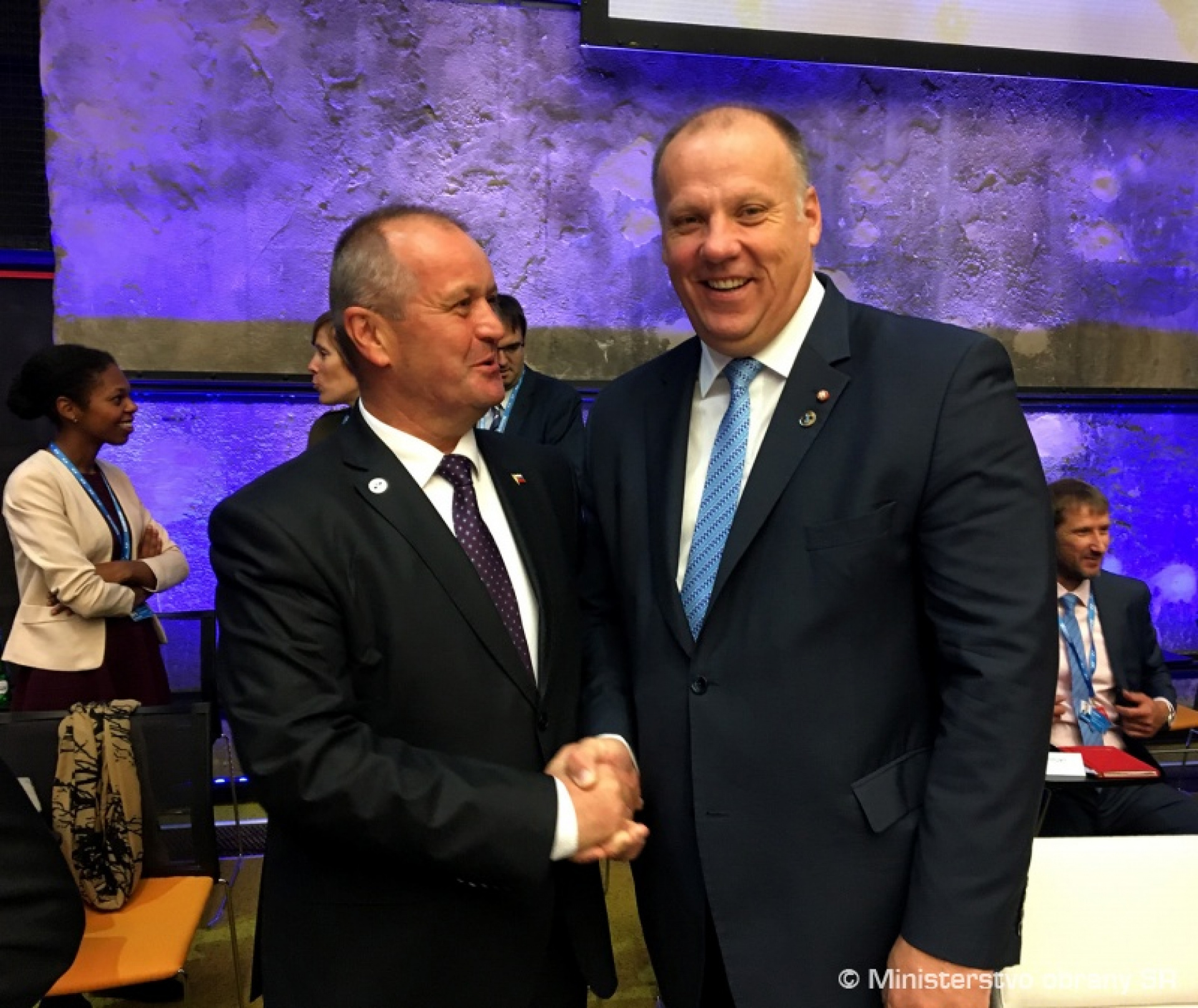
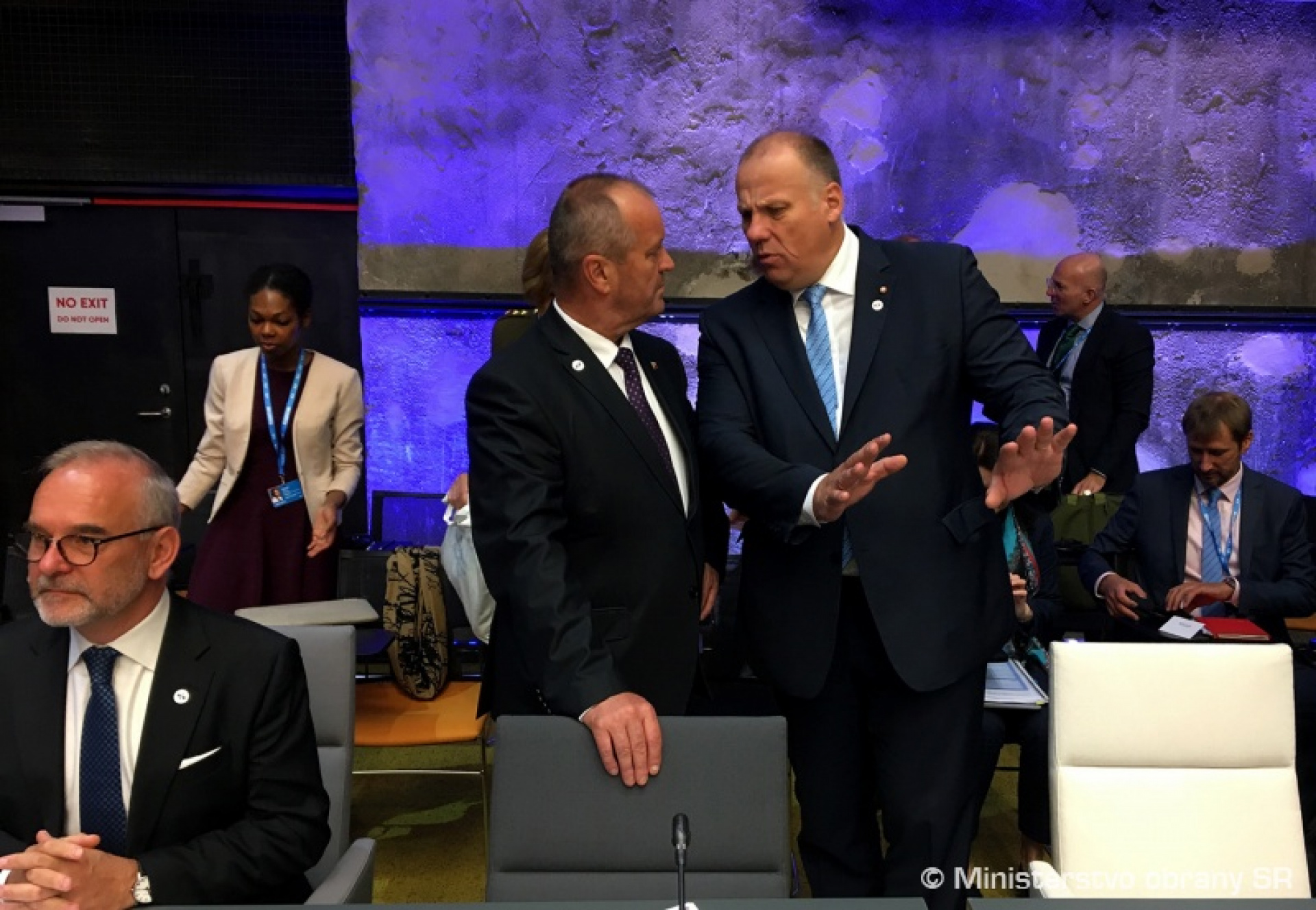
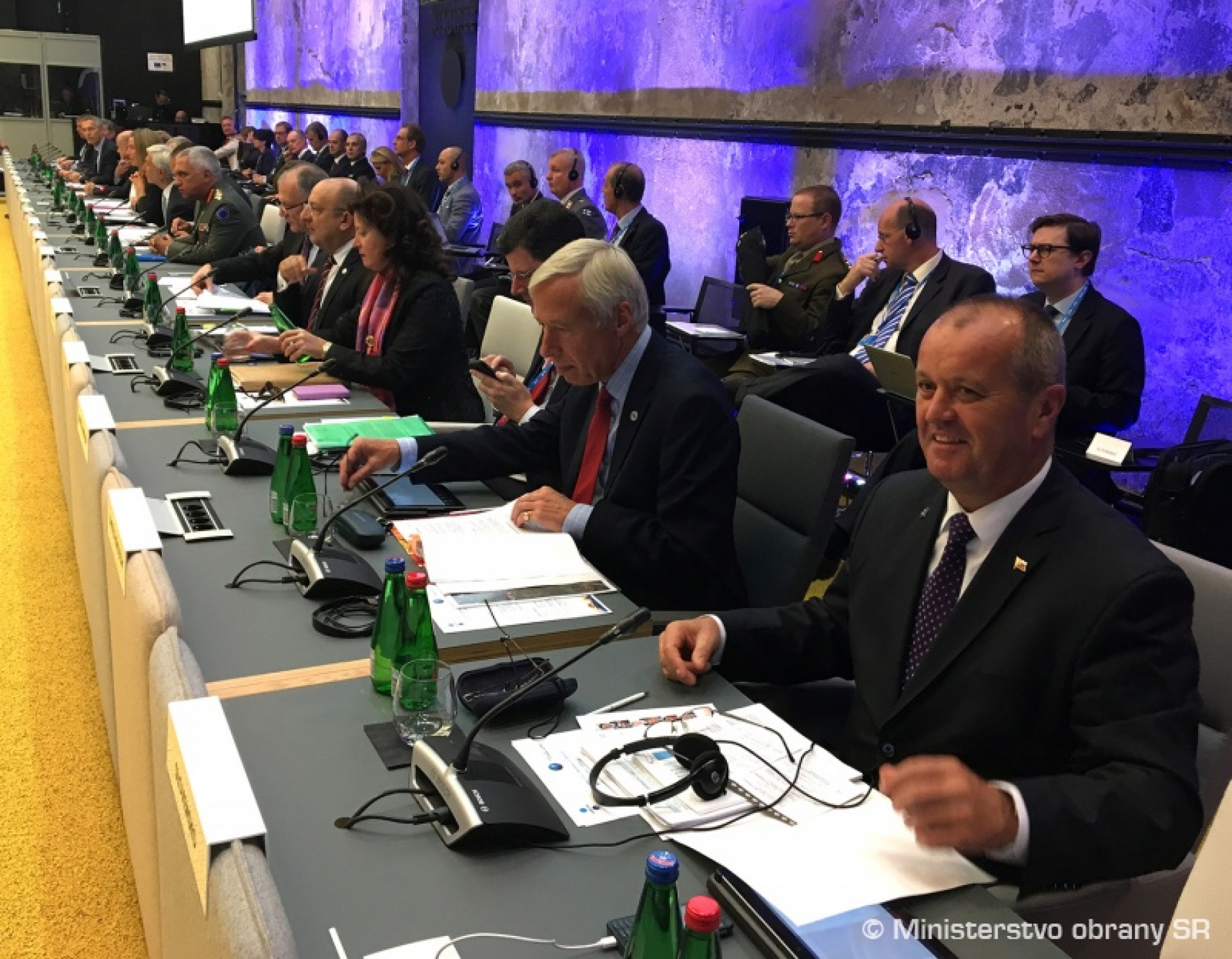
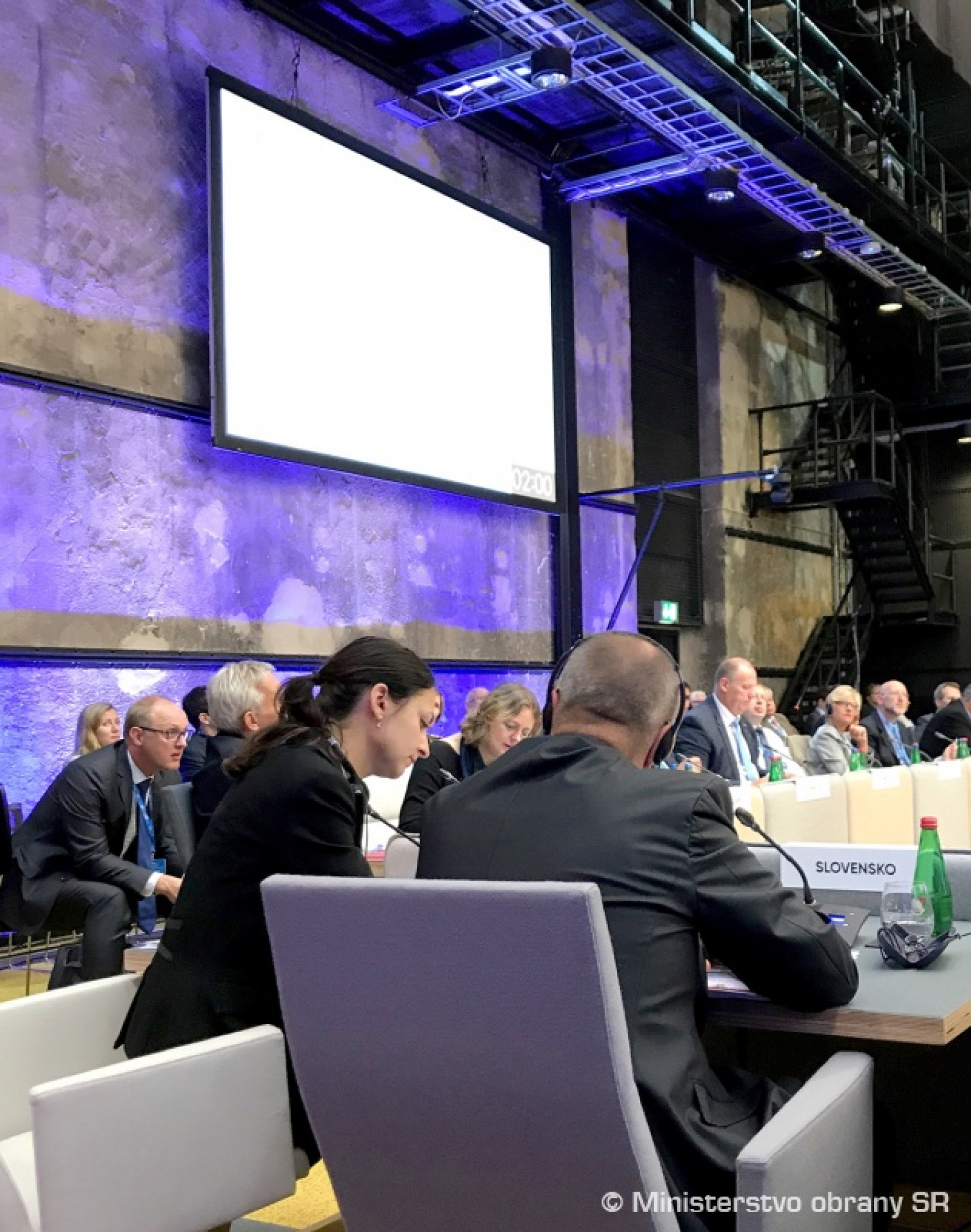
The informal meeting of EU Defence Ministers in Estonia's Tallinn was dominated by the Permanent Structured Cooperation (PESCO) initiative and a response to a simulated cyber attack. As part of the Foreign Affairs Council (FAC) meeting in the format of EU Defence Ministers, the Ministers took part in Exercise EU CYBRID 2017, where they reacted to a simulated cyber attack on the EU's military structures. NATO Secretary General Jens Stoltenberg participated as an observer in the cyber exercise.
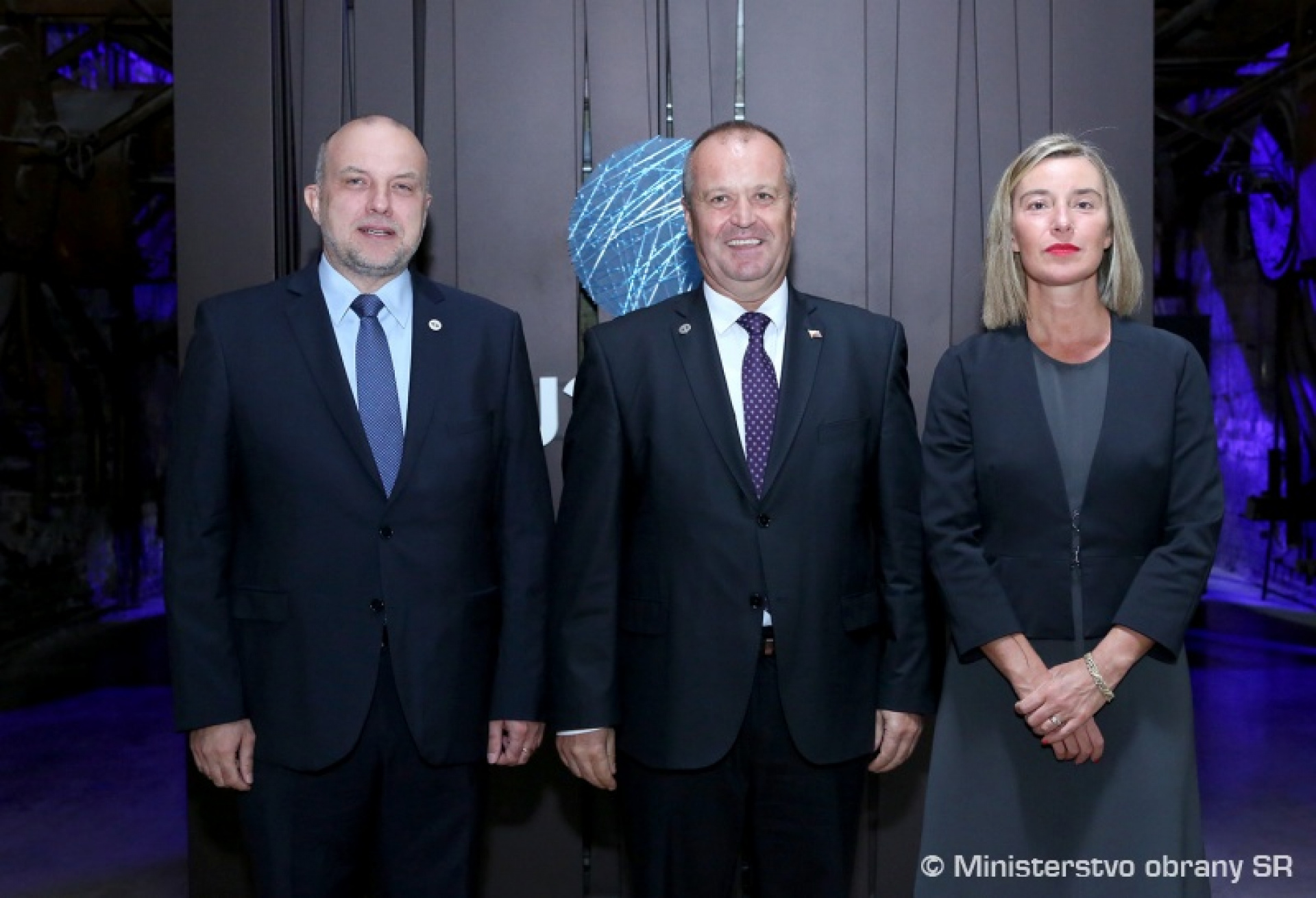
On EU-NATO relations, SVK Minister of Defence Peter Gajdoš said: “We consider the cooperation between the EU and NATO in the field of cyber defence to be of great importance. We voiced this opinion already throughout the Slovak Presidency of the Council of the EU. Joint exercises like this definitely enhance resilience against cyber attacks, therefore I believe they will go on.”
Permanent Structured Cooperation (PESCO), Coordinated Annual Review on Defence (CARD), and European Defence Fund (EDF) were high on the agenda in Estonia, where Head of the SVK MOD confirmed that the initiatives have been given full political backing in Slovakia and that we want to be one of the founding members of PESCO. “In the field of security and defence we must clearly focus on delivering solutions within the EU, stepping up cooperation, and increasing the level of interoperability of European defence capabilities,” he emphasised.
The Ministers delved into the security challenges in the SAHEL and in the Horn of Africa, especially in the context of utilising the Common Security and Defence Policy (CSDP) missions and operations. “We must exploit this potential to a full extent and strengthen our engagement there where security threats and instability arise. Towards this end, we unanimously support the EU's complex approach to the regions,” said Head of the Slovak MOD. In this connection, he recalled our contribution to EUNAVFOR MED Op Sophia in the Mediterranean Sea.
On EU-NATO relations, SVK Minister of Defence Peter Gajdoš said: “We consider the cooperation between the EU and NATO in the field of cyber defence to be of great importance. We voiced this opinion already throughout the Slovak Presidency of the Council of the EU. Joint exercises like this definitely enhance resilience against cyber attacks, therefore I believe they will go on.”
Permanent Structured Cooperation (PESCO), Coordinated Annual Review on Defence (CARD), and European Defence Fund (EDF) were high on the agenda in Estonia, where Head of the SVK MOD confirmed that the initiatives have been given full political backing in Slovakia and that we want to be one of the founding members of PESCO. “In the field of security and defence we must clearly focus on delivering solutions within the EU, stepping up cooperation, and increasing the level of interoperability of European defence capabilities,” he emphasised.
The Ministers delved into the security challenges in the SAHEL and in the Horn of Africa, especially in the context of utilising the Common Security and Defence Policy (CSDP) missions and operations. “We must exploit this potential to a full extent and strengthen our engagement there where security threats and instability arise. Towards this end, we unanimously support the EU's complex approach to the regions,” said Head of the Slovak MOD. In this connection, he recalled our contribution to EUNAVFOR MED Op Sophia in the Mediterranean Sea.