P. Gajdoš: Defence and security cannot be subject to political wrangling
- Author:
- Photo:
- Date: 12.10.2017
- Share: Zdieľať na Facebook
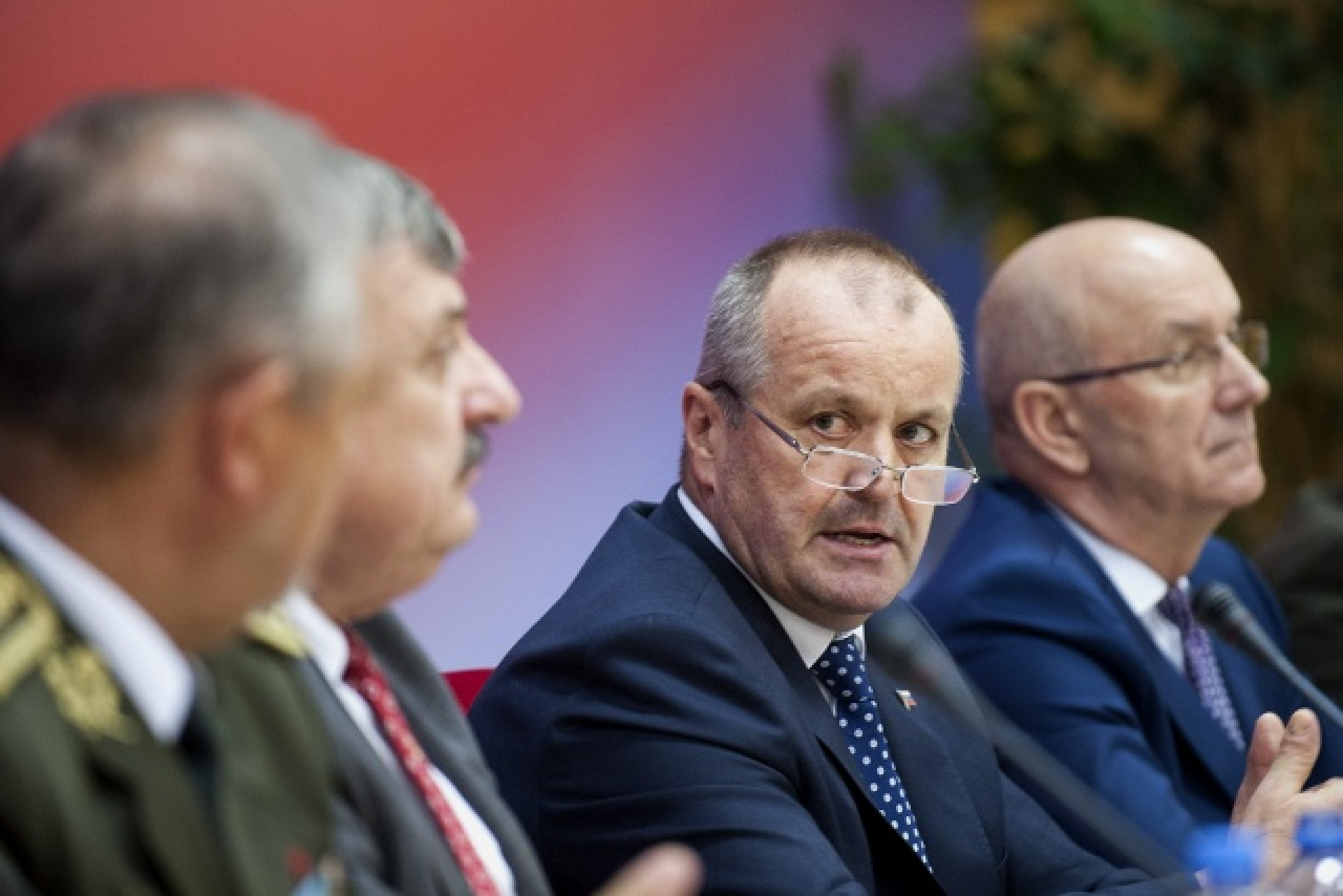
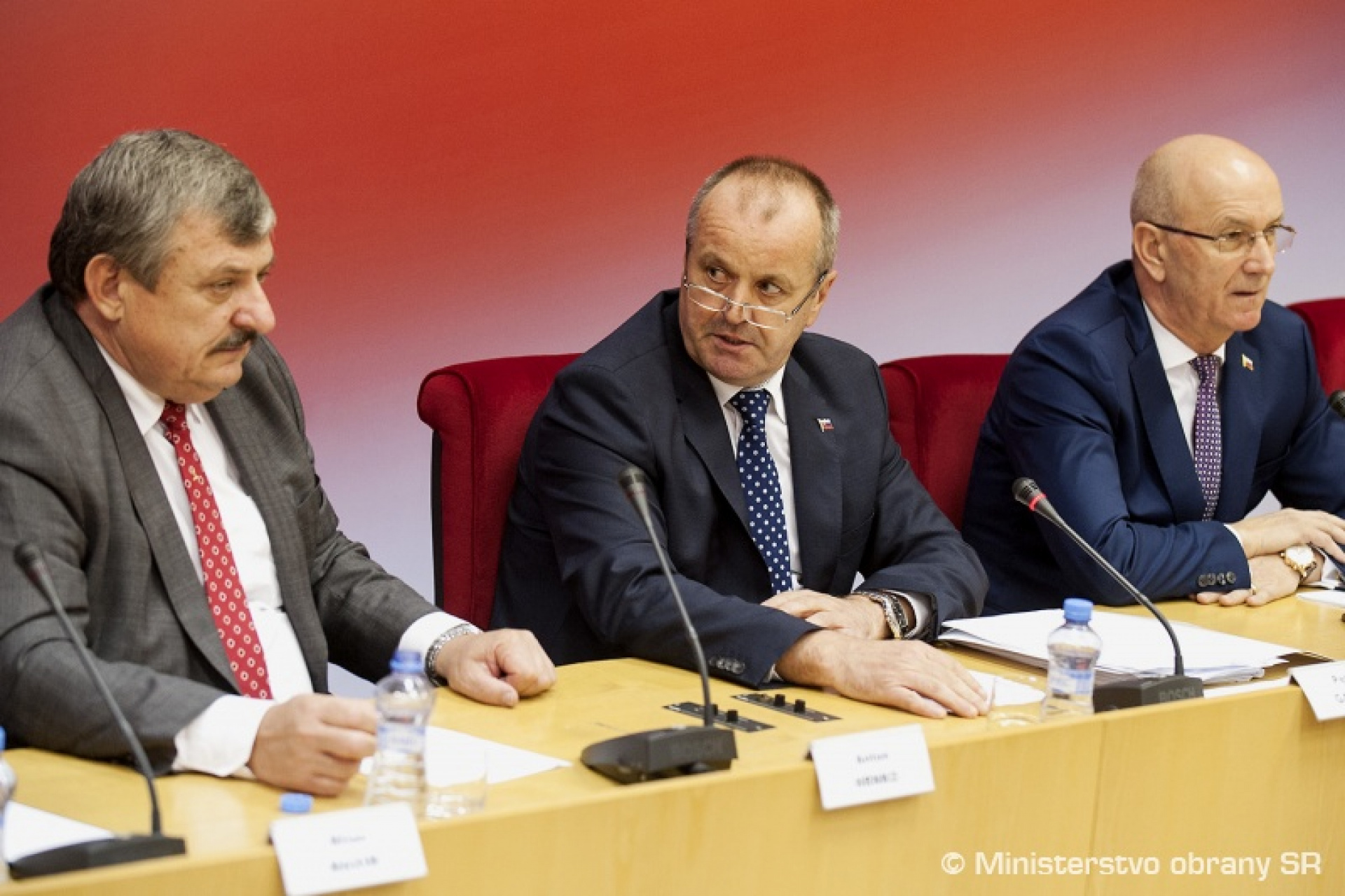
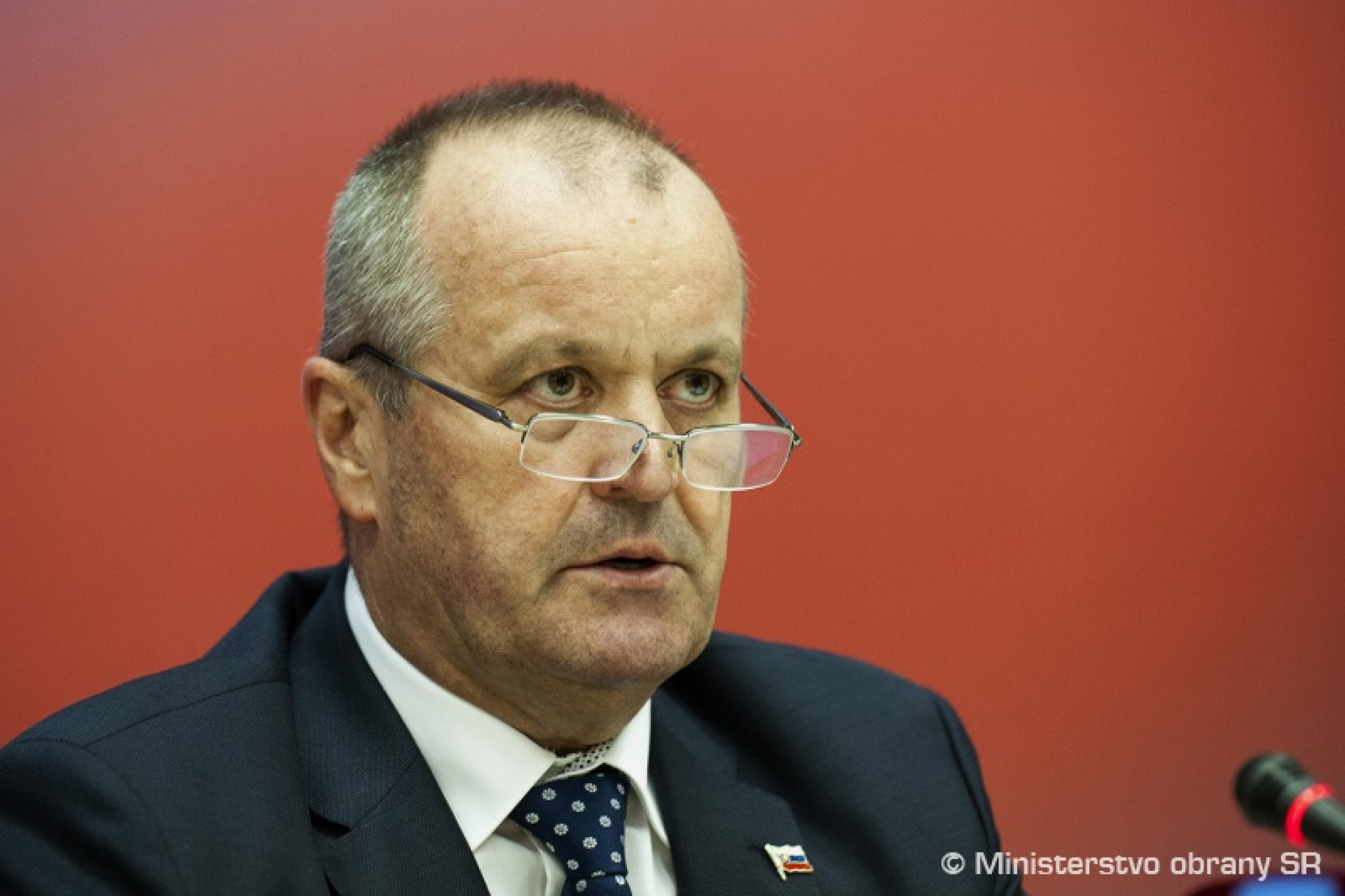
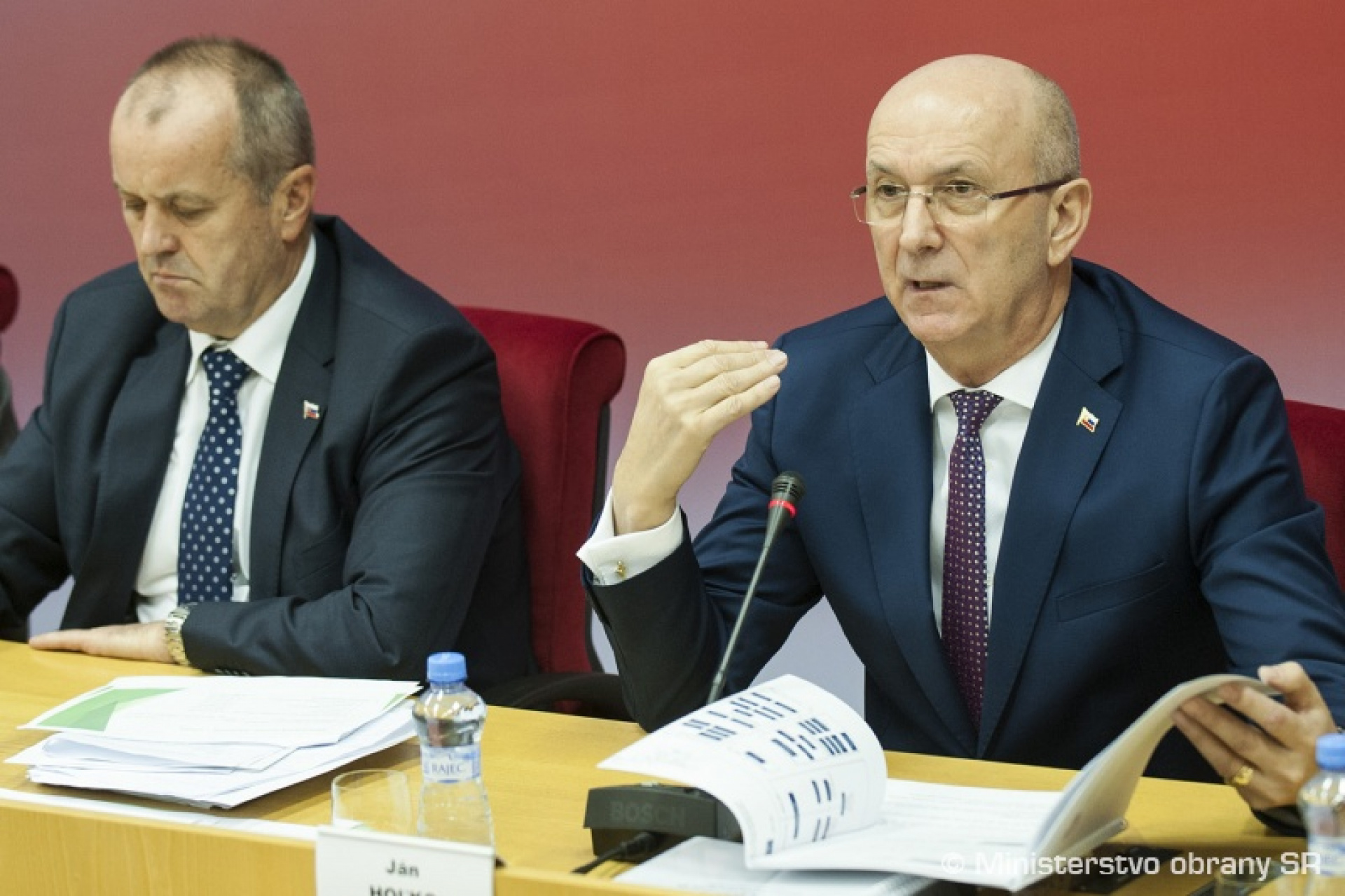
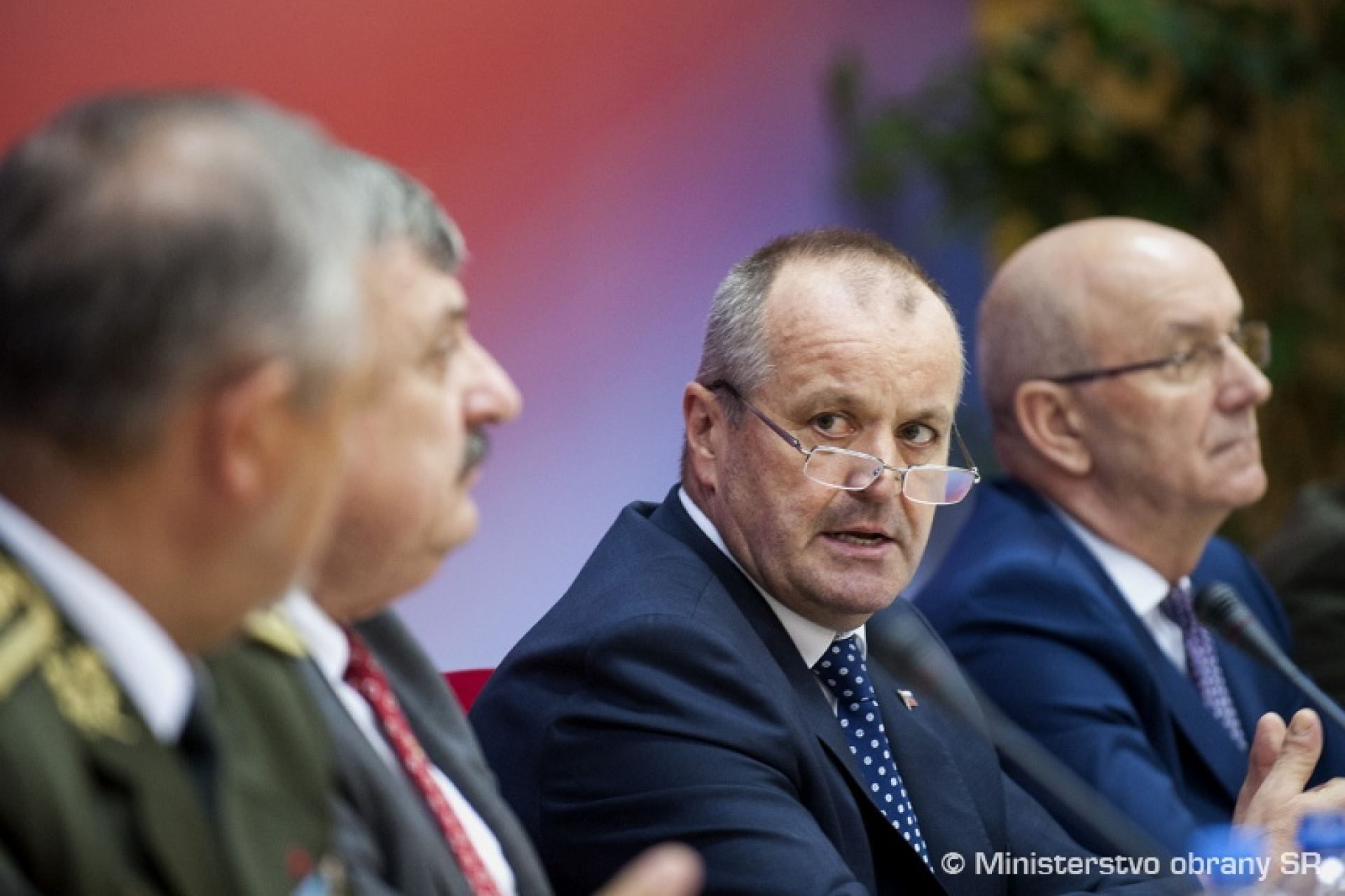
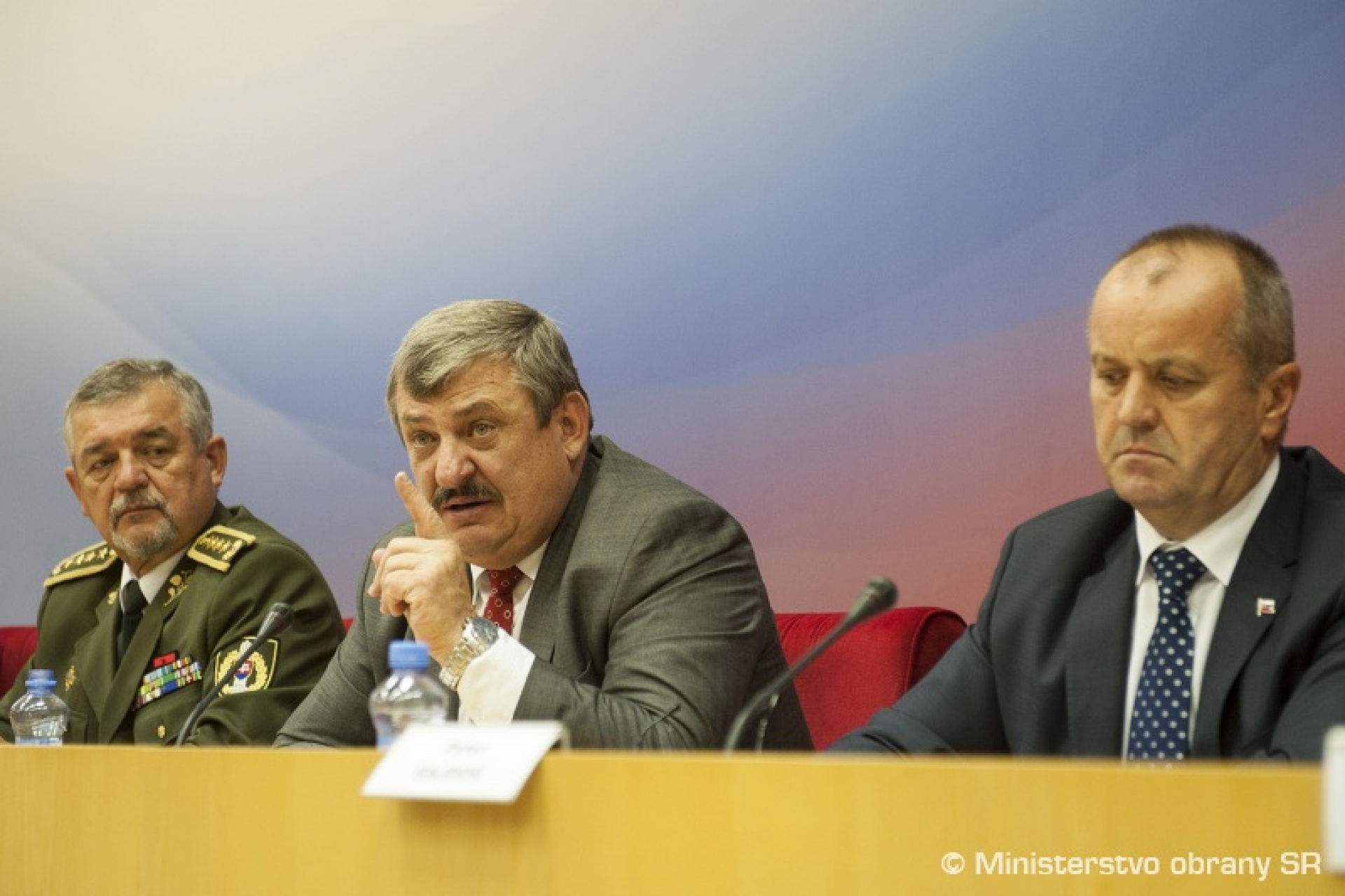
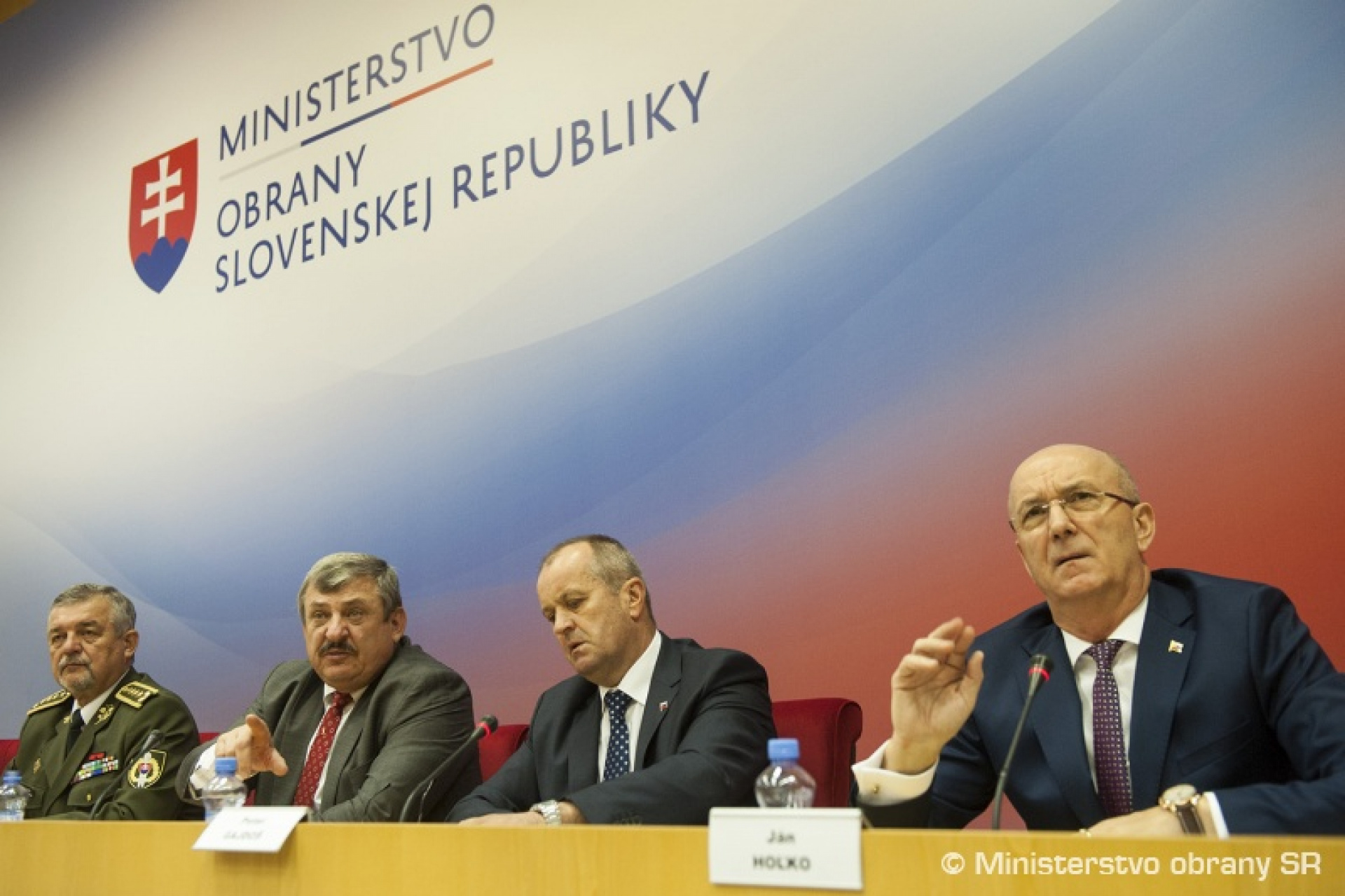
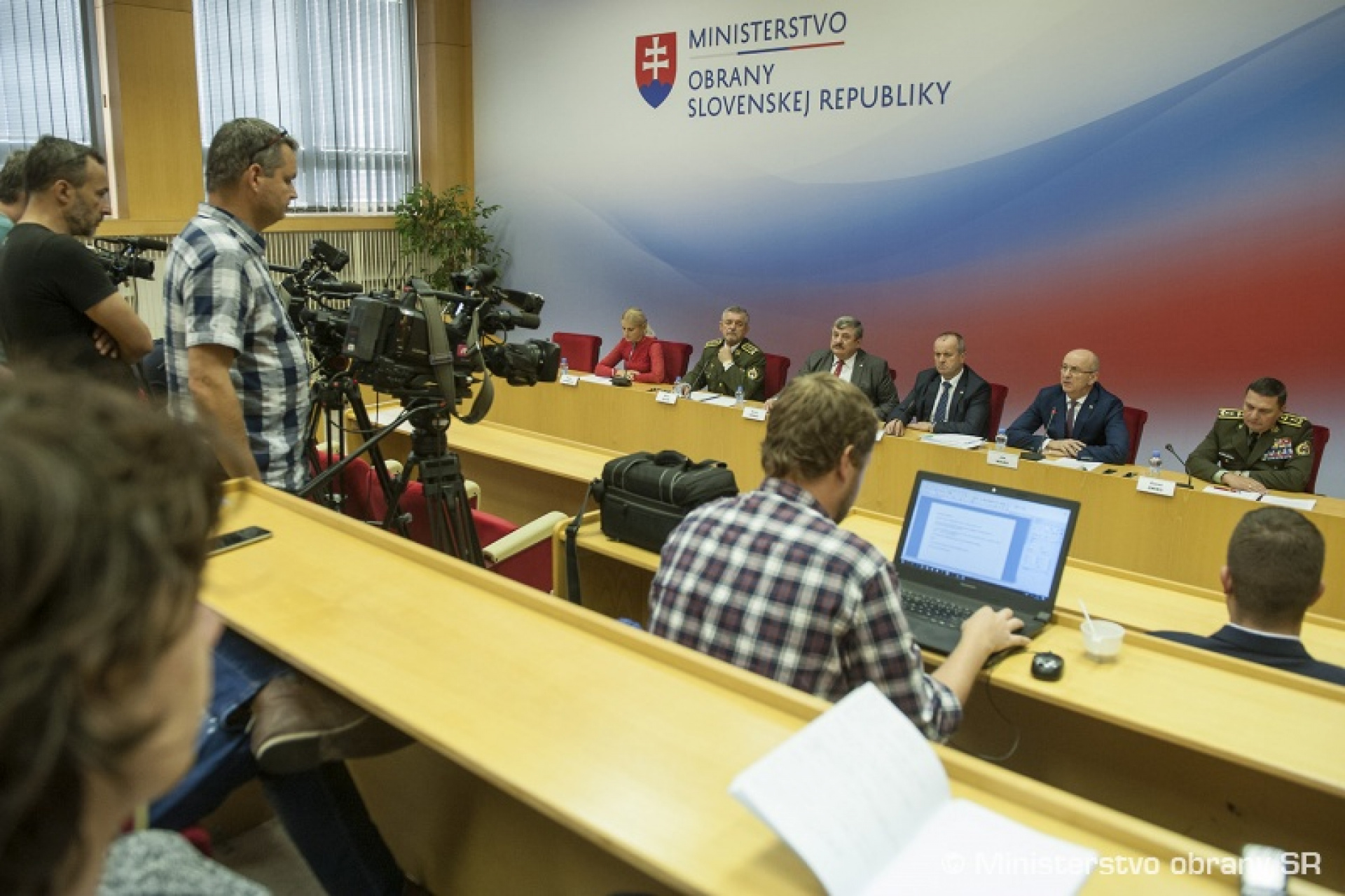
The defence of the Slovak Republic and the security of Slovak citizens cannot be subject to political wrangling. This message was communicated by SVK Minister of Defence Peter Gajdoš at a press conference, where he together with Chairman of the Parliamentary Committee on Defence and Security/Deputy Chairman of the Slovak National Party (SNS) Anton Hrnko and representatives of the SVK MOD presented strategic documents to the public. The Defence and Military Strategies of the Slovak Republic and the Long-Term Defence Development Plan with Emphasis on Building and Developing the SVK Armed Forces with an Outlook to 2030 were approved last week by the SVK Security Council and Government and are now on their way to Parliament.
Head of the SVK MOD said: “I want to thank members of the SVK Security Council and Government for having approved the documents last week. Likewise, I believe we will shore up support among Members of Parliament across the political spectrum.” He further emphasised that the priority of the SVK MOD under the Slovak National Party (SNS) leadership is to continue building and developing the SVK Armed Forces systemically and systematically. “Ultimately, we want the Armed Forces to be modern, fully mission capable and trustworthy, whilst offering adequate potential, and being capable of delivering the defence of the Slovak Republic and participating in the collective defence of NATO and the EU,” he noted. At the same time, he stressed the need to involve the Slovak defence industry in the modernisation of the SVK Armed Forces to a maximum extent possible. Thus, the MOD will meet yet another of its SVK Government Manifesto Commitments.
Chairman of the Defence & Security Committee Anton Hrnko appreciated the SNS-led MOD having drawn up the documents. “They are important for the security and future shape of the Armed Forces, because until recently this plan had been completely non-existent for almost 25 years,” he noted. Separately, he highlighted the Long-Term Defence Development Plan, which focuses on the building of the Armed Forces. “According to Article 3 of the Washington Treaty, it is our duty to develop our individual and collective ability to resist an armed attack,” he reminded.
The coordinator for the strategic documents and the chairman of the commission to assess them was General Secretary of the SVK MOD's Service Office Ján Hoľko. “In addition to ensuring the Armed Forces' standard day-to-day activity, we have, from the very beginning, paid maximum attention to efforts to process the said strategic documents in the shortest time possible and at a required level of quality,” he emphasised. Partly in light of the defence investment plan, he underscored that personnel issues are of equal importance and must be addressed attentively.
“Here we must deal with in-depth analyses rather than statements on the need to increase military pay. For sure, we will have to go back to 2006 or even before, when the political decision was made for the Armed Forces to go fully professional virtually from evening to morning,”noted the General Secretary, adding that the current state of affairs requires an analysis to look into what this process has brought, what motivates individuals, and how the entire personnel replacement system has changed.
On the Military Strategy of the Slovak Republic, Chief of Defence Gen Milan Maxim said that it characterises the functionalities and capacities that must be catered for through specific capabilities of the Armed Forces, including the command and control (C2) system, the Army – Combat Arms (CA) units, Combat Support (CS) units, Combat Service Support (CSS) units, military medical units; the SVK Air Force; and the Special Operations Forces (SOF). “For tactical units, the ongoing long-term transformation aims to deliver higher mobility, resilience, fire efficiency, usability, sustainability, flexibility and interoperability, as well as boosting their ability to conduct missions in a variety of geographical and climatic conditions,” accentuated Gen Maxim.
Head of the SVK MOD said: “I want to thank members of the SVK Security Council and Government for having approved the documents last week. Likewise, I believe we will shore up support among Members of Parliament across the political spectrum.” He further emphasised that the priority of the SVK MOD under the Slovak National Party (SNS) leadership is to continue building and developing the SVK Armed Forces systemically and systematically. “Ultimately, we want the Armed Forces to be modern, fully mission capable and trustworthy, whilst offering adequate potential, and being capable of delivering the defence of the Slovak Republic and participating in the collective defence of NATO and the EU,” he noted. At the same time, he stressed the need to involve the Slovak defence industry in the modernisation of the SVK Armed Forces to a maximum extent possible. Thus, the MOD will meet yet another of its SVK Government Manifesto Commitments.
Chairman of the Defence & Security Committee Anton Hrnko appreciated the SNS-led MOD having drawn up the documents. “They are important for the security and future shape of the Armed Forces, because until recently this plan had been completely non-existent for almost 25 years,” he noted. Separately, he highlighted the Long-Term Defence Development Plan, which focuses on the building of the Armed Forces. “According to Article 3 of the Washington Treaty, it is our duty to develop our individual and collective ability to resist an armed attack,” he reminded.
The coordinator for the strategic documents and the chairman of the commission to assess them was General Secretary of the SVK MOD's Service Office Ján Hoľko. “In addition to ensuring the Armed Forces' standard day-to-day activity, we have, from the very beginning, paid maximum attention to efforts to process the said strategic documents in the shortest time possible and at a required level of quality,” he emphasised. Partly in light of the defence investment plan, he underscored that personnel issues are of equal importance and must be addressed attentively.
“Here we must deal with in-depth analyses rather than statements on the need to increase military pay. For sure, we will have to go back to 2006 or even before, when the political decision was made for the Armed Forces to go fully professional virtually from evening to morning,”noted the General Secretary, adding that the current state of affairs requires an analysis to look into what this process has brought, what motivates individuals, and how the entire personnel replacement system has changed.
On the Military Strategy of the Slovak Republic, Chief of Defence Gen Milan Maxim said that it characterises the functionalities and capacities that must be catered for through specific capabilities of the Armed Forces, including the command and control (C2) system, the Army – Combat Arms (CA) units, Combat Support (CS) units, Combat Service Support (CSS) units, military medical units; the SVK Air Force; and the Special Operations Forces (SOF). “For tactical units, the ongoing long-term transformation aims to deliver higher mobility, resilience, fire efficiency, usability, sustainability, flexibility and interoperability, as well as boosting their ability to conduct missions in a variety of geographical and climatic conditions,” accentuated Gen Maxim.