55 candidates sign up for the Active Reserves, the Active Reserves (Amendment) Act is already under discussion in interdepartmental consultations
- Author:
- Photo:
- Date: 18.10.2017
- Share: Zdieľať na Facebook
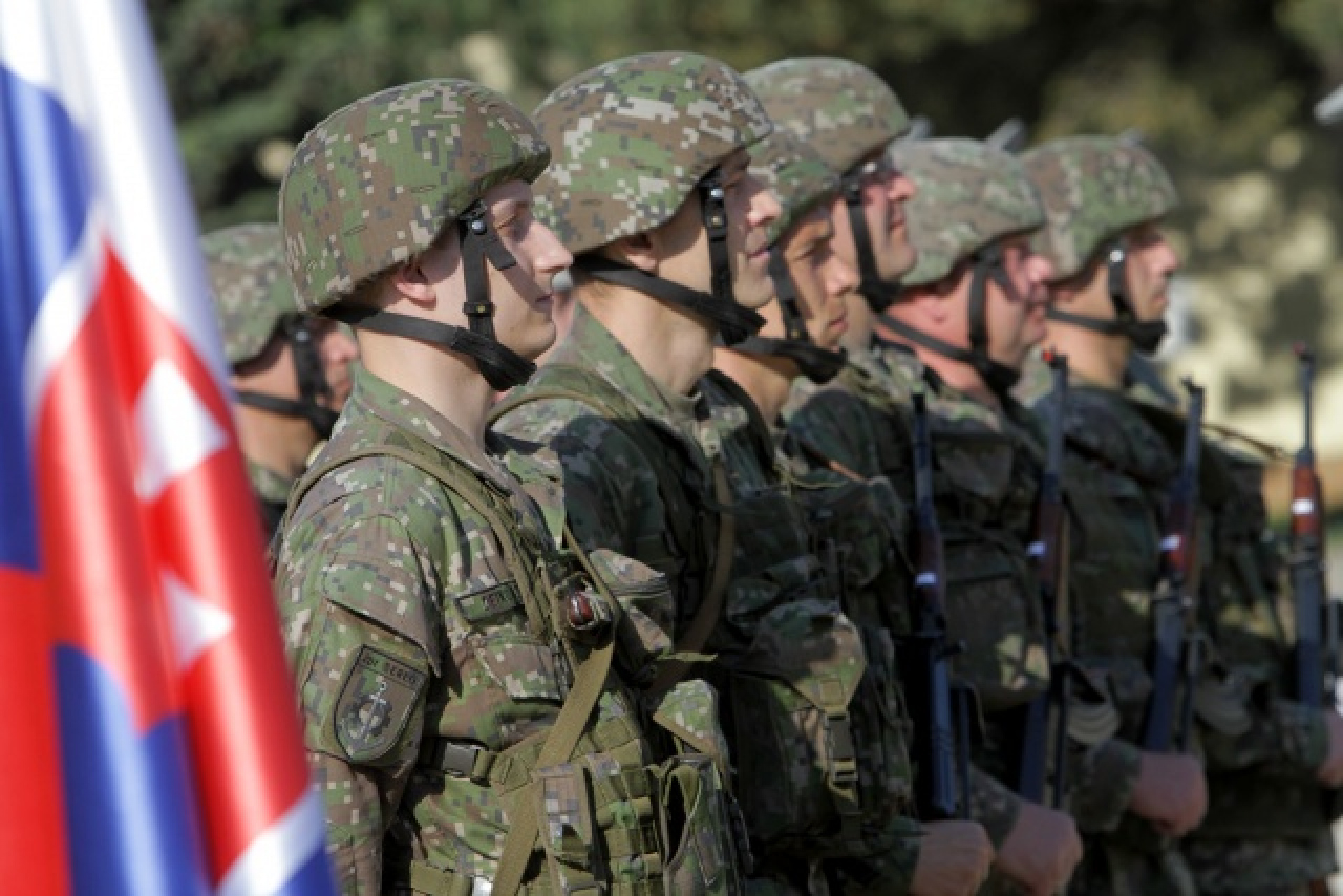
55 people have signed up for the Active Reserves project in the second year of its existence. This means the Armed Forces will fall short of the intended target to train up to 219 soldiers in the Reserve. For this reason, the MOD leaders are initiating an amendment act, so that more potential candidates can meet the entry conditions.
Commenting on the situation, SVK Minister of Defence Peter Gajdoš said: “Being unable to meet the set target, of course, we admit one cannot speak of success. But already back then when we launched the selection process, we made the point that there was a need for an amendment act. And it is now in the process of going through interdepartmental consultations. I believe we will upgrade the conditions so that more candidates can fulfil the criteria, because a lot more people were interested in joining the project at the Army Recruitment Groups.”
Statistically, the highest interest in joining the Active Reserves was reported in the Trnava region (10), while the lowest interest was recorded in the Žilina region (3). A total of 49 men and 6 women applied for the Active Reserves training, of whom 17 were graduates of voluntary military training (VMT).
The candidates for joining the Active Reserves will now be screened to establish whether they meet the requirements, including the legal and psychological ones. Based on the results, the Armed Forces will decide which military occupational specialities (MOS)-specific training programmes – CBRN Branch, Artillery Branch, Engineers Branch – will be opened. The Active Reserves already have 38 soldiers in the engineer MOS.
For remaining in the Active Reserves, each calendar year Active Reservists are entitled to a motivational benefit of €600, which will be payable retrospectively, provided that they have attended at least 75 per cent of the exercises. In addition, they are entitled to proportionate military rank-based pay, as well as to a refund of the travel ticket from the place of residence to the place of assignment and back. The Active Reservists will be accountable for the equipment entrusted to them.
Commenting on the situation, SVK Minister of Defence Peter Gajdoš said: “Being unable to meet the set target, of course, we admit one cannot speak of success. But already back then when we launched the selection process, we made the point that there was a need for an amendment act. And it is now in the process of going through interdepartmental consultations. I believe we will upgrade the conditions so that more candidates can fulfil the criteria, because a lot more people were interested in joining the project at the Army Recruitment Groups.”
Statistically, the highest interest in joining the Active Reserves was reported in the Trnava region (10), while the lowest interest was recorded in the Žilina region (3). A total of 49 men and 6 women applied for the Active Reserves training, of whom 17 were graduates of voluntary military training (VMT).
The candidates for joining the Active Reserves will now be screened to establish whether they meet the requirements, including the legal and psychological ones. Based on the results, the Armed Forces will decide which military occupational specialities (MOS)-specific training programmes – CBRN Branch, Artillery Branch, Engineers Branch – will be opened. The Active Reserves already have 38 soldiers in the engineer MOS.
For remaining in the Active Reserves, each calendar year Active Reservists are entitled to a motivational benefit of €600, which will be payable retrospectively, provided that they have attended at least 75 per cent of the exercises. In addition, they are entitled to proportionate military rank-based pay, as well as to a refund of the travel ticket from the place of residence to the place of assignment and back. The Active Reservists will be accountable for the equipment entrusted to them.
