Active Reserves will be more attractive next year
- Author:
- Photo:
- Date: 29.11.2017
- Share: Zdieľať na Facebook
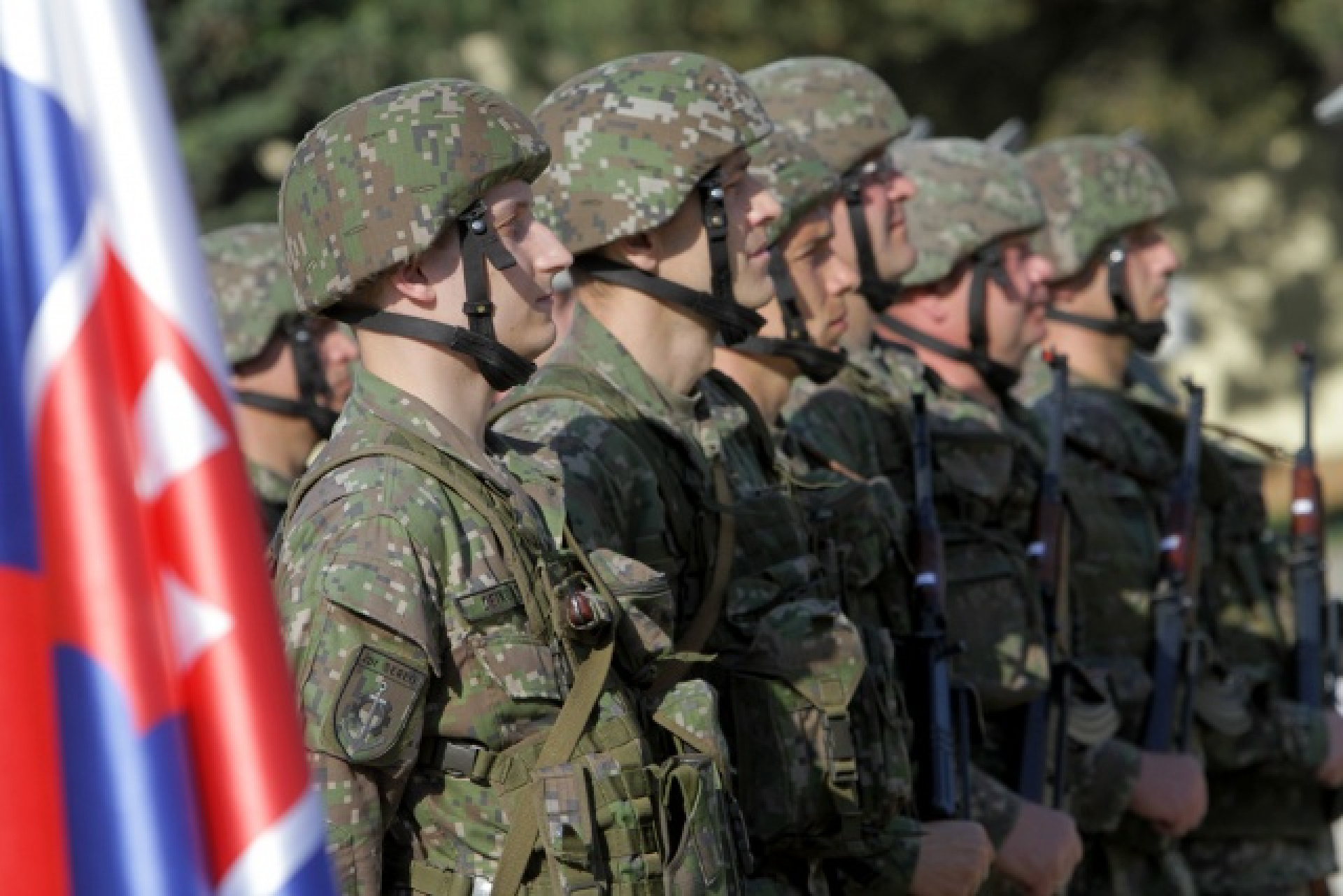
The Active Reserves will be more attractive next year. This ensues from the Conscription Amendment Act. The amendments to the Act were approved today by the SVK Security Council and Cabinet. As from May 2018 active reservists should start training under the new conditions.
On the Conscription Amendment Act, SVK Minister of Defence Peter Gajdoš said: “That there was a need to amend the law we signalled soon after the pilot Active Reserves training project, when we failed to meet the required figures set by the Armed Forces. Under the new scheme, there will be better conditions for the self-employed and, similarly, we have adjusted the scale of military ranks for specific positions so as to allow more soldiers in the Reserve to meet the entry criteria. The Active Reserves project is among the priorities of the SVK MOD and the Slovak National Party alike.”
In practice, this means that the soldiers in the Reserve who hold the rank one below or two higher than the rank required for the specific positions to be assigned to will be allowed to join the Active Reserves.
Drawing on previous experience from the pilot project, the need for salary reimbursement arose not only for employees but also for the self-employed. Another new feature is the repayment of the costs incurred by employers for the payment of premiums for social and public health insurance. At the same time, the Amendment Act specifies that an active reservist is entitled to a commensurate part of rank-based pay only for the period of time spent on regular training or when performing tasks in favour of the SVK Armed Forces.
The Amendment Act further sets out the obligation for active reservists to report changes in the conditions of their assignment to commanders. Another new element is the arrangement of the provisions on non-attendance at regular training activities by active reservists.
On the Conscription Amendment Act, SVK Minister of Defence Peter Gajdoš said: “That there was a need to amend the law we signalled soon after the pilot Active Reserves training project, when we failed to meet the required figures set by the Armed Forces. Under the new scheme, there will be better conditions for the self-employed and, similarly, we have adjusted the scale of military ranks for specific positions so as to allow more soldiers in the Reserve to meet the entry criteria. The Active Reserves project is among the priorities of the SVK MOD and the Slovak National Party alike.”
In practice, this means that the soldiers in the Reserve who hold the rank one below or two higher than the rank required for the specific positions to be assigned to will be allowed to join the Active Reserves.
Drawing on previous experience from the pilot project, the need for salary reimbursement arose not only for employees but also for the self-employed. Another new feature is the repayment of the costs incurred by employers for the payment of premiums for social and public health insurance. At the same time, the Amendment Act specifies that an active reservist is entitled to a commensurate part of rank-based pay only for the period of time spent on regular training or when performing tasks in favour of the SVK Armed Forces.
The Amendment Act further sets out the obligation for active reservists to report changes in the conditions of their assignment to commanders. Another new element is the arrangement of the provisions on non-attendance at regular training activities by active reservists.
