P. Gajdoš: If we want mission capable armed forces, it is necessary to ensure consistency between modernisation and training of soldiers
- Author:
- Photo:
- Date: 21.01.2018
- Share: Zdieľať na Facebook
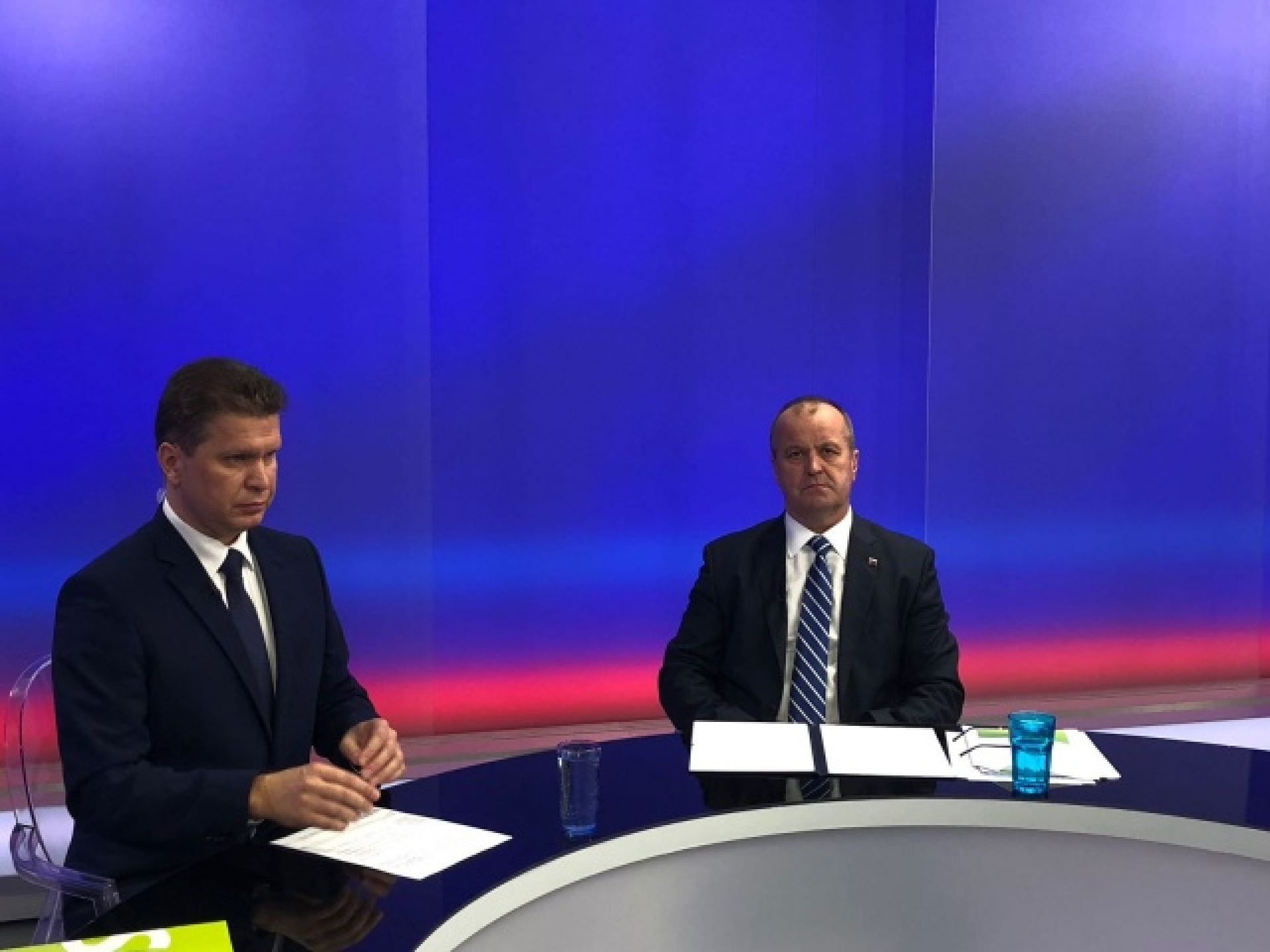
The necessity to modernise the SVK Armed Forces, the improvements in the training conditions of Voluntary Military Training (VMT) soldiers and Active Reservists, and the fulfilment of the SVK Government Manifesto Commitments and the Slovak National Party (SNS) Manifesto – these were the main issues debated “In Politics”, a TA3 TV programme, with the participation of SVK Minister of Defence Peter Gajdoš, who also set out the SVK MOD 2018 priorities, including continuity of meaningful modernisation, and systemic solutions to personnel policy and amendments to the legislation connected therewith.
According to Head of the SVK MOD, aside the ongoing modernisation programmes, it is also important to deliver an adequate standard of quality training to soldiers. “The Voluntary Military Training and Active Reserves projects are equally important for us, because we count on them as a vital component of our countryʼs system of defences. We have committed ourselves to making the projects more efficient in the SVK Government Manifesto and the Slovak National Party (SNS) Manifesto.”
Minister Gajdoš remarked that the SVK MOD wants to see maximum numbers of domestic defence manufacturers involved in modernisation programmes. “This means higher employment rates, more jobs for our citizens, and better economic results,” he stressed. He also acknowledged that the current MOD leaders are pressing ahead with a systemic and systematic modernisation in line with the strategic document Long-Term Defence Development Plan with Emphasis on Building and Developing the SVK Armed Forces with an Outlook to 2030.
From among the SVK MODʼs international obligations, Head of the MOD gave a high priority to PESCO, as the MOD wishes to make Slovakiaʼs EuroArtillery project a success. “At the same time, it continues to apply that we do not want to be a consumer of security, but we want to actively contribute to it, which is exemplified by the numerous deployments of our troops on missions and operations abroad.”
According to Head of the SVK MOD, aside the ongoing modernisation programmes, it is also important to deliver an adequate standard of quality training to soldiers. “The Voluntary Military Training and Active Reserves projects are equally important for us, because we count on them as a vital component of our countryʼs system of defences. We have committed ourselves to making the projects more efficient in the SVK Government Manifesto and the Slovak National Party (SNS) Manifesto.”
Minister Gajdoš remarked that the SVK MOD wants to see maximum numbers of domestic defence manufacturers involved in modernisation programmes. “This means higher employment rates, more jobs for our citizens, and better economic results,” he stressed. He also acknowledged that the current MOD leaders are pressing ahead with a systemic and systematic modernisation in line with the strategic document Long-Term Defence Development Plan with Emphasis on Building and Developing the SVK Armed Forces with an Outlook to 2030.
From among the SVK MODʼs international obligations, Head of the MOD gave a high priority to PESCO, as the MOD wishes to make Slovakiaʼs EuroArtillery project a success. “At the same time, it continues to apply that we do not want to be a consumer of security, but we want to actively contribute to it, which is exemplified by the numerous deployments of our troops on missions and operations abroad.”
