Minister Gajdoš commemorates the end of WWII in one of the last three villages to be liberated in Slovakia
- Author:
- Photo:
- Date: 08.05.2018
- Share: Zdieľať na Facebook
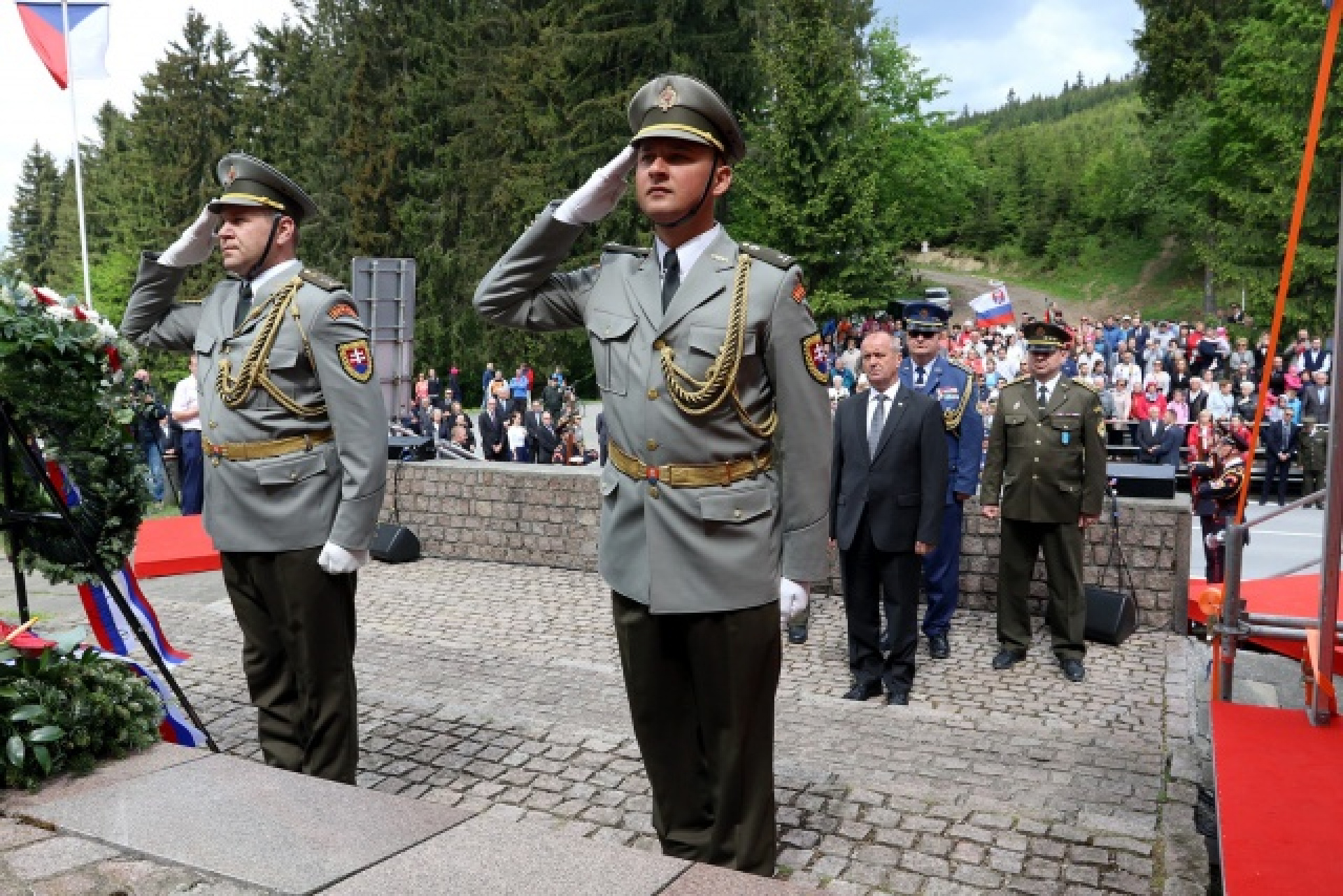
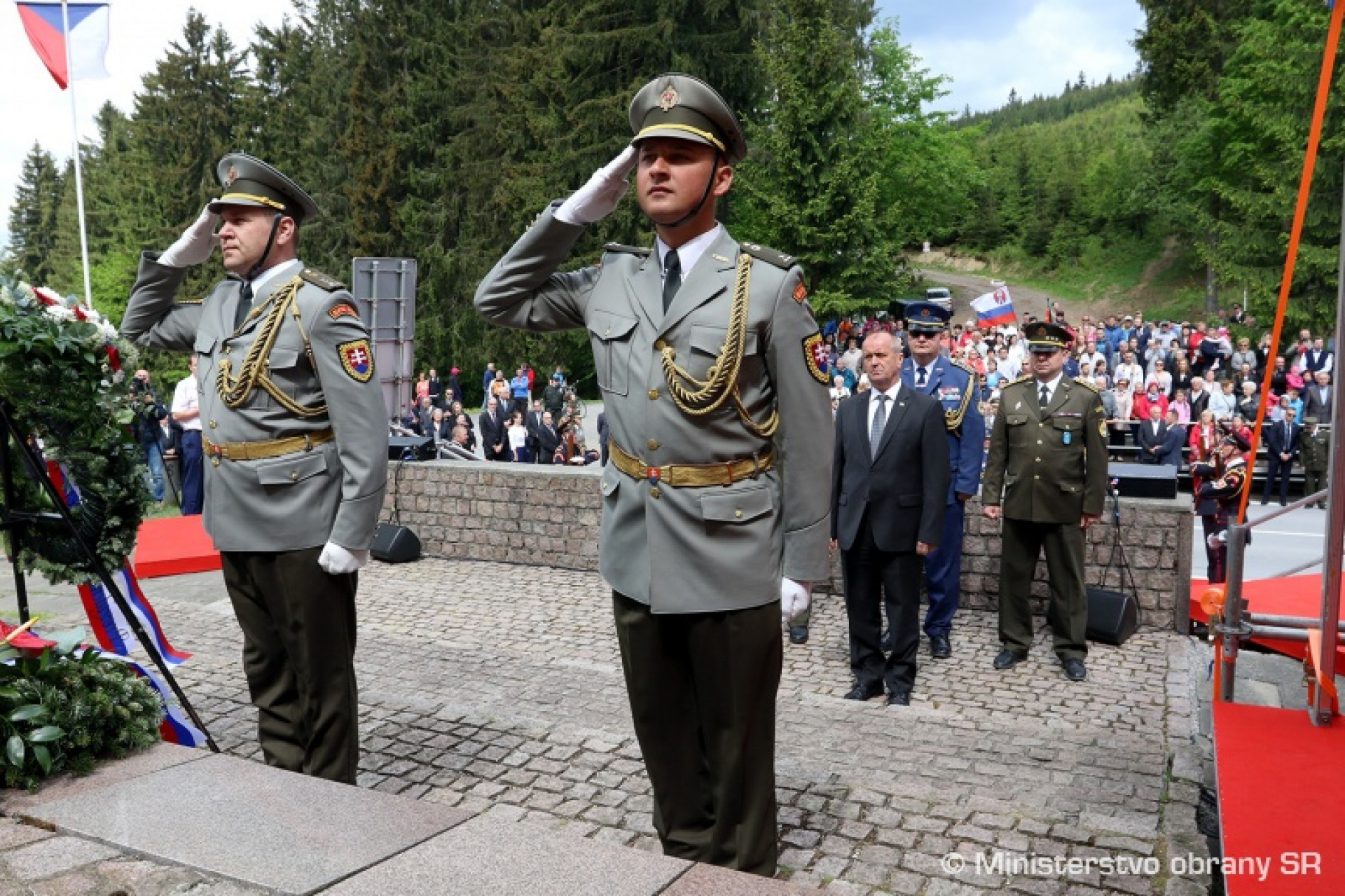
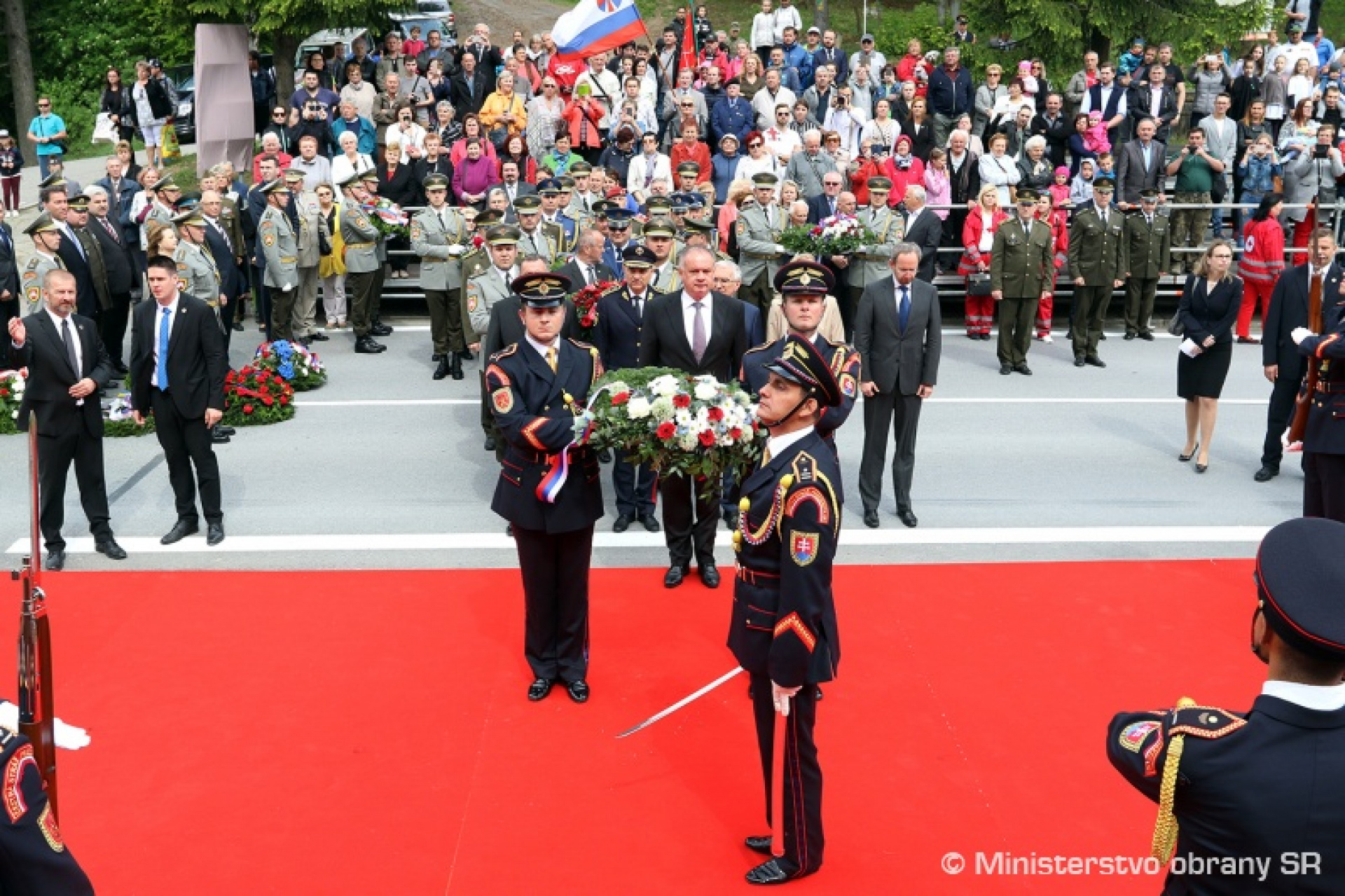
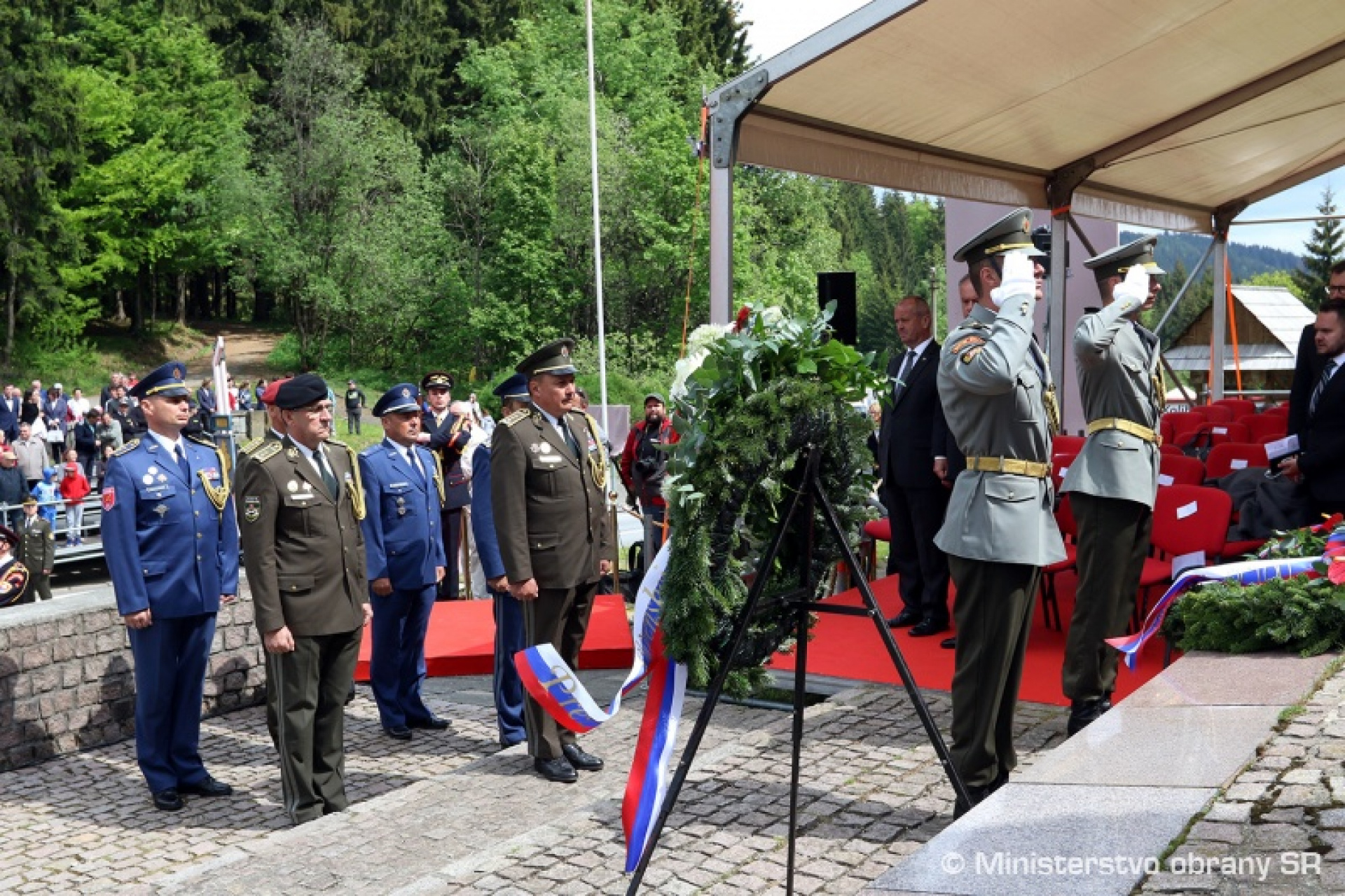
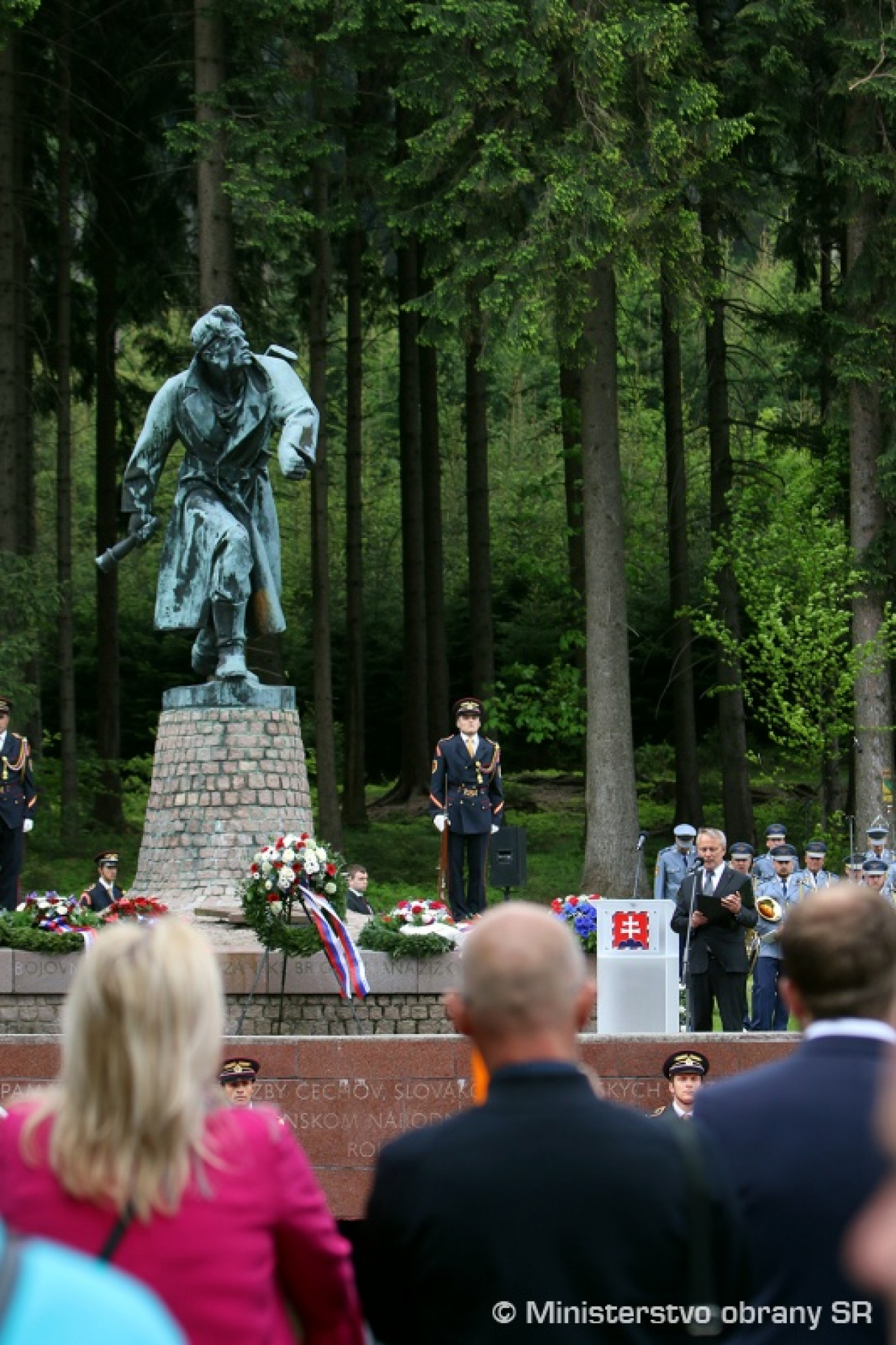
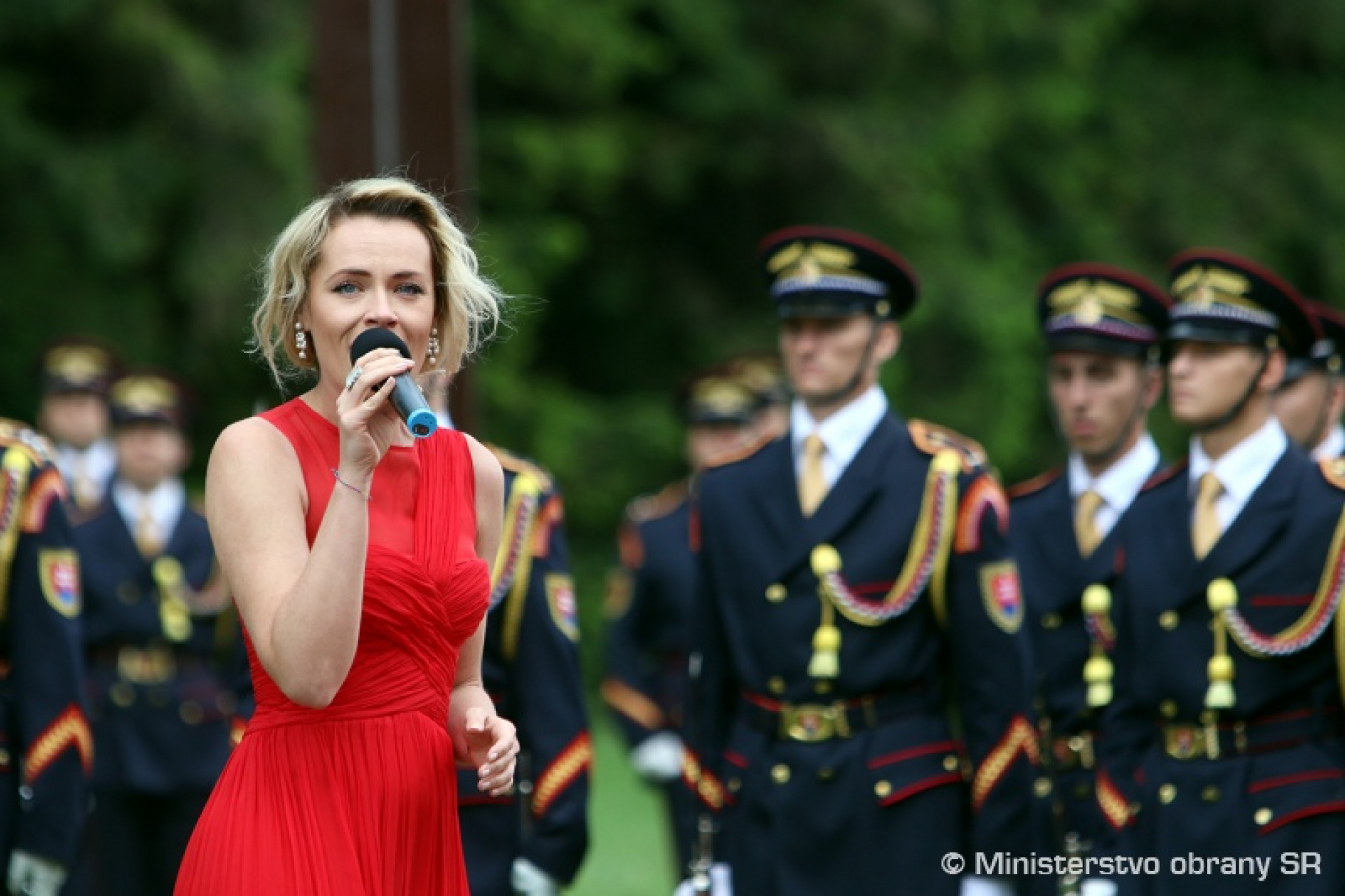
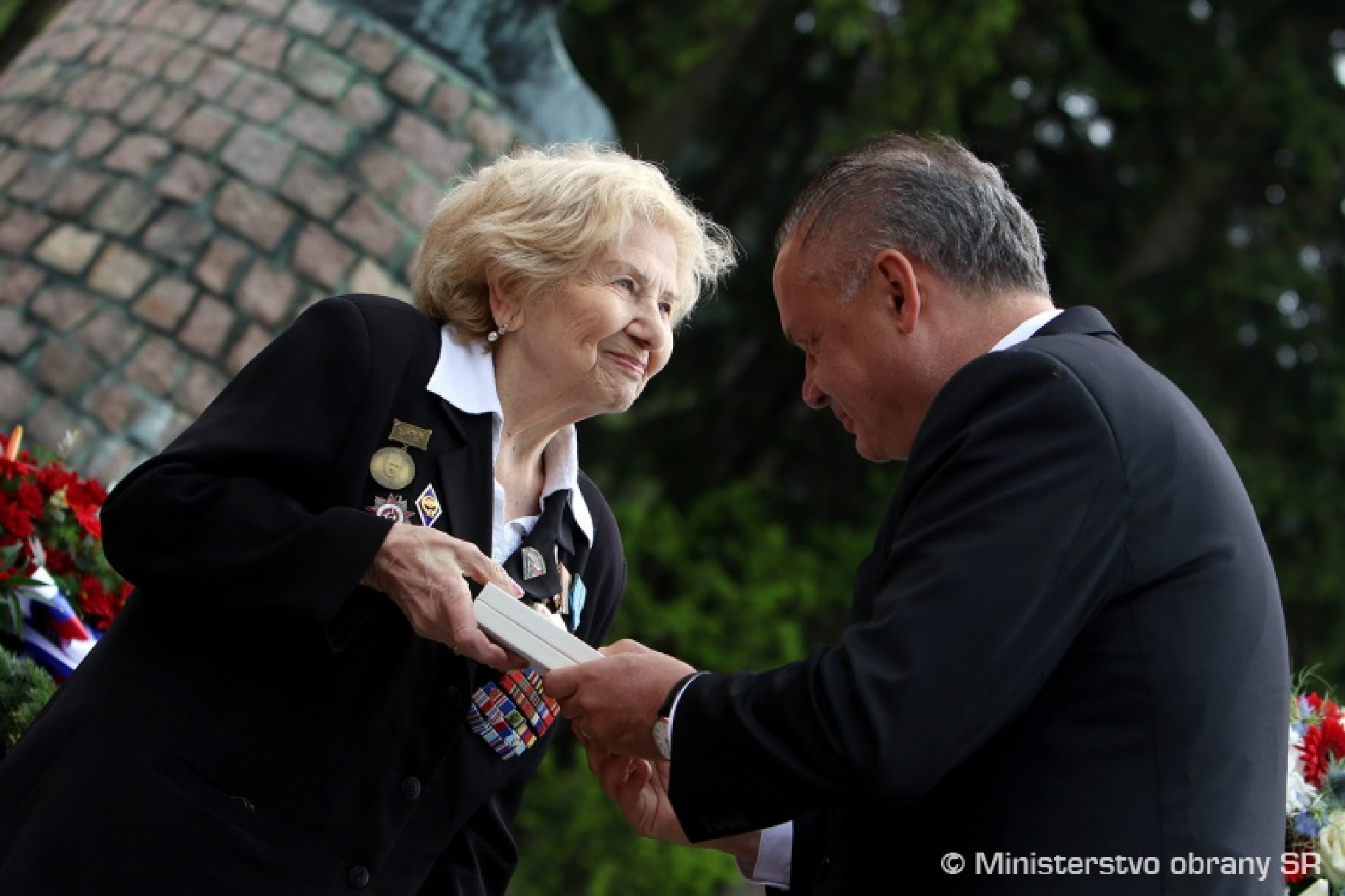
SVK Minister of Defence Peter Gajdoš and President/CinC of the SVK Armed Forces Andrej Kiska today commemorated the 73rd anniversary of the end of WWII in the village of Makov.
SVK Minister of Defence Peter Gajdoš said: “The village of Makov belongs to a group of the last three villages to be liberated from Nazi occupation, where Nazi suppression lasted a little bit longer. That is why I am very glad that we came together here to remember the end of the most horrifying event in history. The Partisan Memorial, built by local residents, will stand as a testament for many generations, reminding them of what terrible consequences Nazism and any extremist way of thinking may have for mankind.”
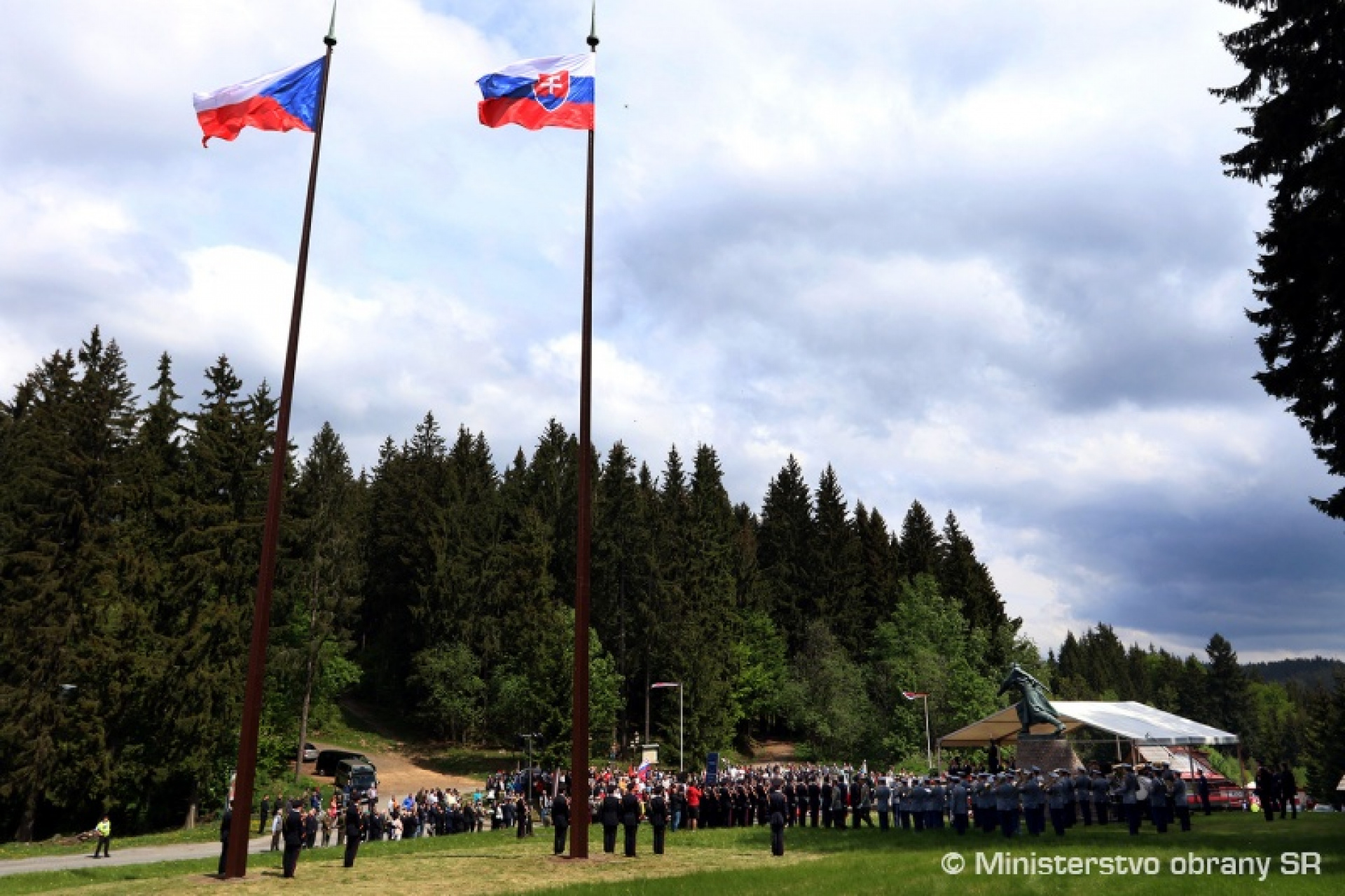
Minister Gajdoš remarked that the village of Makov is a border village which lies close to the border with the Czech Republic. Coinciding with the 100th anniversary of the establishment of Czechoslovakia, the venue for this commemorative event was chosen symbolically to highlight the common history of Czechs and Slovaks.
The villages of Makov, Klokočov and Korňa, located in the district of Čadca, were the last to be liberated in Slovakia. They were liberated from Nazi occupation by units of the 18th Soviet Army, part of the 4th Ukrainian Front, on 3 May 1945, only 5 days before the surrender of Nazi Germany. Villagers put up active partisan resistance in the last years of the war. One of the most famous partisans and natives of Makov was Capt Pavol Bilík who took part in the Slovak National Uprising (SNP) and was executed for his participation in the resistance movement. A mountain chalet (Bilík Mountain Chalet), perched below Hrebienok in the High Tatras, takes its name after Capt Pavol Bilík.
SVK Minister of Defence Peter Gajdoš said: “The village of Makov belongs to a group of the last three villages to be liberated from Nazi occupation, where Nazi suppression lasted a little bit longer. That is why I am very glad that we came together here to remember the end of the most horrifying event in history. The Partisan Memorial, built by local residents, will stand as a testament for many generations, reminding them of what terrible consequences Nazism and any extremist way of thinking may have for mankind.”
Minister Gajdoš remarked that the village of Makov is a border village which lies close to the border with the Czech Republic. Coinciding with the 100th anniversary of the establishment of Czechoslovakia, the venue for this commemorative event was chosen symbolically to highlight the common history of Czechs and Slovaks.
The villages of Makov, Klokočov and Korňa, located in the district of Čadca, were the last to be liberated in Slovakia. They were liberated from Nazi occupation by units of the 18th Soviet Army, part of the 4th Ukrainian Front, on 3 May 1945, only 5 days before the surrender of Nazi Germany. Villagers put up active partisan resistance in the last years of the war. One of the most famous partisans and natives of Makov was Capt Pavol Bilík who took part in the Slovak National Uprising (SNP) and was executed for his participation in the resistance movement. A mountain chalet (Bilík Mountain Chalet), perched below Hrebienok in the High Tatras, takes its name after Capt Pavol Bilík.