P. Gajdoš at EU FAC: In implementing the EuroArtillery project, we want to use the domestic defence industry to the maximum extent
- Author:
- Photo:
- Date: 25.06.2018
- Share: Zdieľať na Facebook
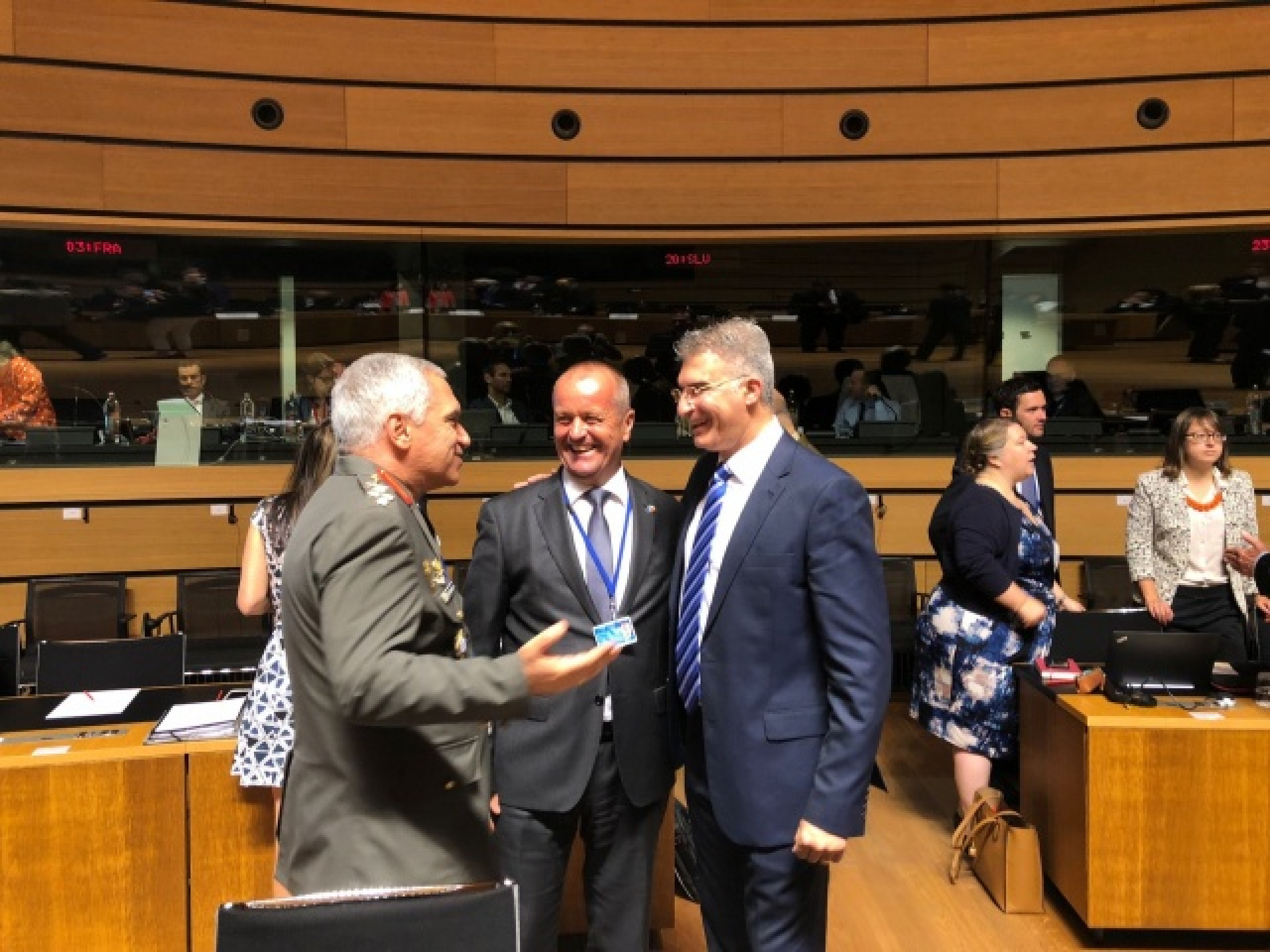
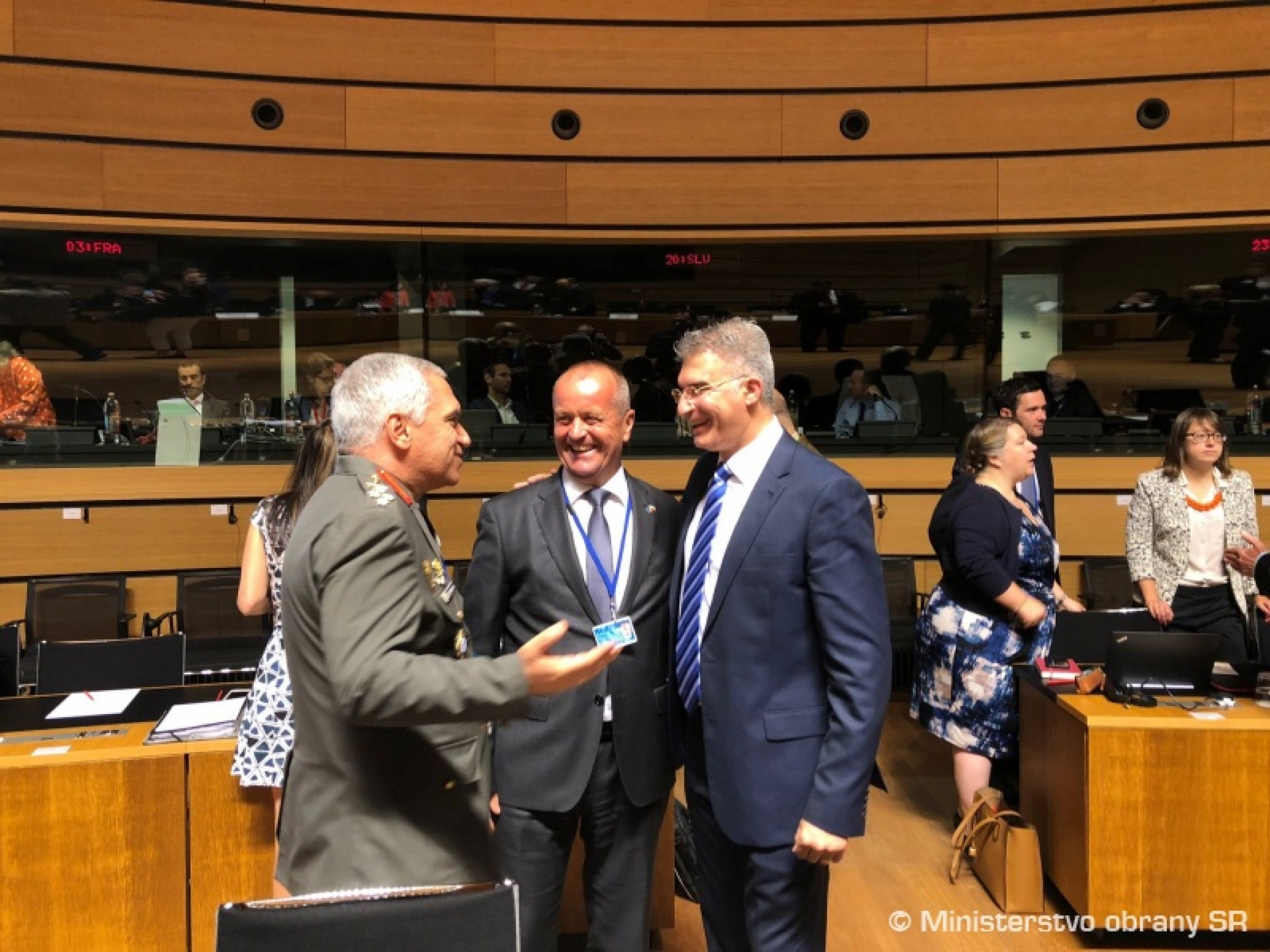
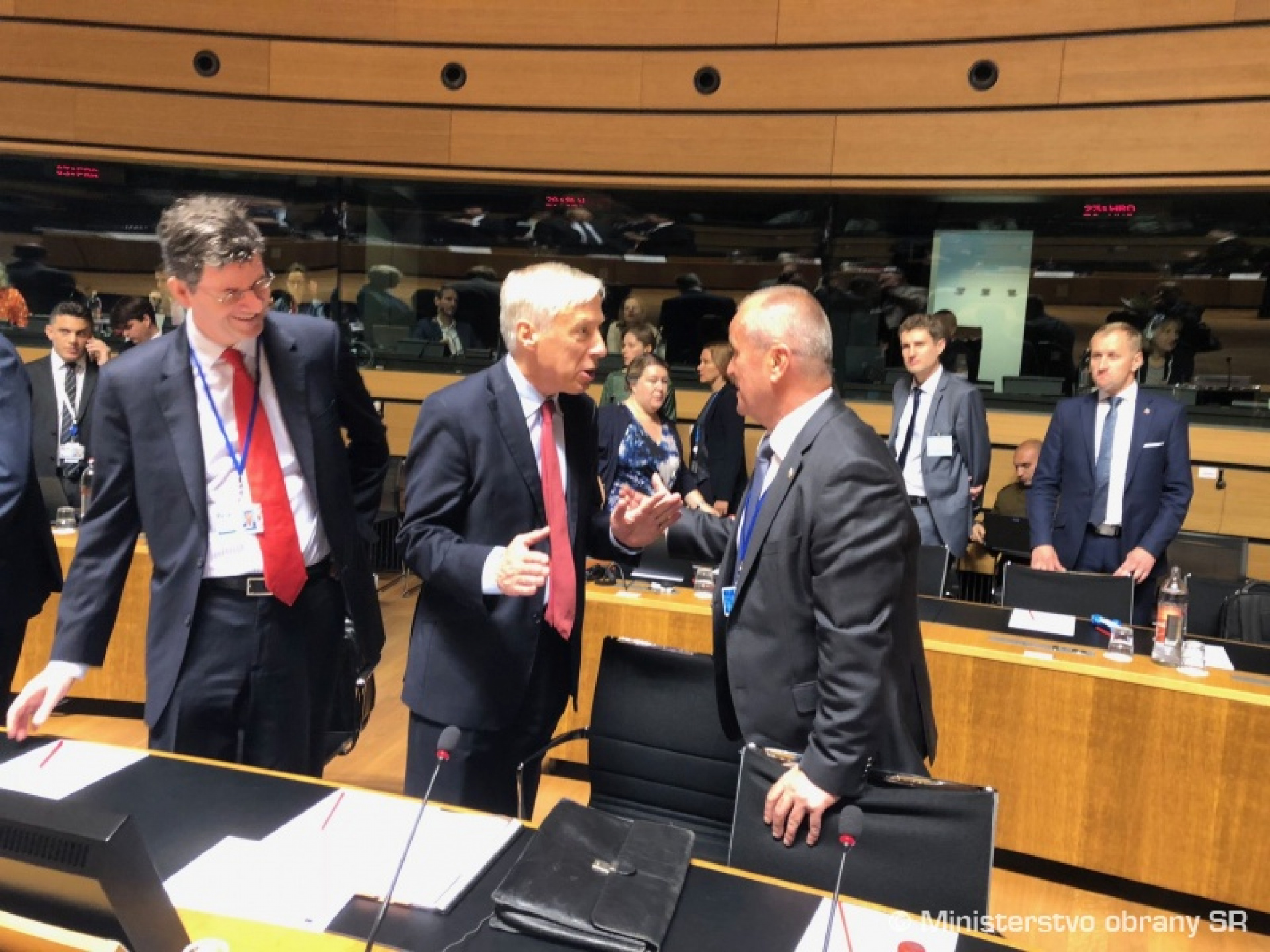
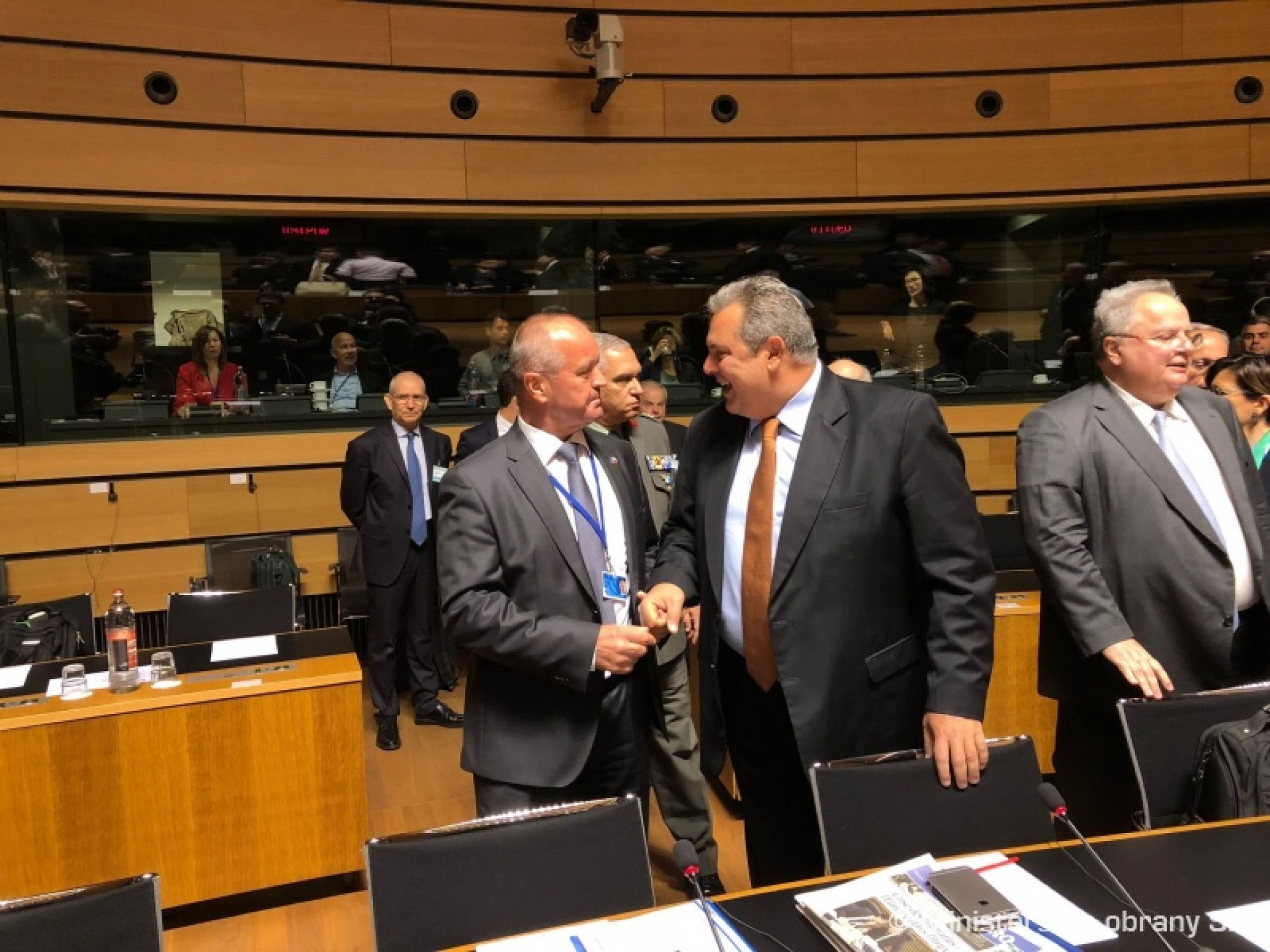
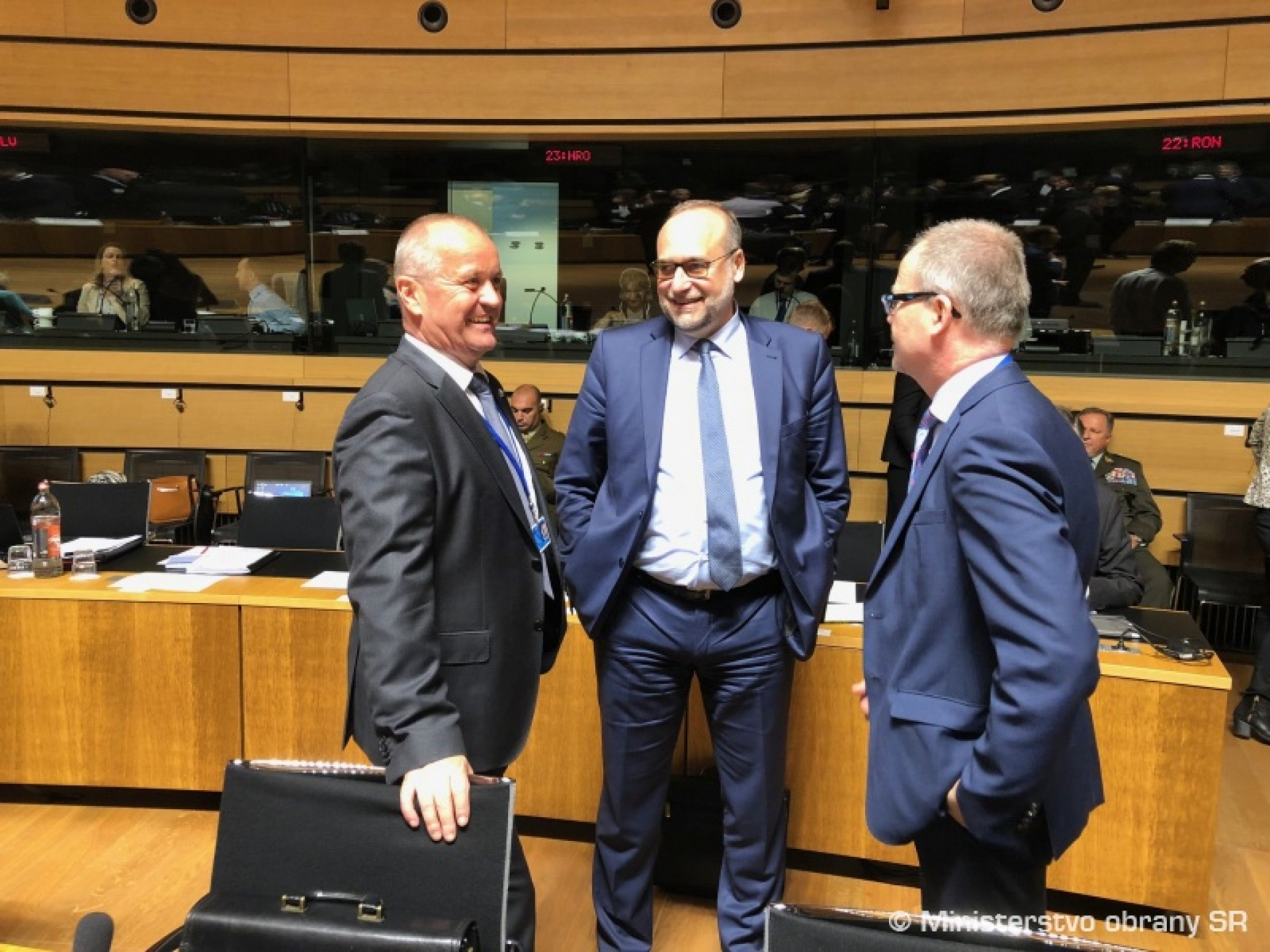
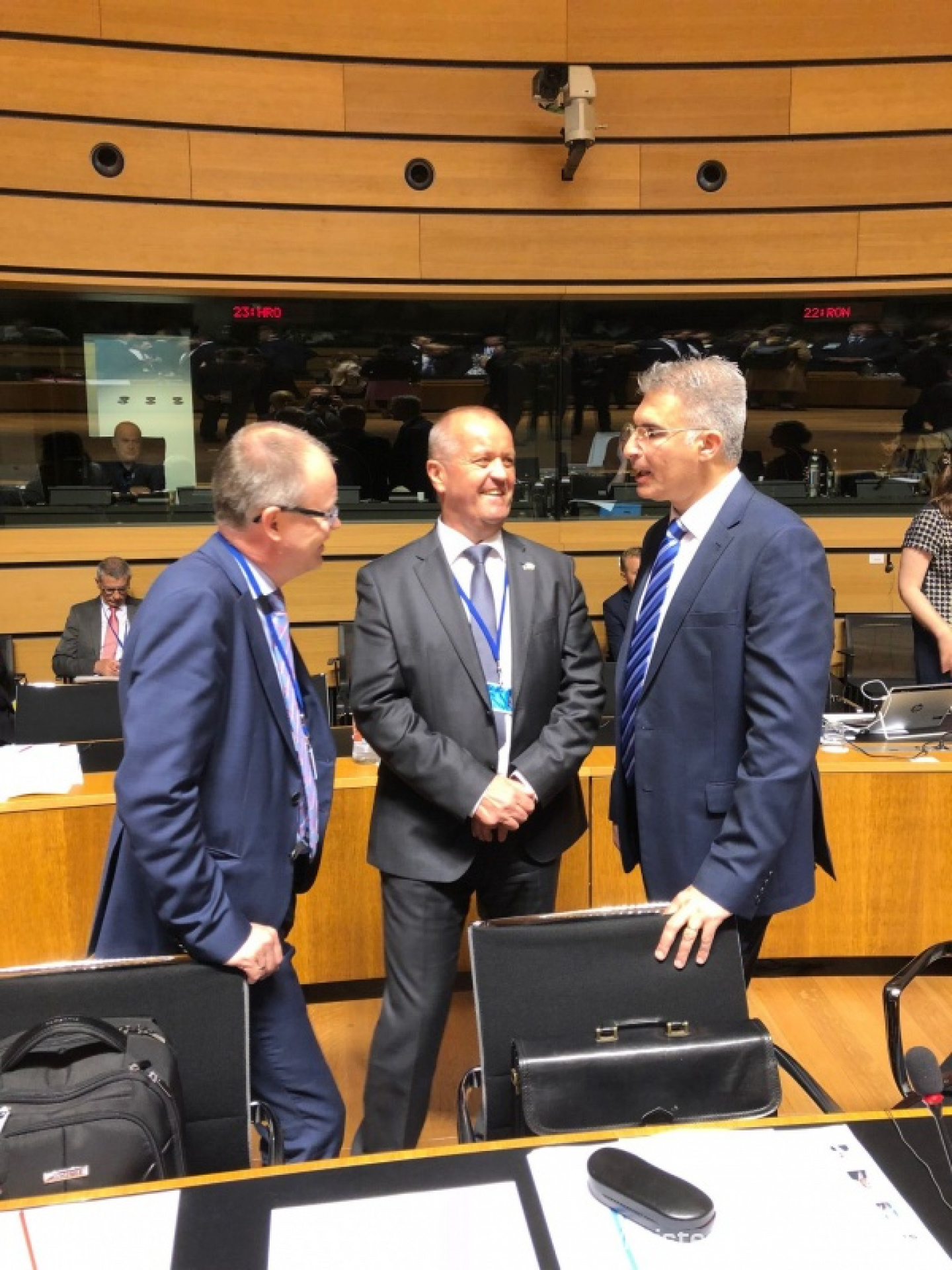
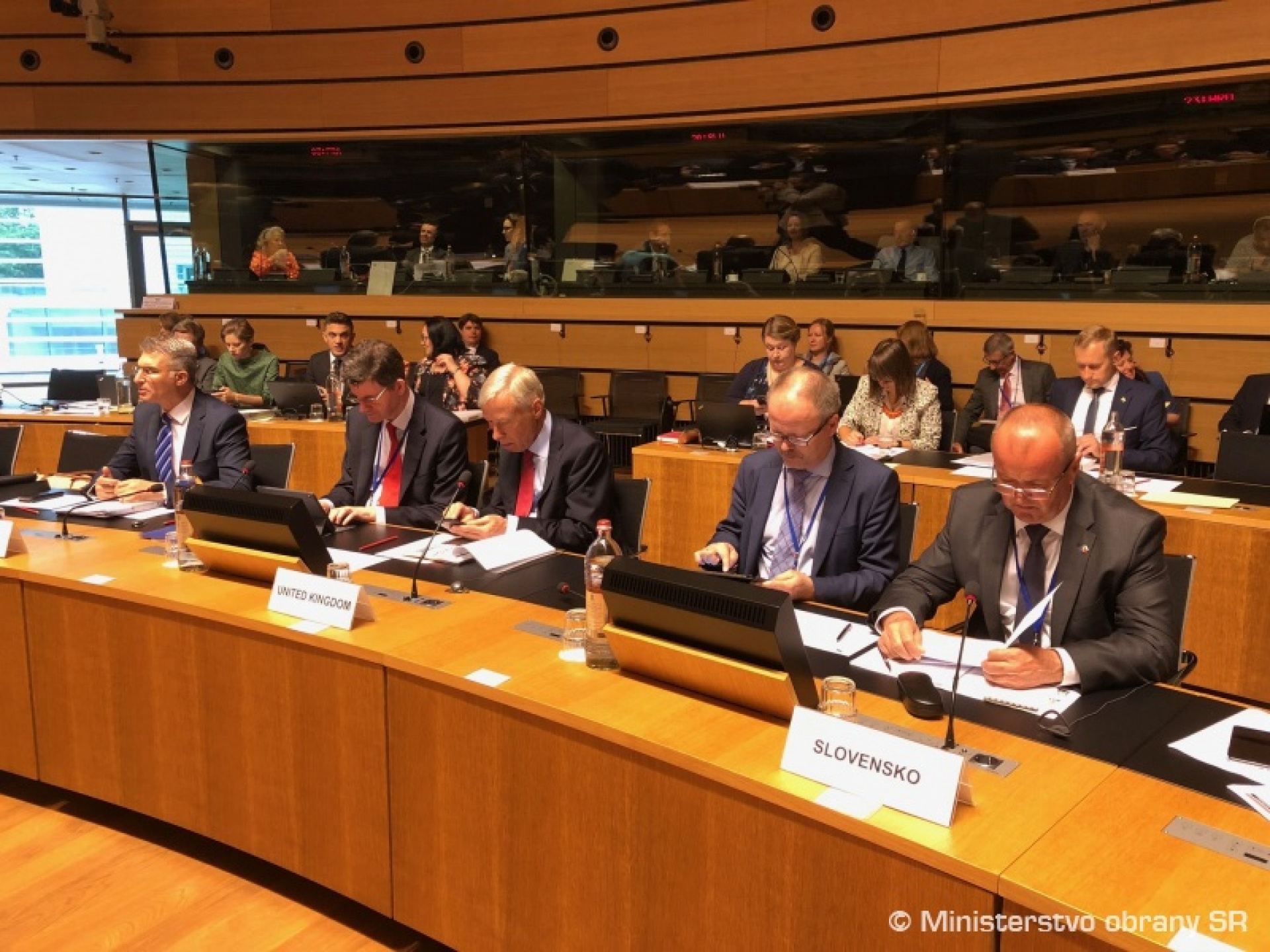
In implementing the PESCO EuroArtillery project, Slovakia wants to use its domestic defence industrial capacities as much as possible. This was confirmed today (25 June) by SVK Minister of Defence Peter Gajdoš at the meeting of EU Ministers of Foreign Affairs and Defence at the EU Foreign Affairs Council (FAC) in Luxembourg.
SVK Minister of Defence Peter Gajdoš said: “Slovakia has a rich tradition in the field of artillery systems development and production. That is why the opportunity the SVK-led EuroArtillery project offers enables us to use our defence industry to the full extent. At the same time, it is a niche capability in the EU and NATO. As a result, the project clearly makes a significant contribution to the security of Europe.” As he further explained, the aim of the SVK project is to develop a long-range precision artillery platform for coordinated use of artillery assets on multinational operations. “Italy participates in our project as a member and another 7 EU Member States have assumed the role of observers, while there are more countries considering to join the project,” he added.
The EU Ministers of Foreign Affairs and Defence today assessed the implementation of the EU Global Strategy for Foreign and Security Policy (EU GS). On PESCO, they approved the governance rules for PESCO projects and discussed the sequencing of commitments and the specifications of more precise PESCO goals in the field of defence.
As part of PESCO Slovakia will also participate in the Military Mobility project, which was one of the dominant issues on the agenda. The intention to improve military mobility calls for removing legislative hurdles and physical barriers. The latter makes cross-border movements of our armed forces and Allied forces difficult and slow, especially when it comes to deployments on international exercises.
As such, military mobility will increase Allied responsiveness to potential crisis situations, and hence result in consolidating the security of the European continent. The intention requires action by a wide spectrum of central and local government agencies and private entities, including the institutions with responsibility for transport infrastructure, internal affairs and finances.
Heads of the Foreign Affairs Ministries and Defence Departments today met with NATO Secretary General Jens Stoltenberg for talks on the state of play of the EU-NATO strategic cooperation, with much of the current focus on military mobility, the fight against hybrid threats, and the strengthening of defence capabilities.
SVK Minister of Defence Peter Gajdoš said: “Slovakia has a rich tradition in the field of artillery systems development and production. That is why the opportunity the SVK-led EuroArtillery project offers enables us to use our defence industry to the full extent. At the same time, it is a niche capability in the EU and NATO. As a result, the project clearly makes a significant contribution to the security of Europe.” As he further explained, the aim of the SVK project is to develop a long-range precision artillery platform for coordinated use of artillery assets on multinational operations. “Italy participates in our project as a member and another 7 EU Member States have assumed the role of observers, while there are more countries considering to join the project,” he added.
The EU Ministers of Foreign Affairs and Defence today assessed the implementation of the EU Global Strategy for Foreign and Security Policy (EU GS). On PESCO, they approved the governance rules for PESCO projects and discussed the sequencing of commitments and the specifications of more precise PESCO goals in the field of defence.
As part of PESCO Slovakia will also participate in the Military Mobility project, which was one of the dominant issues on the agenda. The intention to improve military mobility calls for removing legislative hurdles and physical barriers. The latter makes cross-border movements of our armed forces and Allied forces difficult and slow, especially when it comes to deployments on international exercises.
As such, military mobility will increase Allied responsiveness to potential crisis situations, and hence result in consolidating the security of the European continent. The intention requires action by a wide spectrum of central and local government agencies and private entities, including the institutions with responsibility for transport infrastructure, internal affairs and finances.
Heads of the Foreign Affairs Ministries and Defence Departments today met with NATO Secretary General Jens Stoltenberg for talks on the state of play of the EU-NATO strategic cooperation, with much of the current focus on military mobility, the fight against hybrid threats, and the strengthening of defence capabilities.