WW1 Armistice Centenary: Minister of Defence P. Gajdoš honours WW1 victims at restored Kubrá WW1 Cemetery
- Author:
- Photo:
- Date: 11.11.2018
- Share: Zdieľať na Facebook
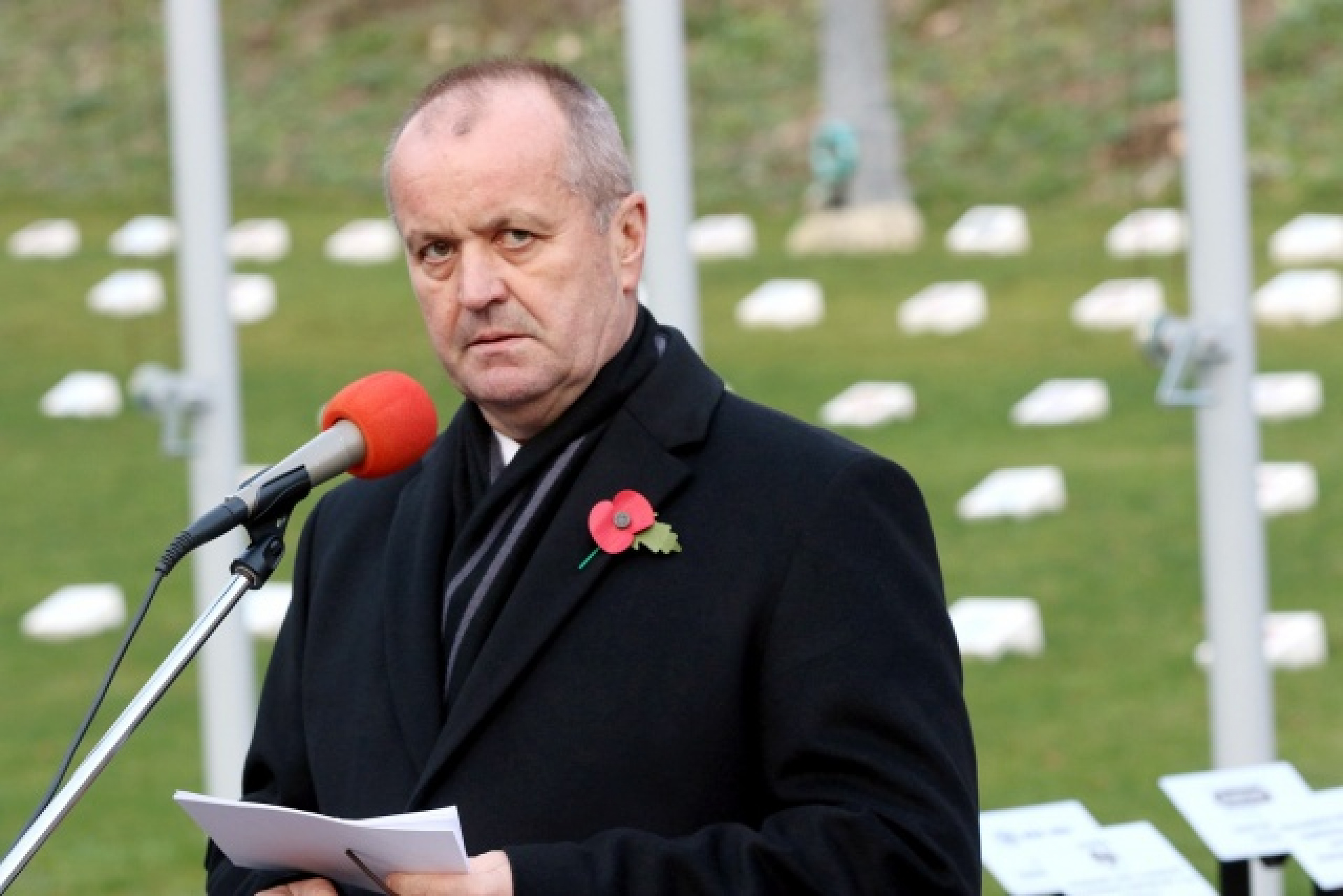
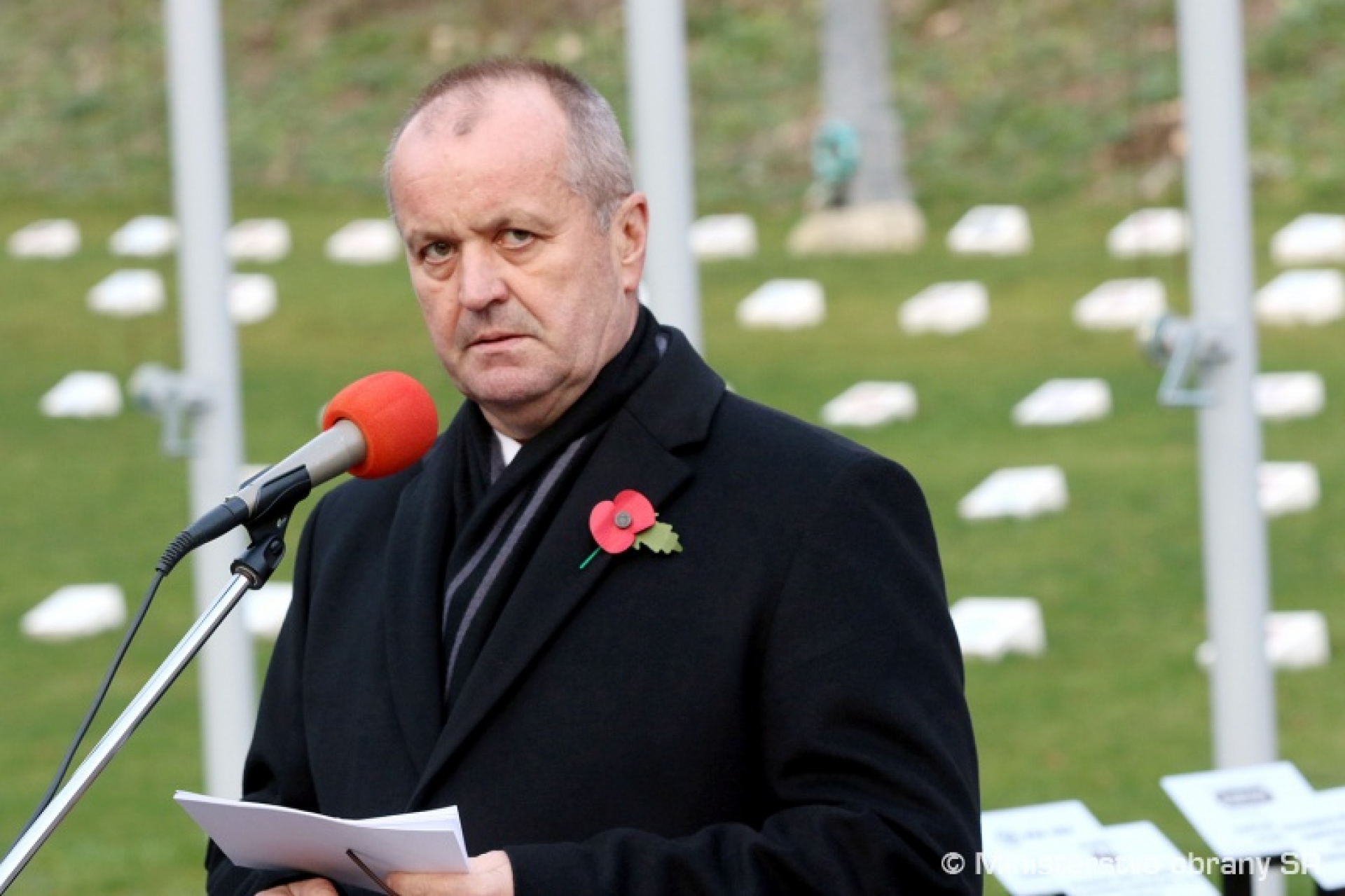
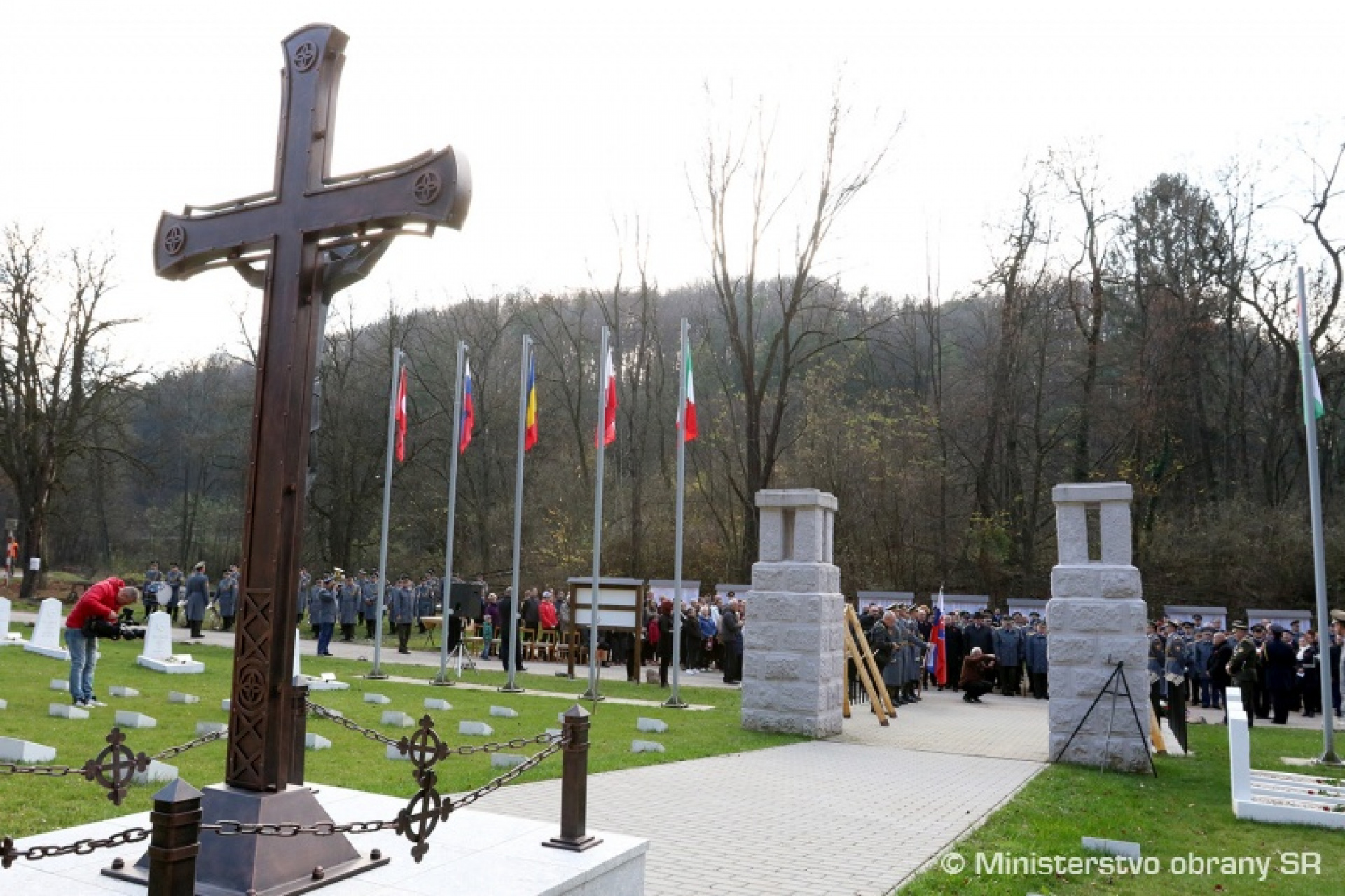
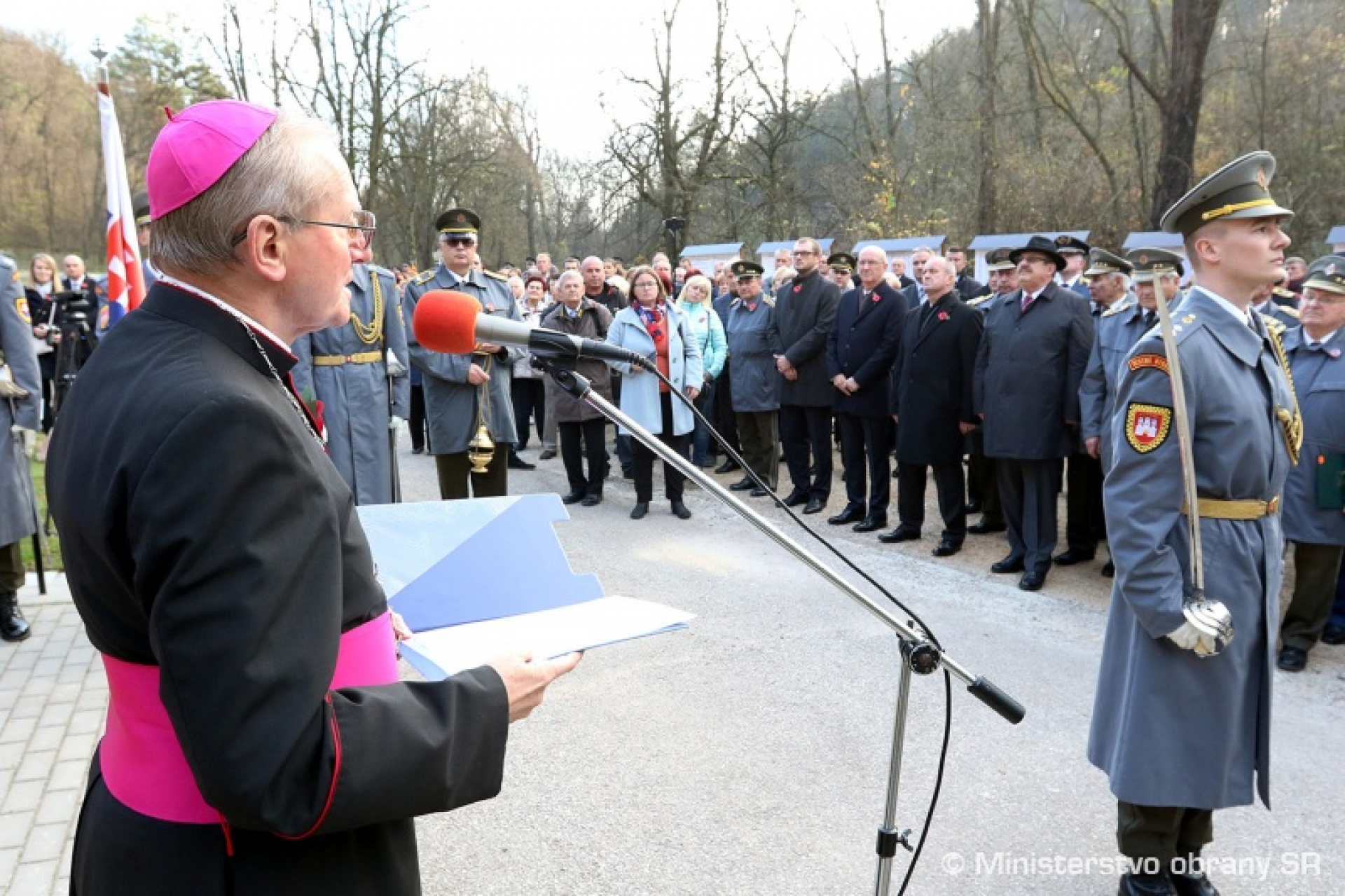
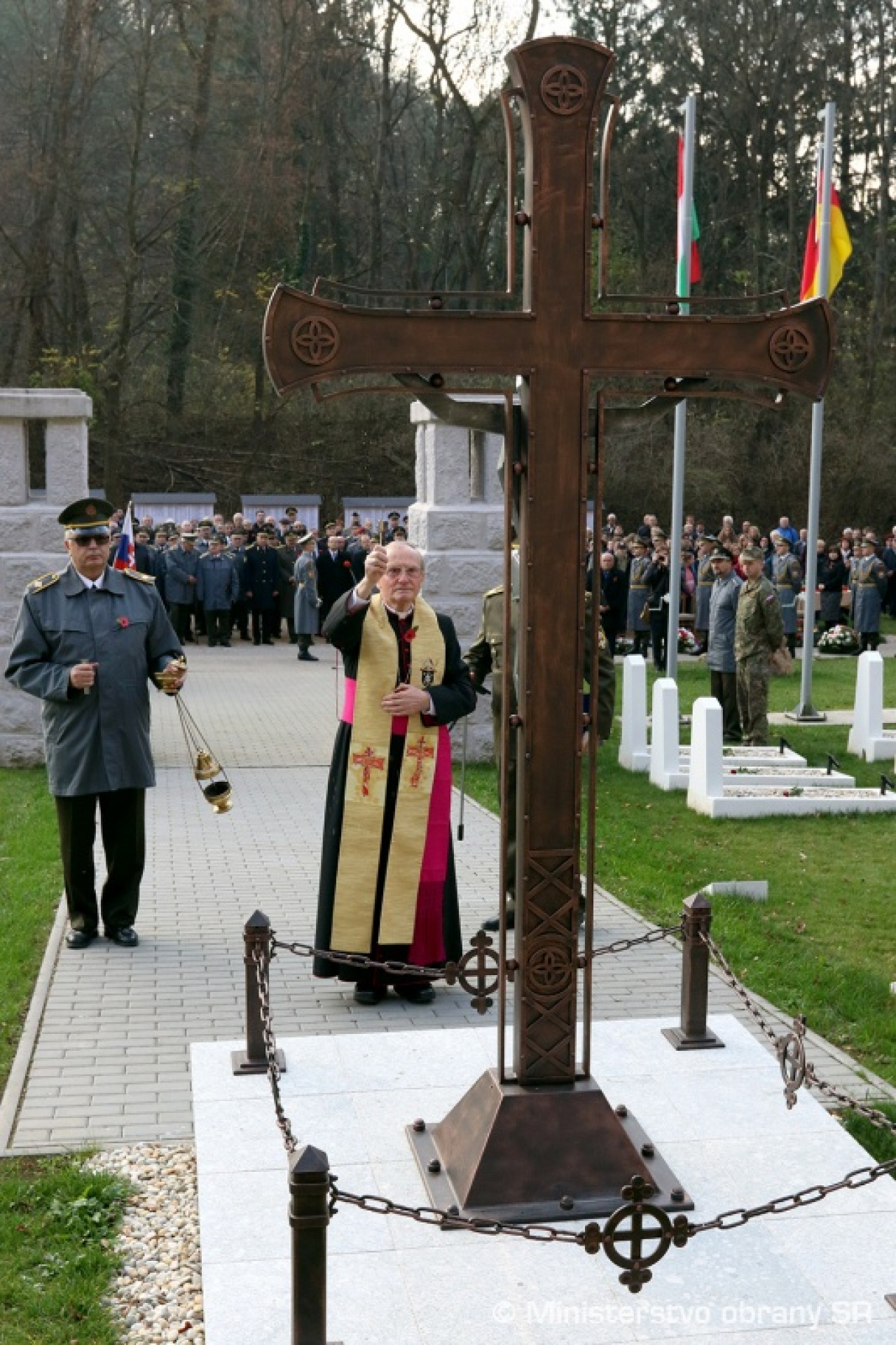
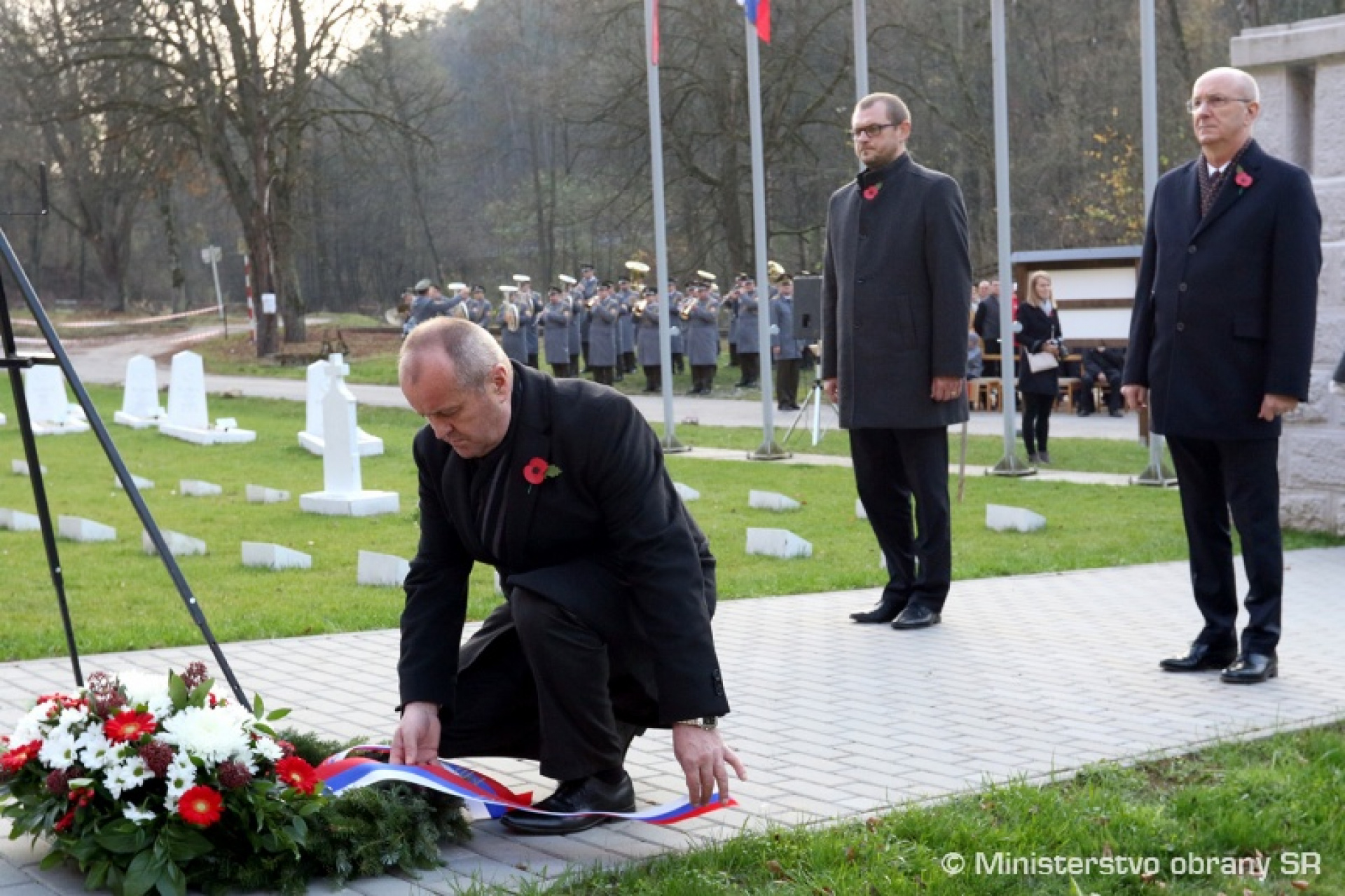
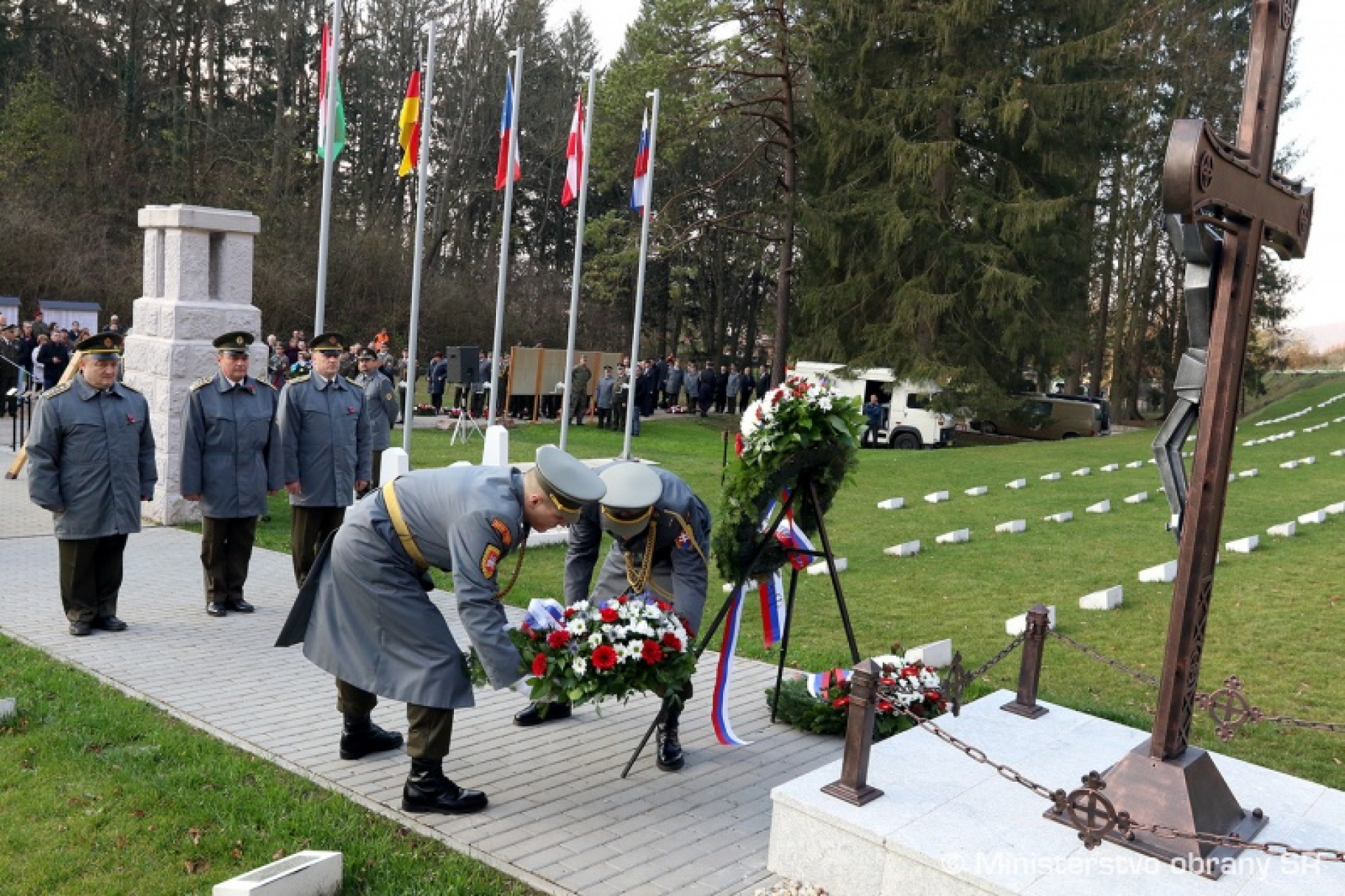
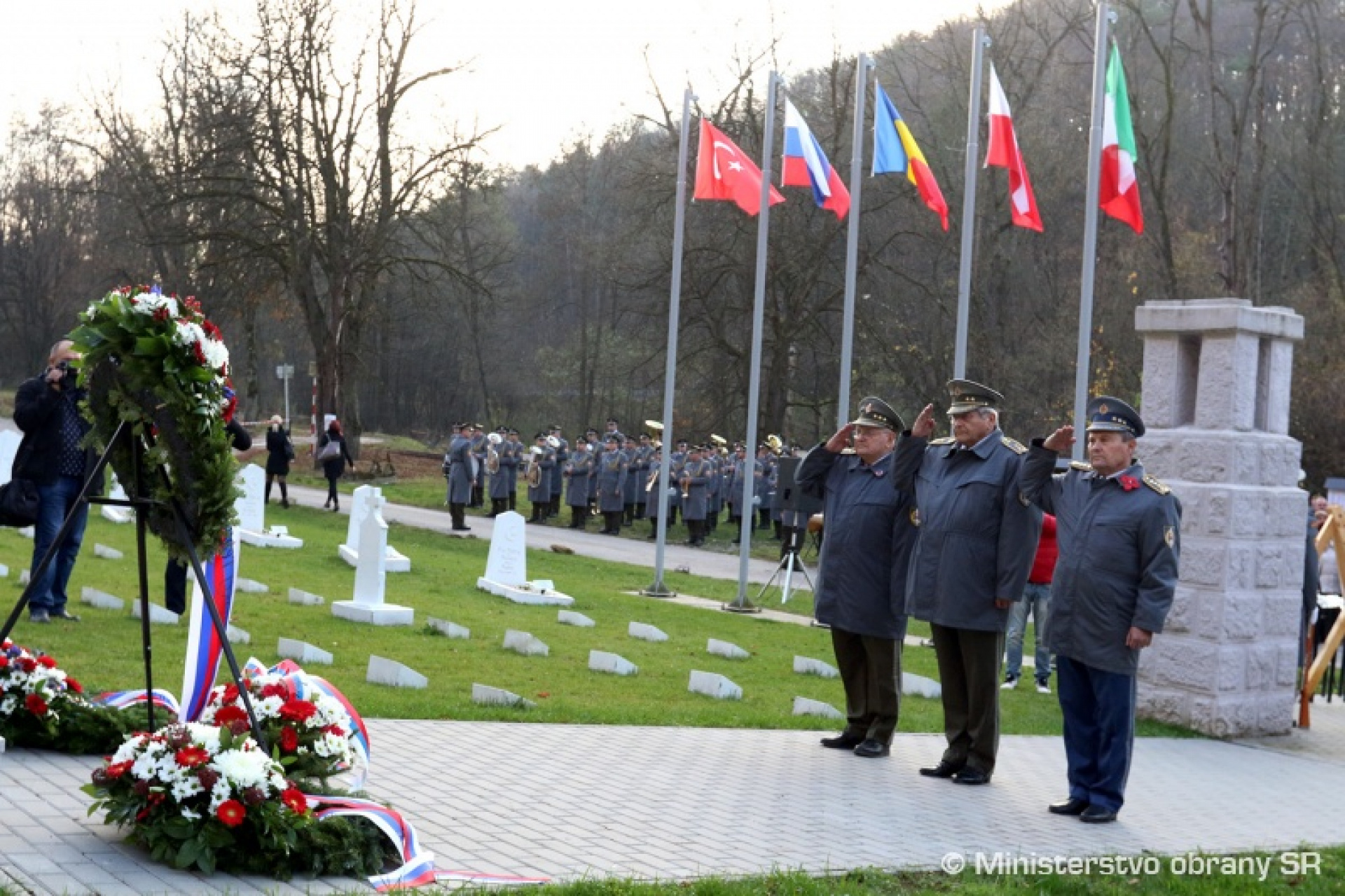
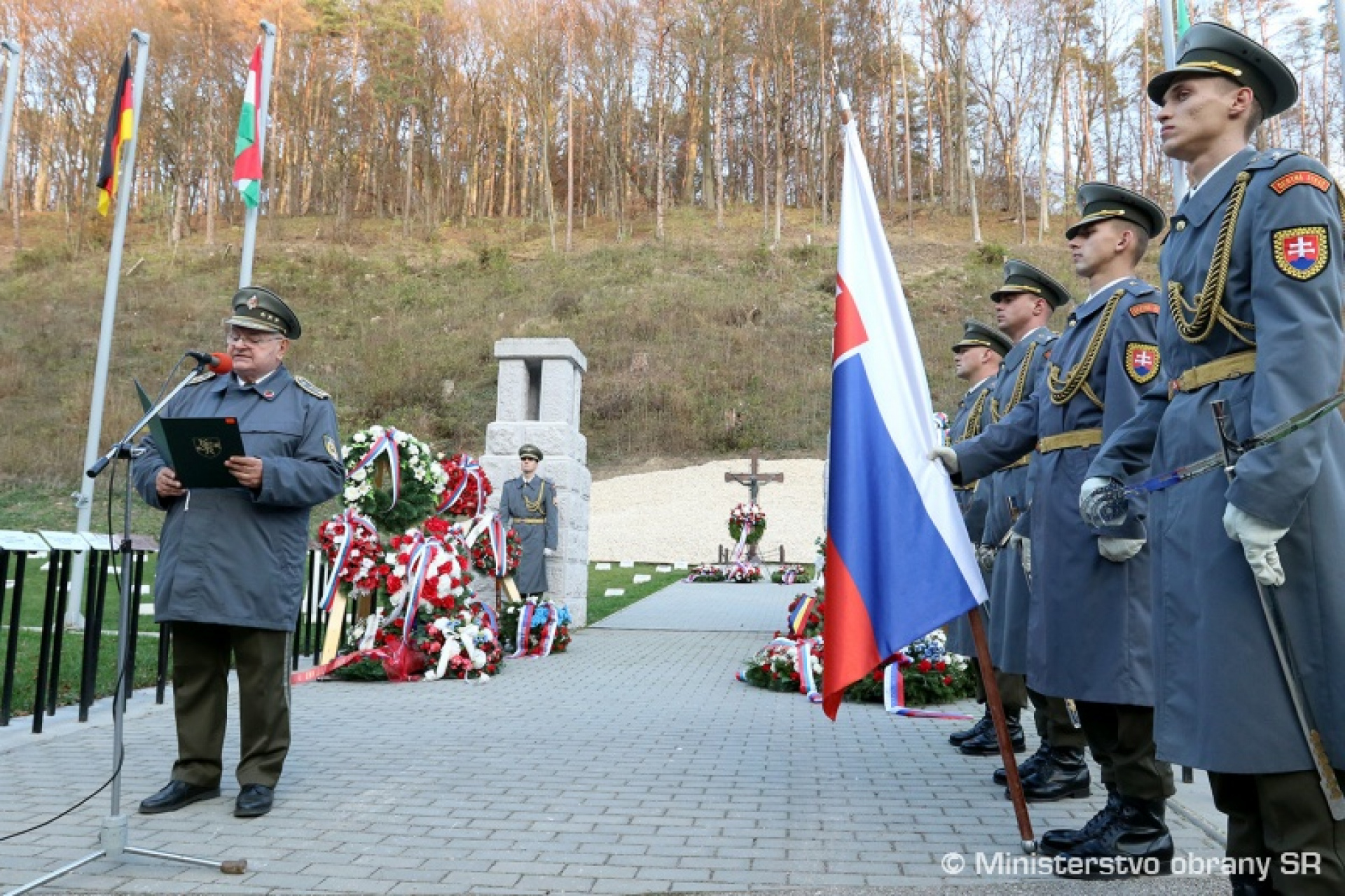
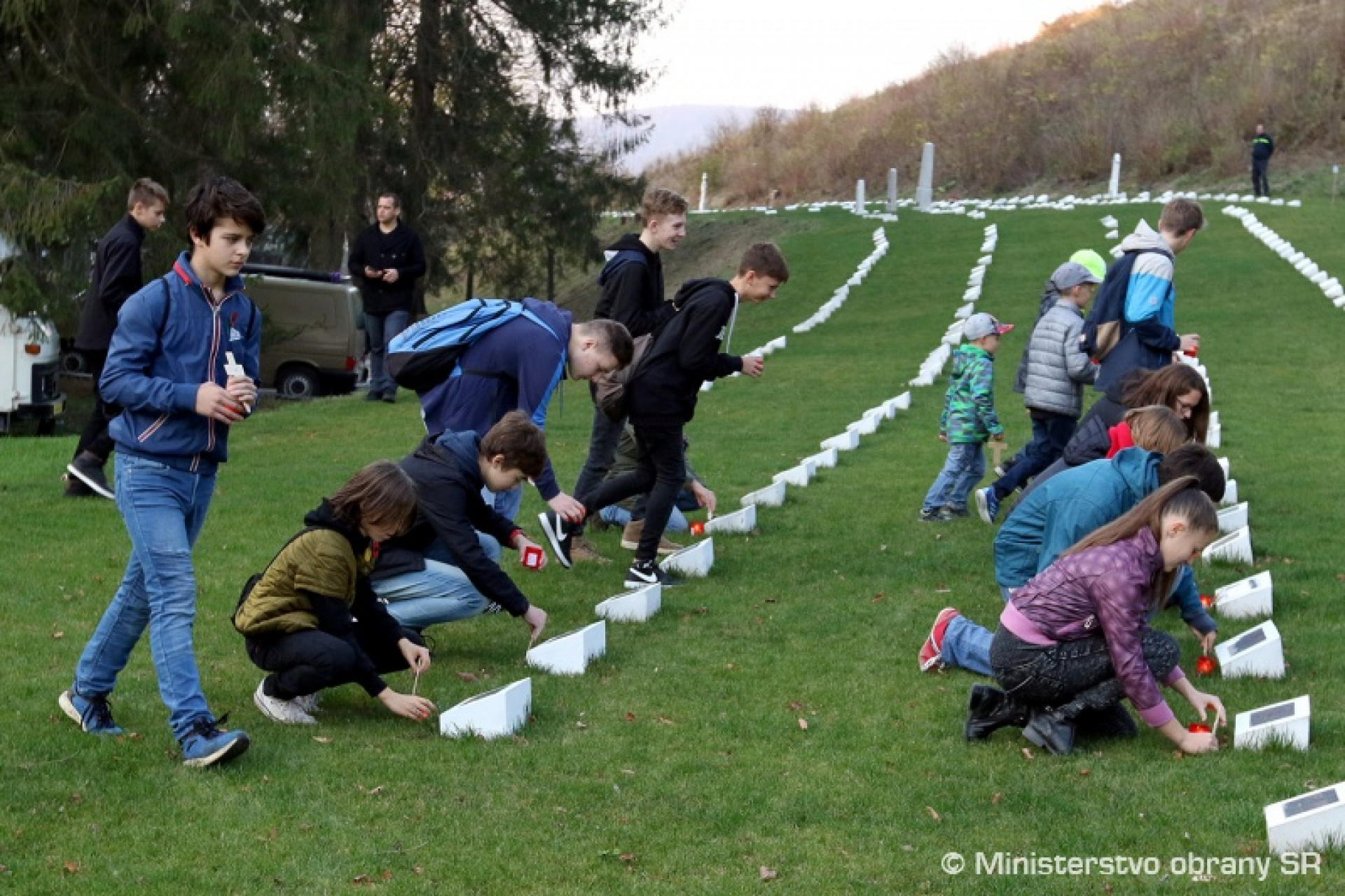
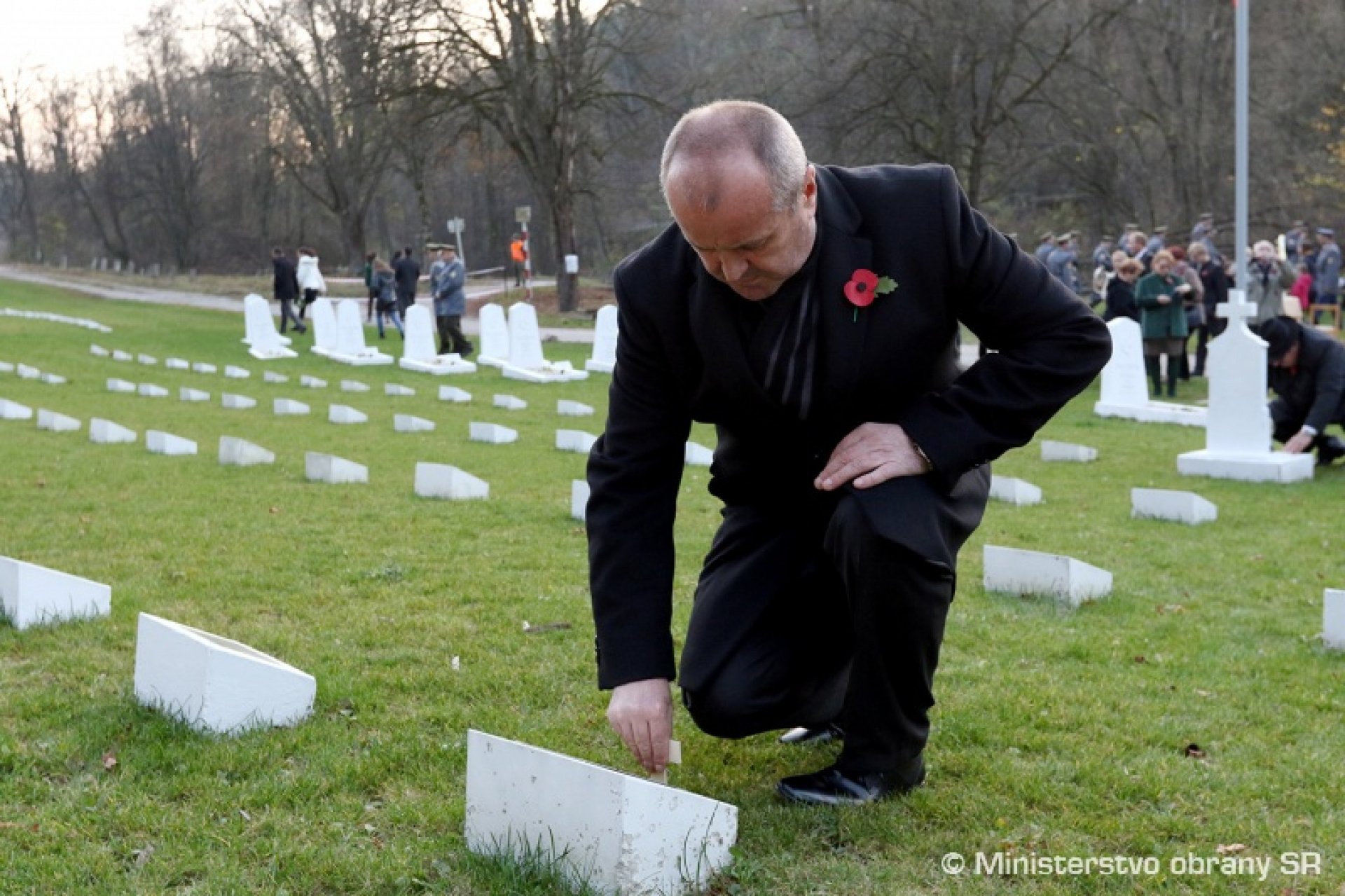
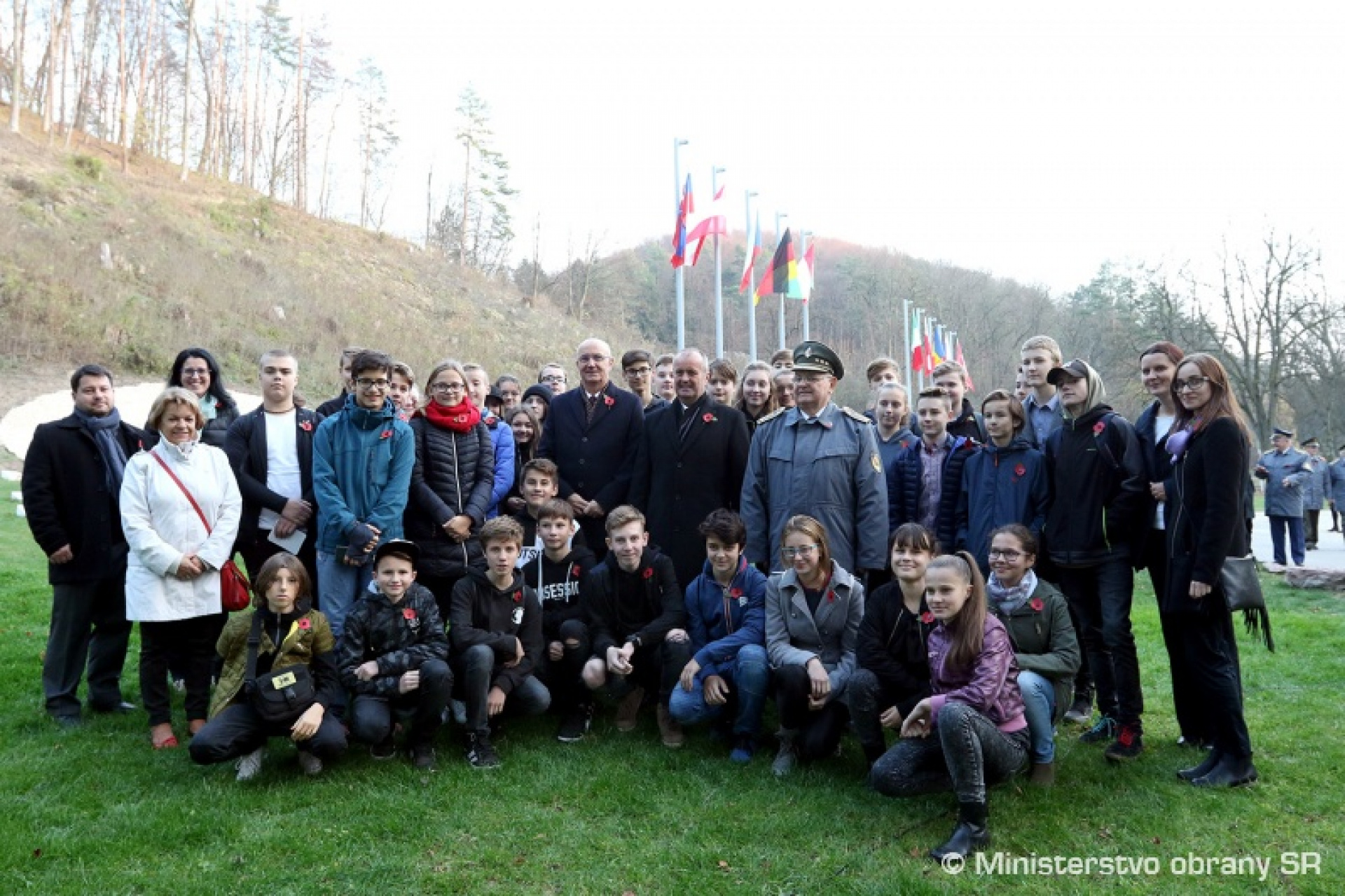
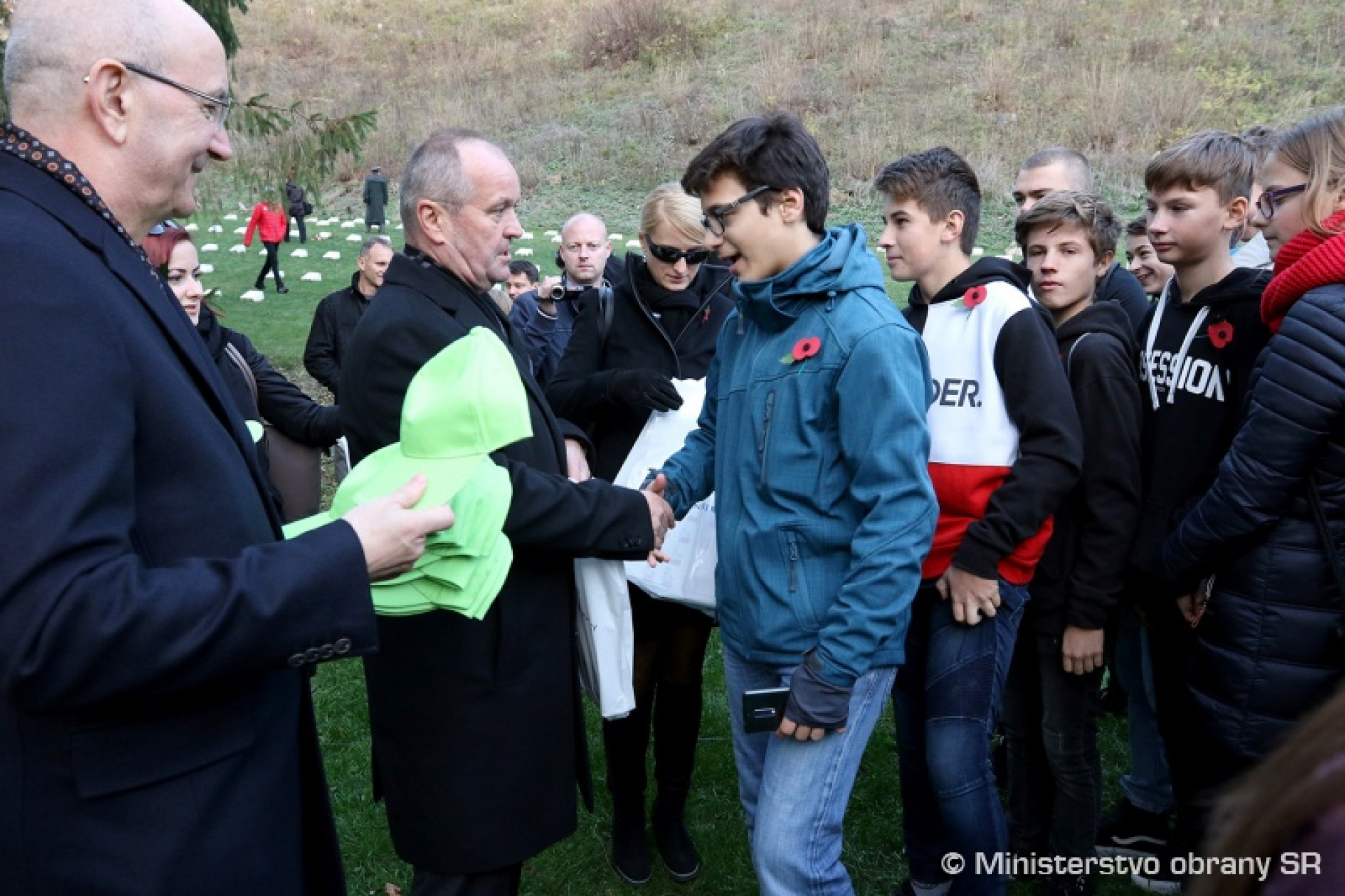
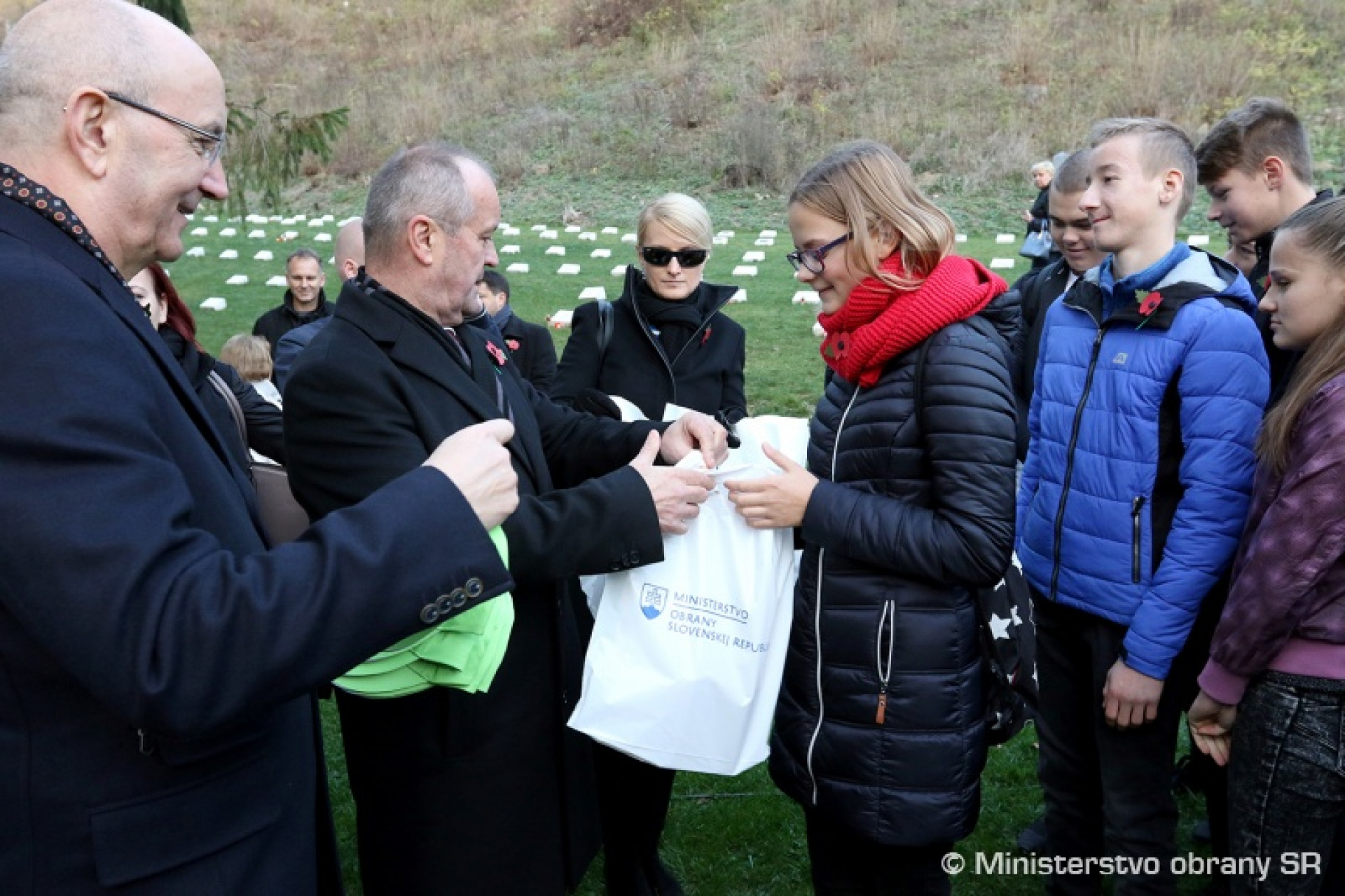
To mark todayʼs WW1 Armistice Centenary, Minister of Defence Peter Gajdoš along with Chairman of the Parliamentary Committee on Defence and Security Anton Hrnko and General Secretary of the MOD Service Office Ján Hoľko honoured the victims of the first conflict of world-wide dimensions – World War One. The act of commemoration was held at the Kubrá WW1 Cemetery in Trenčín. Among the traditional participants of the commemoration were pupils from Kubrá Primary School. The cemetery was recently reconstructed by the Slovak Generals Club and the duty of care for this place of remembrance has passed on to the MOD as of today.
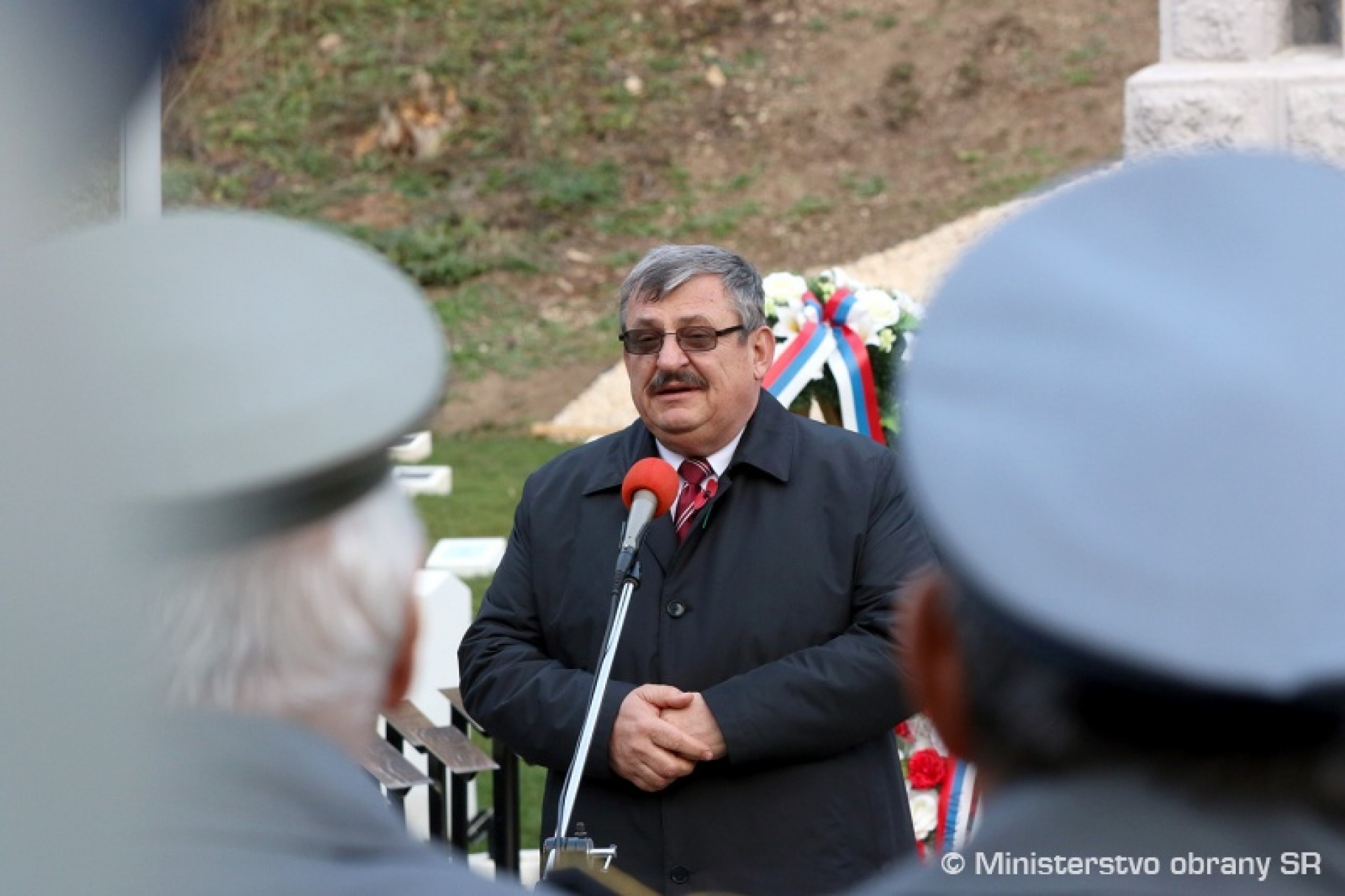
In his statement on WW1, Head of the MOD spoke of the victims of WW1 and of all other conflicts as being a warning to us, he said: “It would be too daring of us to say that the world of today is safe and nothing similar can happen to us. If that were the case then our soldiers would not have to be present in Afghanistan or Iraq. Slovakia, too, contributes to the efforts to stop local conflicts from escalating into world ones.”
Chairman of the Parliamentary Committee on Defence and Security Anton Hrnko underlined the importance of commemoration ceremonies through which the public express their respect for fallen heroes, he said: “These people never wanted to die. They did not go to war as some fanatics who wanted to die, but they went to war to perform their duty, albeit sometimes even a perverted one such as World War One, where generals applied old tactics and sent columns of their troops charging against machine guns.”
General Secretary of the MOD Service Office Ján Hoľko thanked the people behind the idea of restoring the Kubrá WW1 Cemetery: “Slovakia has a large number of war cemeteries. One of them has just come back to life, becoming a decent point of focus for our remembrance of what happened in history and what our society should never allow to happen again. This is truly a great piece of work, it came off very well. I feel immensely proud and grateful. And as a representative of the state administration I stand fully committed to further cultivating this place.”
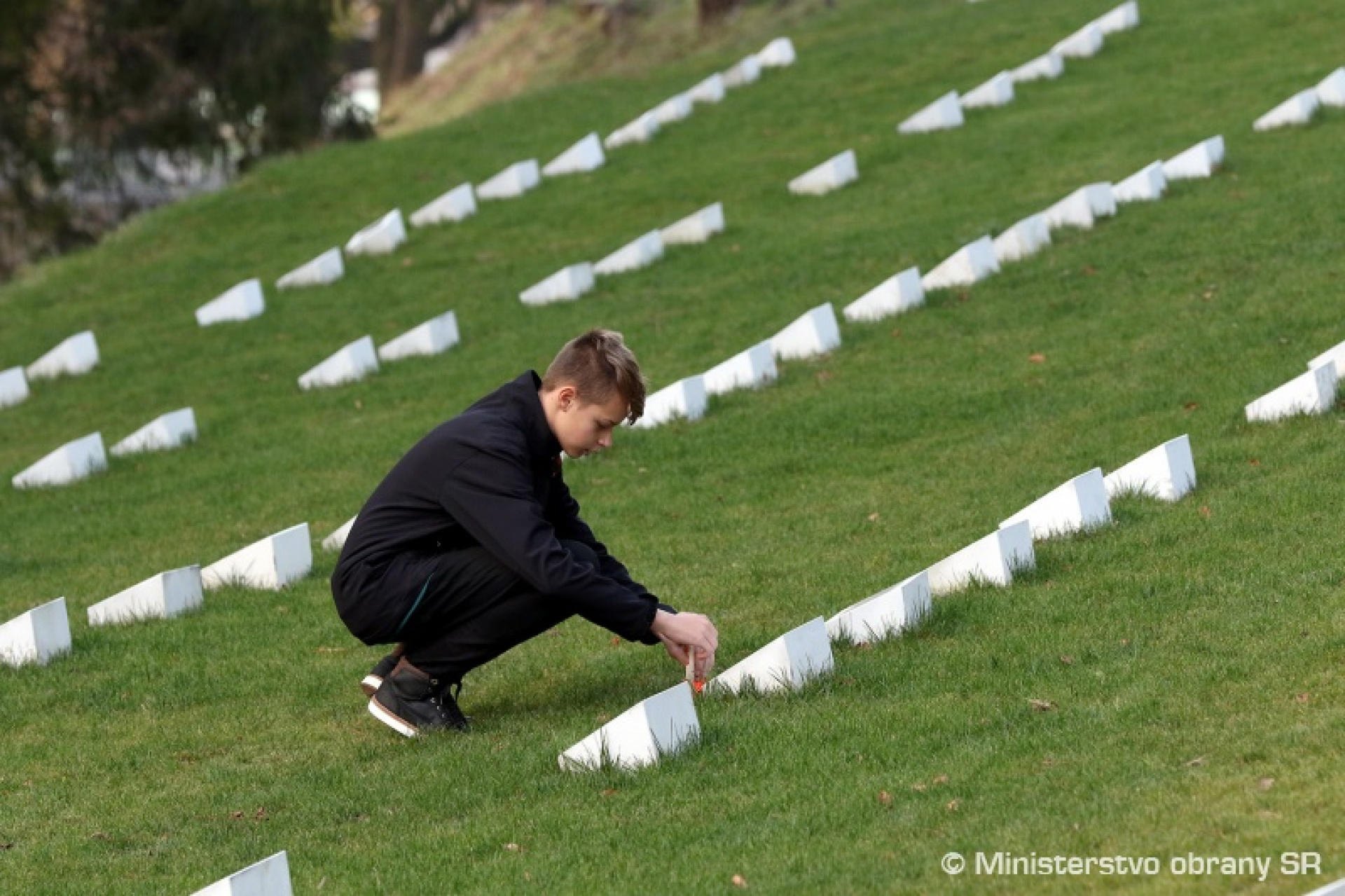
The cemeteryʼs 4-year-long reconstruction works saw the graves renewed and marked with white concrete squares as headstones bearing the names of the departed. In addition, installed in the cemetery grounds were information boards with the list of the buried soldiers. “I would like to thank you for this place of remembrance, because the heroes who have been buried here are definitely deserving of such final resting places.”
A total of 771 fallen soldiers are buried in the Kubrá WW1 Cemetery, including Slovaks and Czechs (338), Italians (24), Hungarian (112), Austrians (11), Poles (54), Romanians (122), Germans (4), Russians (86), Turks (17), and unknown soldiers (3).
In his statement on WW1, Head of the MOD spoke of the victims of WW1 and of all other conflicts as being a warning to us, he said: “It would be too daring of us to say that the world of today is safe and nothing similar can happen to us. If that were the case then our soldiers would not have to be present in Afghanistan or Iraq. Slovakia, too, contributes to the efforts to stop local conflicts from escalating into world ones.”
Chairman of the Parliamentary Committee on Defence and Security Anton Hrnko underlined the importance of commemoration ceremonies through which the public express their respect for fallen heroes, he said: “These people never wanted to die. They did not go to war as some fanatics who wanted to die, but they went to war to perform their duty, albeit sometimes even a perverted one such as World War One, where generals applied old tactics and sent columns of their troops charging against machine guns.”
General Secretary of the MOD Service Office Ján Hoľko thanked the people behind the idea of restoring the Kubrá WW1 Cemetery: “Slovakia has a large number of war cemeteries. One of them has just come back to life, becoming a decent point of focus for our remembrance of what happened in history and what our society should never allow to happen again. This is truly a great piece of work, it came off very well. I feel immensely proud and grateful. And as a representative of the state administration I stand fully committed to further cultivating this place.”
The cemeteryʼs 4-year-long reconstruction works saw the graves renewed and marked with white concrete squares as headstones bearing the names of the departed. In addition, installed in the cemetery grounds were information boards with the list of the buried soldiers. “I would like to thank you for this place of remembrance, because the heroes who have been buried here are definitely deserving of such final resting places.”
A total of 771 fallen soldiers are buried in the Kubrá WW1 Cemetery, including Slovaks and Czechs (338), Italians (24), Hungarian (112), Austrians (11), Poles (54), Romanians (122), Germans (4), Russians (86), Turks (17), and unknown soldiers (3).