V4 countries will stand up two EU BGs in coming years, they will add to the EU’s responsiveness to crisis situations in its immediate neighbourhood
- Author:
- Photo:
- Date: 15.11.2018
- Share: Zdieľať na Facebook
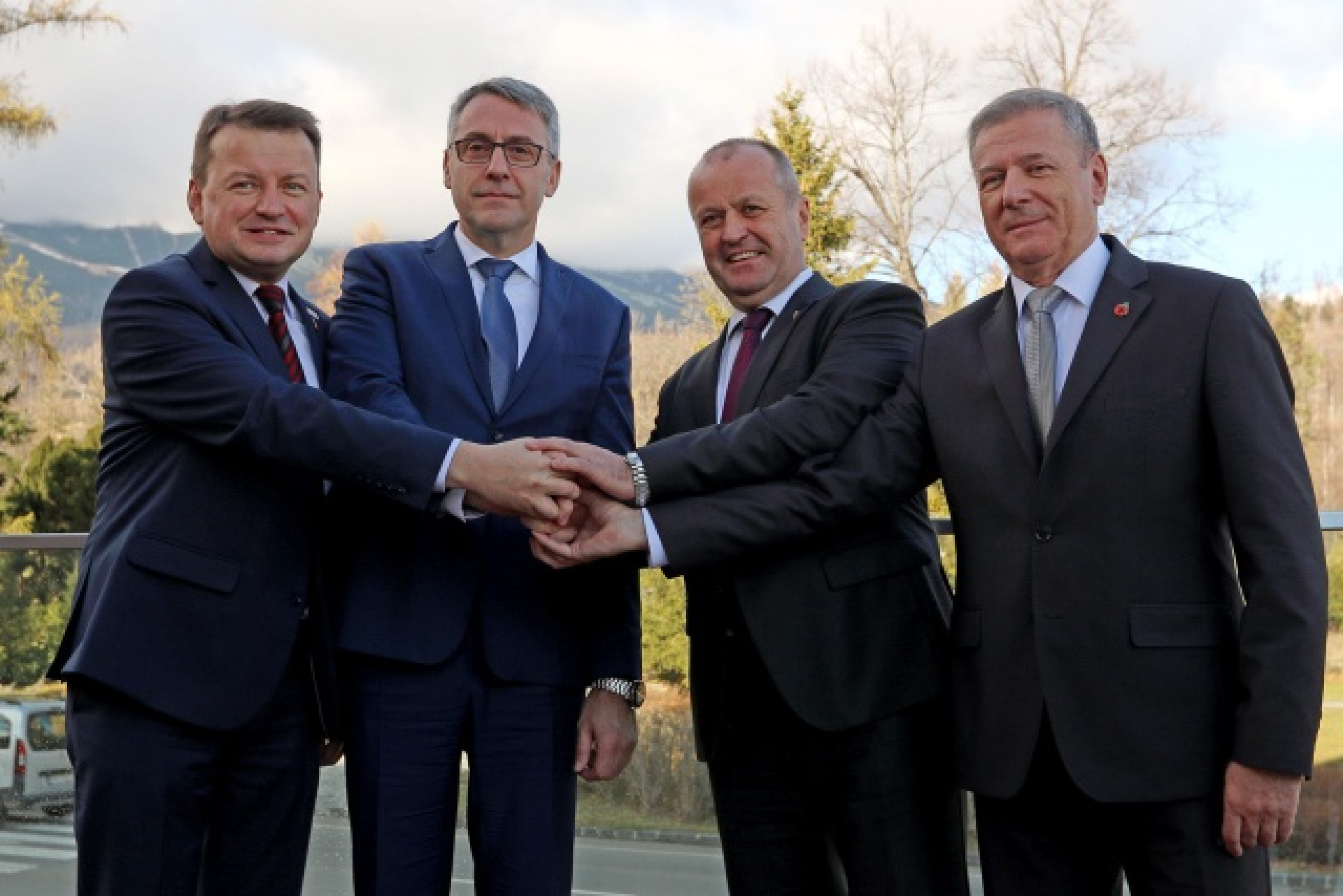
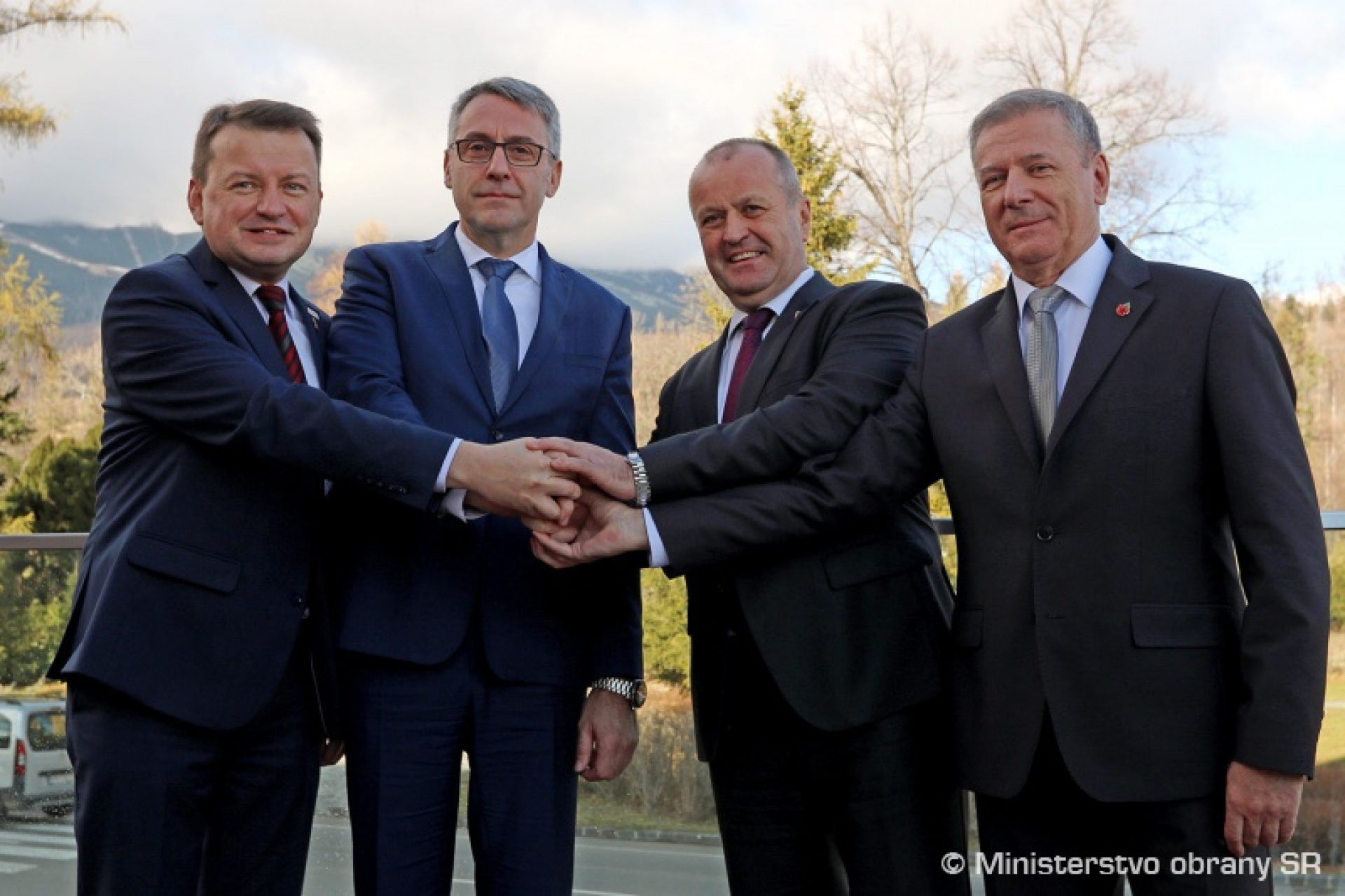
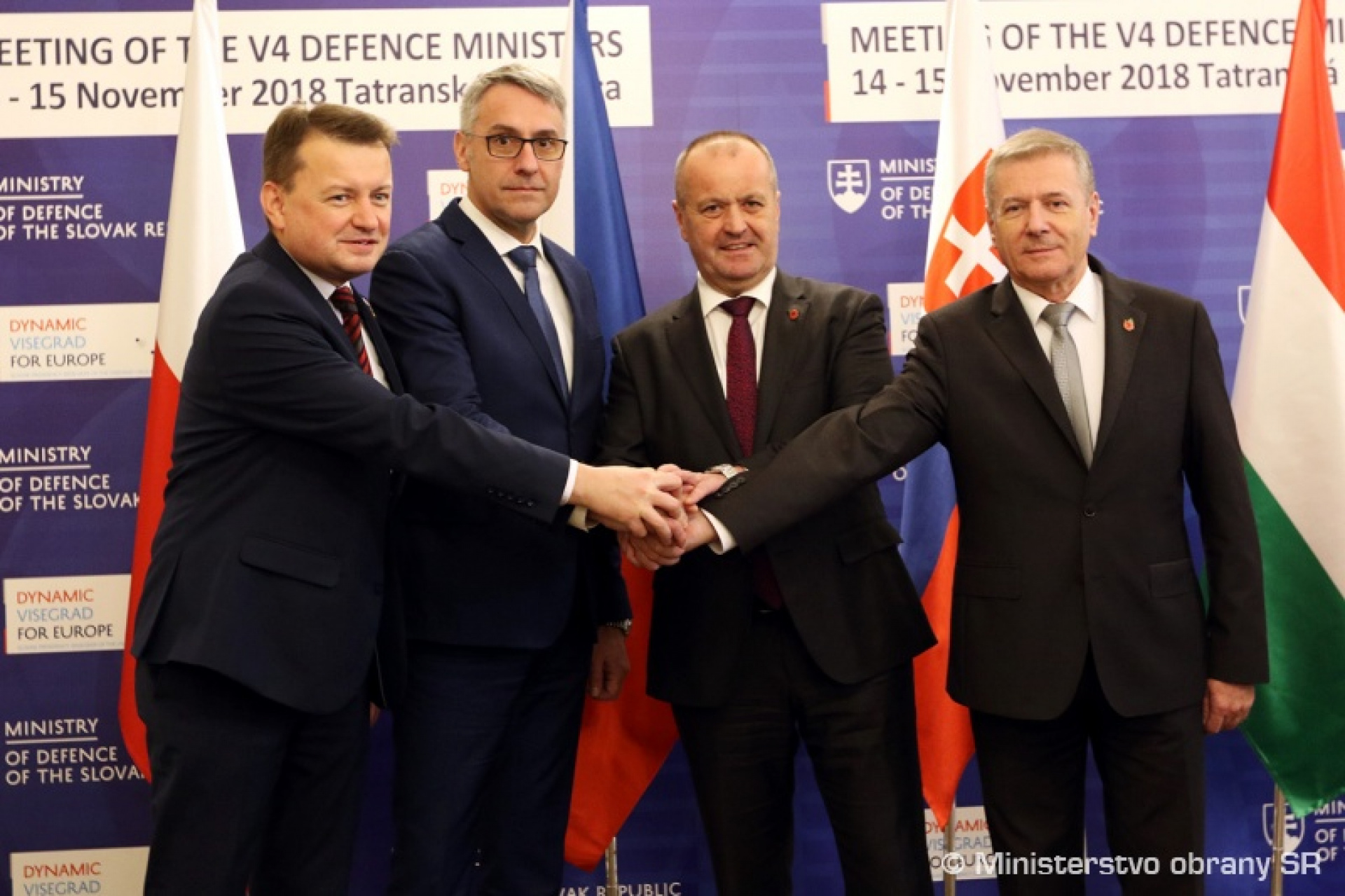
The Visegrad Group European Union Battlegroup (V4 EU BG) will be on stand-by for deployment in the second half of 2019 in an attempt to accommodate the needs of the EU. The V4 Defence Ministers agreed on this today (15 November) and also decided that the V4 EU BG concept will continue even beyond. This strategic decision may be regarded as a key achievement of the quadrilateral defence cooperation under the SVK V4 Presidency.
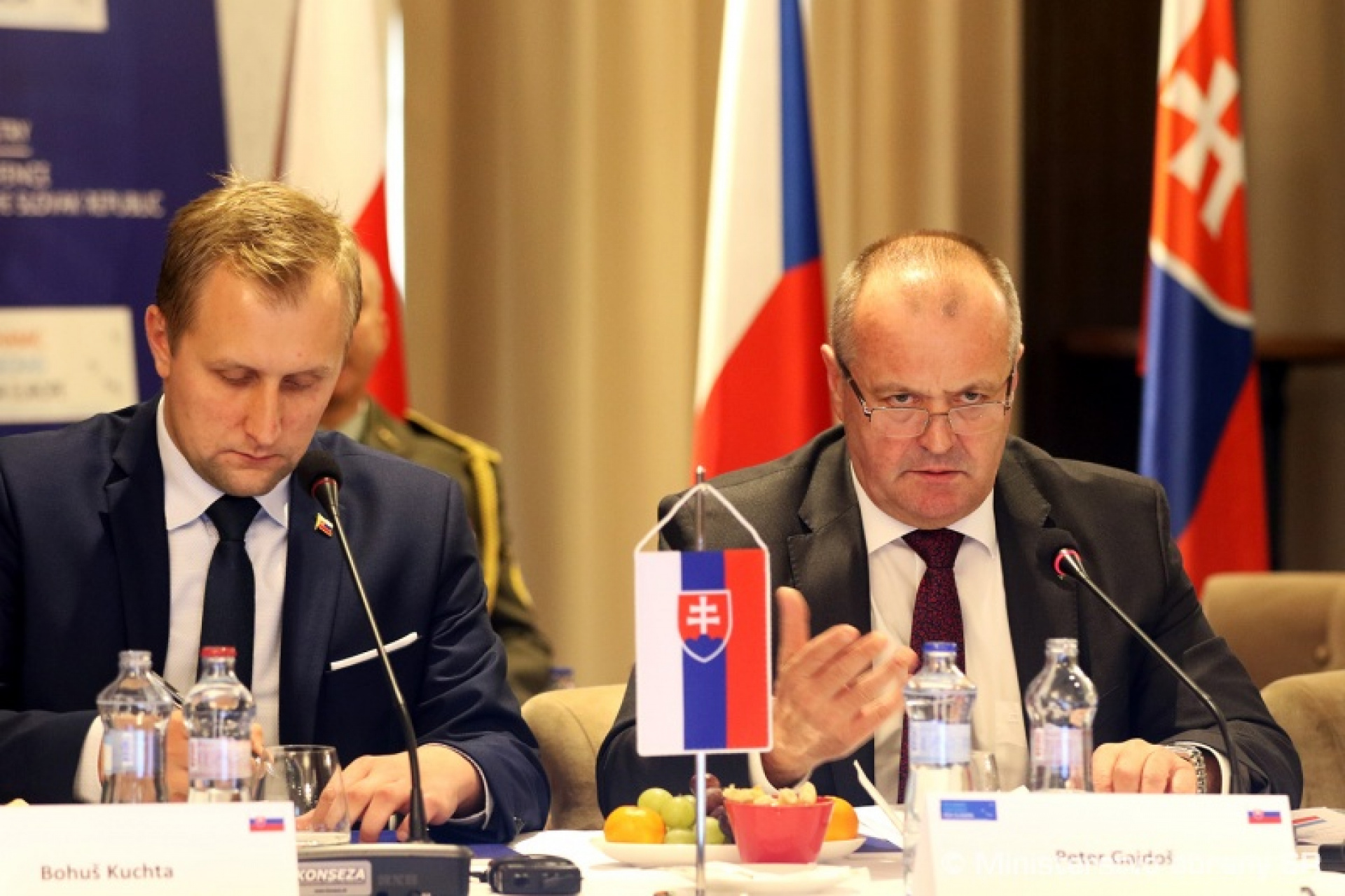
On the V4 flagship project, Defence Minister Peter Gajdoš said: "Our joint decision to stand up another V4 Battlegroup is the outcome of truly close and effective cooperation among the Visegrad Group countries and at the same time it is a signal that we are ready to participate in building a strong, secure and responsive Europe. Personally speaking, I welcome this step because the priorities of the Slovak Presidency are becoming a reality."
The other V4 EU BG should be on stand-by in support of the EU in the first half of 2023. The V4 countries are now weighing up the option of doubling the stand-by period and thus keeping the BG on stand-by for the whole duration of 2023. However, this will still be subject to analysis.
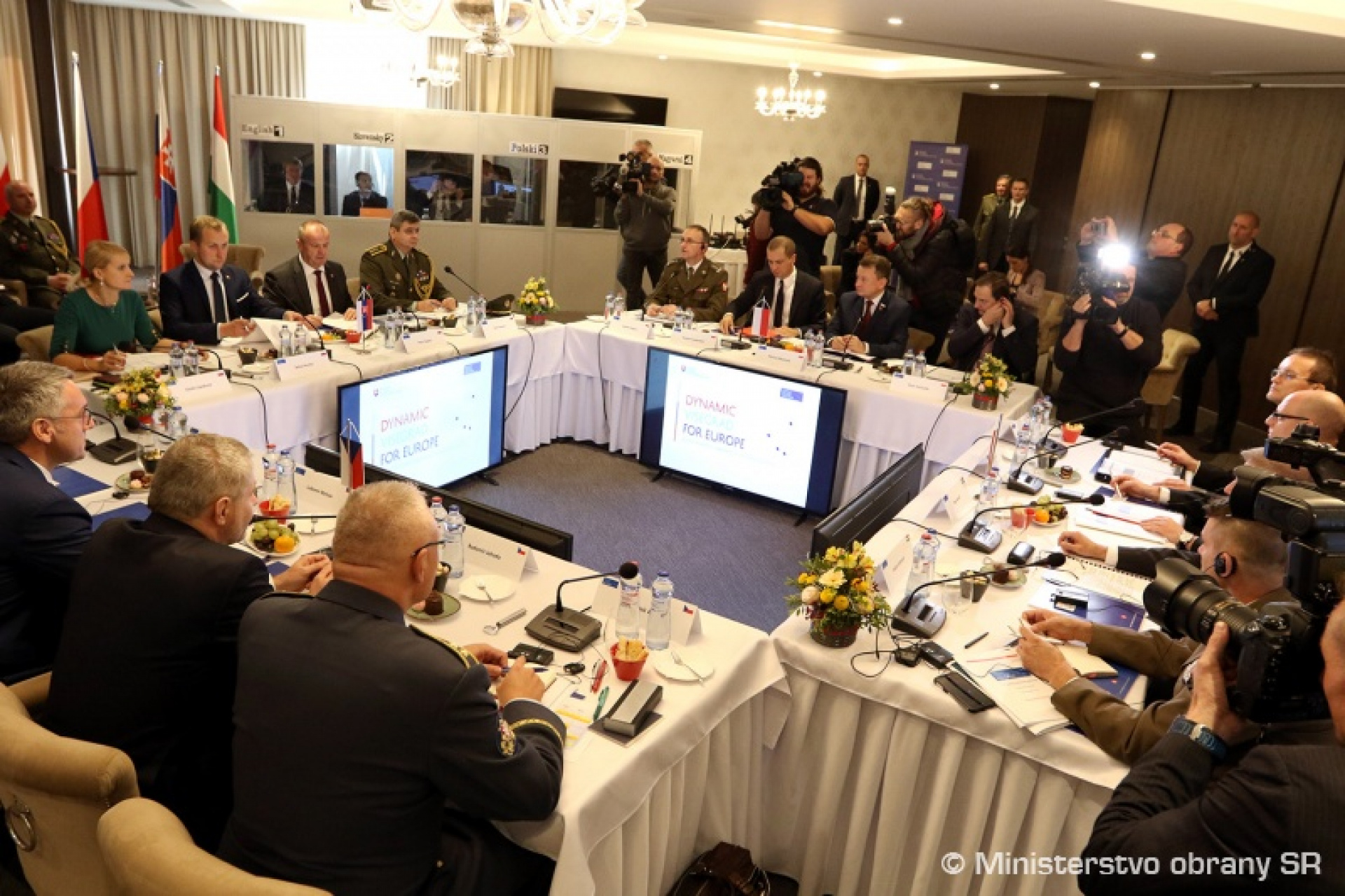
At today’s working sessions, the partners focused on coordinating national positions ahead of the next week’s meeting of the EU defence ministers in Brussels, which should be dominated by the EU’s new defence and security initiatives with focus on the development of Permanent Structured Cooperation (PESCO), European Defence Fund (EDF) in support of EU defence industry, emerging instruments in support of international crisis management activities, and defence capability building in partner countries with the aim of handling security challenges where they arise.
Defence Minister Peter Gajdoš further noted: “In the context of current discussions on matters of European defence and security, this meeting has provided us with an excellent opportunity to share our views on the initiatives which should strengthen them and in the creation of which we have actively and collectively participated with other EU Member States. Today we know that the four of us will be going to the EU Defence Ministerial with a clear and, above all, common vision for their development. The Visegrad Group thus continues to confirm its relevance and feeling for constructive proposals and solutions.”
Naturally, the initiatives create potential even for the V4 format, especially when it comes to projects aimed at defence capabilities development or infrastructure development support linked to military mobility. According to the ministers, this broad theme will require a nation-wide approach, one involving several central state administration bodies. The V4 MODs will continue to discuss the issue at the expert level, with the aim of presenting specific cooperation proposals at a meeting next spring.
Minister of Defence of the Czech Republic Lubomír Metnar said: "The meeting was beneficial and well prepared by the Slovak side. In addition to building the V4 EU Battlegroup and continuing with joint training, I can see considerable potential for cooperation on projects strengthening our defence capabilities."
Minister of Defence of Hungary Tibor Benkö emphasised that the V4 cooperation and continuity strengthen and add to the unity of the EU and NATO, he said: "The North Atlantic Alliance and the European Union must remain strong individually. We do not want duplication and parallel structures. We want to generate defence capabilities that will deliver security and defence for the citizens of our countries."
Minister of National Defence of the Republic of Poland Mariusz Błaszczak said: "The V4 members are countries which, once agreed, will succeed in implementing even the most ambitious projects in the field of strengthening security or defence capabilities. These are our priorities. We are ready to assume responsibility and once again stand up another joint Battlegroup in 2023."
The defence ministers also addressed current initiatives of the North Atlantic Alliance, especially in the context of the July NATO Summit in Brussels and the commitments NATO Allies declared during the meeting of Heads of State and Government, mainly on increased defence spending, defence capabilities development, and greater NATO engagement in projecting stability in its immediate neighbourhood.
On the V4 flagship project, Defence Minister Peter Gajdoš said: "Our joint decision to stand up another V4 Battlegroup is the outcome of truly close and effective cooperation among the Visegrad Group countries and at the same time it is a signal that we are ready to participate in building a strong, secure and responsive Europe. Personally speaking, I welcome this step because the priorities of the Slovak Presidency are becoming a reality."
The other V4 EU BG should be on stand-by in support of the EU in the first half of 2023. The V4 countries are now weighing up the option of doubling the stand-by period and thus keeping the BG on stand-by for the whole duration of 2023. However, this will still be subject to analysis.
At today’s working sessions, the partners focused on coordinating national positions ahead of the next week’s meeting of the EU defence ministers in Brussels, which should be dominated by the EU’s new defence and security initiatives with focus on the development of Permanent Structured Cooperation (PESCO), European Defence Fund (EDF) in support of EU defence industry, emerging instruments in support of international crisis management activities, and defence capability building in partner countries with the aim of handling security challenges where they arise.
Defence Minister Peter Gajdoš further noted: “In the context of current discussions on matters of European defence and security, this meeting has provided us with an excellent opportunity to share our views on the initiatives which should strengthen them and in the creation of which we have actively and collectively participated with other EU Member States. Today we know that the four of us will be going to the EU Defence Ministerial with a clear and, above all, common vision for their development. The Visegrad Group thus continues to confirm its relevance and feeling for constructive proposals and solutions.”
Naturally, the initiatives create potential even for the V4 format, especially when it comes to projects aimed at defence capabilities development or infrastructure development support linked to military mobility. According to the ministers, this broad theme will require a nation-wide approach, one involving several central state administration bodies. The V4 MODs will continue to discuss the issue at the expert level, with the aim of presenting specific cooperation proposals at a meeting next spring.
Minister of Defence of the Czech Republic Lubomír Metnar said: "The meeting was beneficial and well prepared by the Slovak side. In addition to building the V4 EU Battlegroup and continuing with joint training, I can see considerable potential for cooperation on projects strengthening our defence capabilities."
Minister of Defence of Hungary Tibor Benkö emphasised that the V4 cooperation and continuity strengthen and add to the unity of the EU and NATO, he said: "The North Atlantic Alliance and the European Union must remain strong individually. We do not want duplication and parallel structures. We want to generate defence capabilities that will deliver security and defence for the citizens of our countries."
Minister of National Defence of the Republic of Poland Mariusz Błaszczak said: "The V4 members are countries which, once agreed, will succeed in implementing even the most ambitious projects in the field of strengthening security or defence capabilities. These are our priorities. We are ready to assume responsibility and once again stand up another joint Battlegroup in 2023."
The defence ministers also addressed current initiatives of the North Atlantic Alliance, especially in the context of the July NATO Summit in Brussels and the commitments NATO Allies declared during the meeting of Heads of State and Government, mainly on increased defence spending, defence capabilities development, and greater NATO engagement in projecting stability in its immediate neighbourhood.