EU defence and foreign affairs ministers confirm a new wave of PESCO projects in Brussels
- Author:
- Photo:
- Date: 19.11.2018
- Share: Zdieľať na Facebook
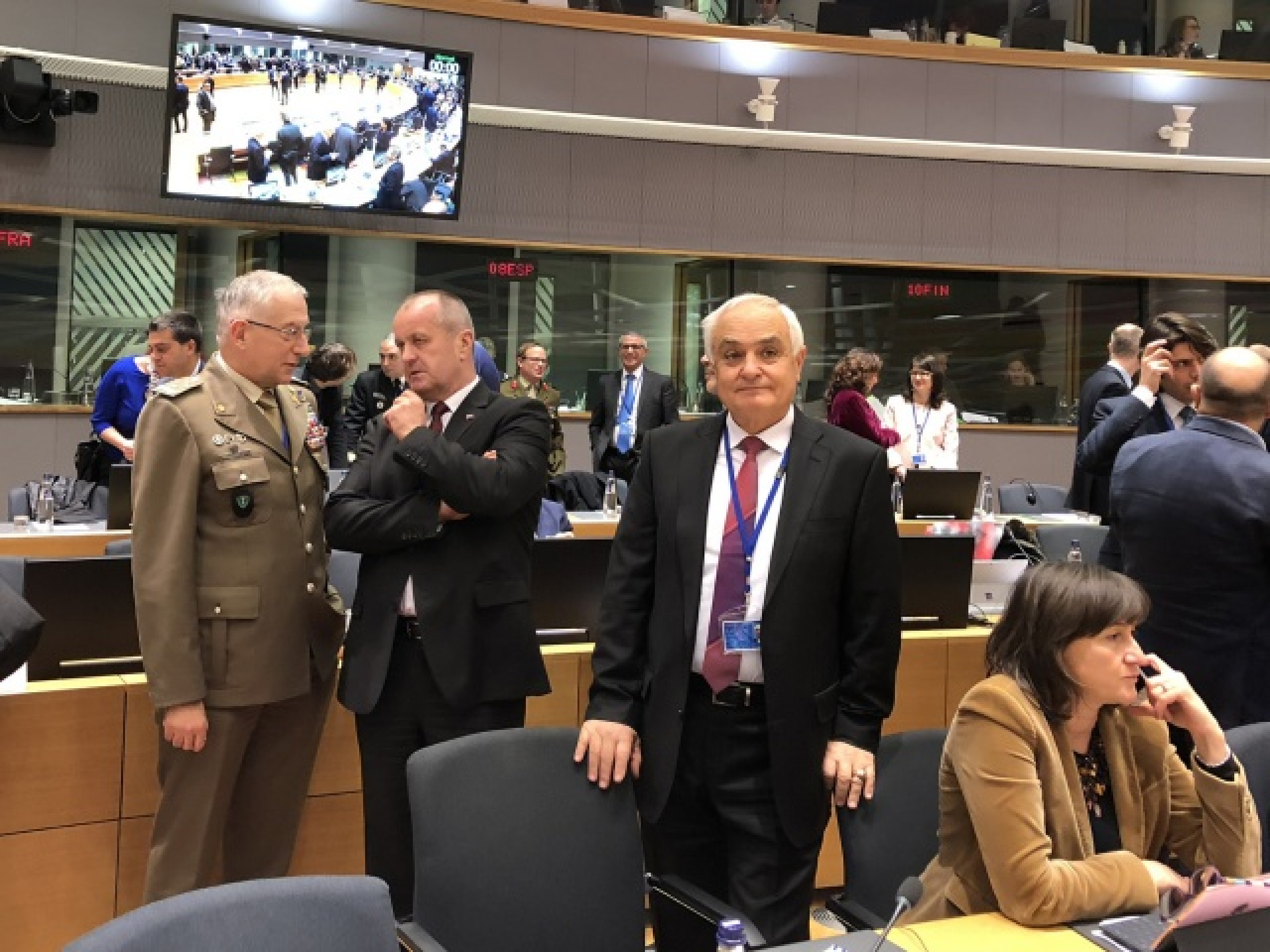
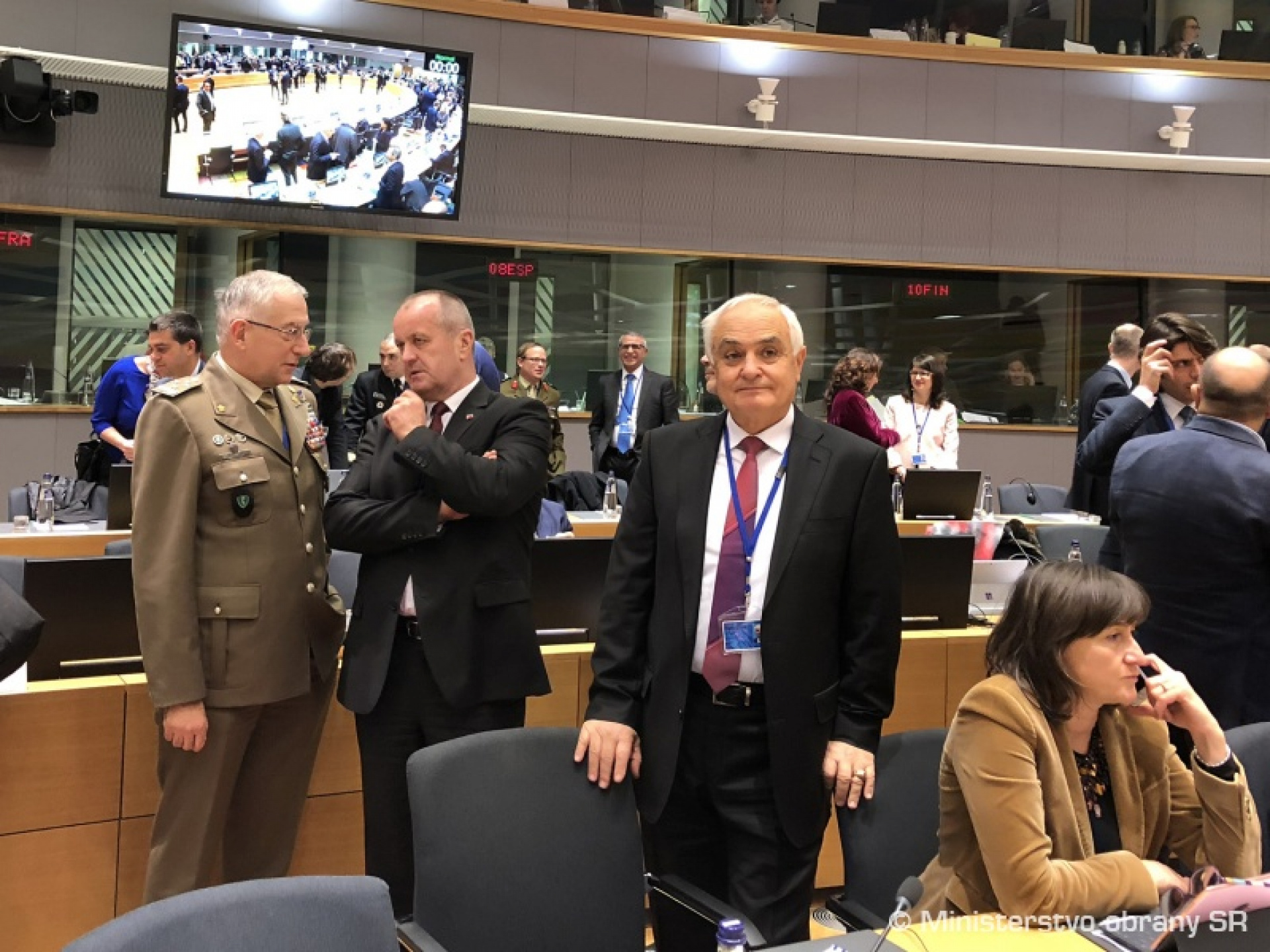
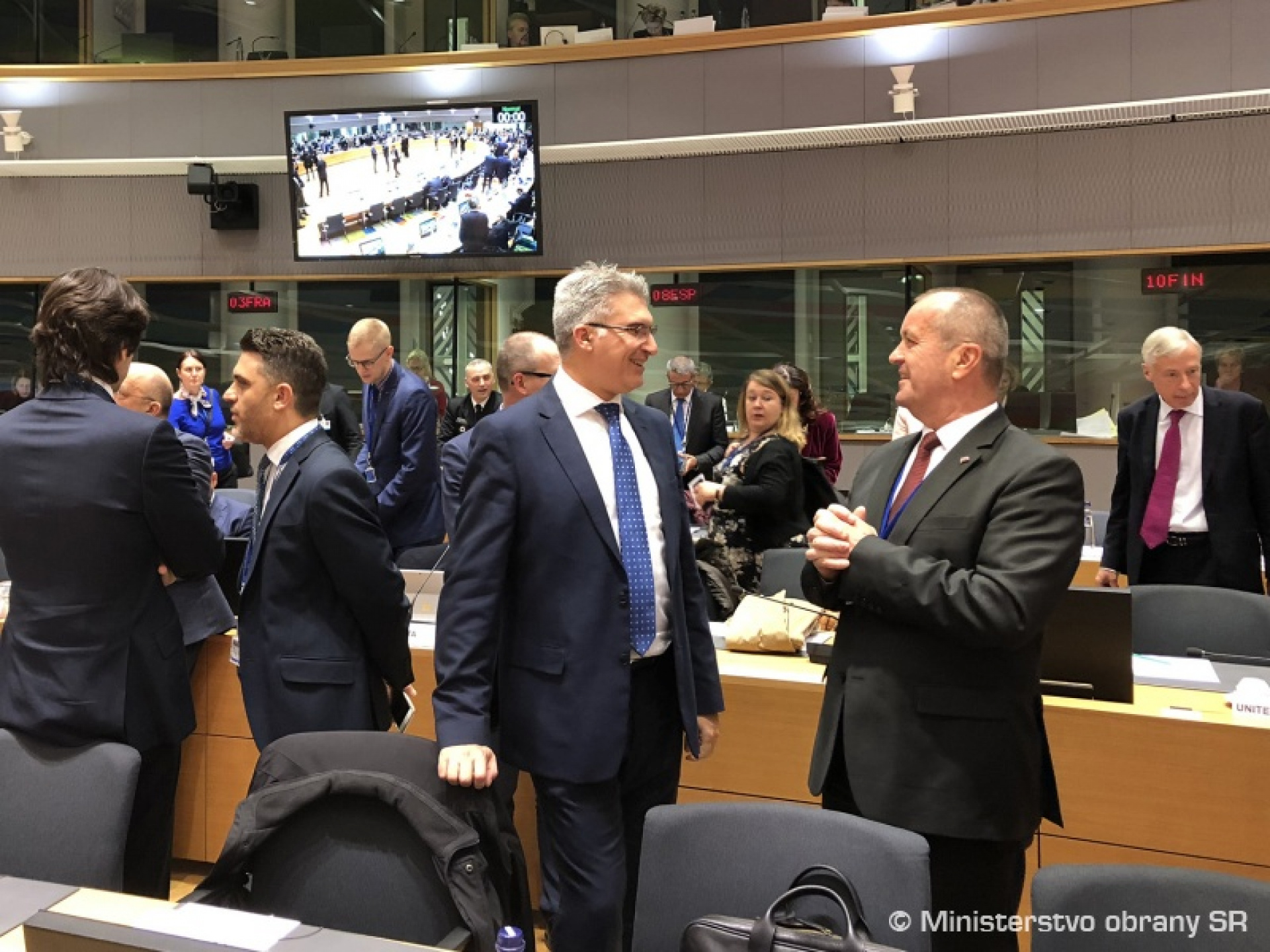
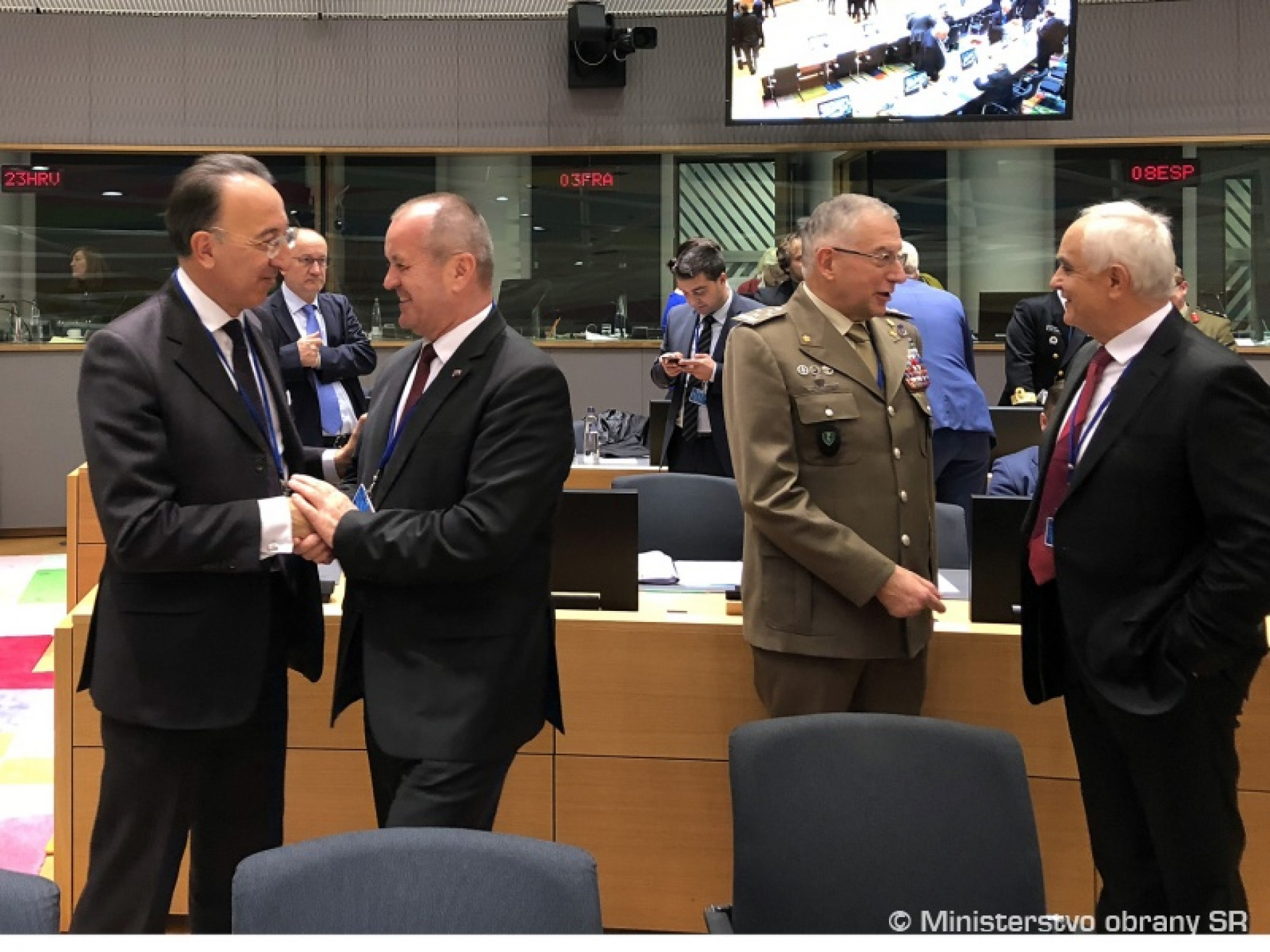
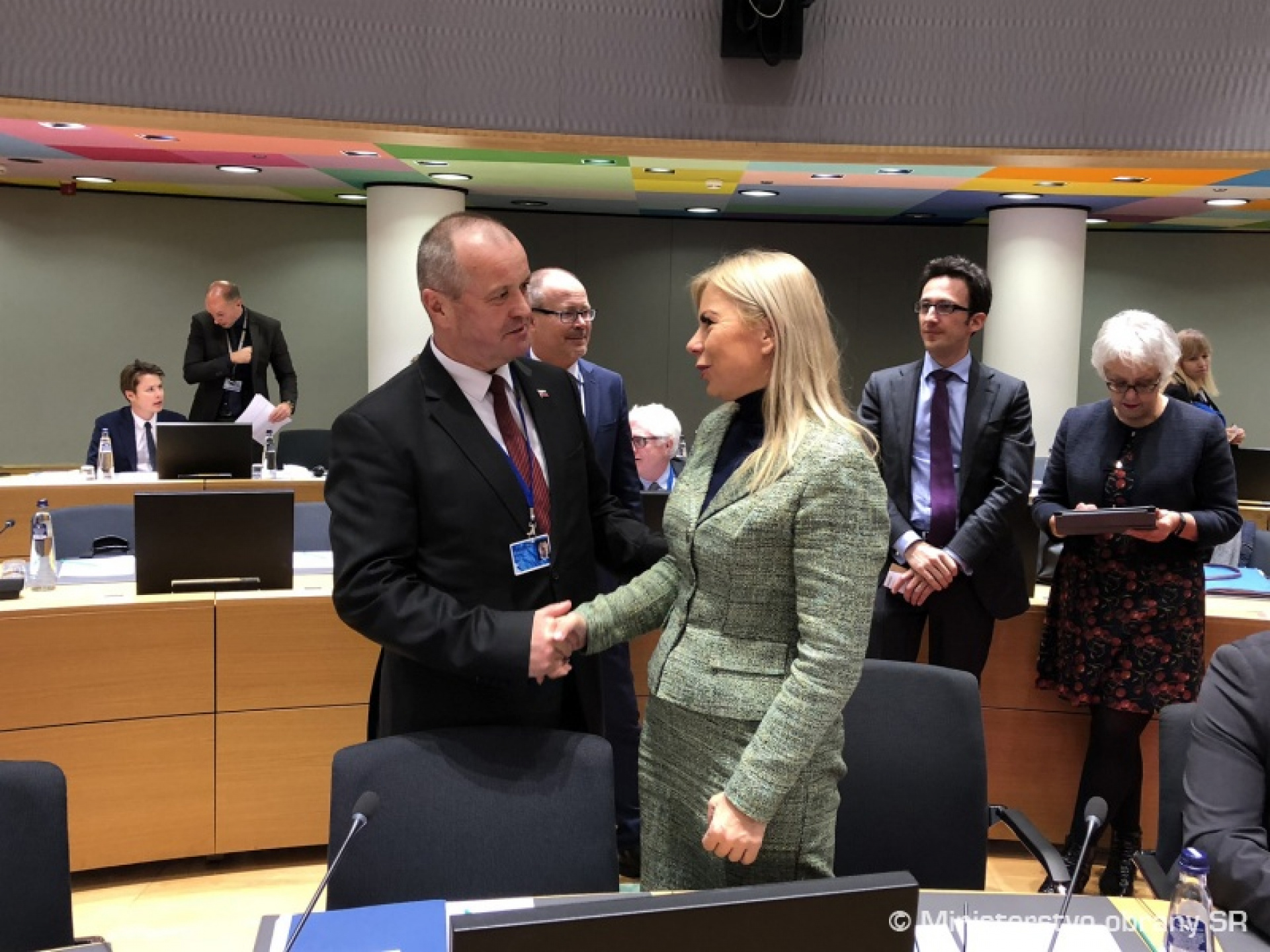
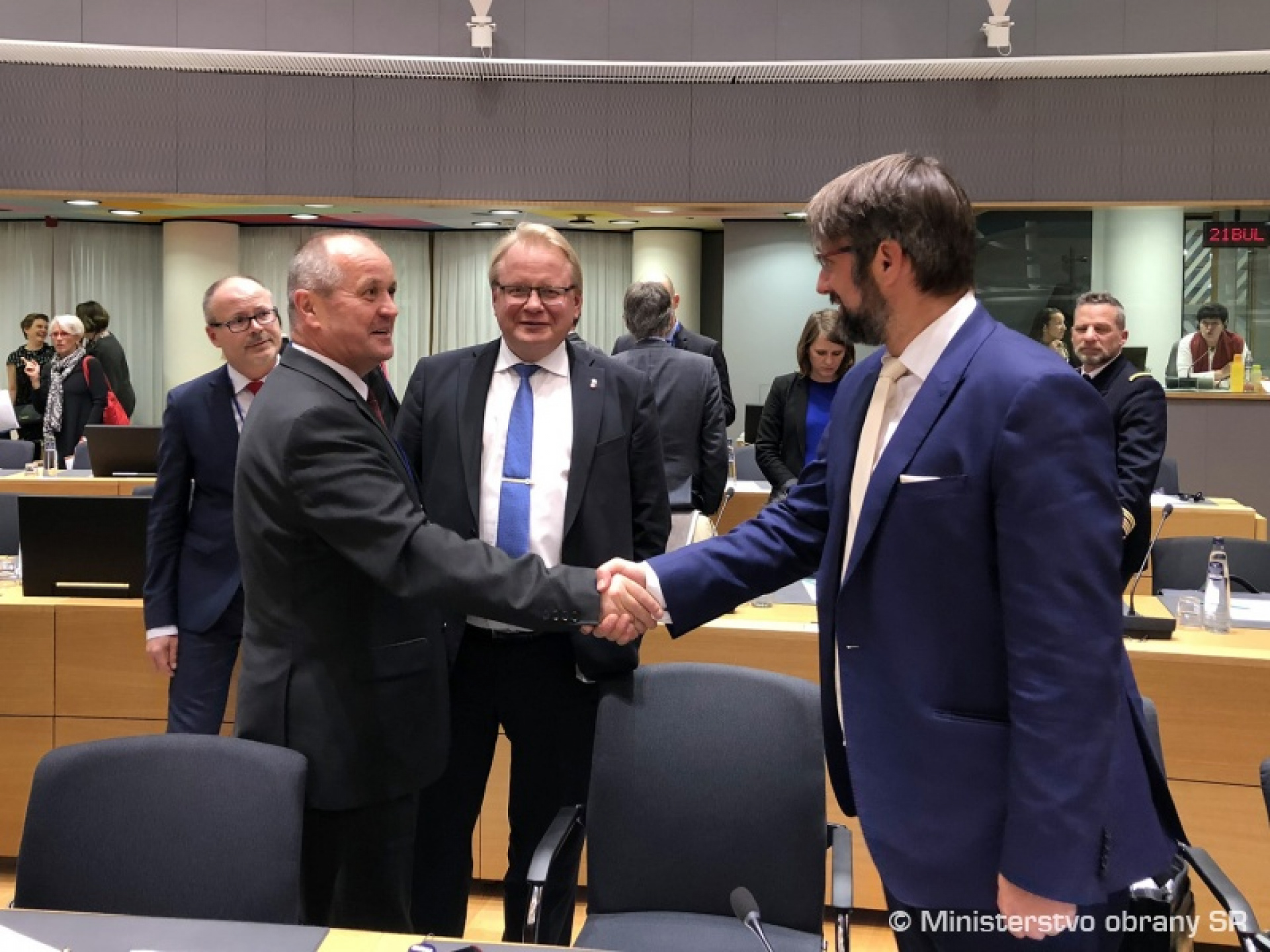
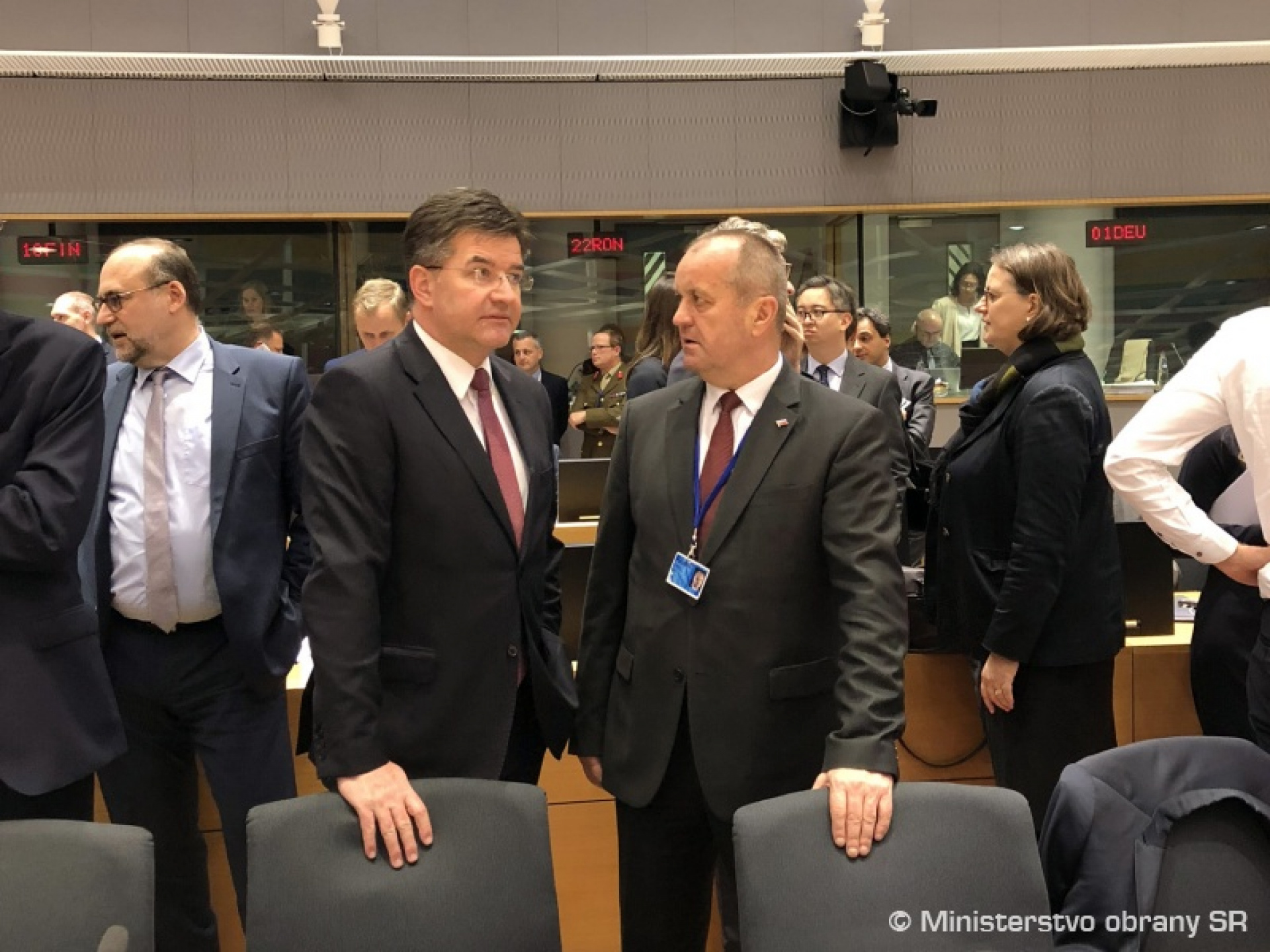
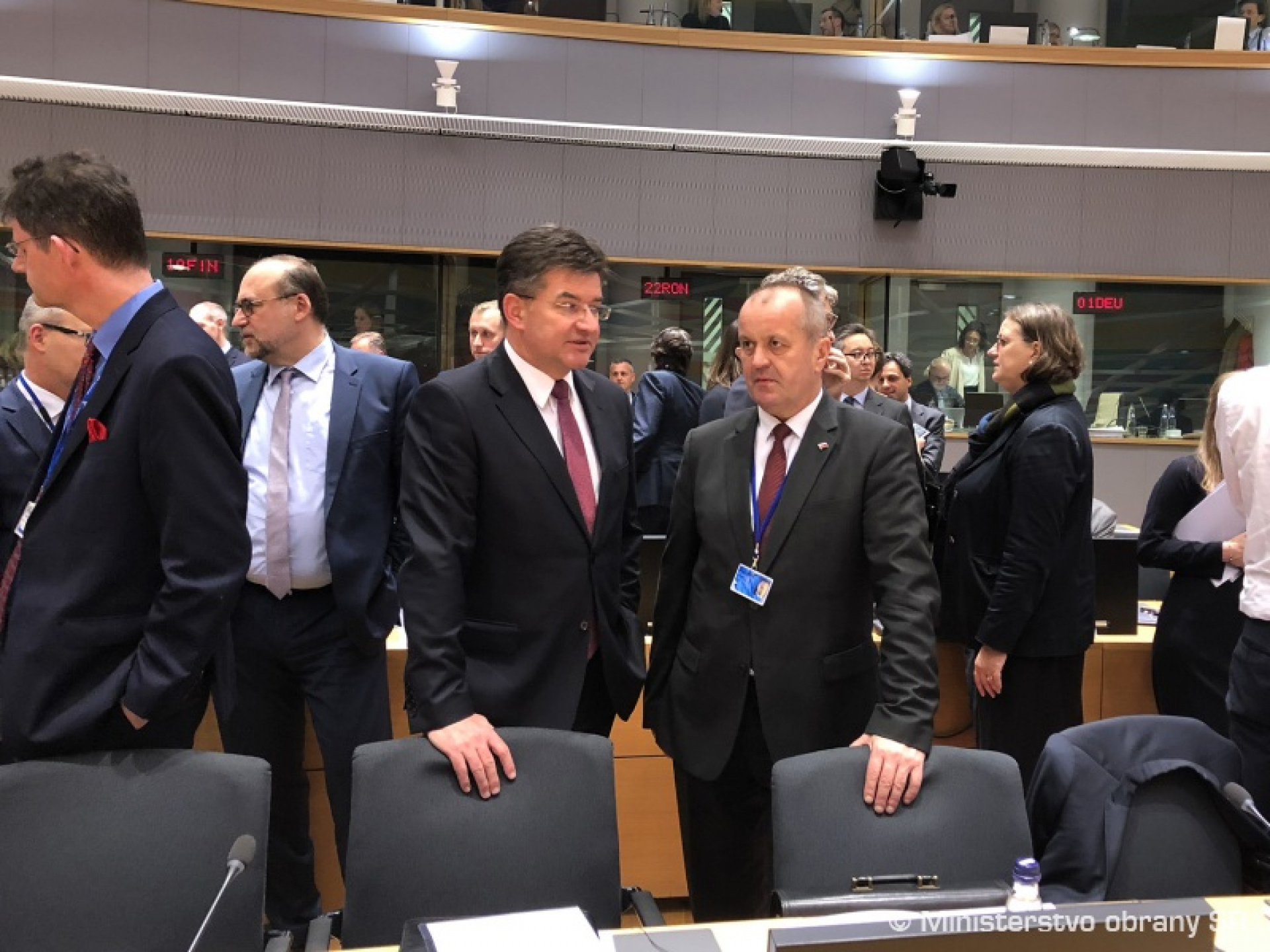
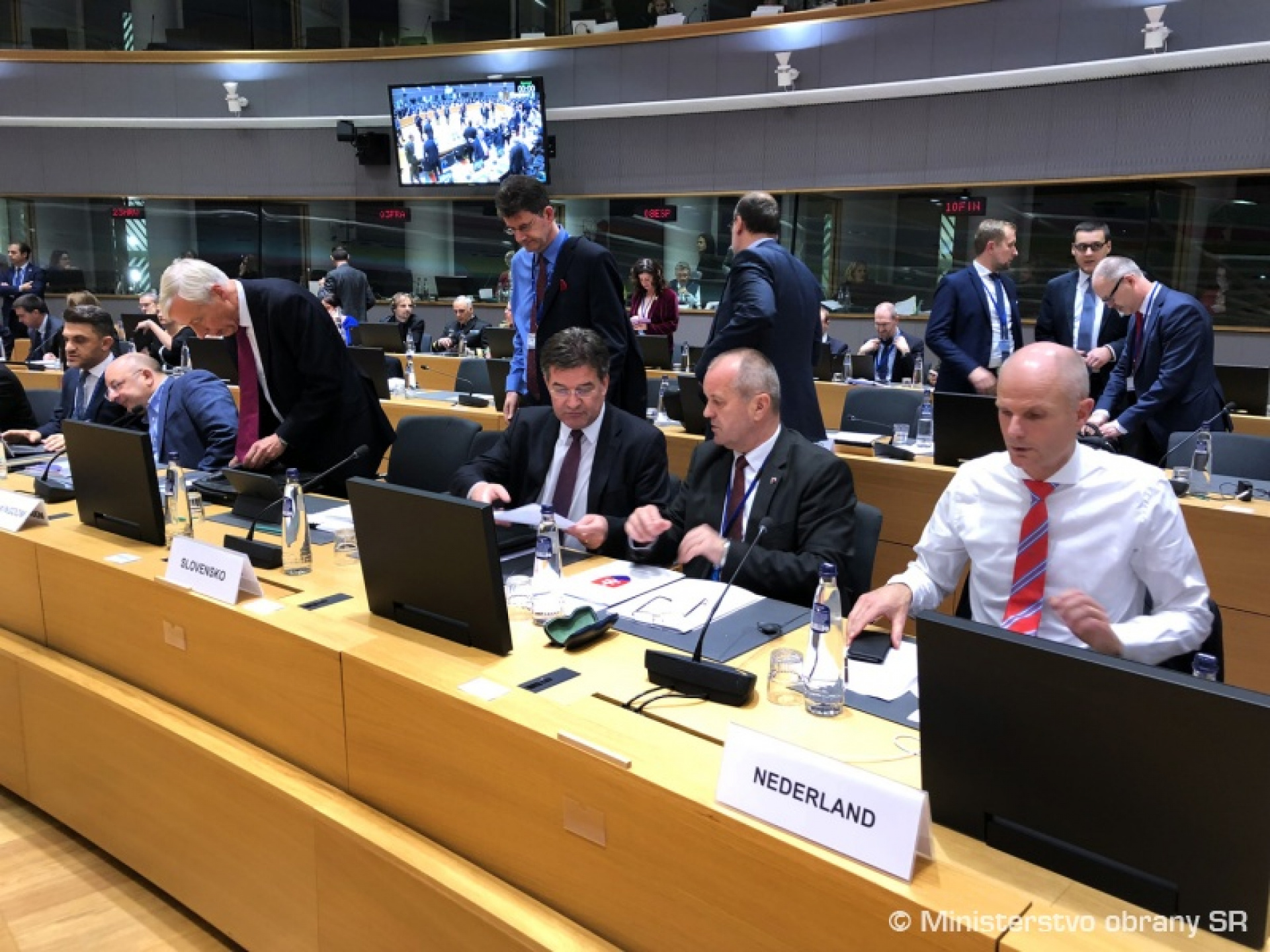
The second wave of Permanent Structured Cooperation (PESCO) projects – the joint initiative of EU countries is becoming a reality. This was confirmed by EU defence and foreign affairs ministers at the meeting of the Foreign Affairs Council (Defence) in Brussels today (19 November). In addition to PESCO, much of the discussion focused on reviewing the implementation of the EU Global Strategy for Foreign and Security Policy (EUGS), which, more than 2 years on since its official release, is yielding the desired results as the EU steps up its engagement in security and defence.
On the EU GS and PESCO, Minister of Defence Peter Gajdoš said: “The Slovak Republic has been actively involved in delivering on the priorities of the EU Global Strategy. This is evidenced by our participation in PESCO, where we have participated in specific projects aimed at developing defence capabilities, whilst advancing cooperation among EU countries. As part of the so-called second wave of PESCO projects, which has been approved today, the Slovak Republic will join another 3 projects. As a regular member of 1 project and as an observer of 2 projects with an option to join later.” He added that Slovakiaʼs EuroArtillery – Indirect Fire Support project had made it among the initial 17 collaborative PESCO projects.
EU defence and foreign affairs ministers also addressed the rules for third countriesʼ participation in PESCO projects. In this respect, Minister Gajdoš underscored the added value the third countries can offer to specific projects. “Although the participation of non-EU countries in PESCO projects is a relatively sensitive issue with a number of open questions, I believe we will succeed in reaching a generally acceptable compromise, because the implementation of PESCO projects is an opportunity to reinforce the defence capabilities of all participating countries,” he said.
Todayʼs meeting of the Foreign Affairs Council (Defence) was dominated by the CSDPʼs Military Planning and Conduct Capability (MPCC), which forms part of the EU Military Staff (EUMS) structure and which is to streamline the EUʼs military missions in Africa. Heads of both defence and foreign affairs departments also dealt with the proposal put forward by the High Representative of the European Union for Foreign Affairs and Security Policy for a European Peace Facility (EPF), aimed at funding EU crisis management activities and partner defence capacities.
On the EU GS and PESCO, Minister of Defence Peter Gajdoš said: “The Slovak Republic has been actively involved in delivering on the priorities of the EU Global Strategy. This is evidenced by our participation in PESCO, where we have participated in specific projects aimed at developing defence capabilities, whilst advancing cooperation among EU countries. As part of the so-called second wave of PESCO projects, which has been approved today, the Slovak Republic will join another 3 projects. As a regular member of 1 project and as an observer of 2 projects with an option to join later.” He added that Slovakiaʼs EuroArtillery – Indirect Fire Support project had made it among the initial 17 collaborative PESCO projects.
EU defence and foreign affairs ministers also addressed the rules for third countriesʼ participation in PESCO projects. In this respect, Minister Gajdoš underscored the added value the third countries can offer to specific projects. “Although the participation of non-EU countries in PESCO projects is a relatively sensitive issue with a number of open questions, I believe we will succeed in reaching a generally acceptable compromise, because the implementation of PESCO projects is an opportunity to reinforce the defence capabilities of all participating countries,” he said.
Todayʼs meeting of the Foreign Affairs Council (Defence) was dominated by the CSDPʼs Military Planning and Conduct Capability (MPCC), which forms part of the EU Military Staff (EUMS) structure and which is to streamline the EUʼs military missions in Africa. Heads of both defence and foreign affairs departments also dealt with the proposal put forward by the High Representative of the European Union for Foreign Affairs and Security Policy for a European Peace Facility (EPF), aimed at funding EU crisis management activities and partner defence capacities.