Exoskeleton 2019 on Trenčín’s ‘Island’
- Author:
- Photo:
- Date: 16.04.2019
- Share: Zdieľať na Facebook
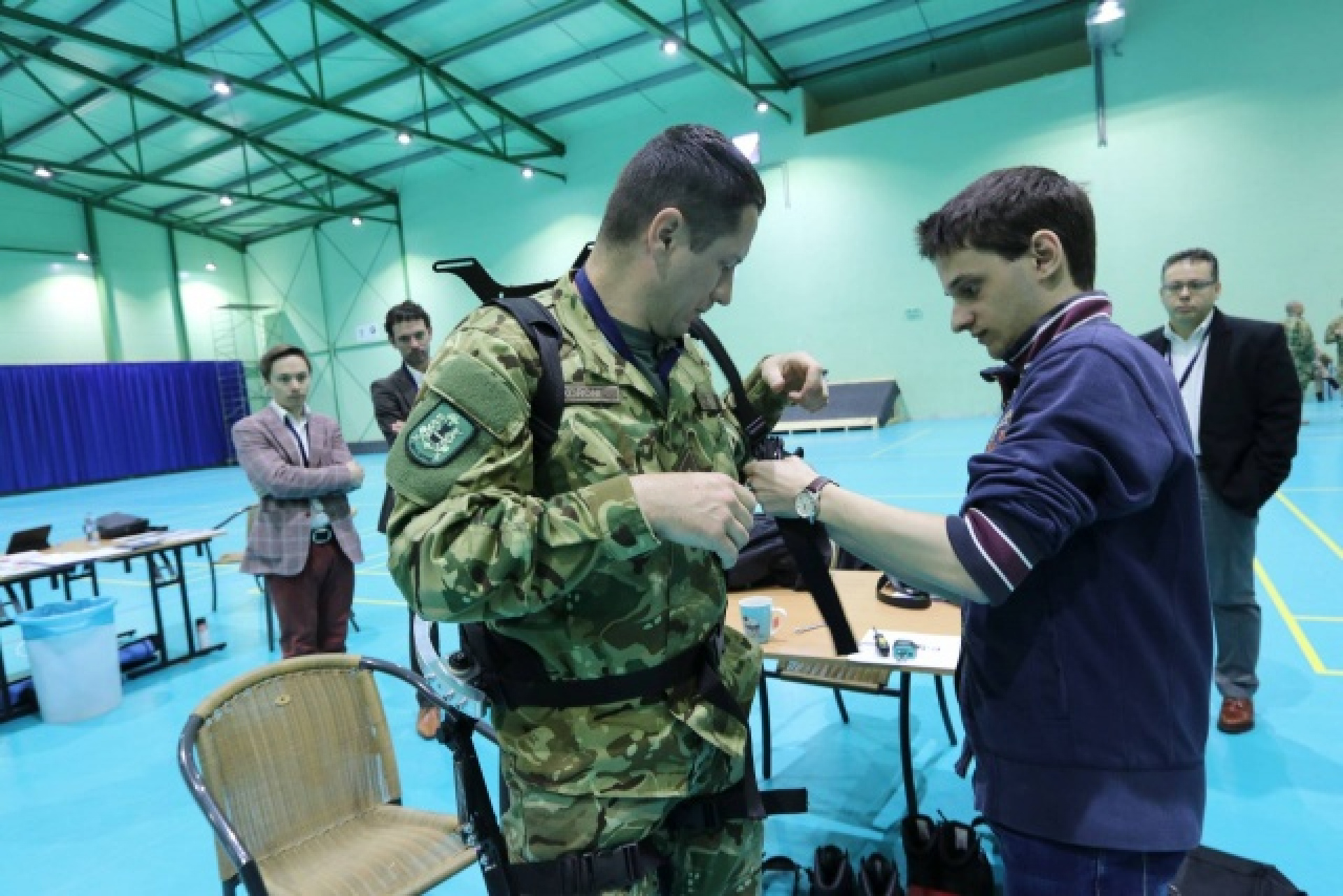
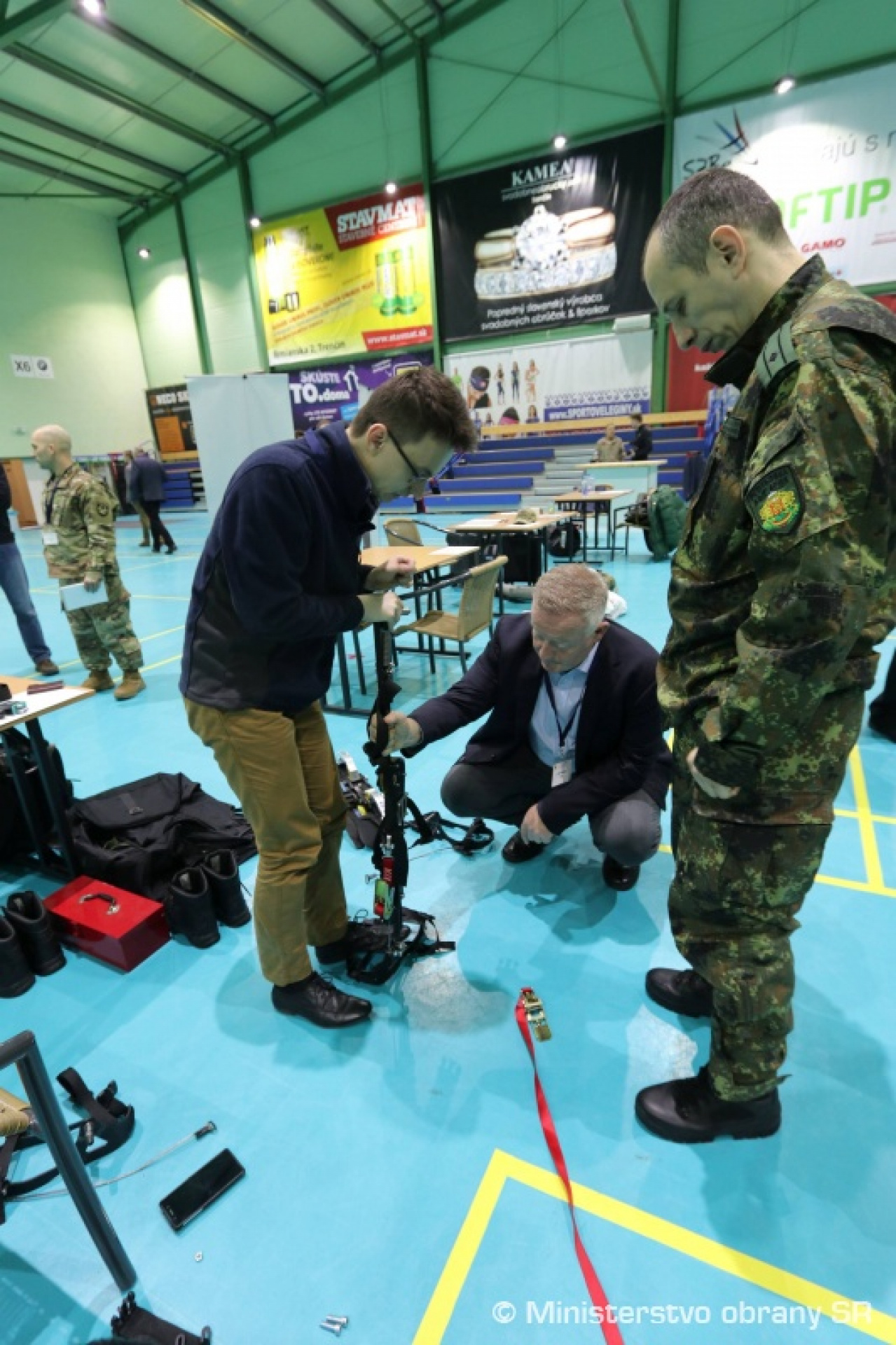
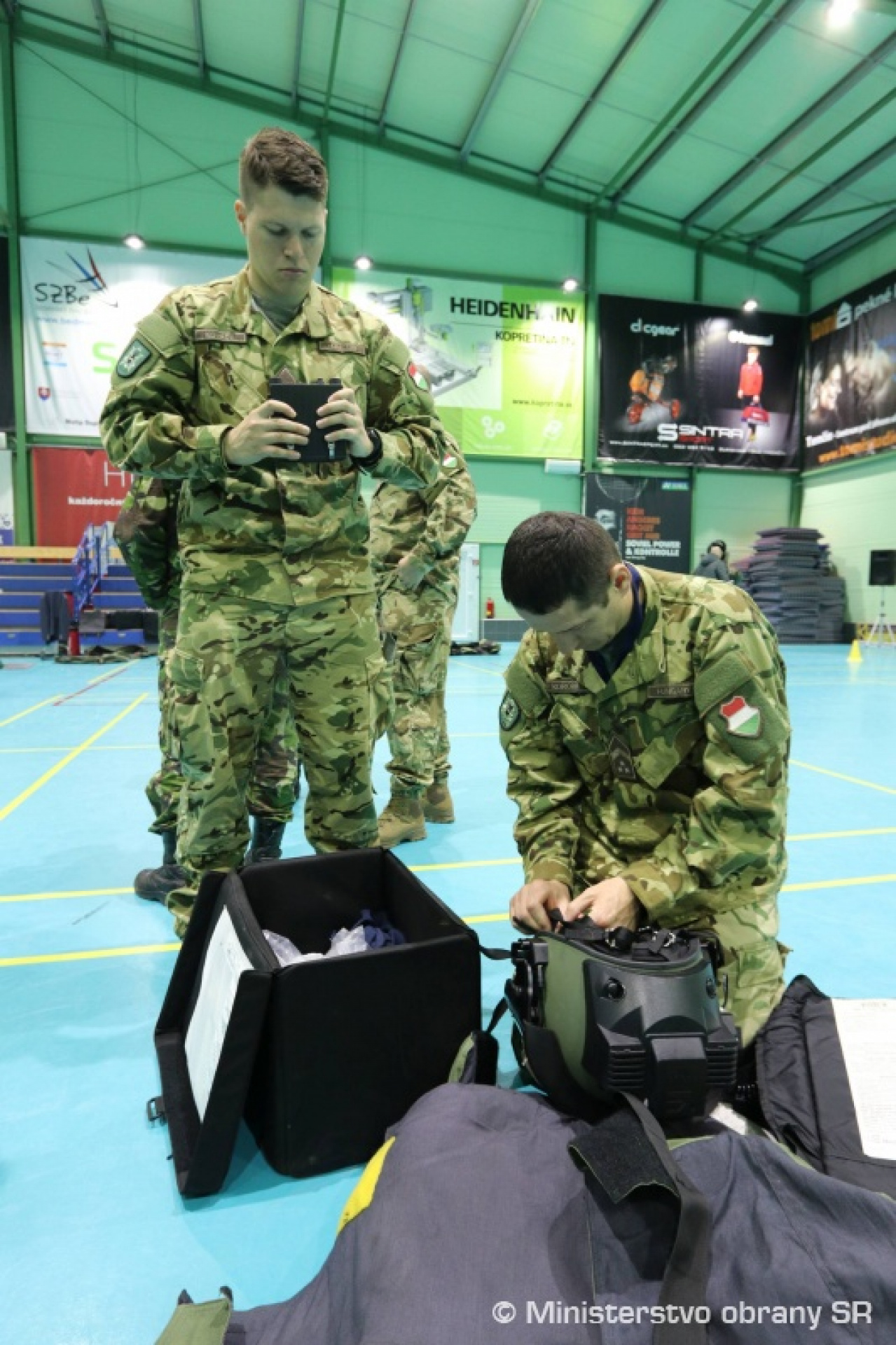
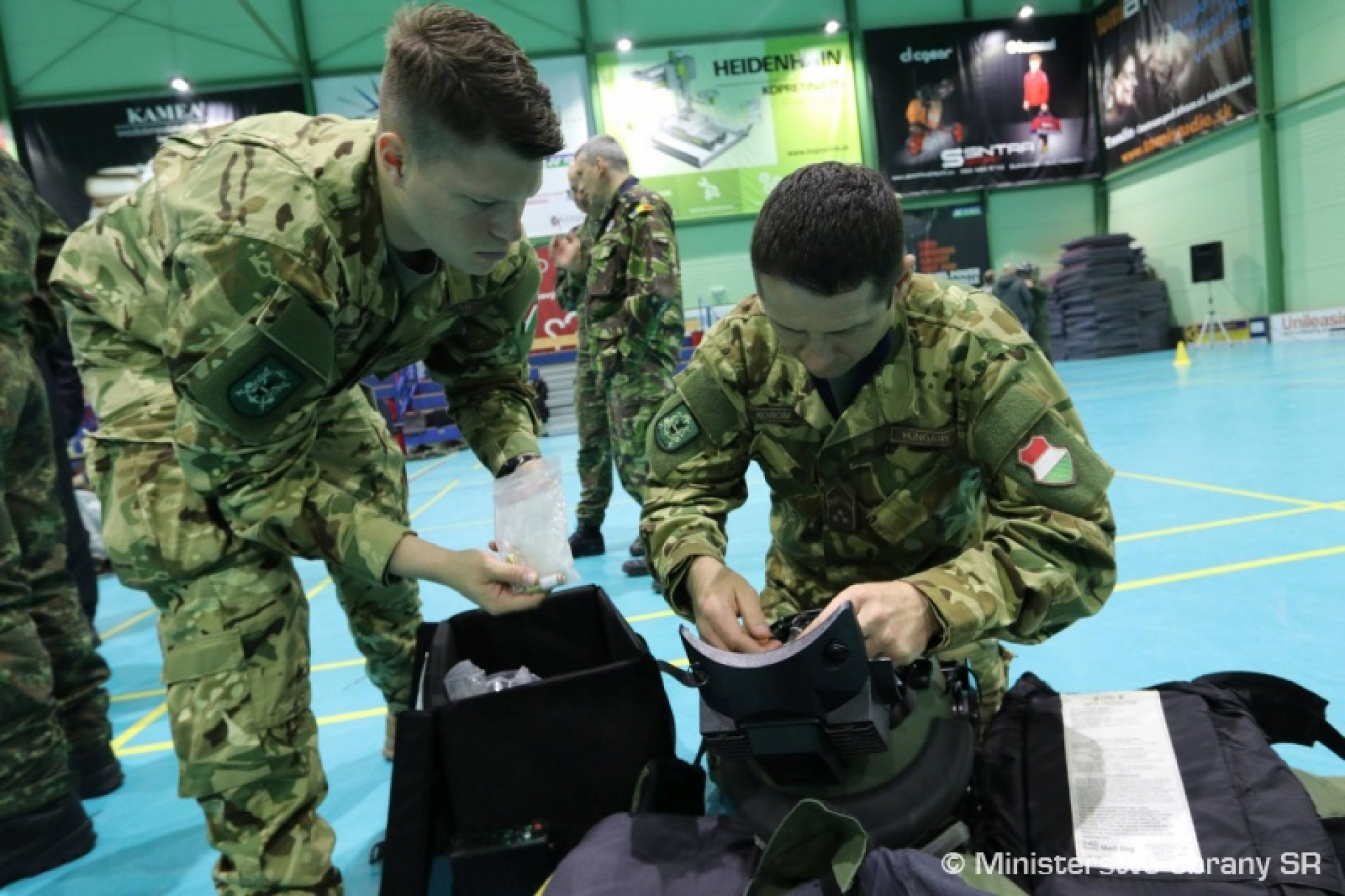
The M-Centre, located on Trenčín’s ‘Island’ in the Váh River, hosted the 4th Integration of the Exoskeleton in the Battlefield Workshop with those Exoskeleton manufacturers from NATO countries who had accepted an invitation to the workshop in support of EOD operators.
According to Lt Col Milan Jankura, Chief of the Standardization Section, NATO Explosive Ordnance Disposal Centre of Excellence (NATO EOD COE) Trenčín, the event’s tradition dates back to 2017. That is when the Trenčín-based NATO EOD COE assumed the role of the project manager for the Integration of the Exoskeleton in the Battlefield project.
On the project’s evolution, Lt Col Jankura said: “The NATO Communications and Information Agency (NCIA), based in Brussels, has been involved in the project development. The entire project is funded from NATO resources, i.e. the Alliance’s Defence Against Terrorism Programme of Work (NATO DAT POW). The first workshop was organised in Trenčín, the second one in Belgium, and the third one in Prague last year.”
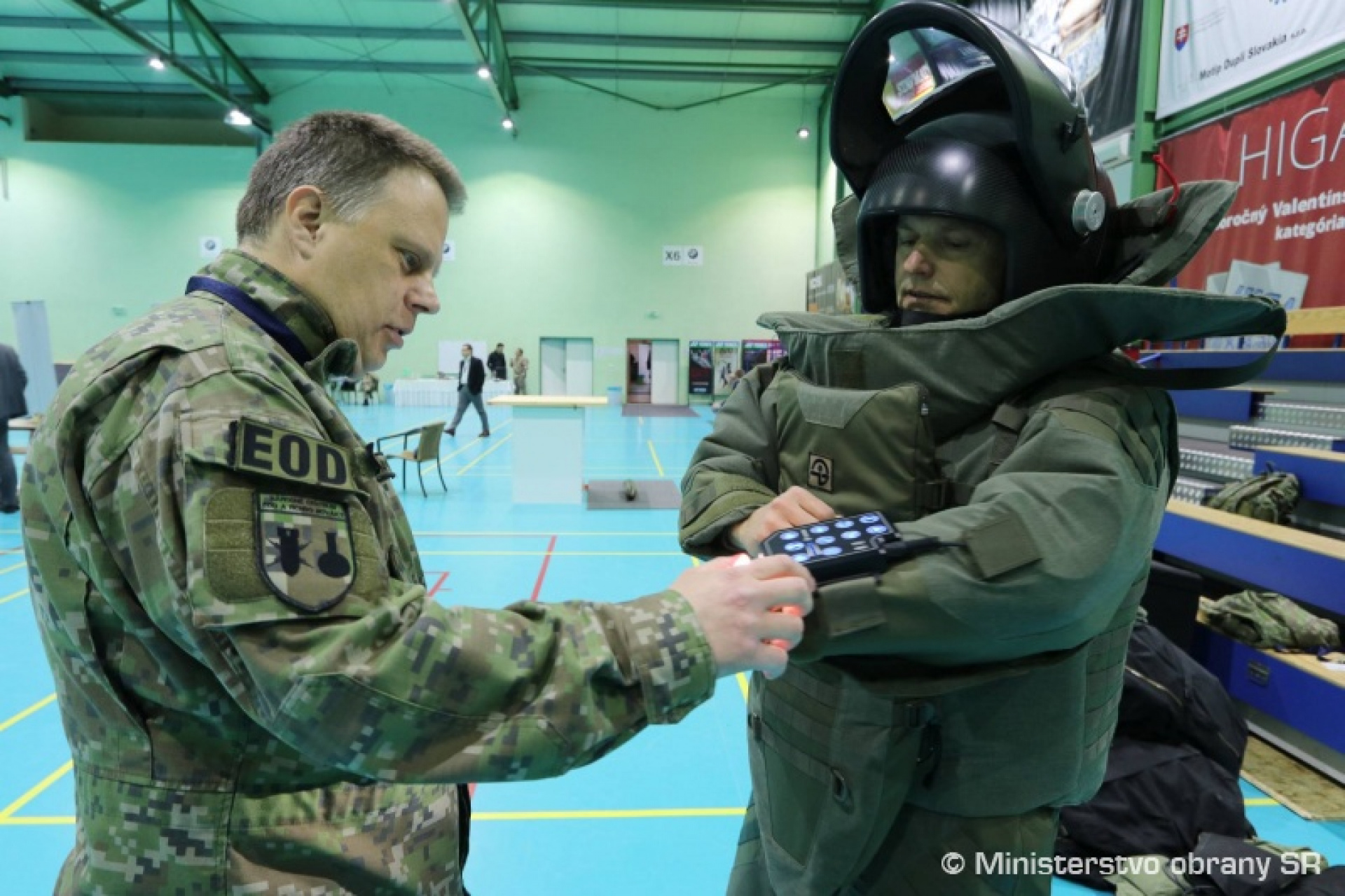
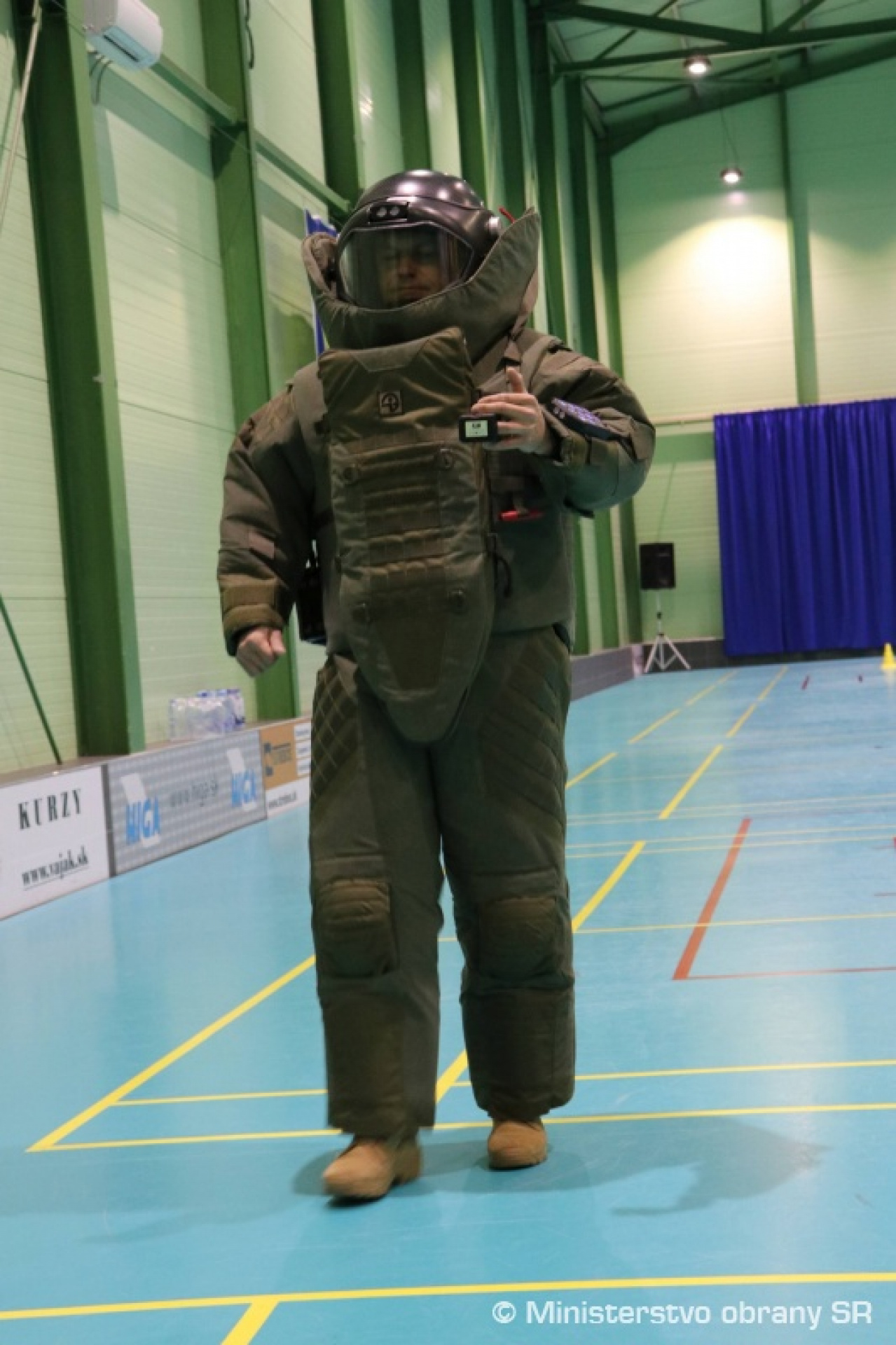
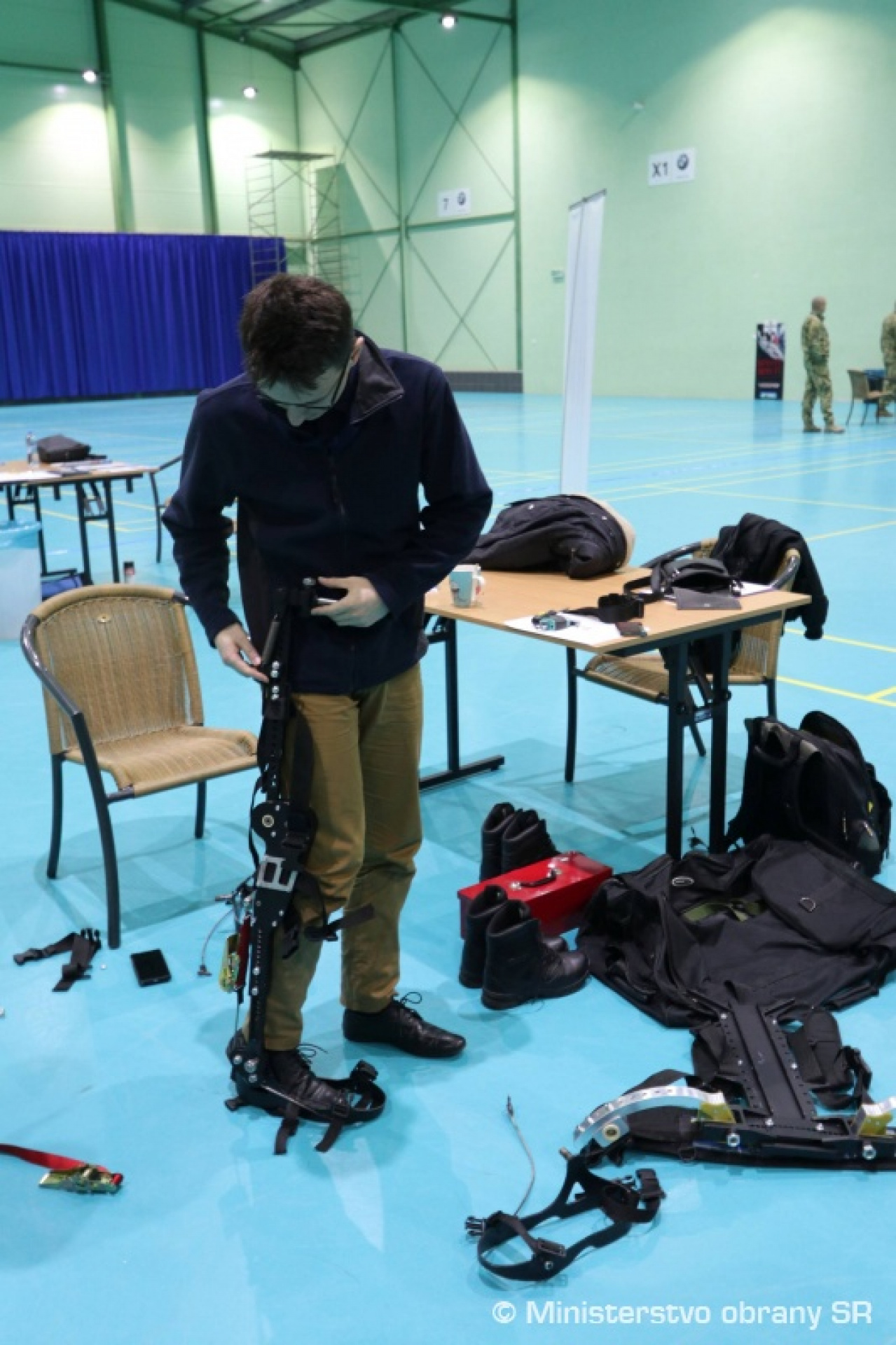
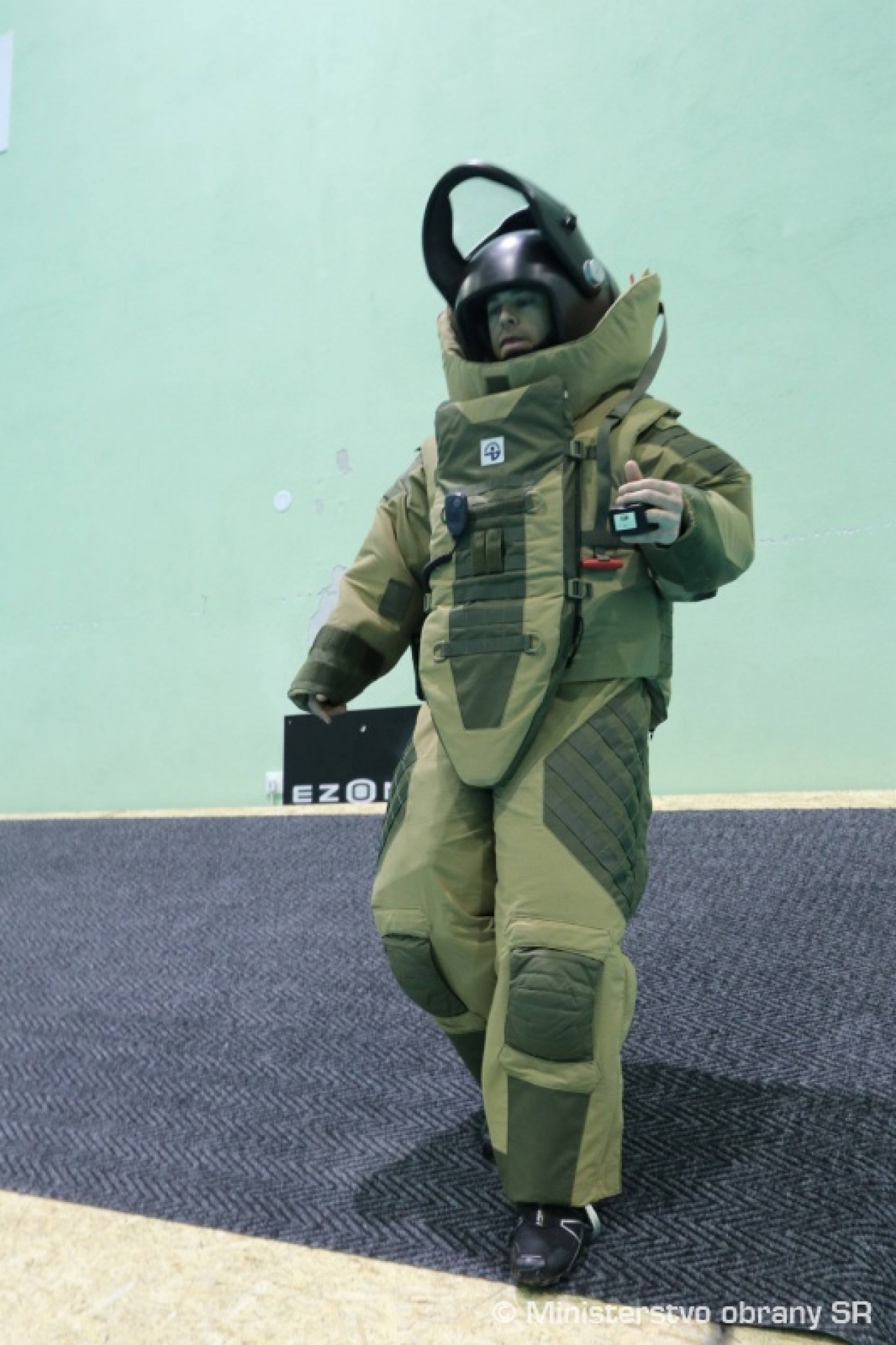
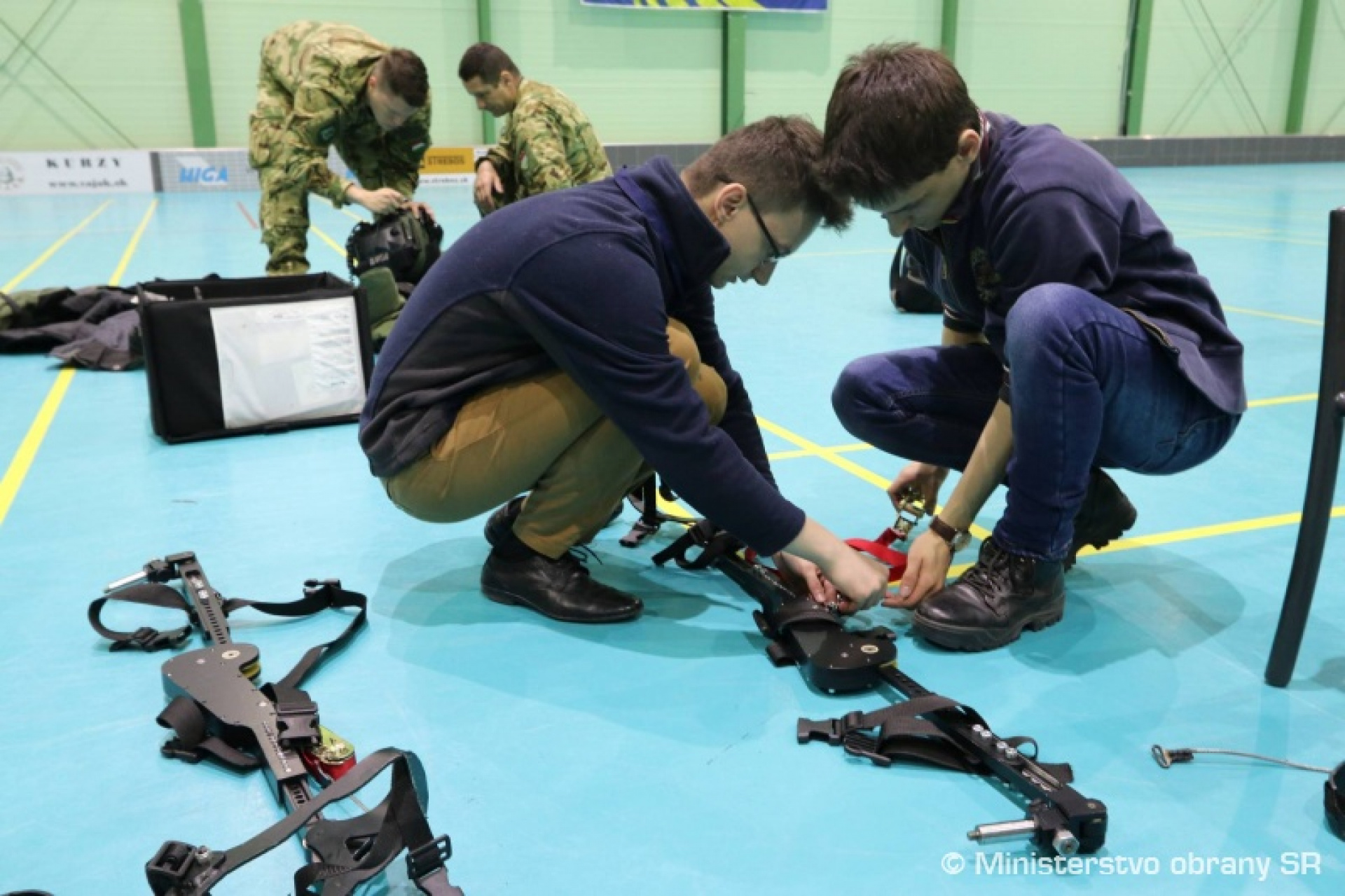
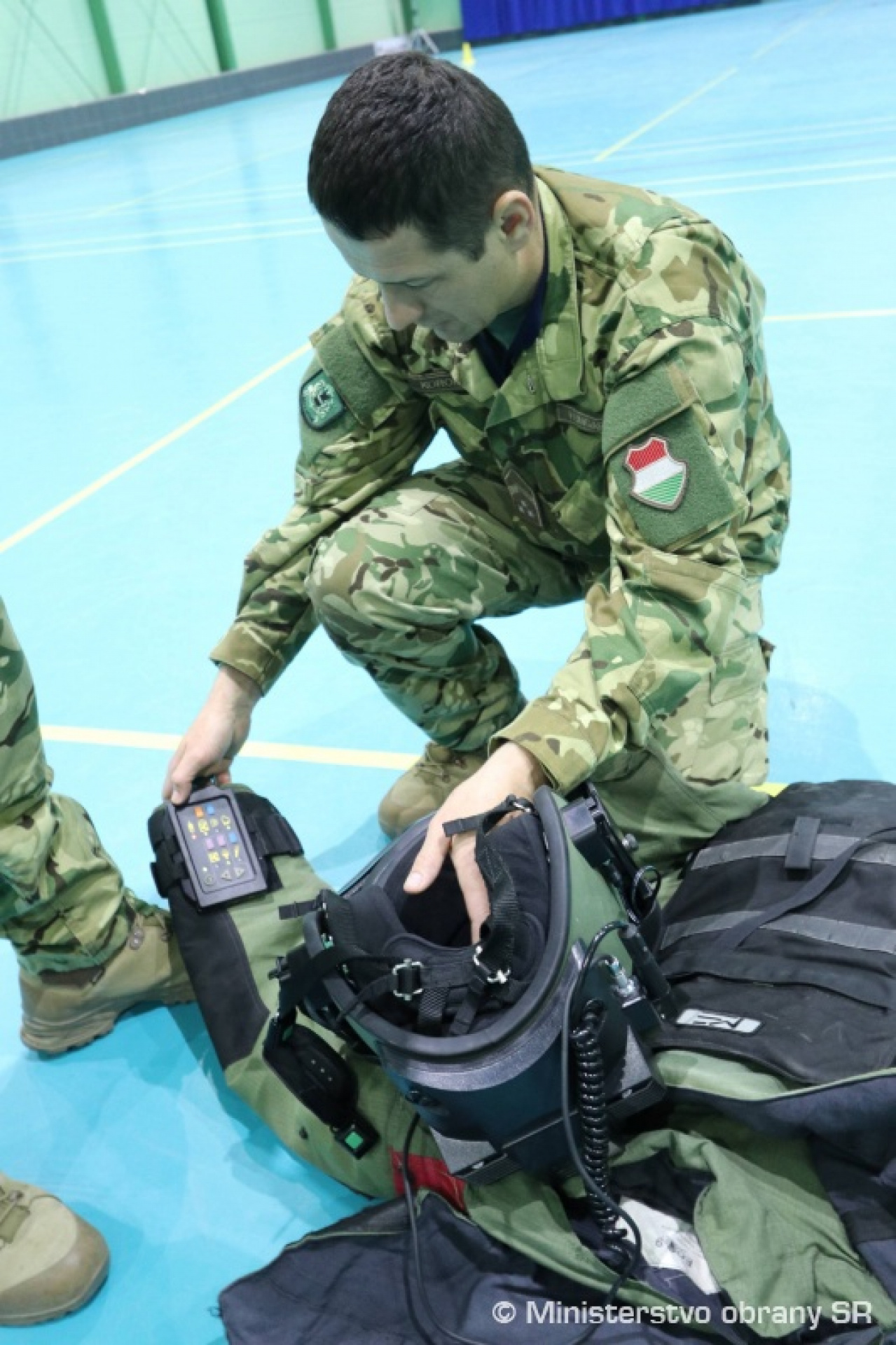
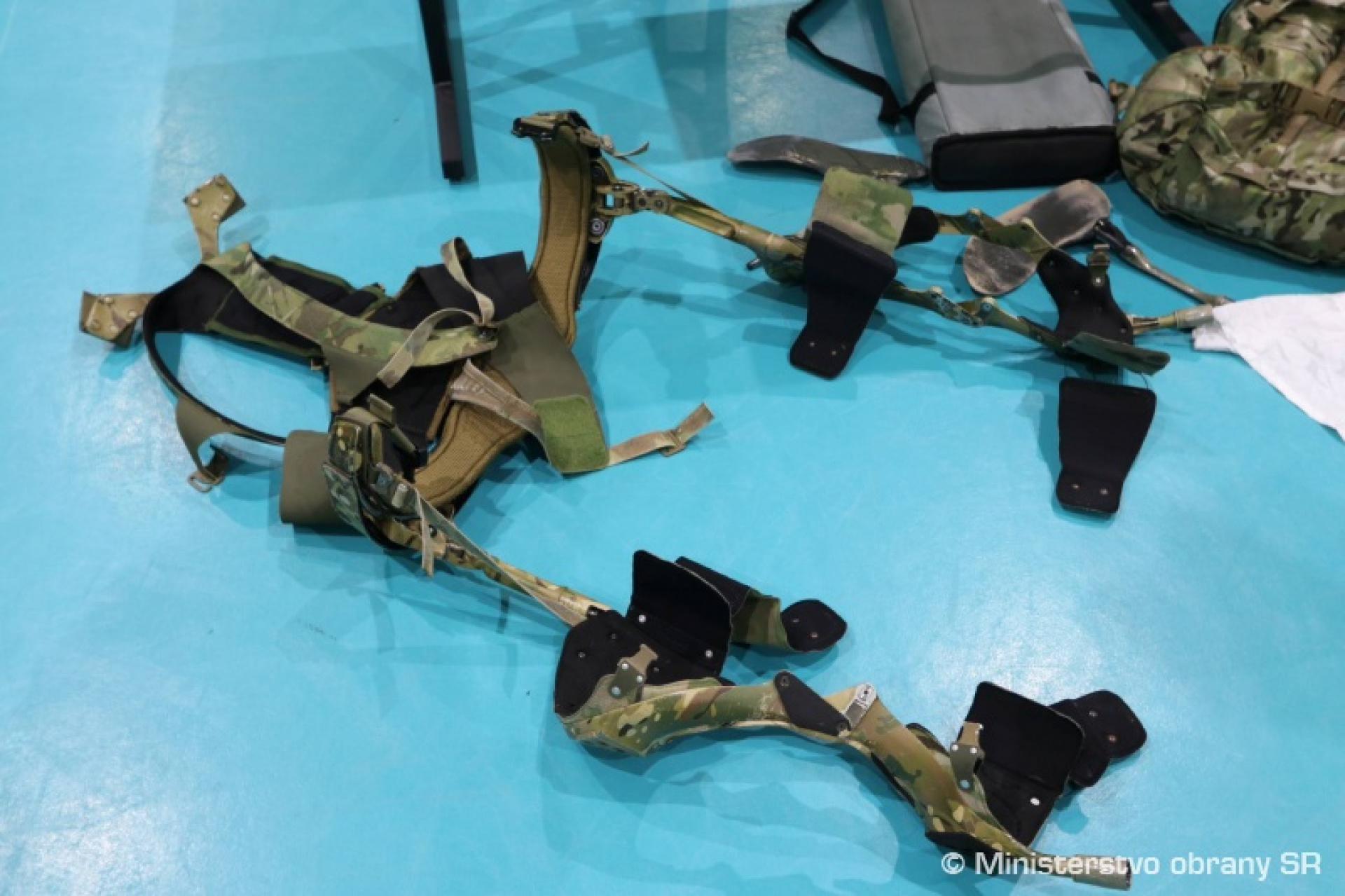
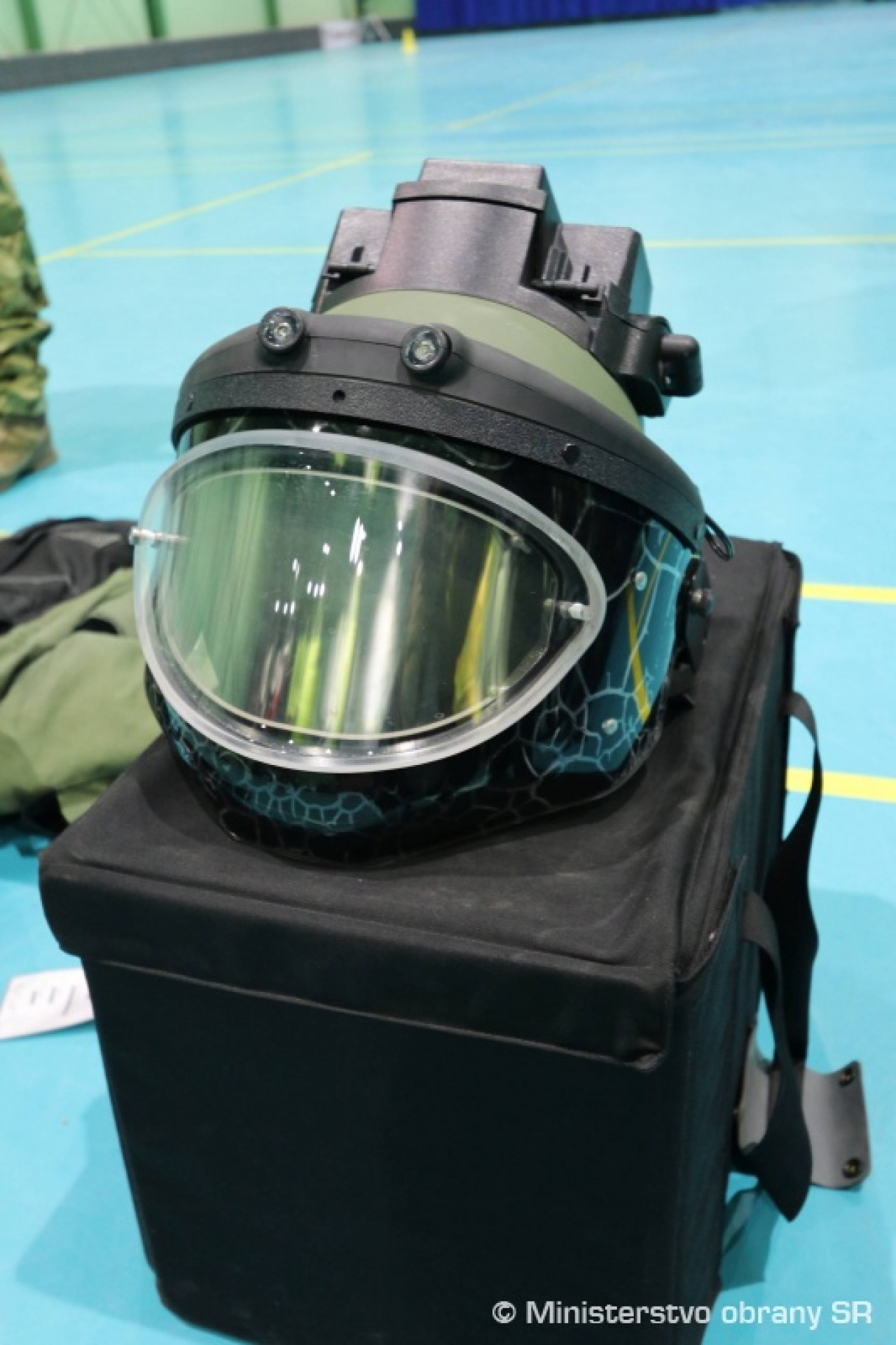
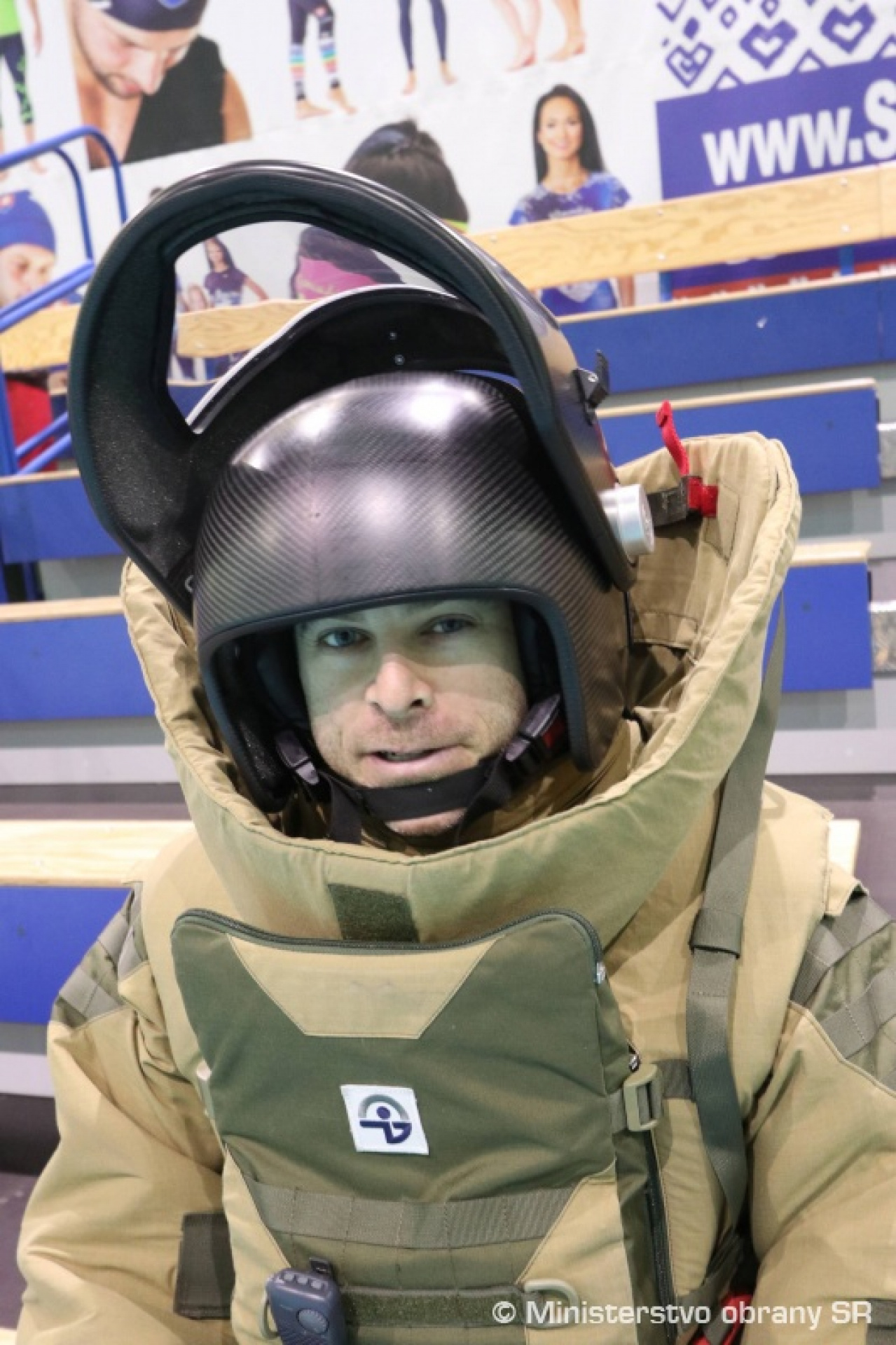
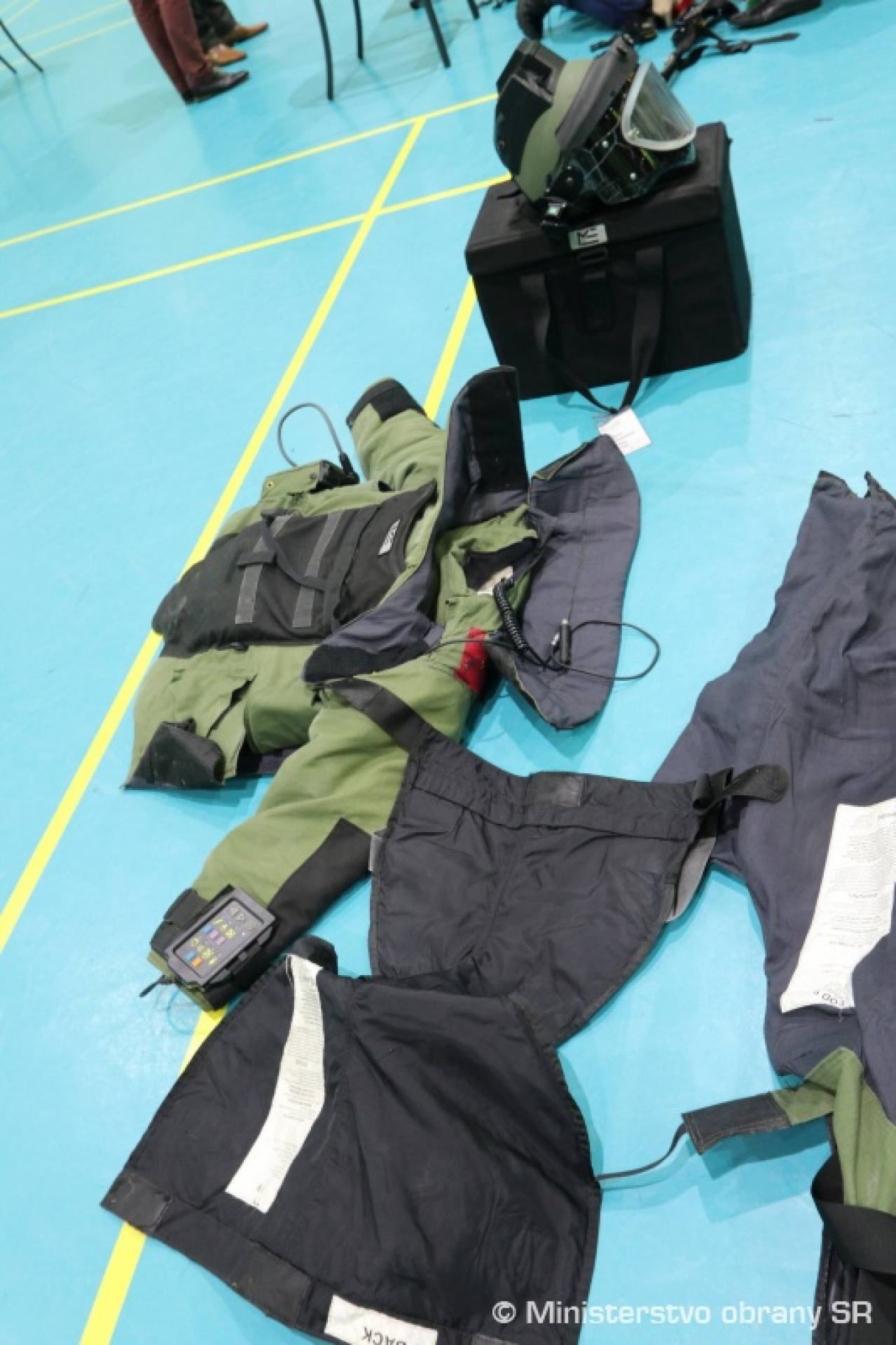
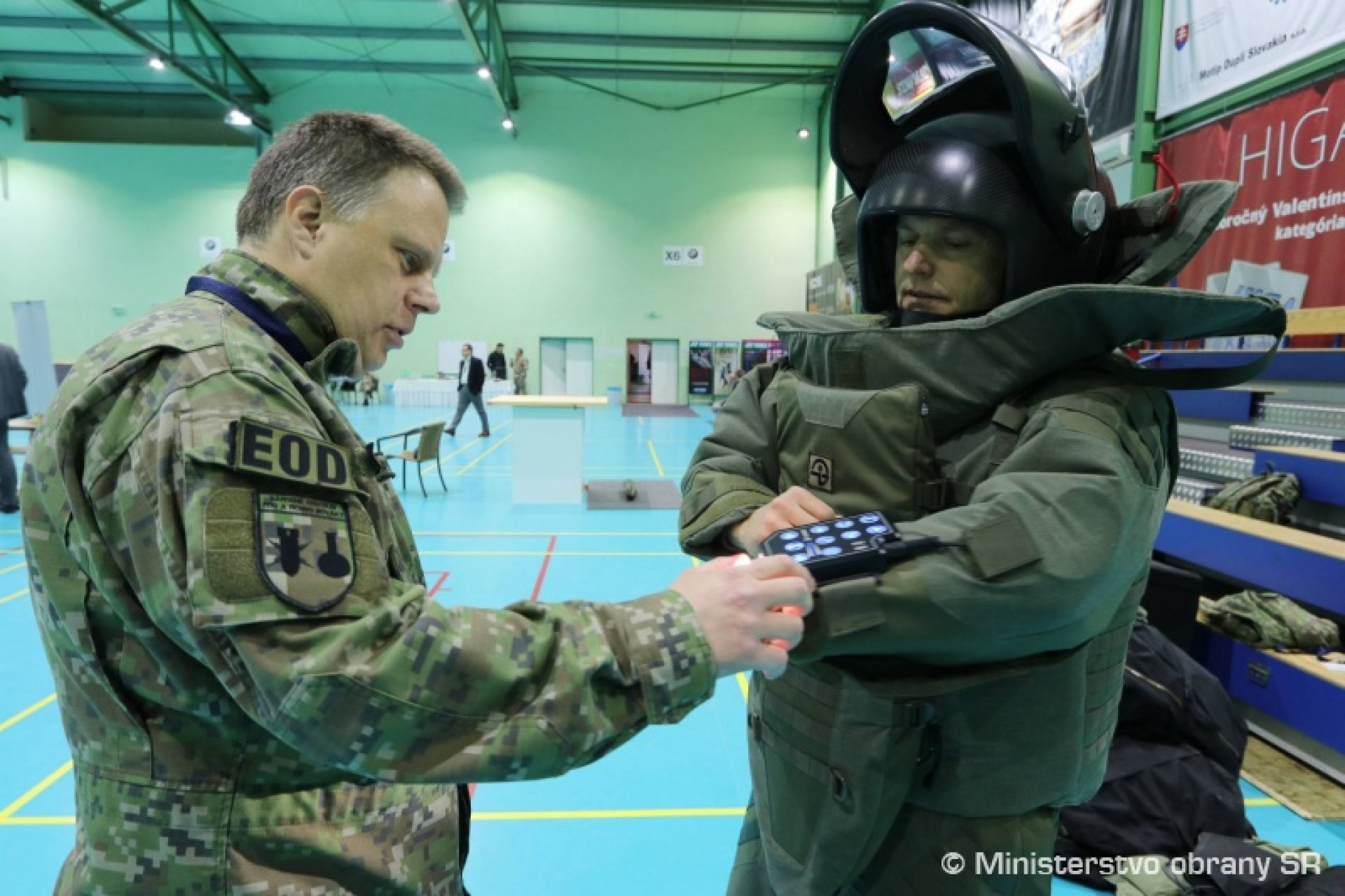
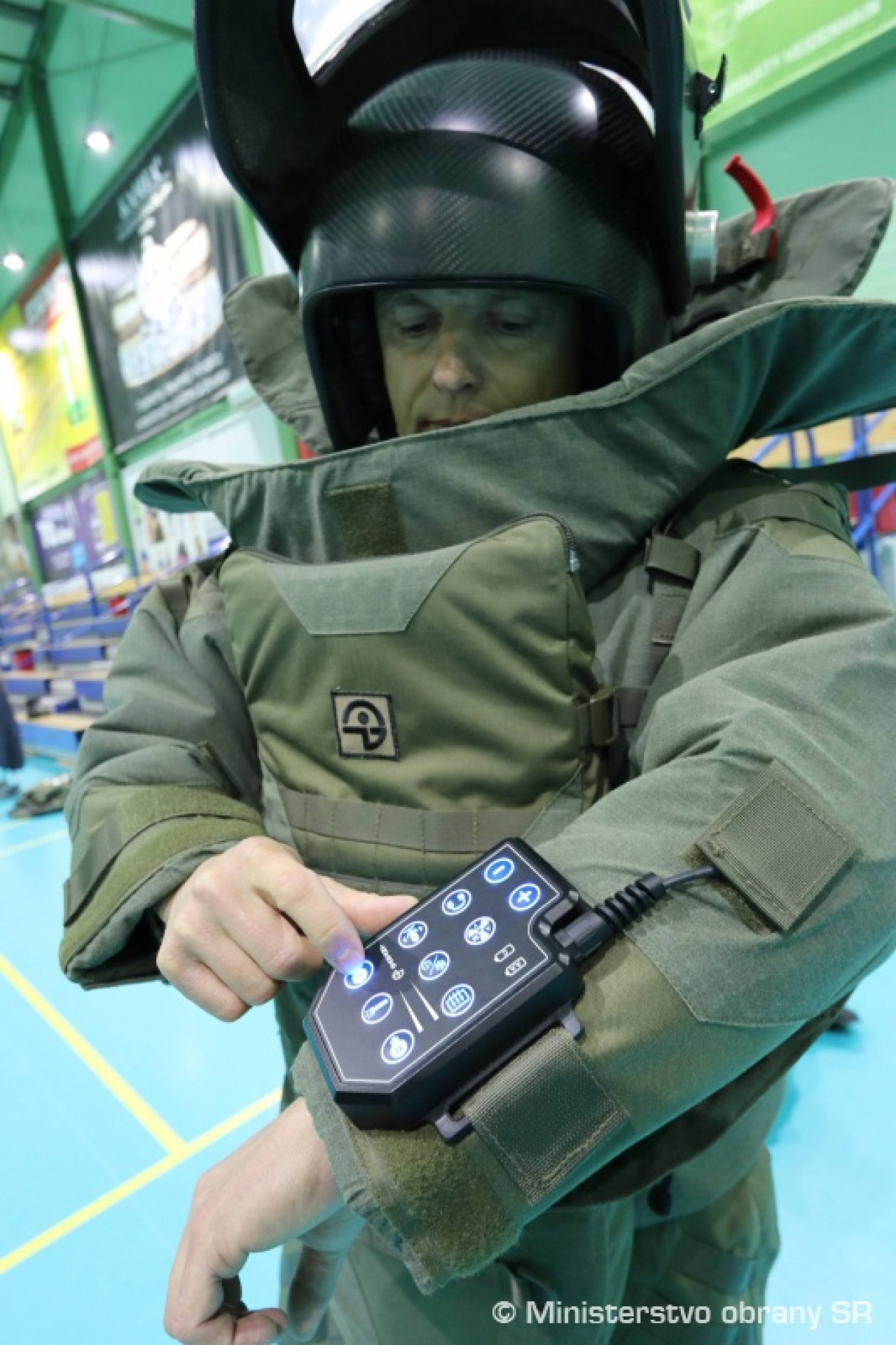
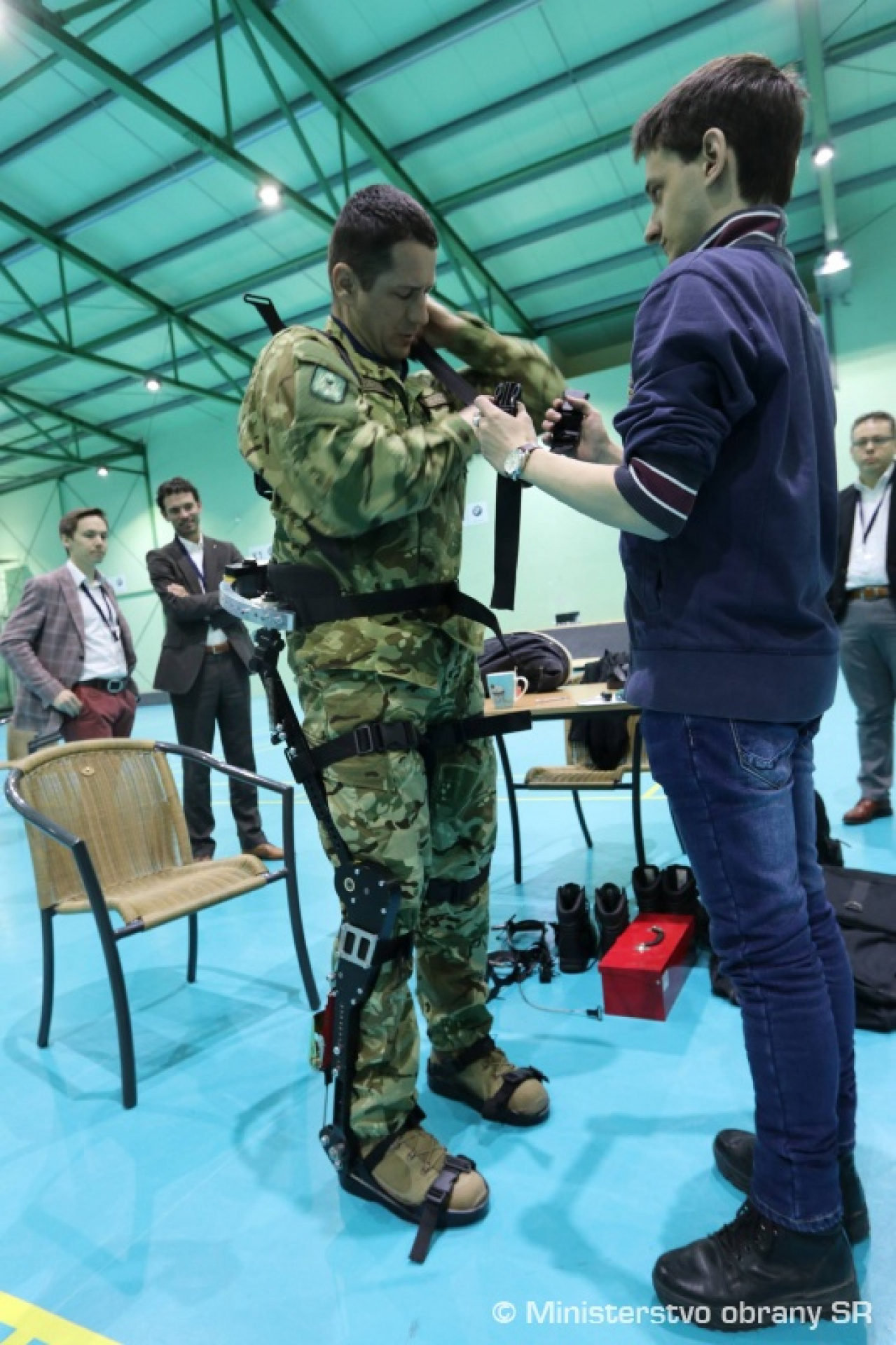
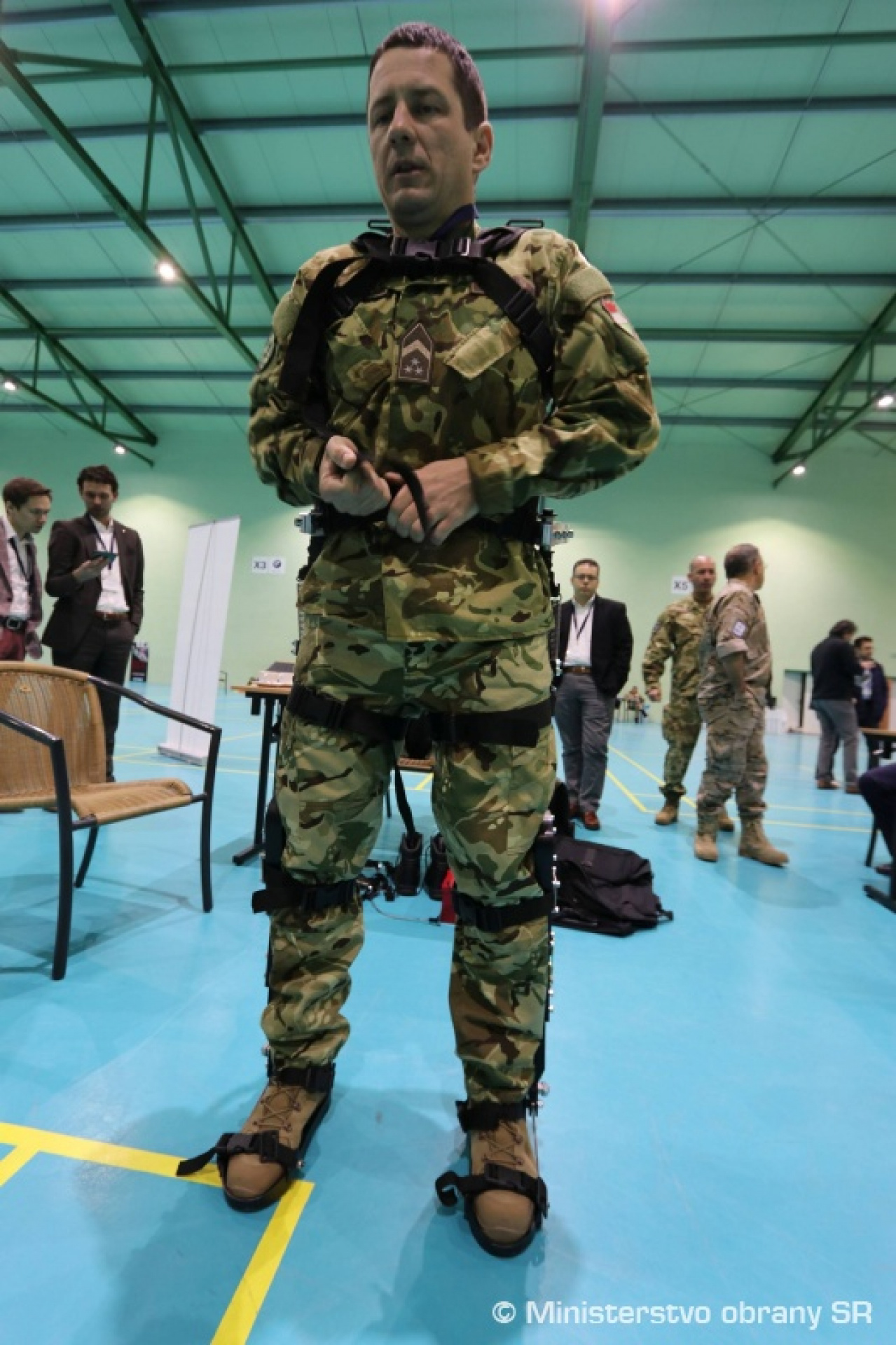
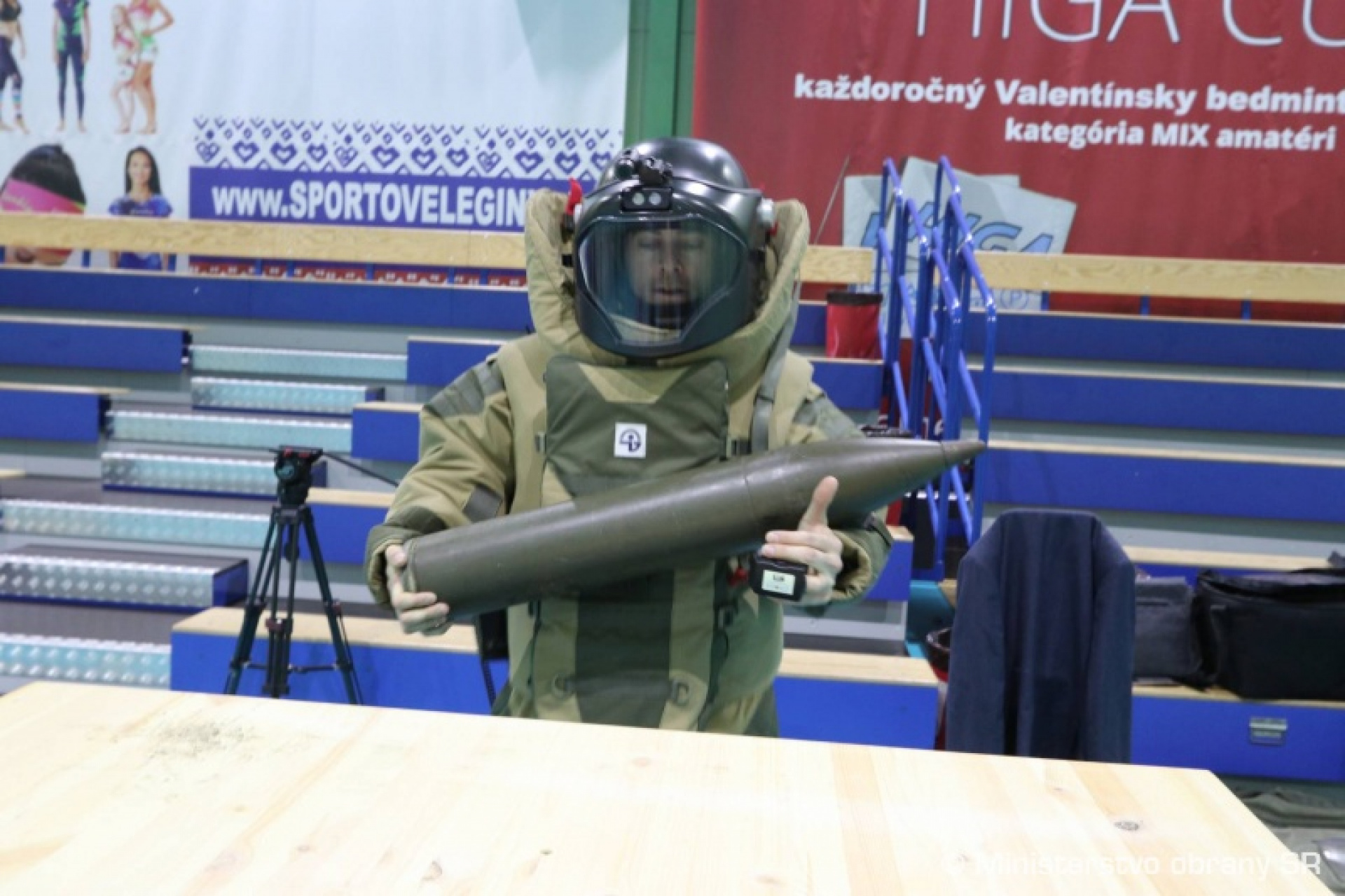
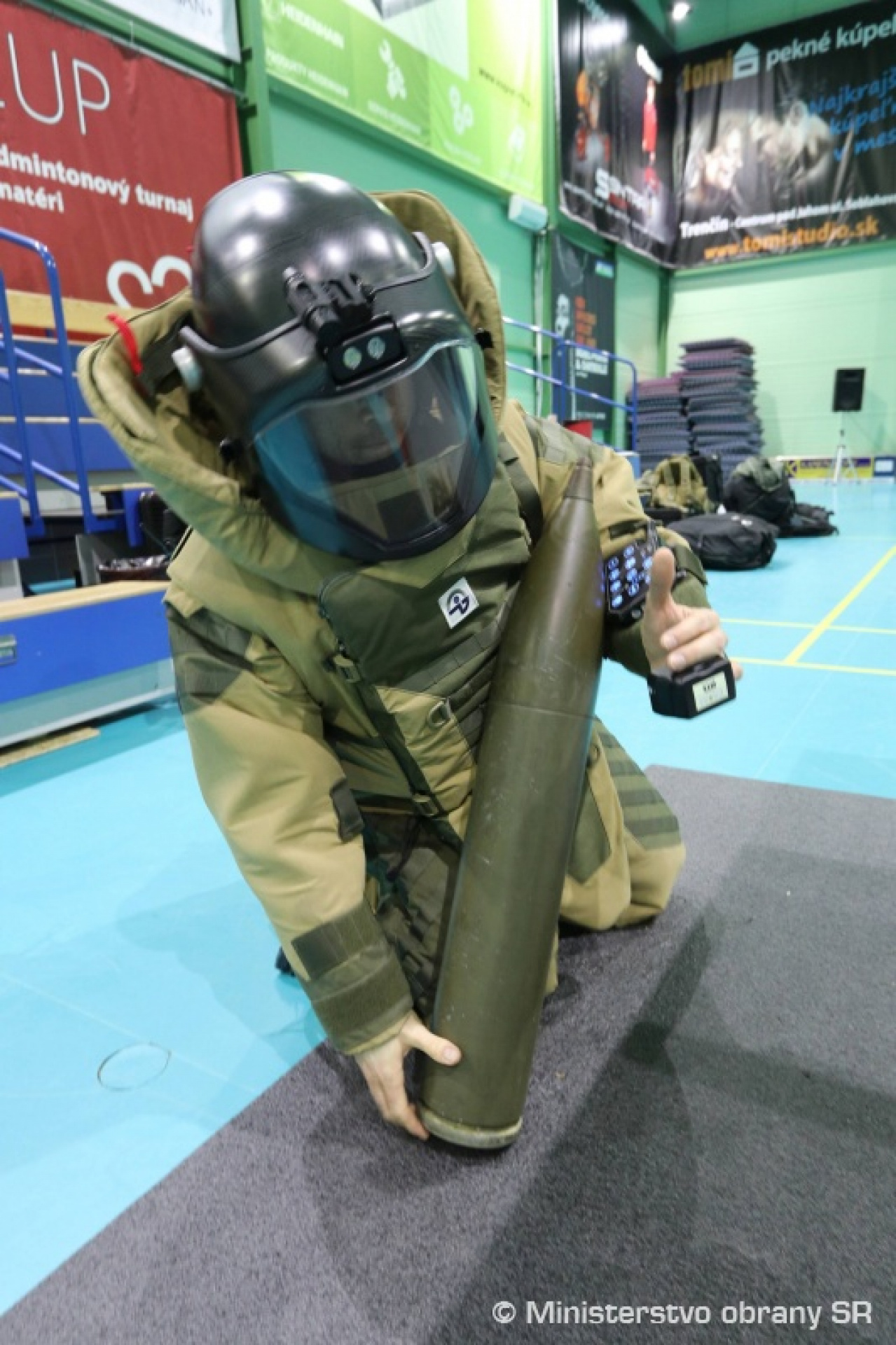
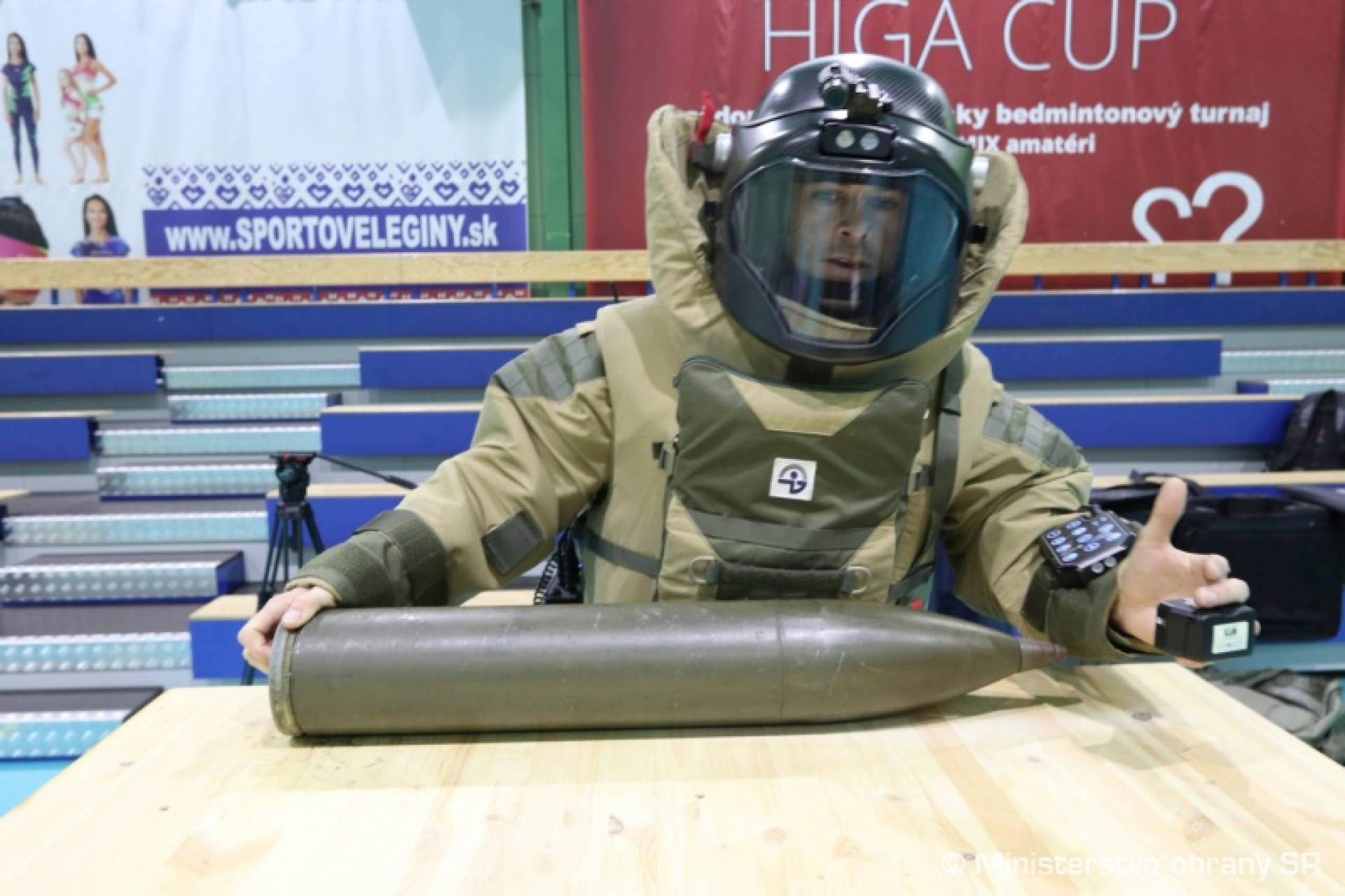
While in Trenčín, participating manufacturers showcased and tested, among others, a range of available exoskeleton technologies that use a special exoframe which, also with the use of hydraulics, allows for the wearers to carry out activities which would otherwise be too exerting or even impossible under normal circumstances. Today’s soldiers carry over 50kg of equipment and weaponry. That is why specialists are looking into ways for substantial reduction of combat load. This may be achieved by reinforcing the soldier’s body with the use of an exoframe. This is especially useful for EOD specialists who wear the EOD suit, which may weigh over 50kg.
The basic function of the exoskeleton is to copy the precise movement of human limbs and transfer much of the burden of a load away from the human musculoskeletal system which provides movement. Today, exoskeleton is used across medical care and car industry, where heavy loads need to be lifted, and to increase the performance of soldiers in armed conflicts.
Lt Col Ryszard Waclawik, of the NATO EOD COE Trenčín, who is the project manager for the Integration of the Exoskeleton in the Battlefield programme, emphasises that the project aims to set the Minimum Military Requirements (MMR) for the concept of integrating exoskeleton into NATO operations and facilitating the development and adaptation of such technologies in order to cater for the needs of EOD operators across the Alliance.
The Integration of the Exoskeleton in the Battlefield project is due to be concluded and evaluated by the end of this year. The final workshop will be held later this September in Trenčín.
According to Lt Col Milan Jankura, Chief of the Standardization Section, NATO Explosive Ordnance Disposal Centre of Excellence (NATO EOD COE) Trenčín, the event’s tradition dates back to 2017. That is when the Trenčín-based NATO EOD COE assumed the role of the project manager for the Integration of the Exoskeleton in the Battlefield project.
On the project’s evolution, Lt Col Jankura said: “The NATO Communications and Information Agency (NCIA), based in Brussels, has been involved in the project development. The entire project is funded from NATO resources, i.e. the Alliance’s Defence Against Terrorism Programme of Work (NATO DAT POW). The first workshop was organised in Trenčín, the second one in Belgium, and the third one in Prague last year.”
While in Trenčín, participating manufacturers showcased and tested, among others, a range of available exoskeleton technologies that use a special exoframe which, also with the use of hydraulics, allows for the wearers to carry out activities which would otherwise be too exerting or even impossible under normal circumstances. Today’s soldiers carry over 50kg of equipment and weaponry. That is why specialists are looking into ways for substantial reduction of combat load. This may be achieved by reinforcing the soldier’s body with the use of an exoframe. This is especially useful for EOD specialists who wear the EOD suit, which may weigh over 50kg.
The basic function of the exoskeleton is to copy the precise movement of human limbs and transfer much of the burden of a load away from the human musculoskeletal system which provides movement. Today, exoskeleton is used across medical care and car industry, where heavy loads need to be lifted, and to increase the performance of soldiers in armed conflicts.
Lt Col Ryszard Waclawik, of the NATO EOD COE Trenčín, who is the project manager for the Integration of the Exoskeleton in the Battlefield programme, emphasises that the project aims to set the Minimum Military Requirements (MMR) for the concept of integrating exoskeleton into NATO operations and facilitating the development and adaptation of such technologies in order to cater for the needs of EOD operators across the Alliance.
The Integration of the Exoskeleton in the Battlefield project is due to be concluded and evaluated by the end of this year. The final workshop will be held later this September in Trenčín.