Mountain Winter Course for the third time at Lešť
- Author:
- Photo:
- Date: 17.01.2020
- Share: Zdieľať na Facebook
The Training Centre Lešť hosted the Mountain Winter Course for the third time in the third week of January. According to the course leader, Maj Igor Lišaník, Chief of the Tactical Training Section, TC Lešť, the course provides information instrumental to supporting mountain movement and survival in winter conditions.
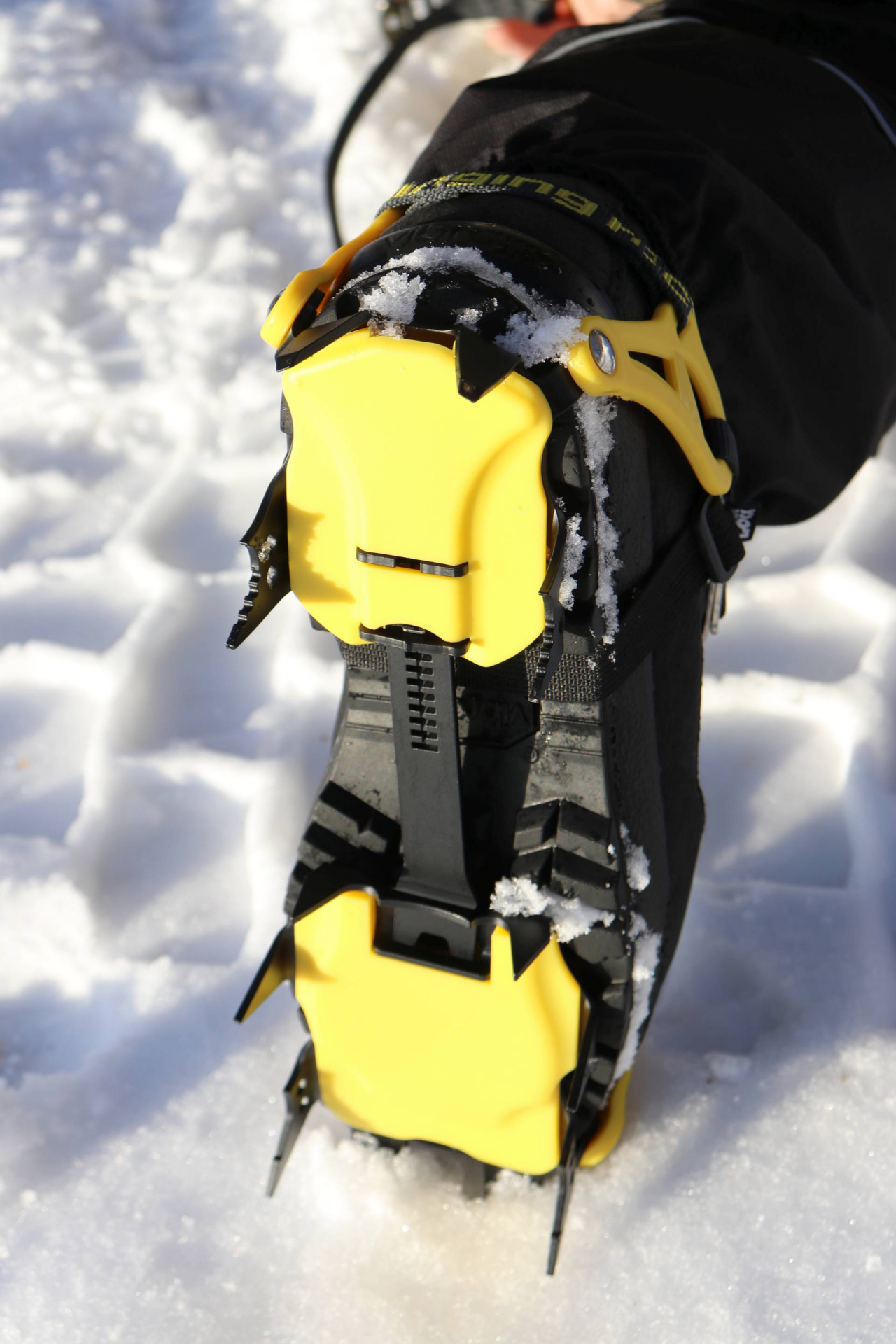
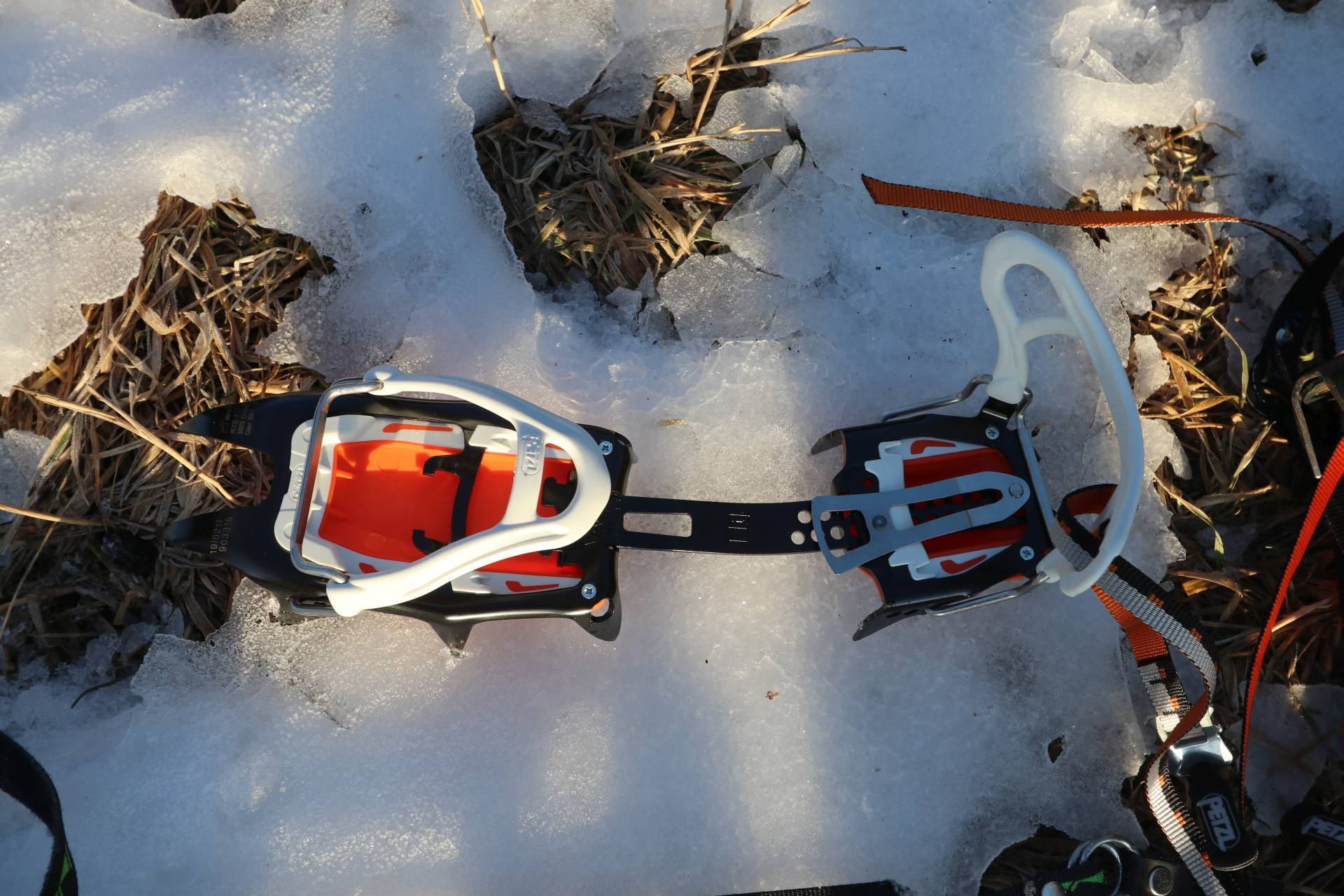
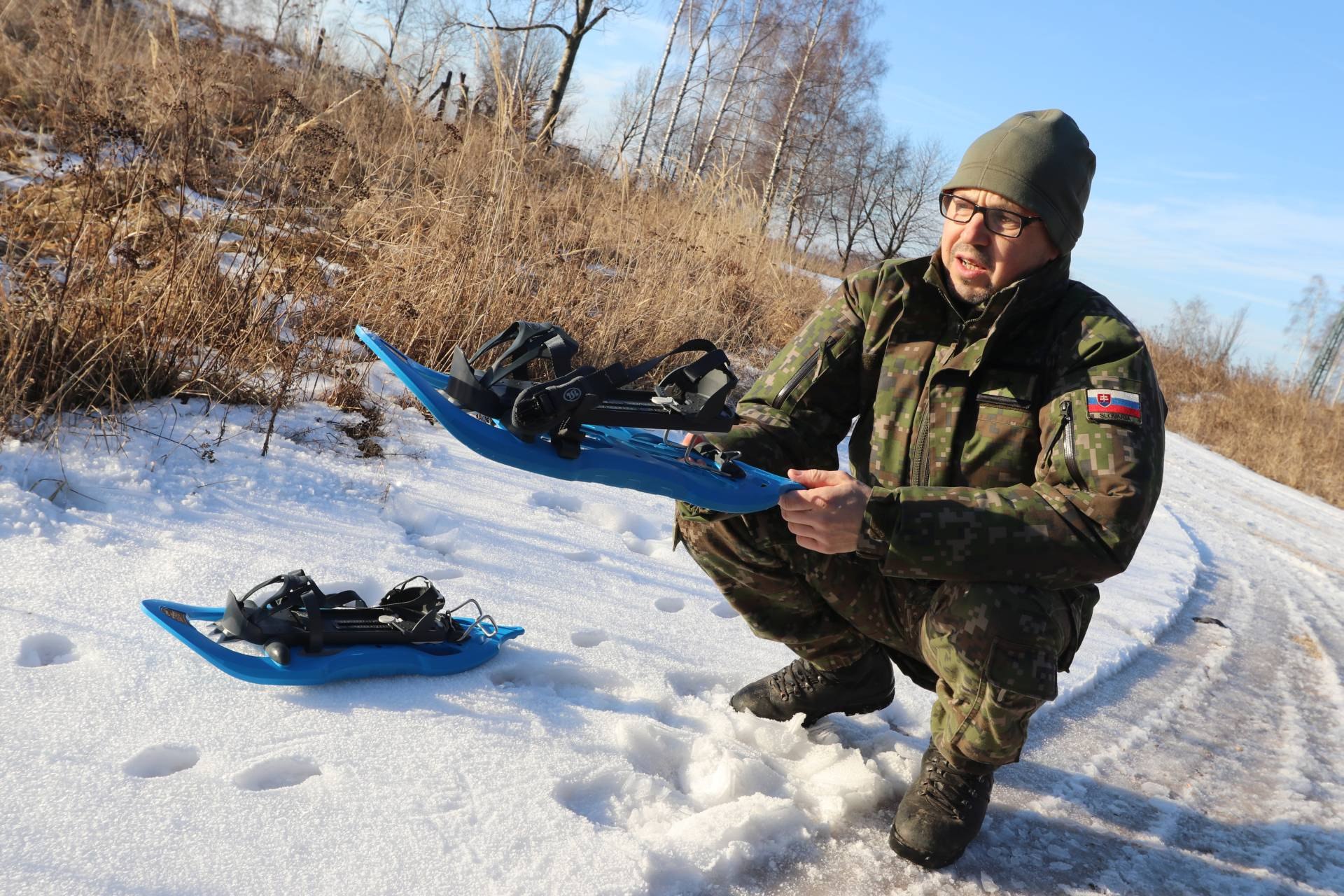
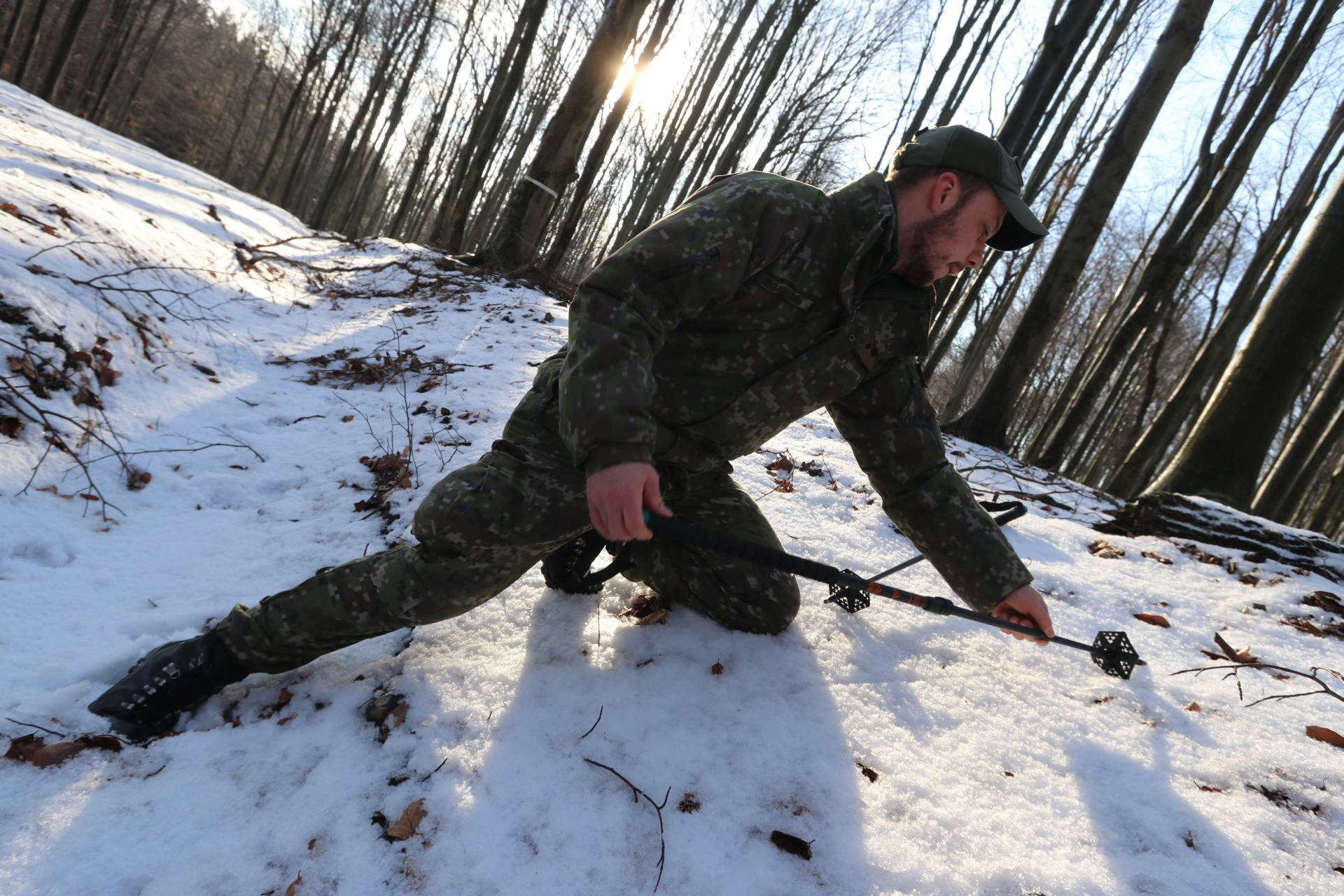
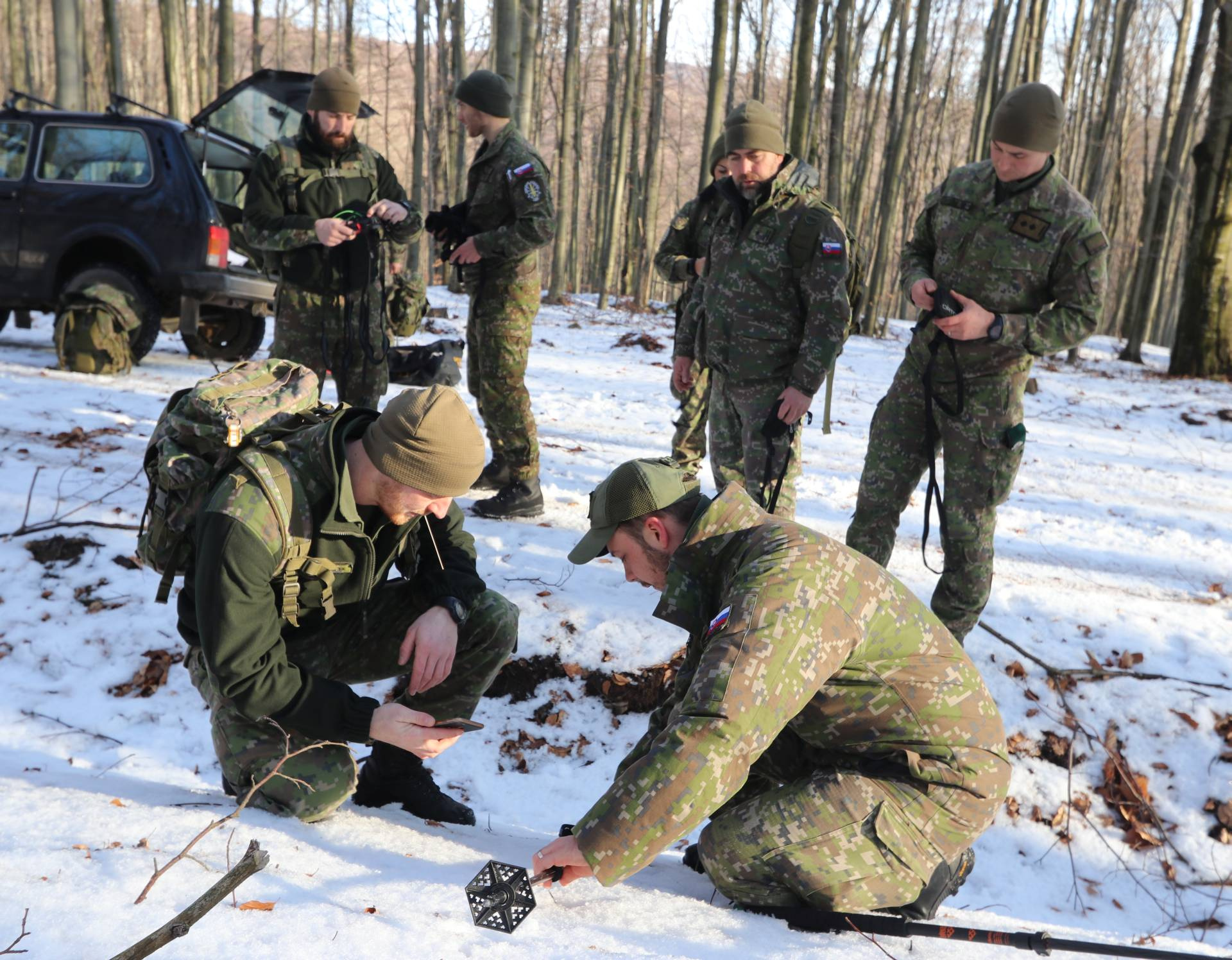
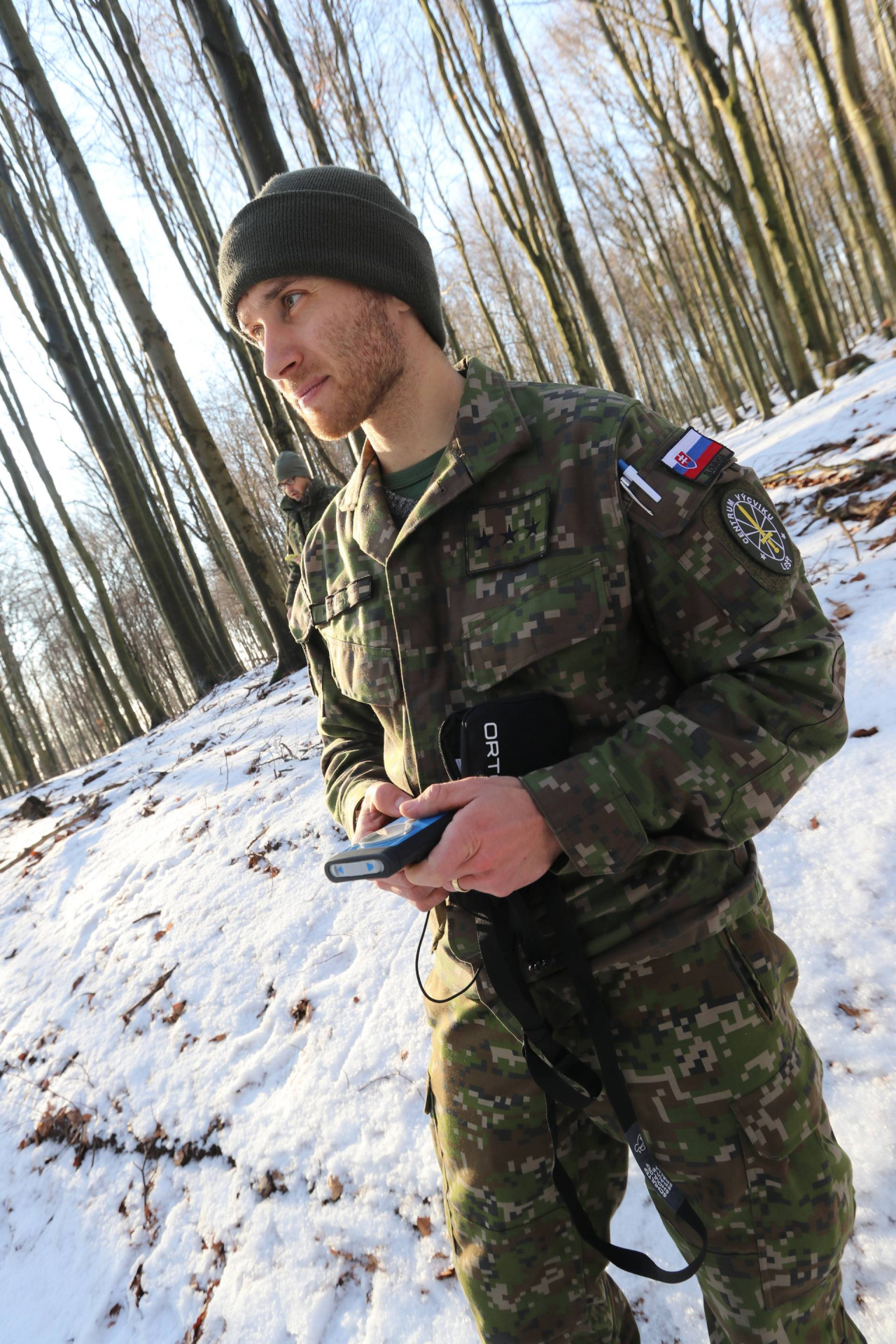
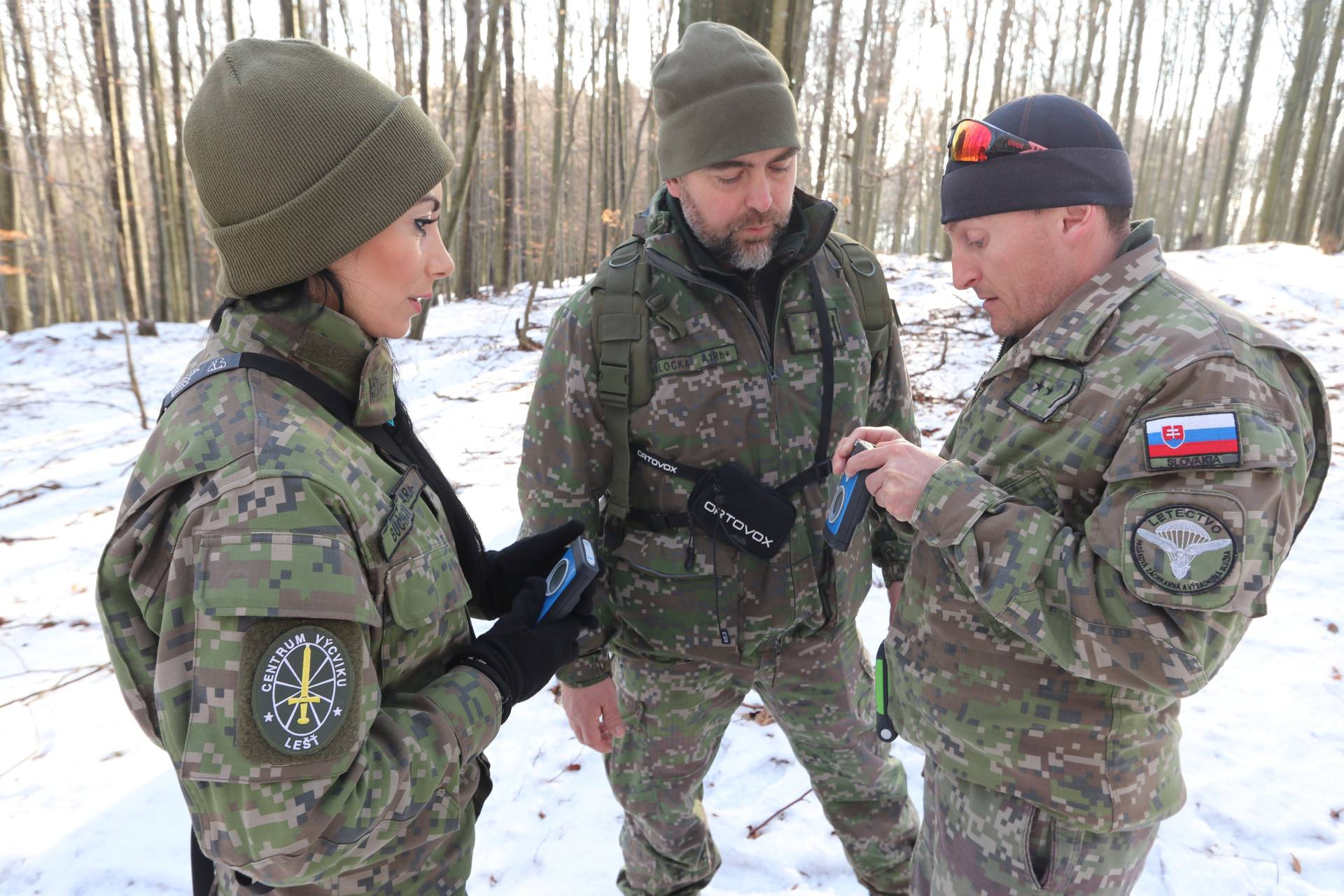
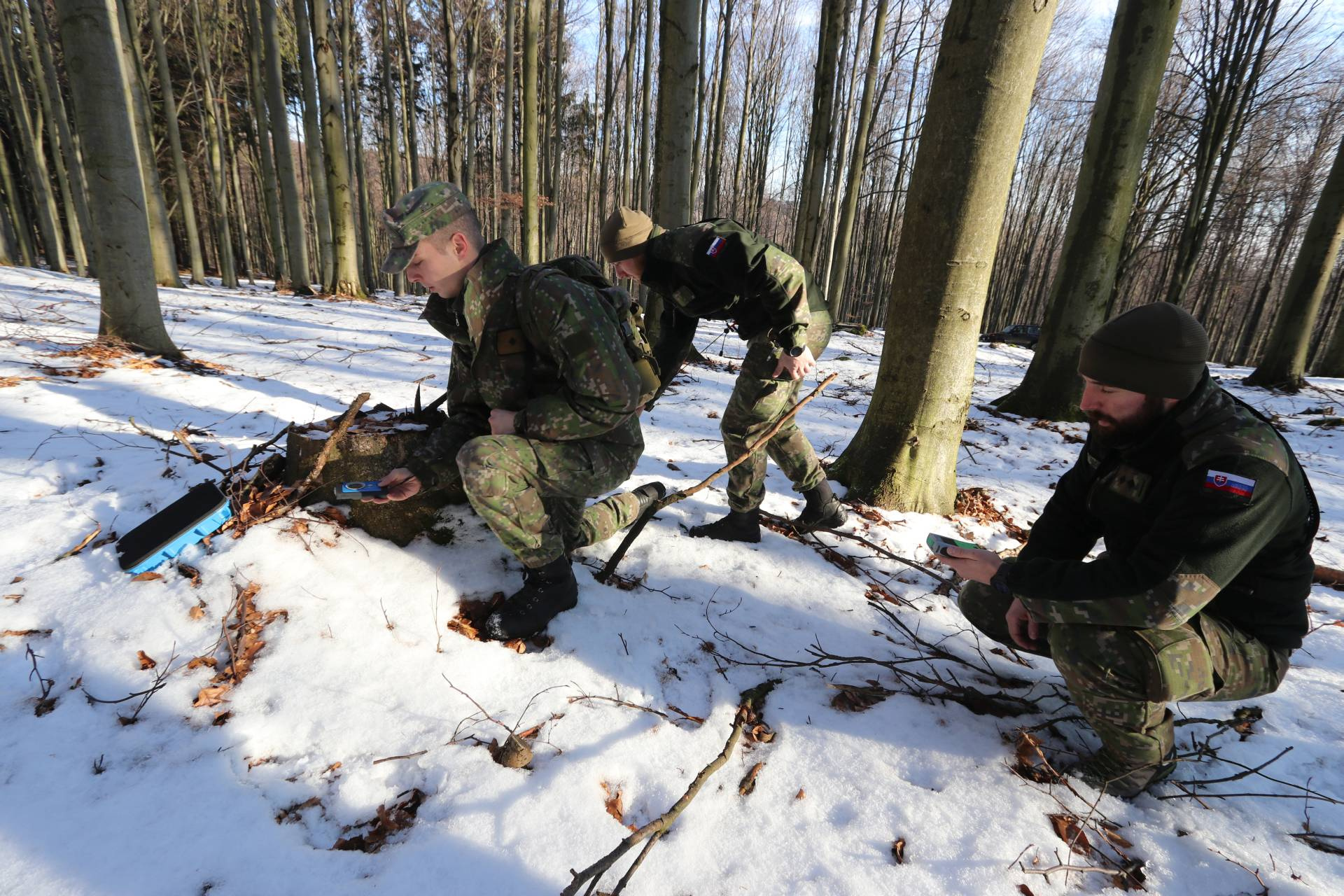
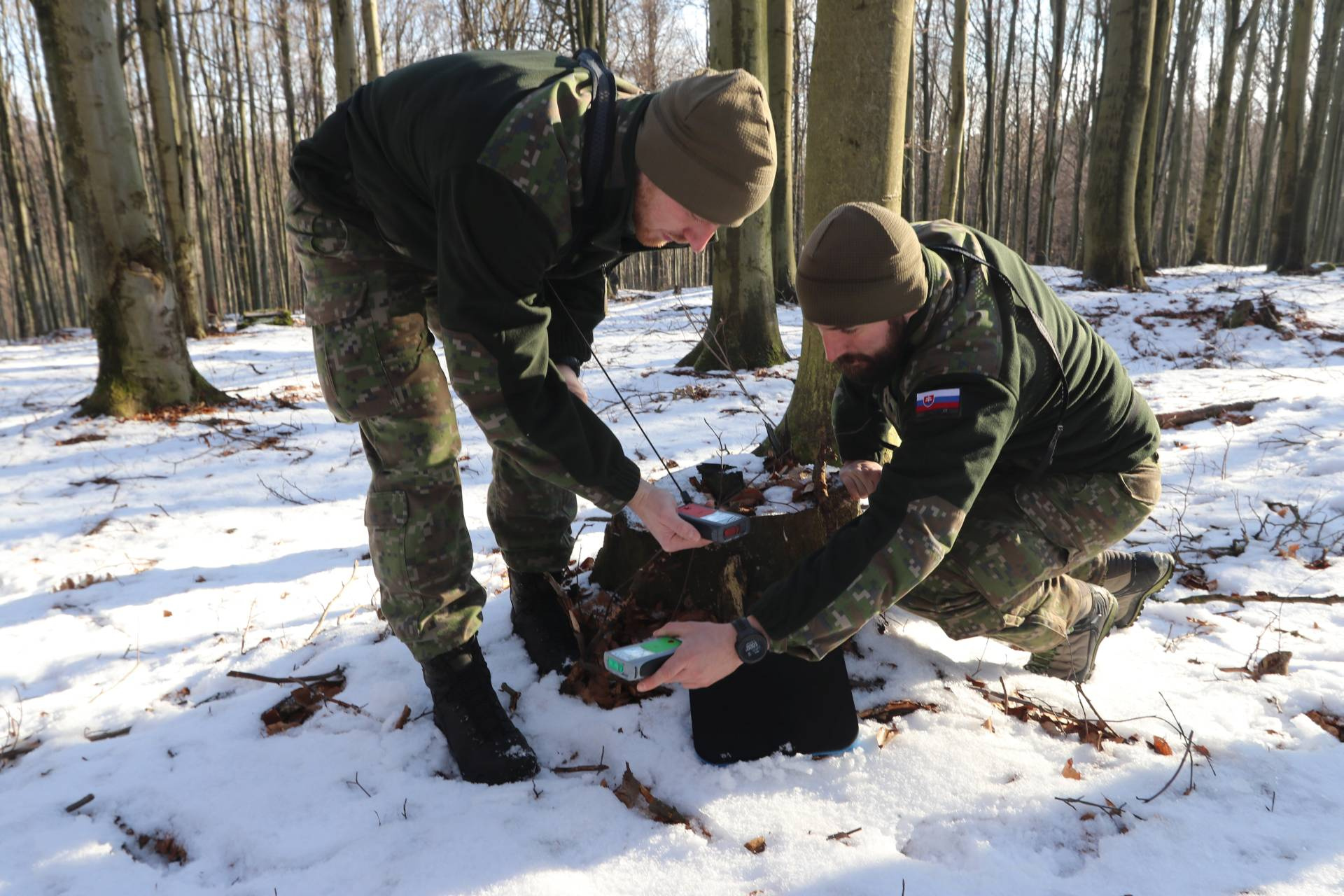
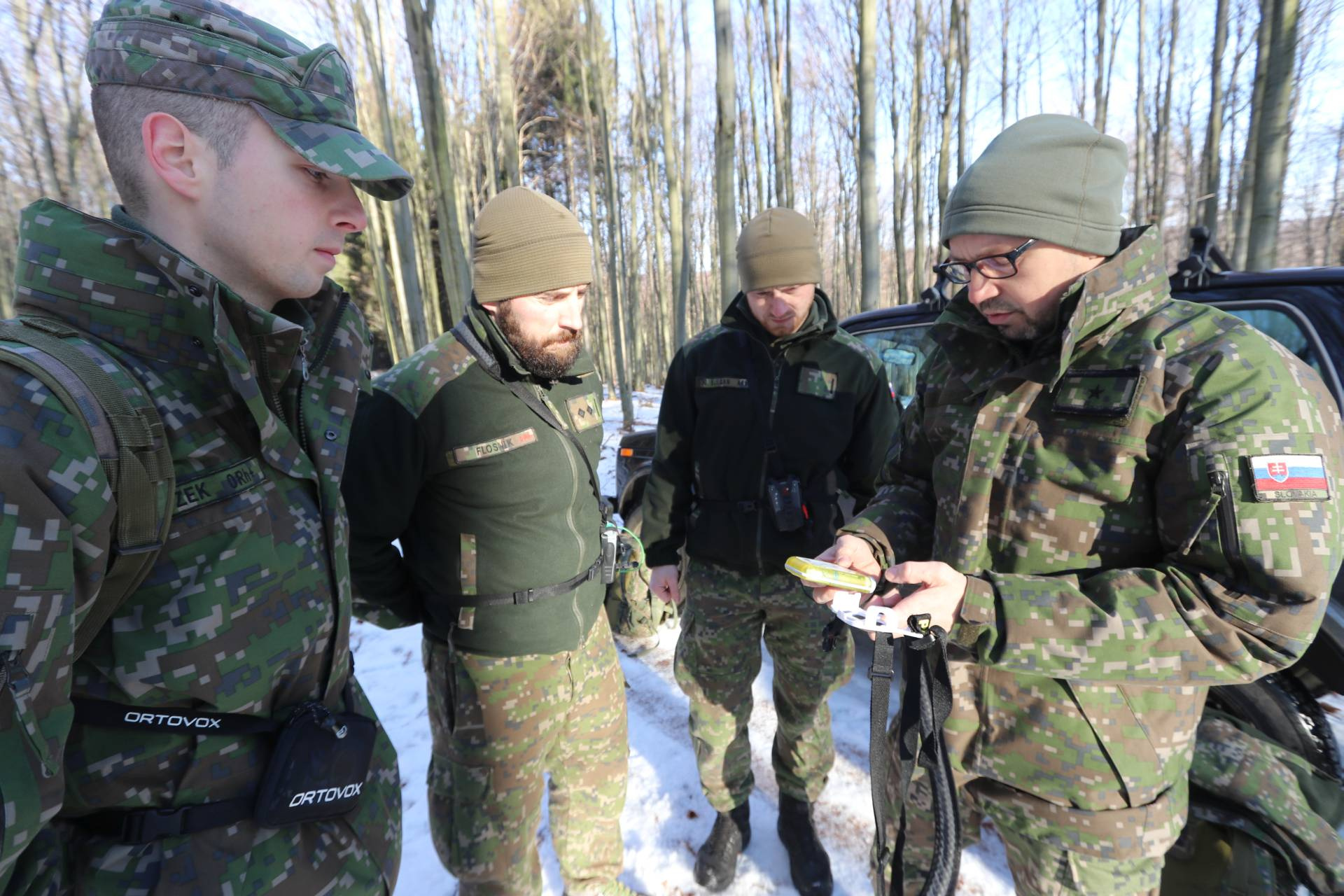
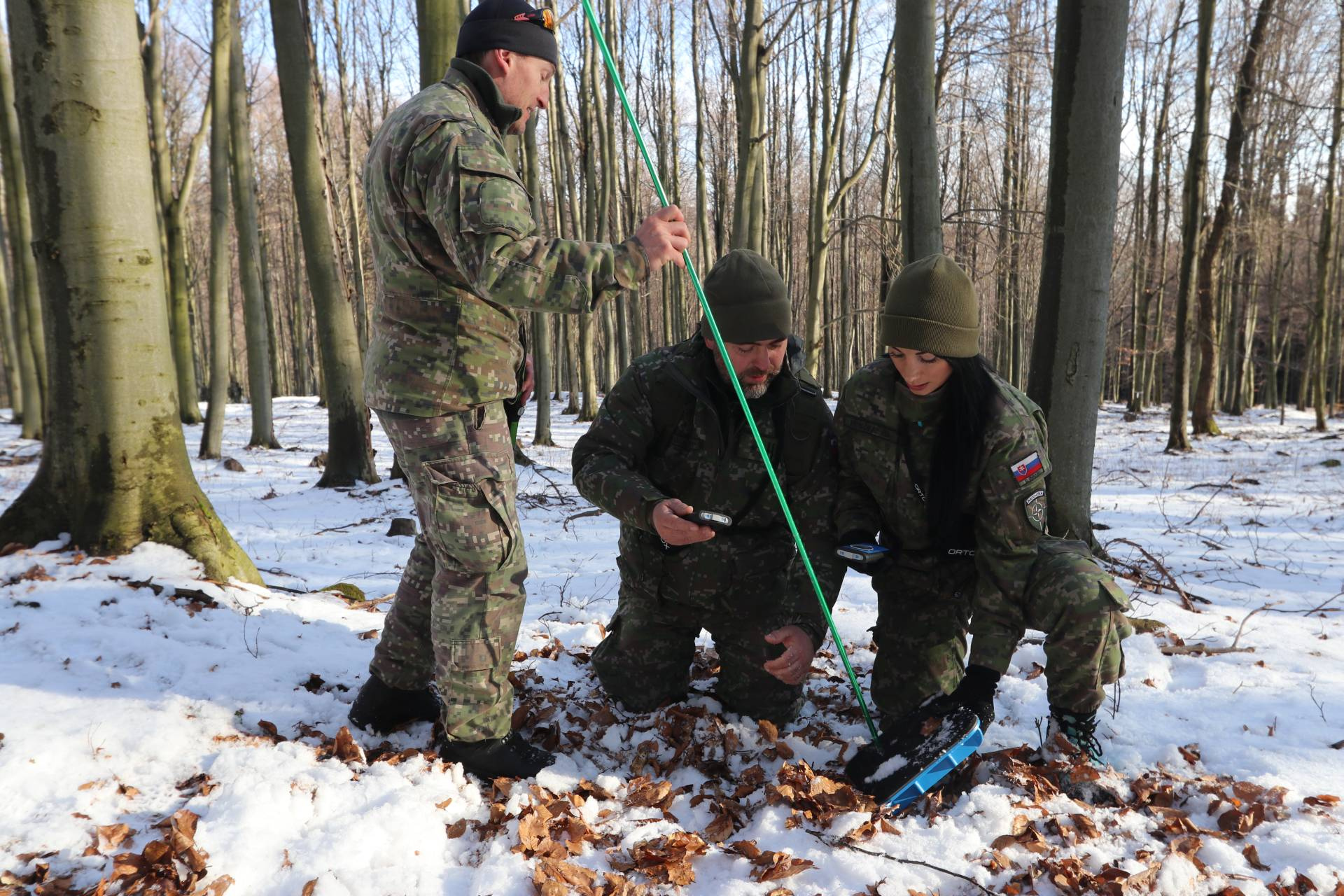
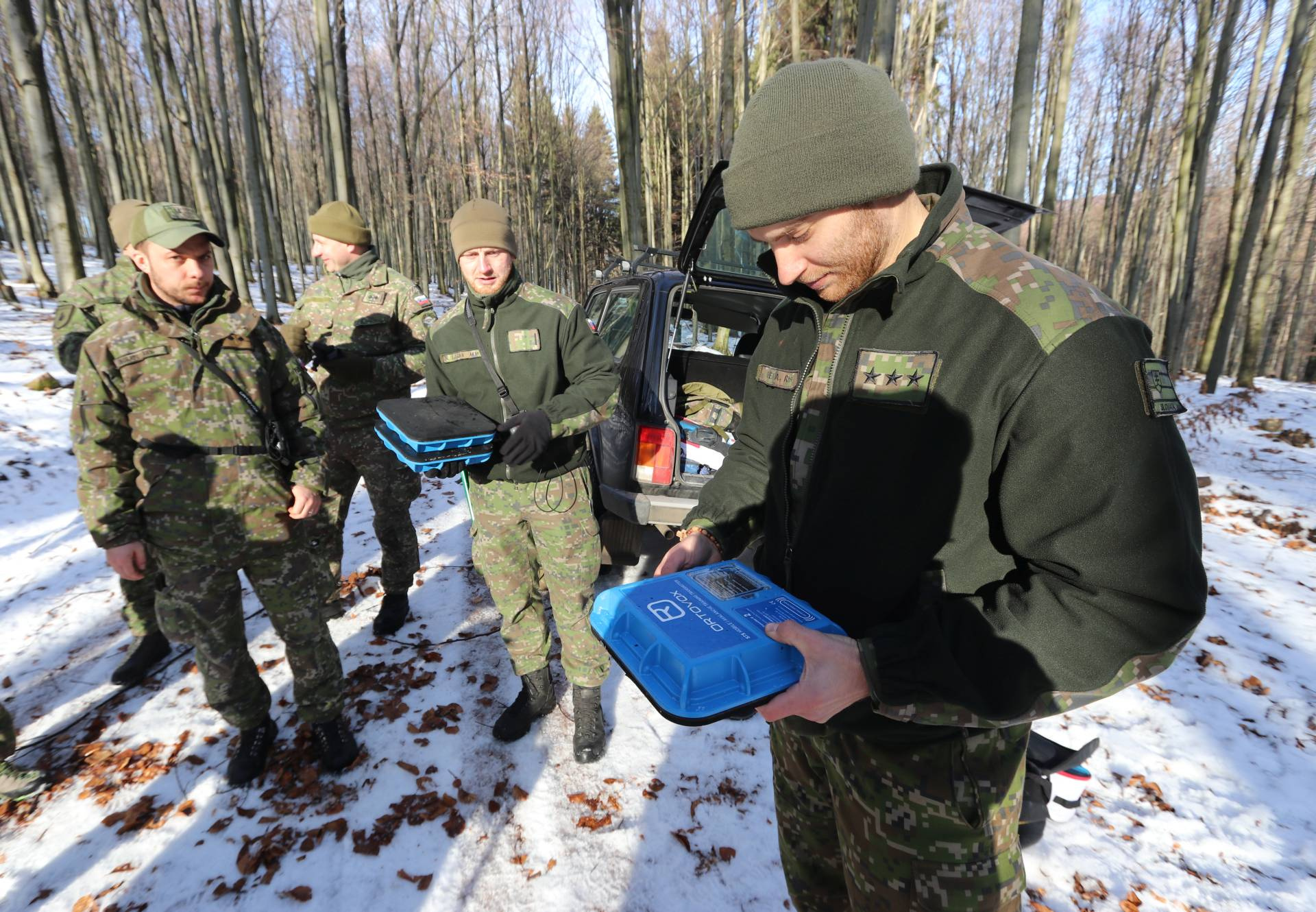
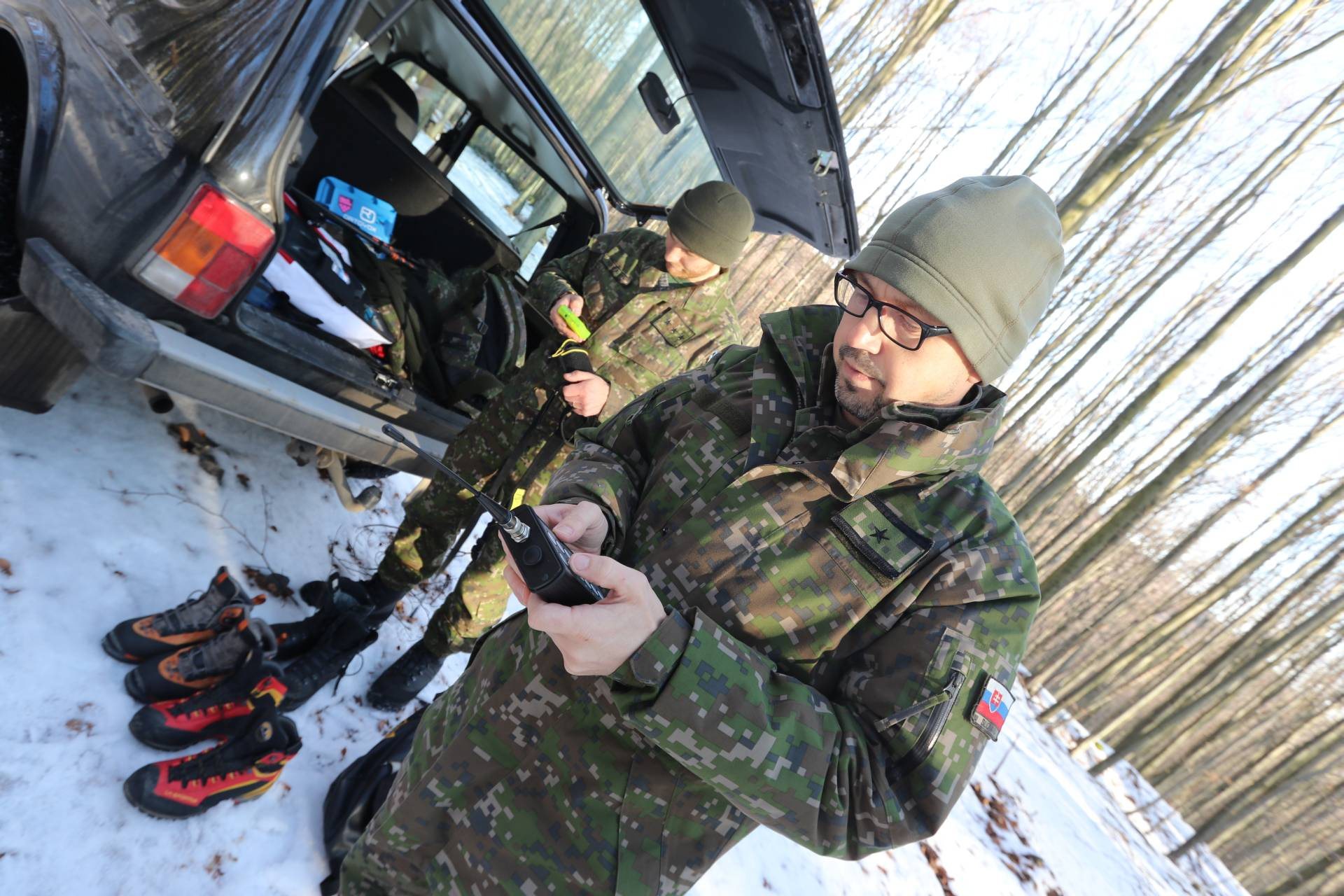
During the course, participants from across the Armed Forces, ranging from the Mechanised Battalions Martin and Michalovce, the Tactical Wing Sliač, through to the Transport Wing Kuchyňa and the Training Centre Lešť, familiarised themselves theoretically with the geomorphological formations in Slovak mountains, preparation of equipment for movement in winter conditions, movement planning and timing, objective and subjective dangers in the mountains, avalanche risk assessment, and the methods to check the stability of snow cover. Later on in the course, in a snow-covered area of Lešť (which they had to find this year), they practised using basic and compulsory mountain equipment. For example, an ice axe, snow shoes, and avalanche equipment. They worked with avalanche beacons, avalanche probes, snow shovels, and avalanche backpacks. Admittedly, due to lack of snow, this was possible only in improvised conditions. The person in the avalanche was replaced by a technical aid and the task of building an igloo had to be given up completely.
Major Lišaník and Capt Jozef Kolek, instructor of the Specialist Training Section, TC Lešť, argue that because Slovakia displays diverse jagged and mountainous terrain, the course is suitable not only for service members who work in such environments or their systems, take communication and navigation systems for example, are installed there, but also for the entire armed forces. The course helps soldiers hone their skills and improve their safety as they are instructed on how to move safely across such specific terrain as winter mountains.
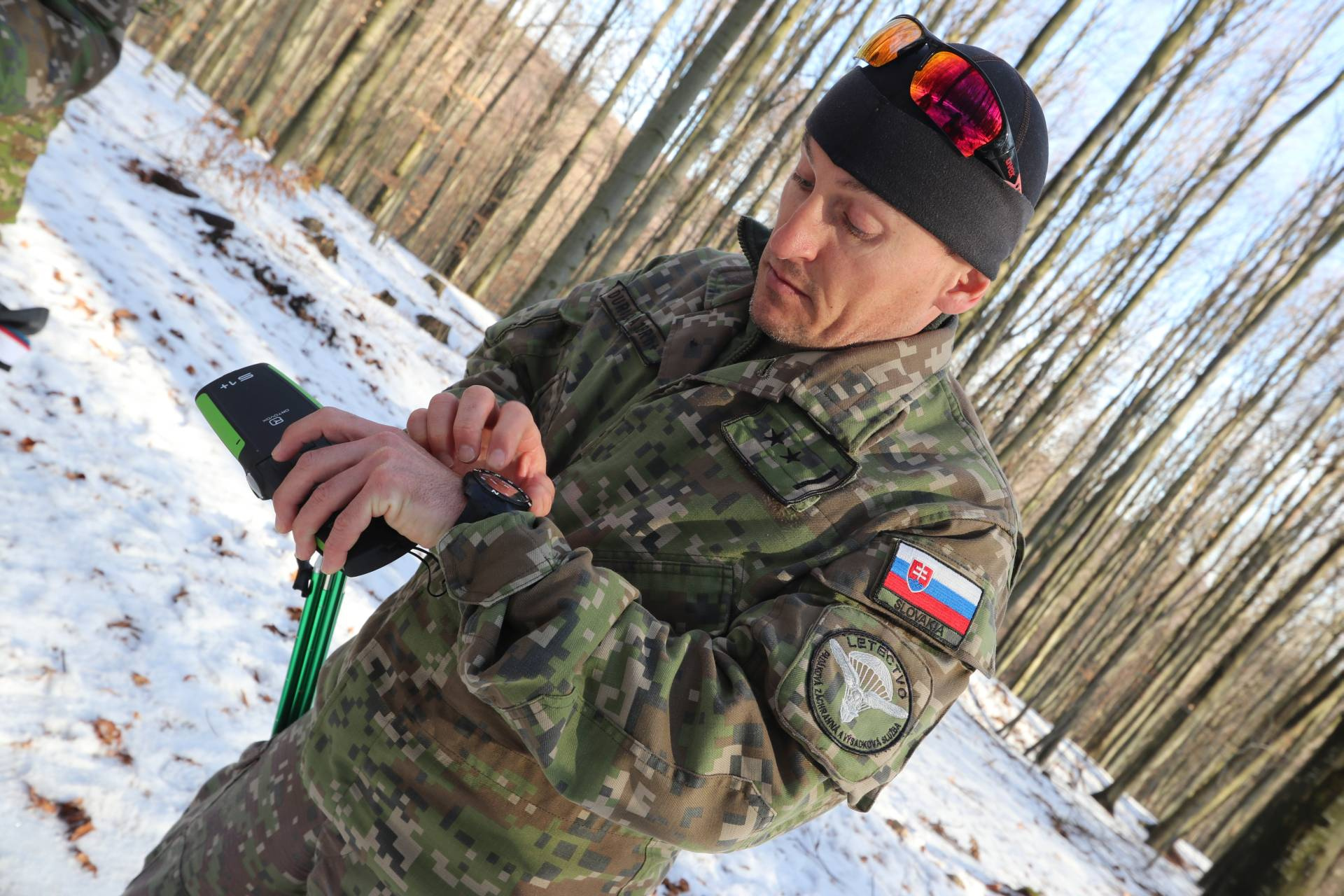
“All of us must respect the physical laws of nature which are quite specific in the mountains. The aim of the course was, among others, to remind the course participants that even a small mistake that can be removed or put right in an everyday situation may cause serious problems in the mountains. I am pleased to say that the course appealed to everyone,” concluded Maj Lišaník. And so is true about SSgt Martin Ďurica, of the Tactical Wing Sliač, where he serves as a member of the Parachute Rescue and Airborne Service. In his own opinion, everyone assigned to the Service should undertake the training. Cpl Peter Ungrady, a sniper of the Reconnaissance Unit, Mechanised Battalion Michalovce, found the course was useful too.
During the course, participants from across the Armed Forces, ranging from the Mechanised Battalions Martin and Michalovce, the Tactical Wing Sliač, through to the Transport Wing Kuchyňa and the Training Centre Lešť, familiarised themselves theoretically with the geomorphological formations in Slovak mountains, preparation of equipment for movement in winter conditions, movement planning and timing, objective and subjective dangers in the mountains, avalanche risk assessment, and the methods to check the stability of snow cover. Later on in the course, in a snow-covered area of Lešť (which they had to find this year), they practised using basic and compulsory mountain equipment. For example, an ice axe, snow shoes, and avalanche equipment. They worked with avalanche beacons, avalanche probes, snow shovels, and avalanche backpacks. Admittedly, due to lack of snow, this was possible only in improvised conditions. The person in the avalanche was replaced by a technical aid and the task of building an igloo had to be given up completely.
Major Lišaník and Capt Jozef Kolek, instructor of the Specialist Training Section, TC Lešť, argue that because Slovakia displays diverse jagged and mountainous terrain, the course is suitable not only for service members who work in such environments or their systems, take communication and navigation systems for example, are installed there, but also for the entire armed forces. The course helps soldiers hone their skills and improve their safety as they are instructed on how to move safely across such specific terrain as winter mountains.
“All of us must respect the physical laws of nature which are quite specific in the mountains. The aim of the course was, among others, to remind the course participants that even a small mistake that can be removed or put right in an everyday situation may cause serious problems in the mountains. I am pleased to say that the course appealed to everyone,” concluded Maj Lišaník. And so is true about SSgt Martin Ďurica, of the Tactical Wing Sliač, where he serves as a member of the Parachute Rescue and Airborne Service. In his own opinion, everyone assigned to the Service should undertake the training. Cpl Peter Ungrady, a sniper of the Reconnaissance Unit, Mechanised Battalion Michalovce, found the course was useful too.