Military Intelligence releases its 2019 annual report, it reveals growing interest in competing for supremacy in cyberspace and attempts of Russian intelligence services to penetrate local self-government environment
- Author:
- Photo:
- Date: 13.10.2020
- Share: Zdieľať na Facebook
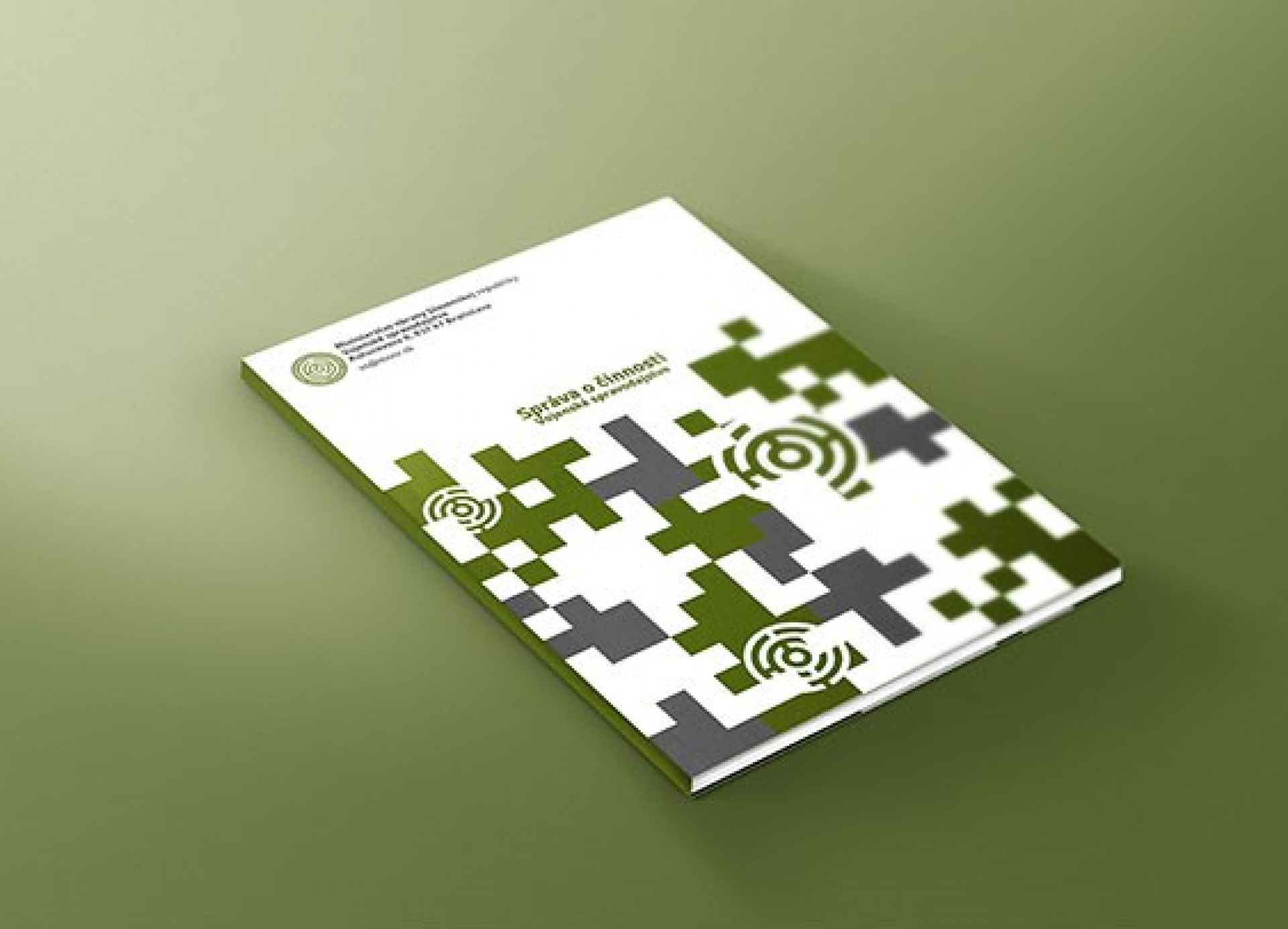
Military Intelligence has released its 2019 annual report, giving a summary of its activity and the state of and threats to the external and internal security environment that could have an influence on the security and protected interests of the Slovak Republic. The “Report on Activity of Military Intelligence” is available to the public online at Správa o činnosti.
On the role of Military Intelligence, Defence Minister Jaroslav Naď said: “Military Intelligence undertakes very important tasks of delivering the provision of intelligence for the defence, defence responsiveness and security of the Slovak Republic under the remit of the Ministry of Defence. Therefore, I believe the changes which have gradually been introduced within MI since I took office and also following the change of its leadership will be directed towards ensuring the performance of tasks at highest standards of quality, albeit strictly within the bounds of the existing laws.”
According to the Report, no major change to the internal security environment was reported by Military Intelligence last year. However, particularly of note is that the uneven economic, social and demographic development of Slovakia’s individual regions had negative ramifications. This led, for example, to the polarisation of society, extremism and terrorism, which was associated with increased misuse of cyberspace for propaganda of such phenomena. Apart from this, organised crime, corruption and migration processes contributed to the instability of the internal security environment too.
The Report further points to a worsening of stability in Slovakia’s external security environment. Factors contributing to this were the dynamics of competitive relations among the key geopolitical security actors and the growth of their combat potential and capabilities. Additionally, Military Intelligence noted the growing interest of the key geopolitical security actors in competing for supremacy in cyberspace and space. According to the Report, there was a change in the way how intelligence was gathered – besides human resources, it was, in particular, the exploitation of cyberspace that increased too.
From the perspective of territorial focus, 42% of MI outputs were directed towards the former Soviet Union republics and 20% towards the Near and Middle East. Based on the Report, 2019 saw continued interest of the Russian intelligence services in obtaining sensitive and classified information on the defence capability of the Slovak Republic and NATO. Also, the Report speaks of the Russian intelligence services’ attempts to penetrate the local self-government environment and the signs of companies being set up for the purposes of covering intelligence operations.
