Heroic legacy of 1944 Slovak National Uprising fighters remembered by MOD senior leaders in Banská Bystrica
- Author:
- Photo:
- Date: 29.08.2021
- Share: Zdieľať na Facebook
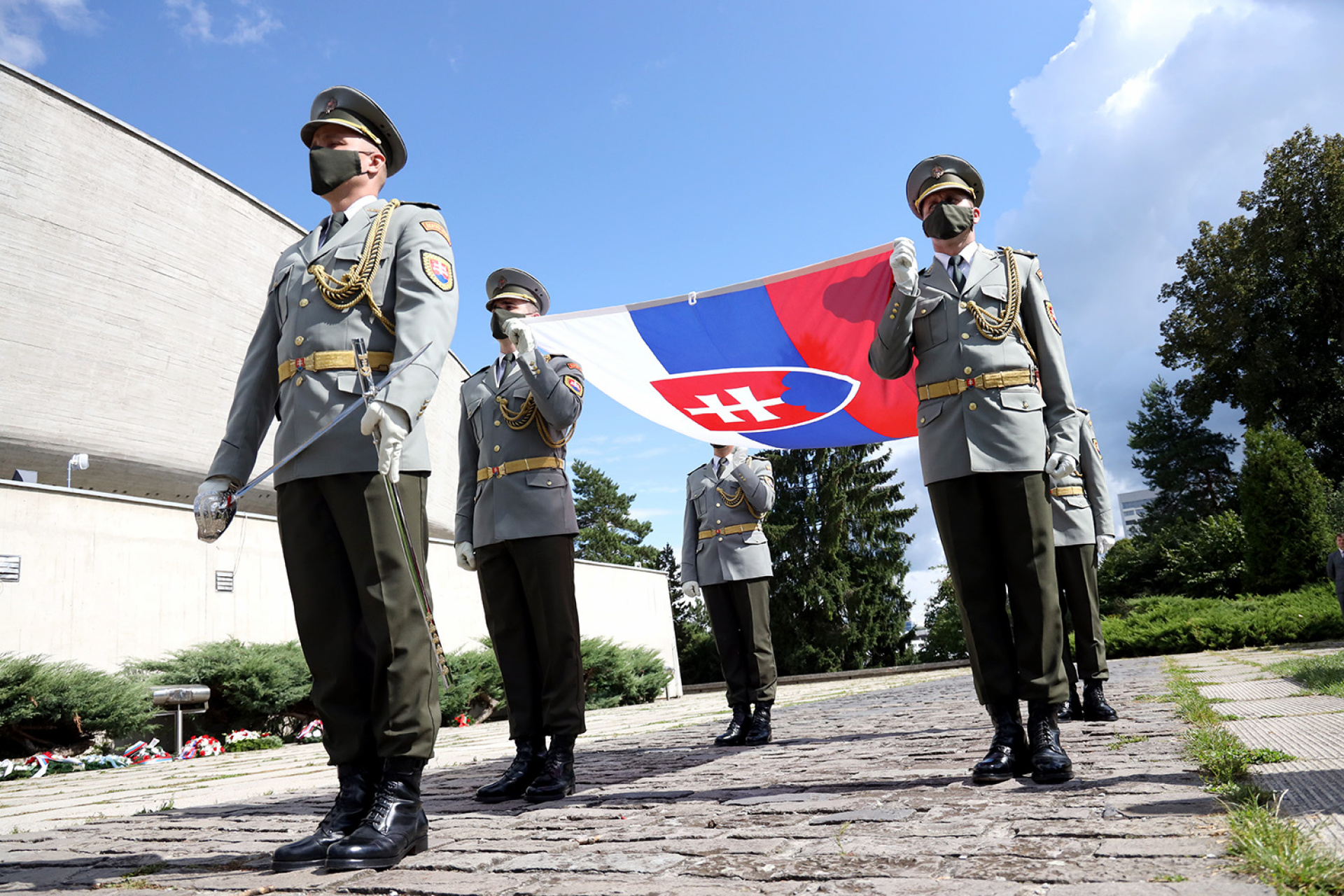
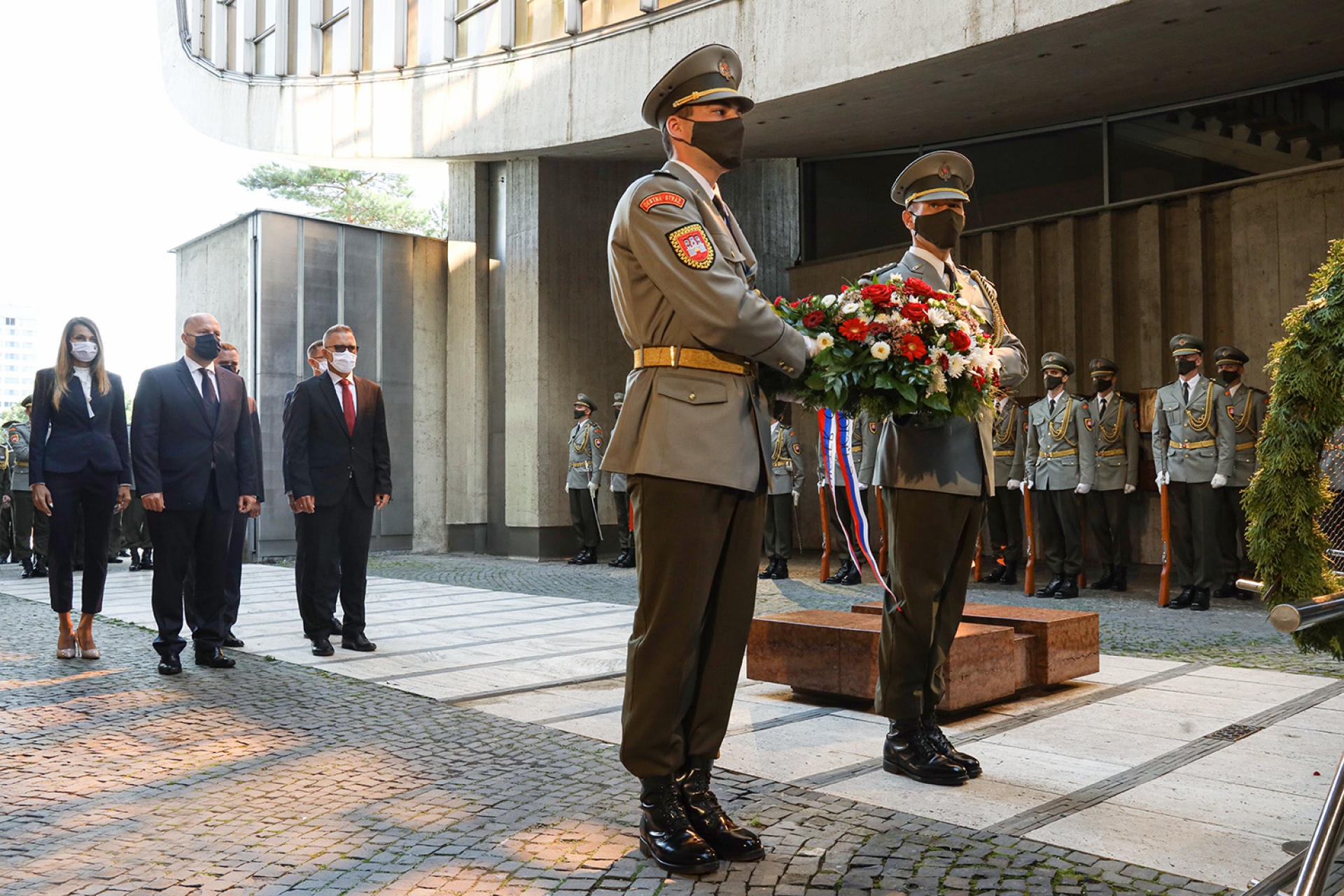
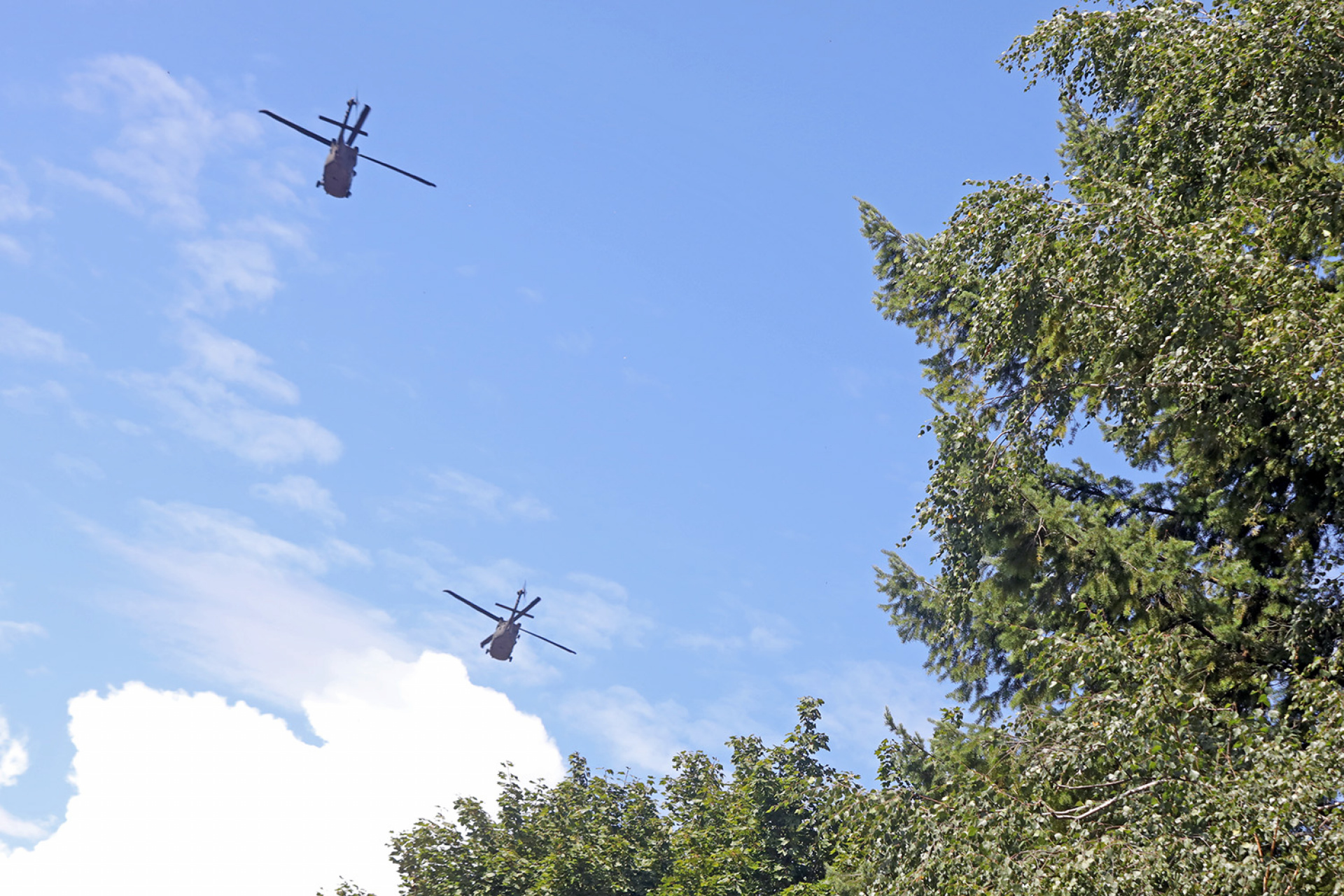
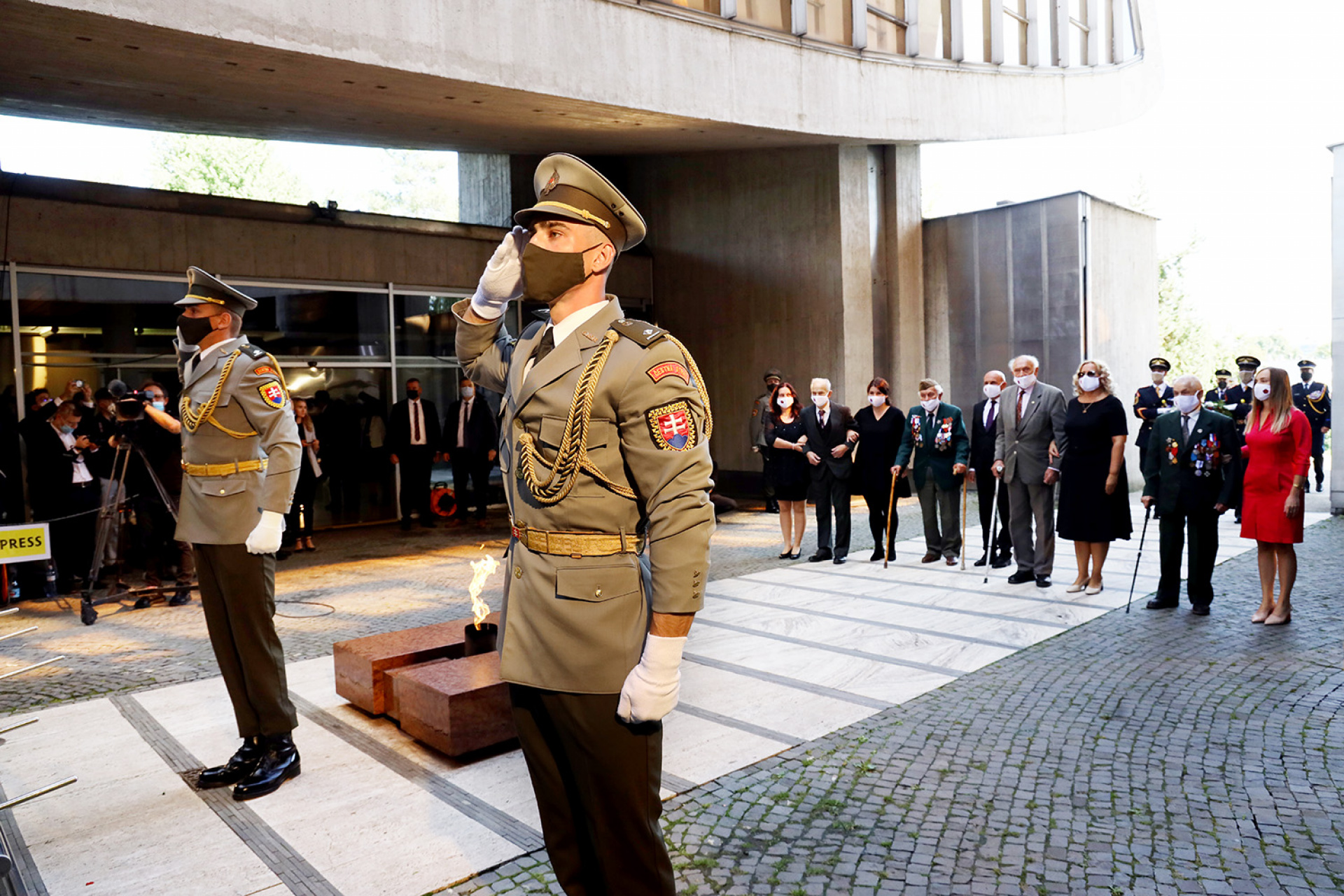
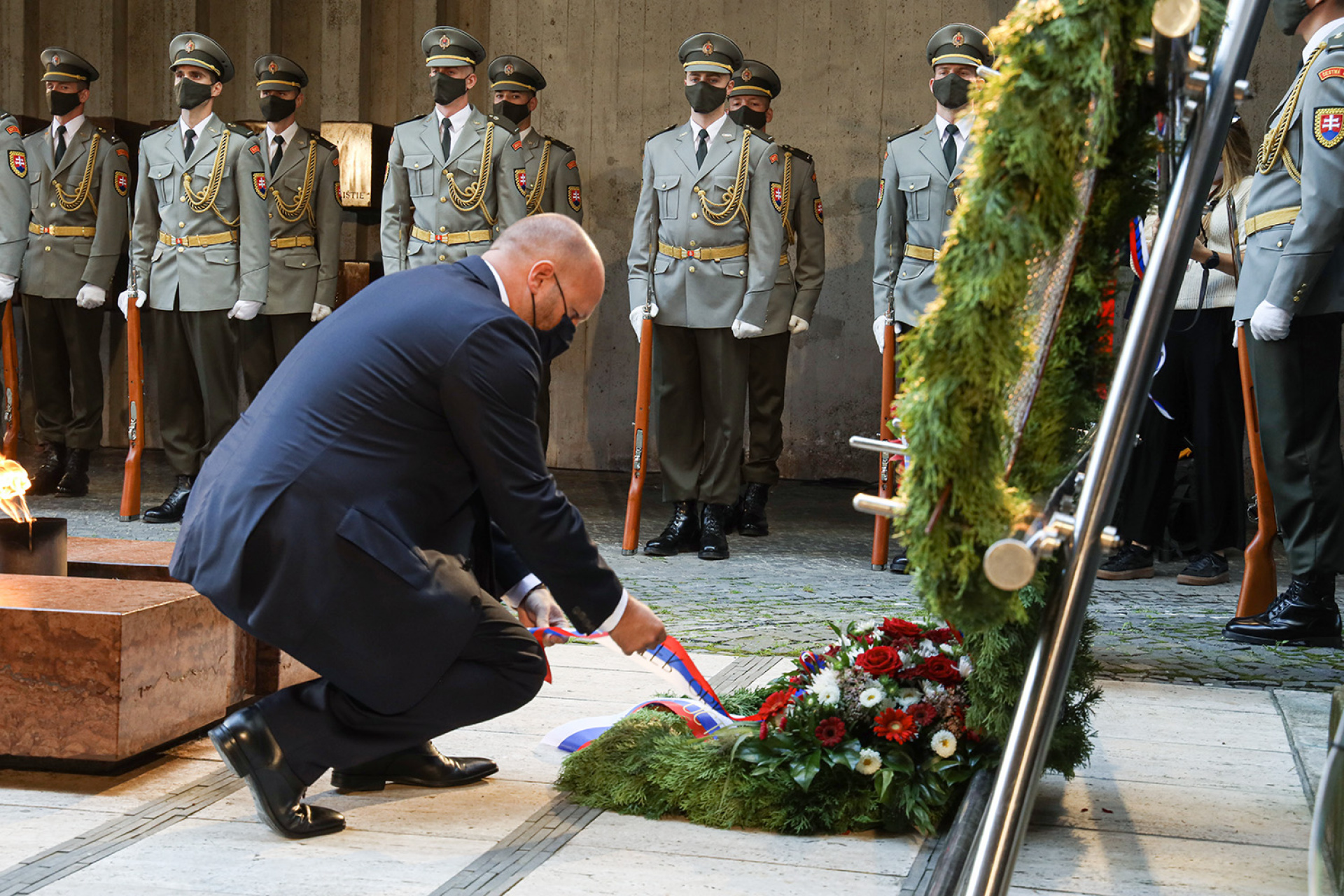
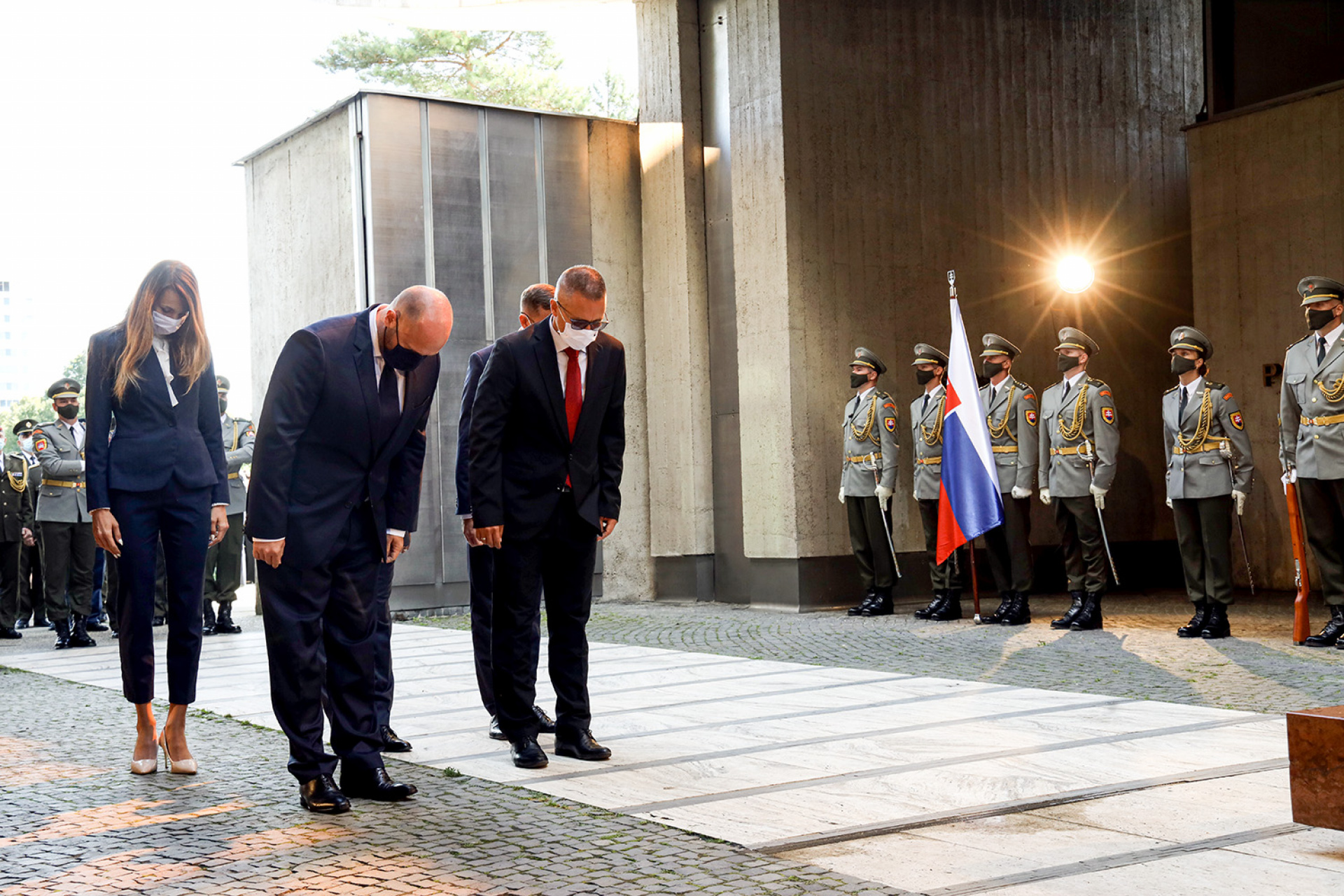
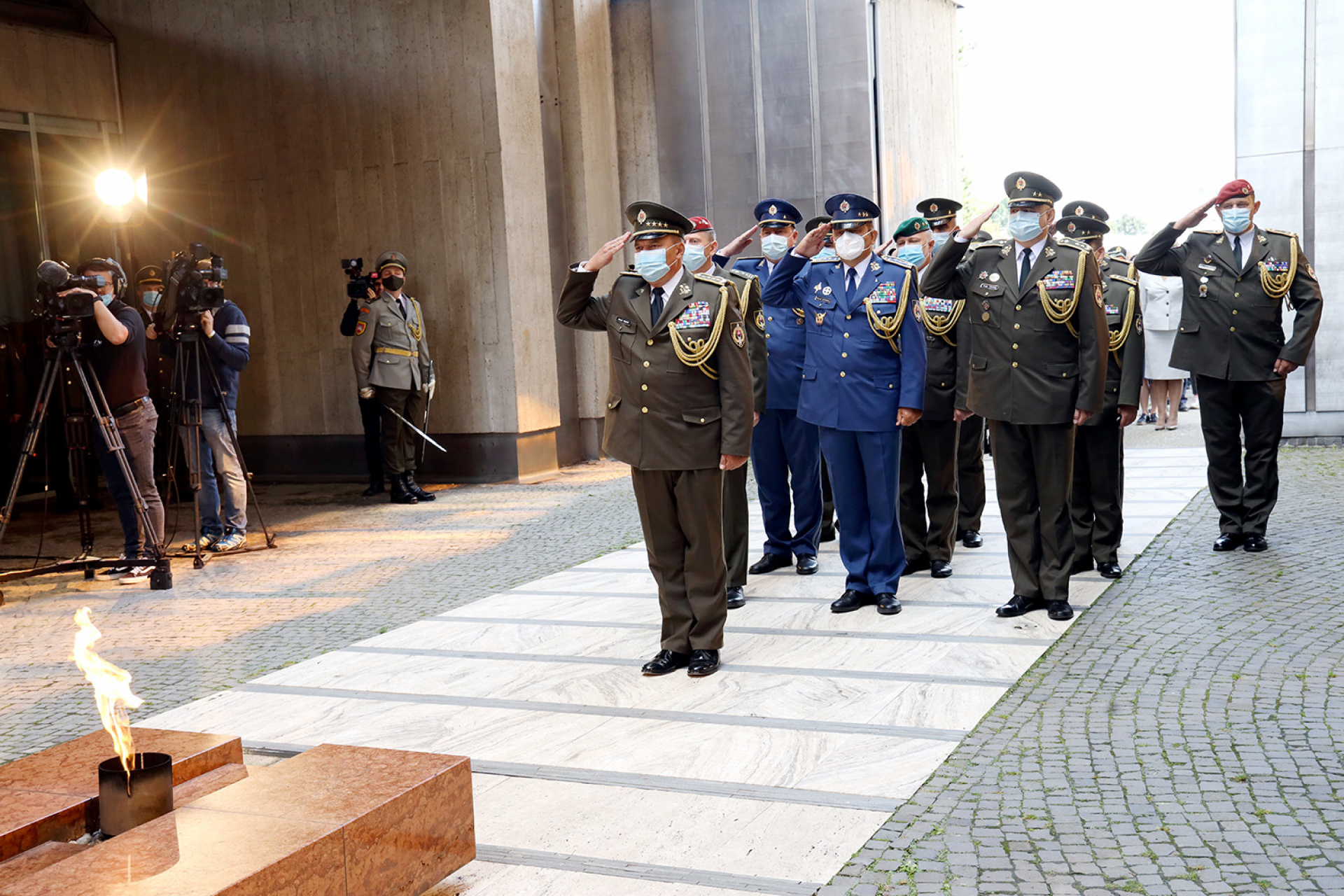
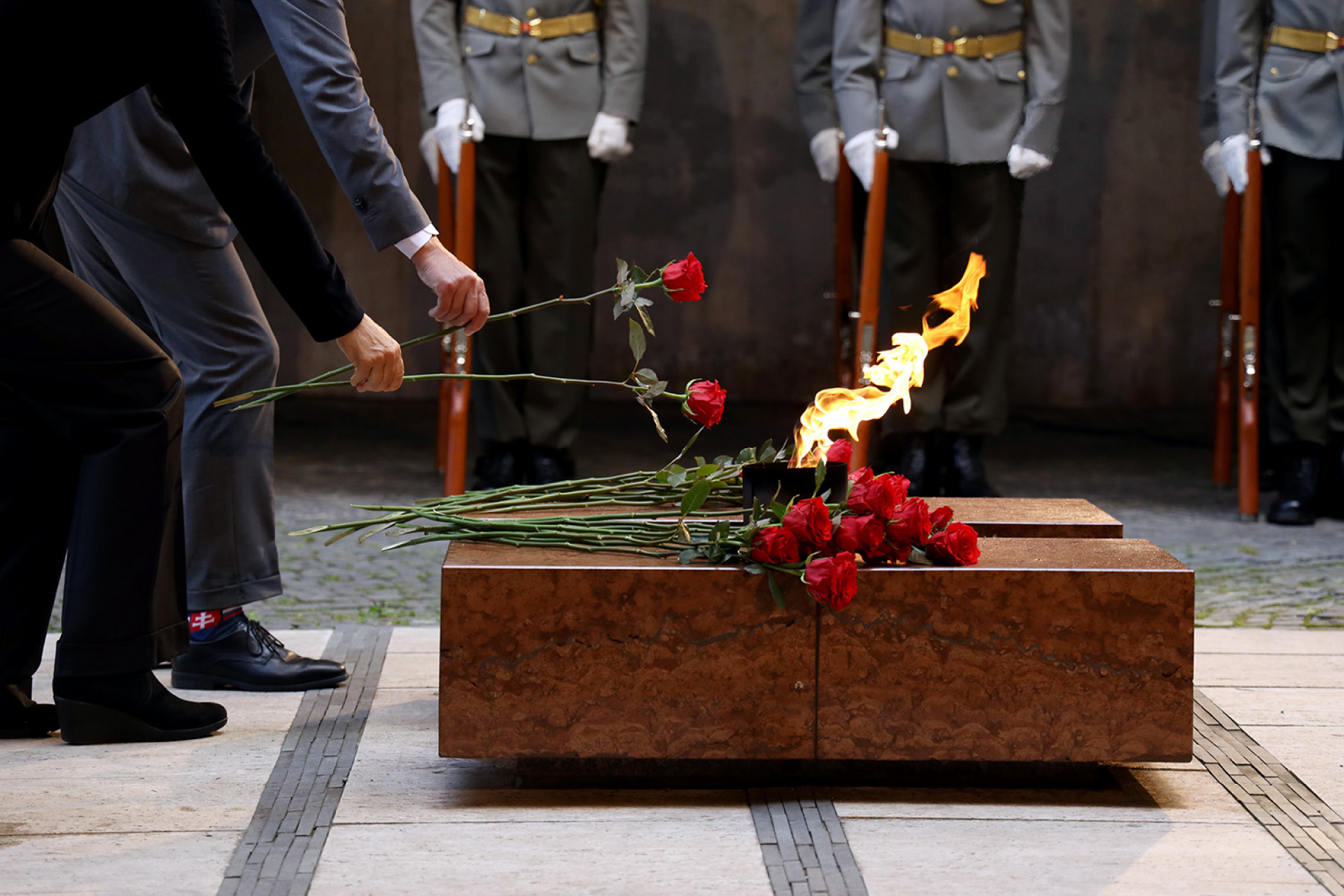
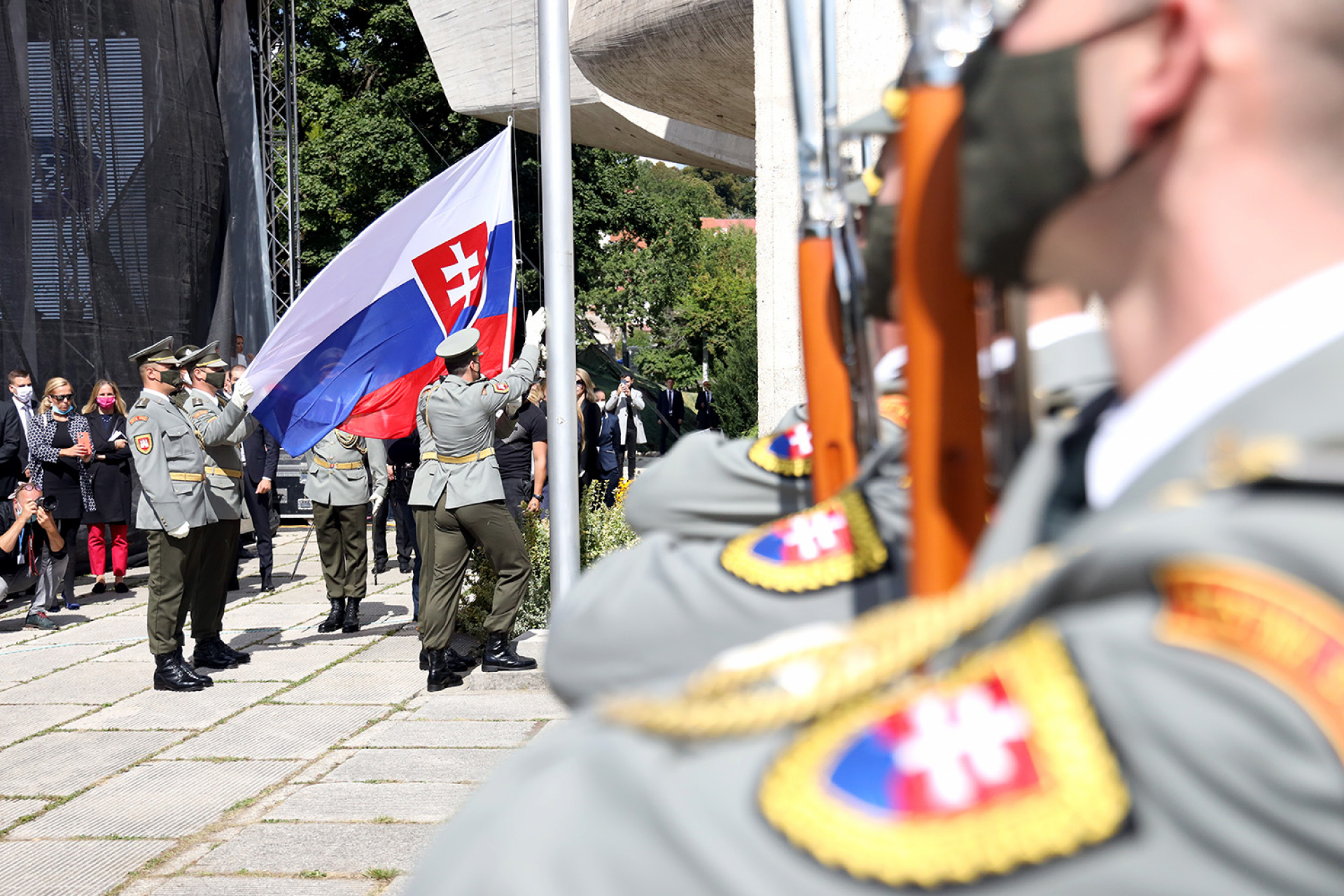
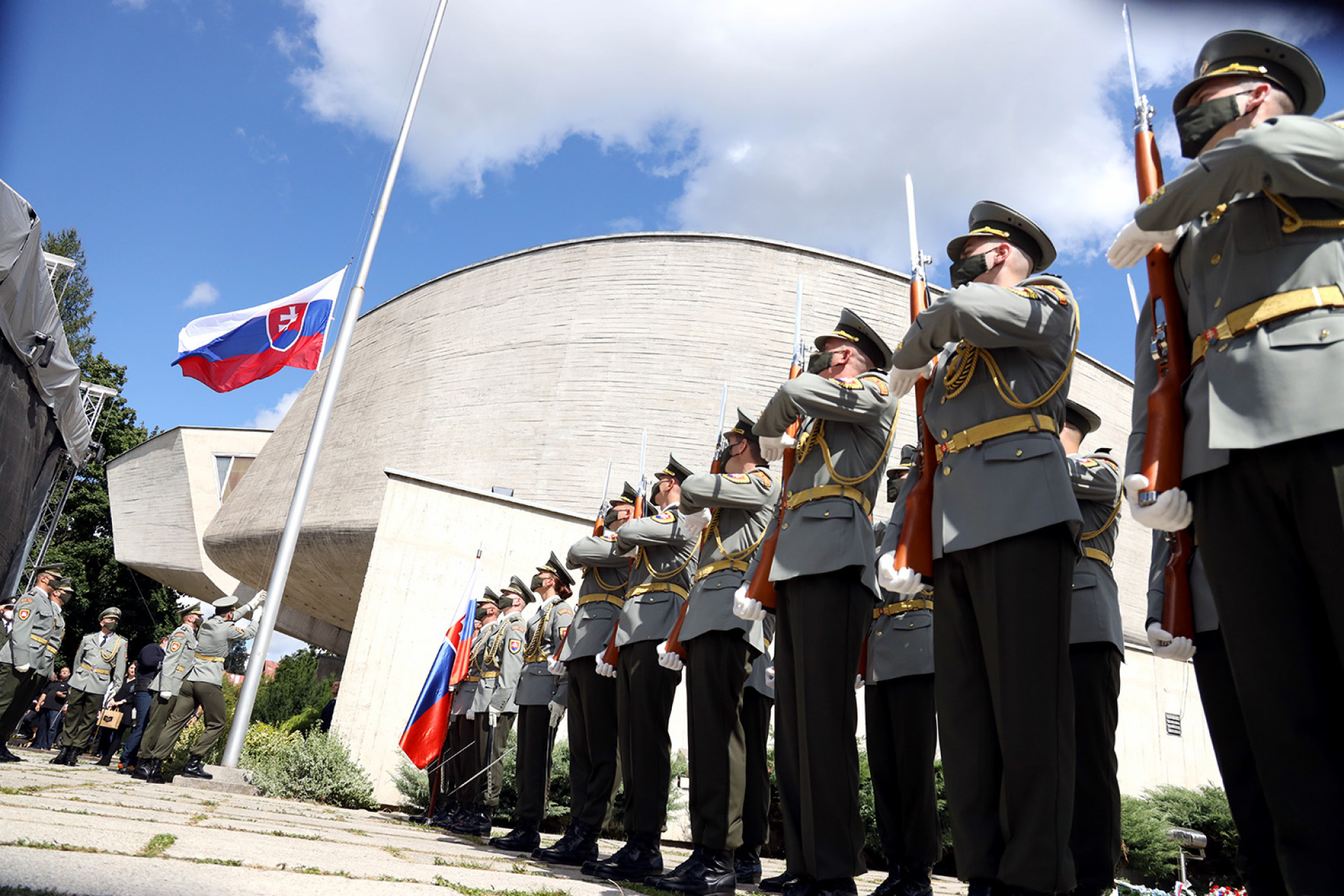
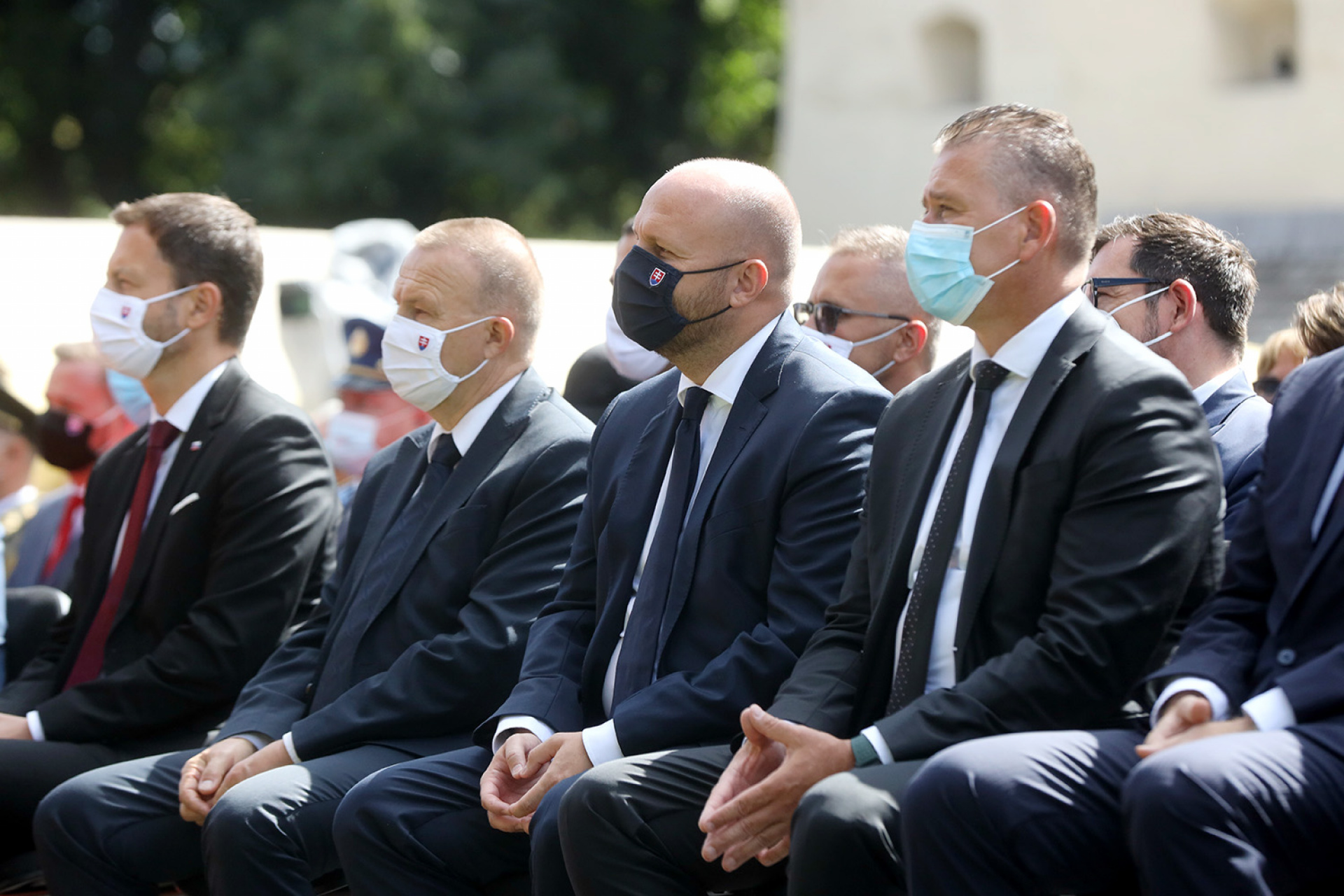
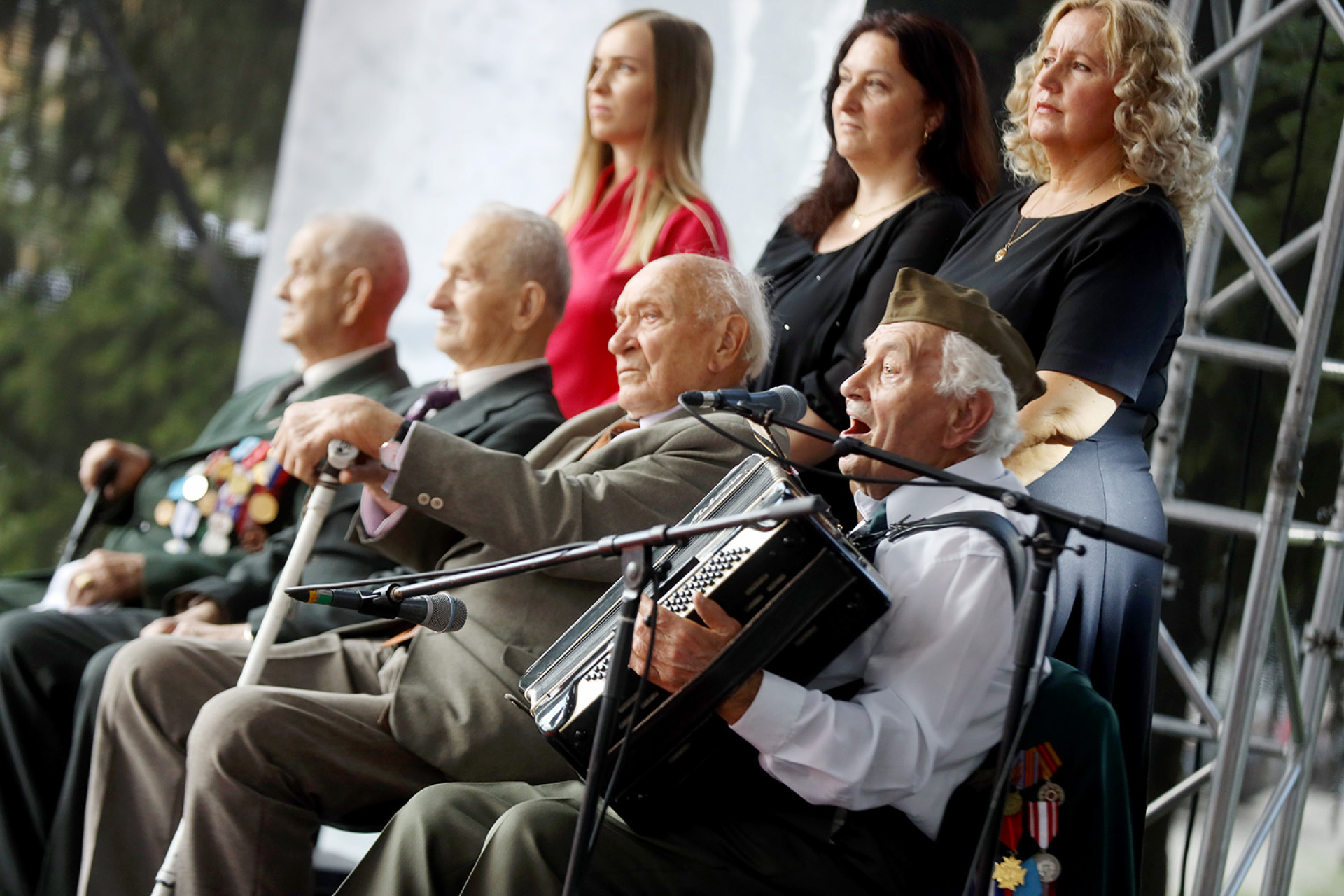
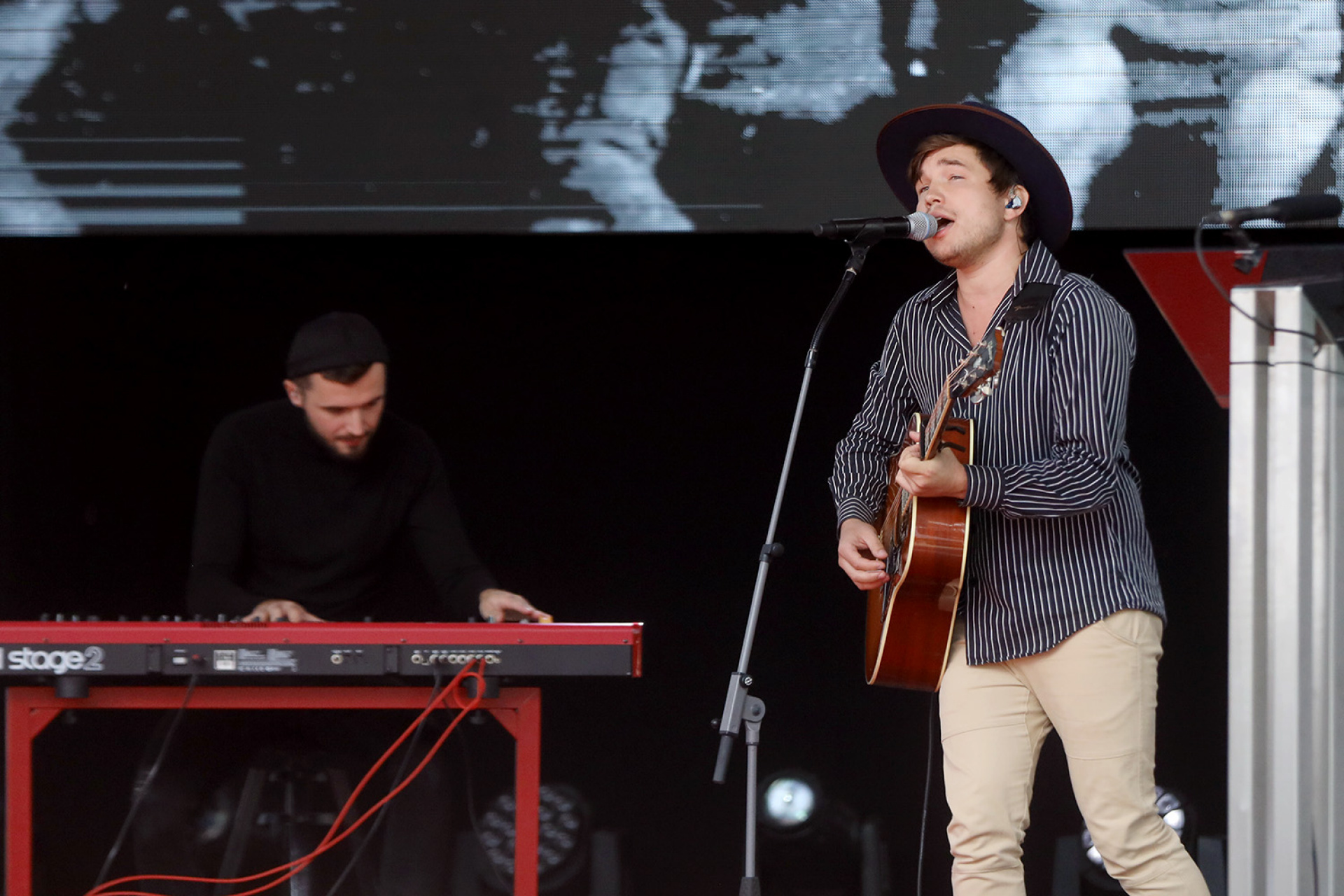
Slovakia's three highest constitutional representatives and MOD senior leaders – Defence Minister Jaroslav Naď, Deputy Defence Minister Marian Majer and Chief of Defence Gen Daniel Zmeko joined together today to mark the 77th anniversary of the 1944 Slovak National Uprising (SNP) with a National Commemoration Event in Banská Bystrica. Traditionally, the event opened with a flypast of SVK Air Force aircraft – a formation of UH-60M Black Hawk multi-role helicopters.
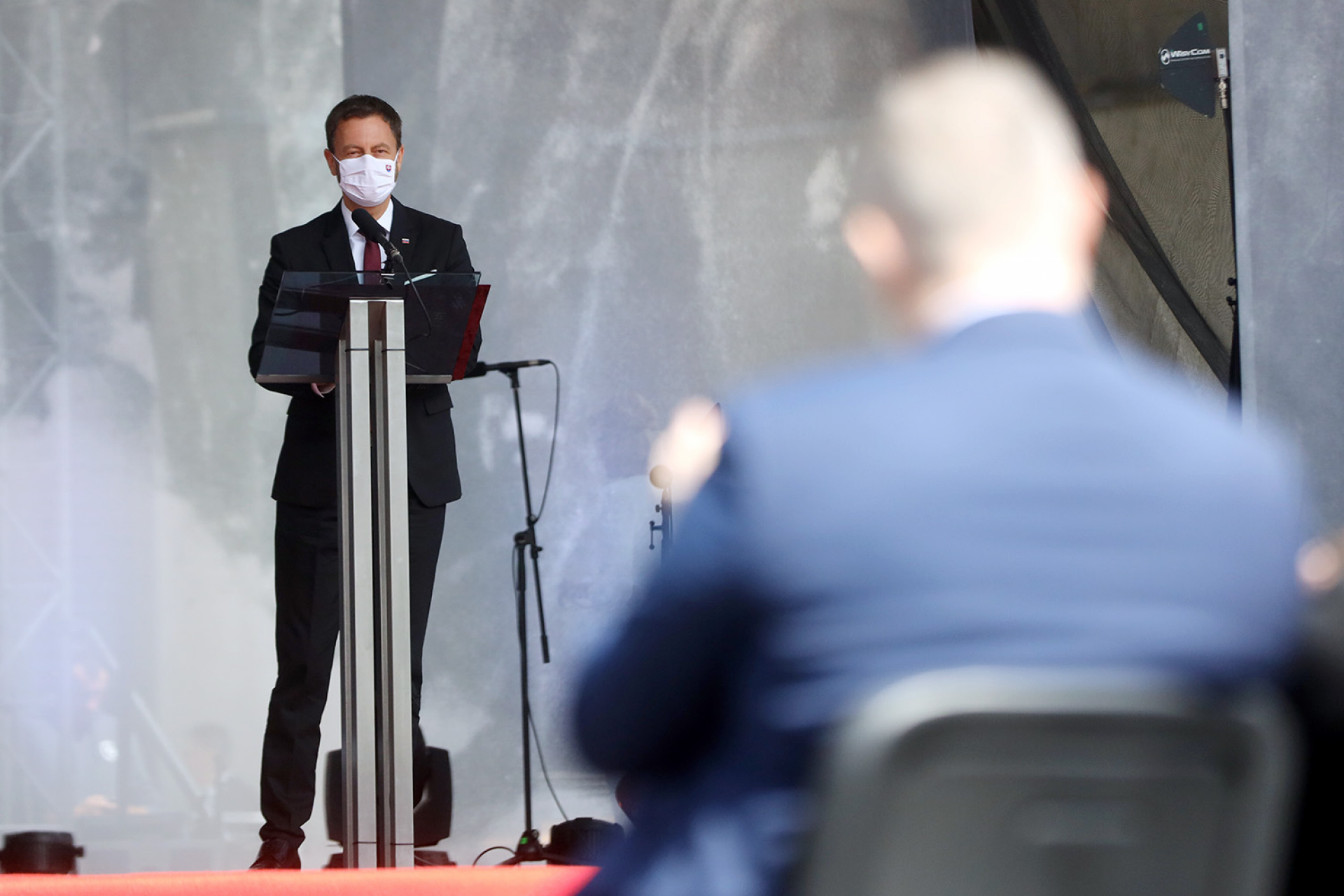
Speaking on the occasion, Defence Minister Jaroslav Naď said: “The Slovak National Uprising has gone down in Slovak and European history of anti-Nazi resistance as an important historical fact, one which cannot be overlooked. Today serves as a reminder of heroism, courage and valour – it is these words that best describe our heroes and their actions during the national struggle for liberation. We honour their memory.” At the same time, Minister Naď paid his respects to all those who lost their lives in the Second World War.
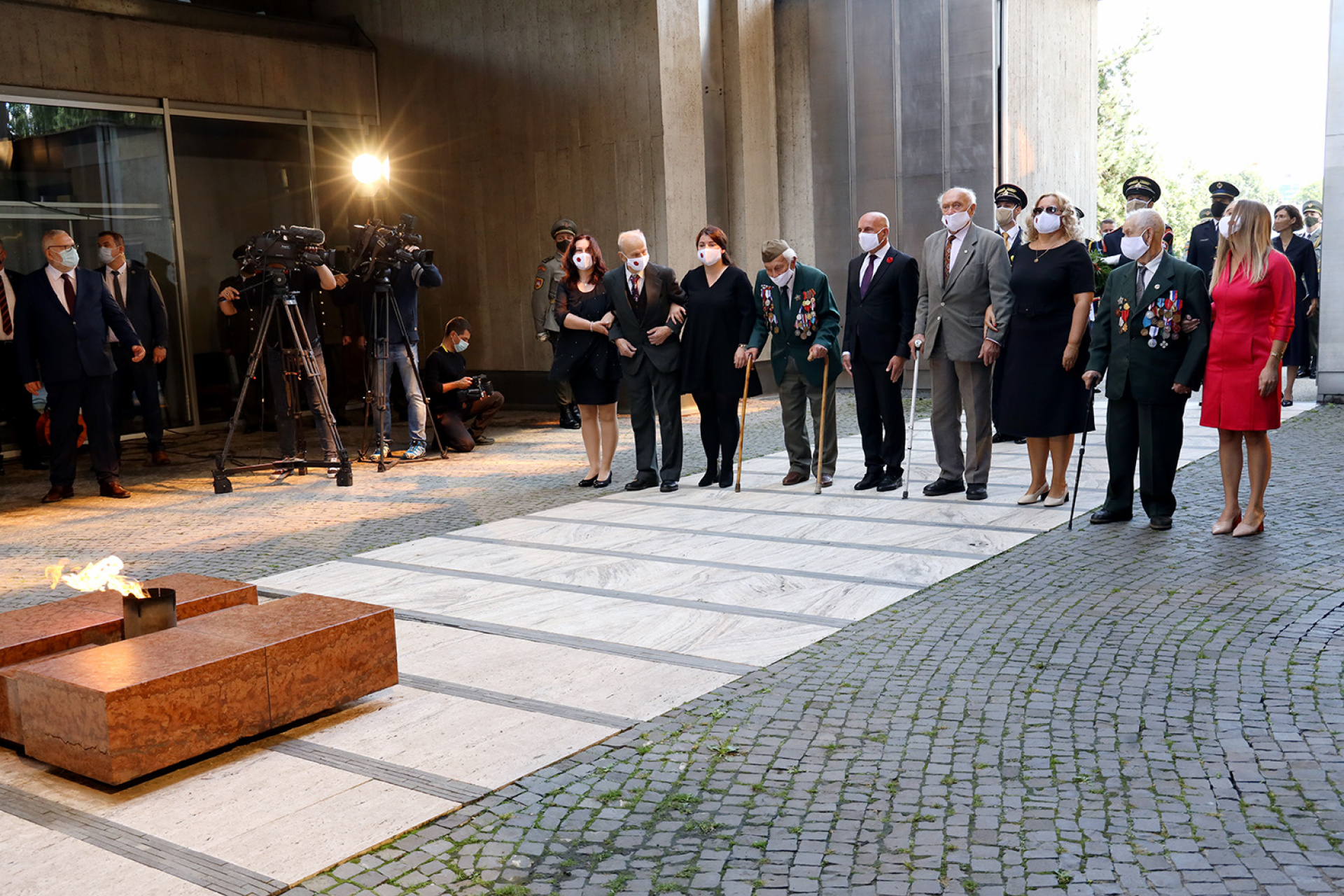
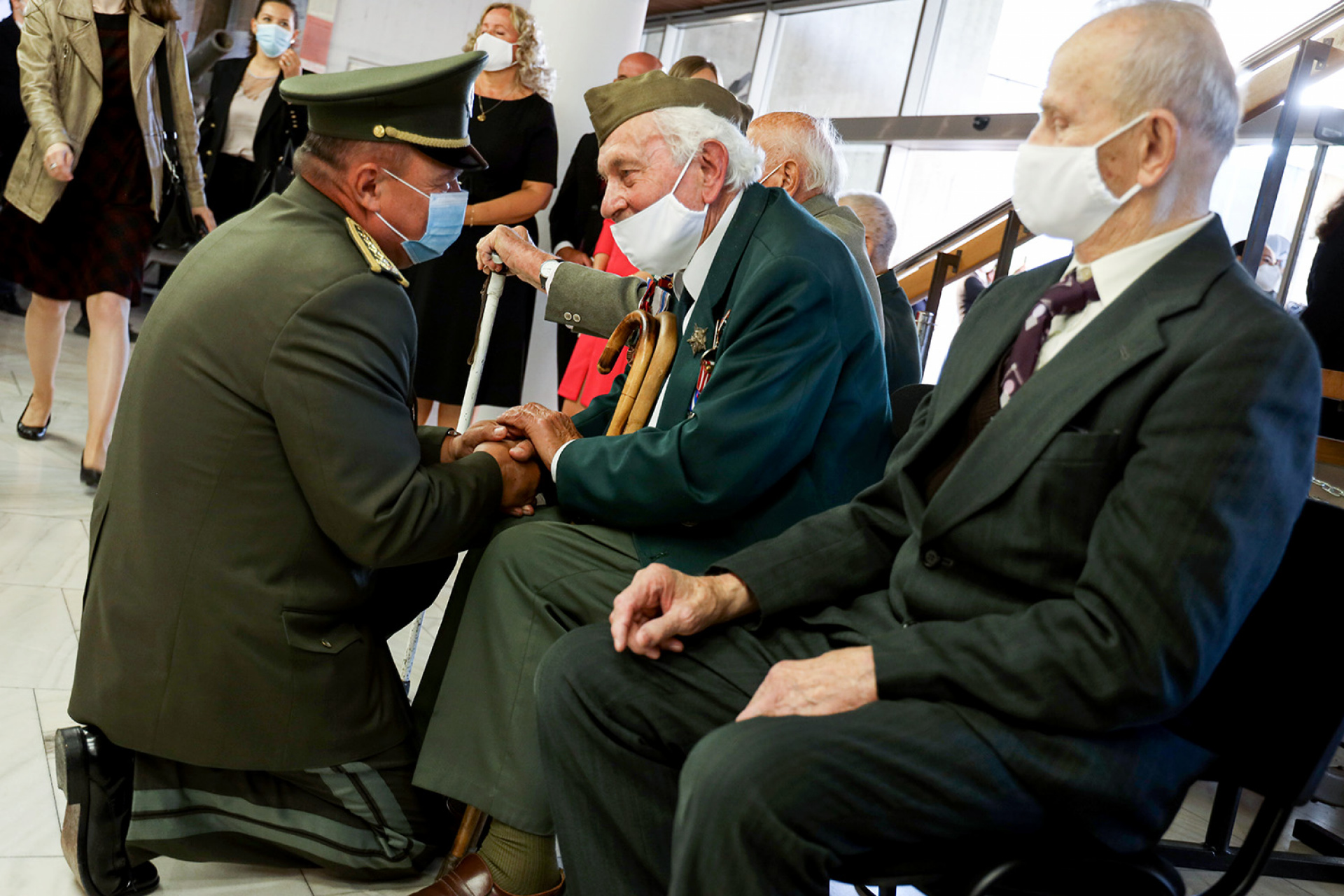
As of today, MOD data records the total number of Slovak National Uprising participants still living in Slovakia at 315. Of them, 45 have been granted the status of war veterans based on their applications.
Banská Bystrica was home to HQ 1st Czechoslovak Army. The HQ was tasked with defending an insurgency area of 20,000 square kilometres with a population of about 1.7 million until the arrival of the Red Army. In the second month of the campaign, the total strength of the insurgent forces was at approx. 77,500. Despite their military defeat in October 1944, the insurgent forces were neither completely wiped out nor surrendered. They continued with local partisan warfare well up to Slovakia’s final liberation on 3 May 1945.
With the Slovak National Uprising as an anti-Nazi campaign, the Slovak Nation joined other forward-looking democratic forces of the anti-Hitler coalition and fought to win the decisive preconditions necessary for establishing its own democratic statehood and laying down the foundations for a new national and state identity in keeping with the traditions of anti-fascism, democracy and humanism.