Deputy Defence Minister Majer pays tribute to Bloody Sunday victims in Ostrý Grúň
- Author:
- Photo:
- Date: 23.01.2022
- Share: Zdieľať na Facebook
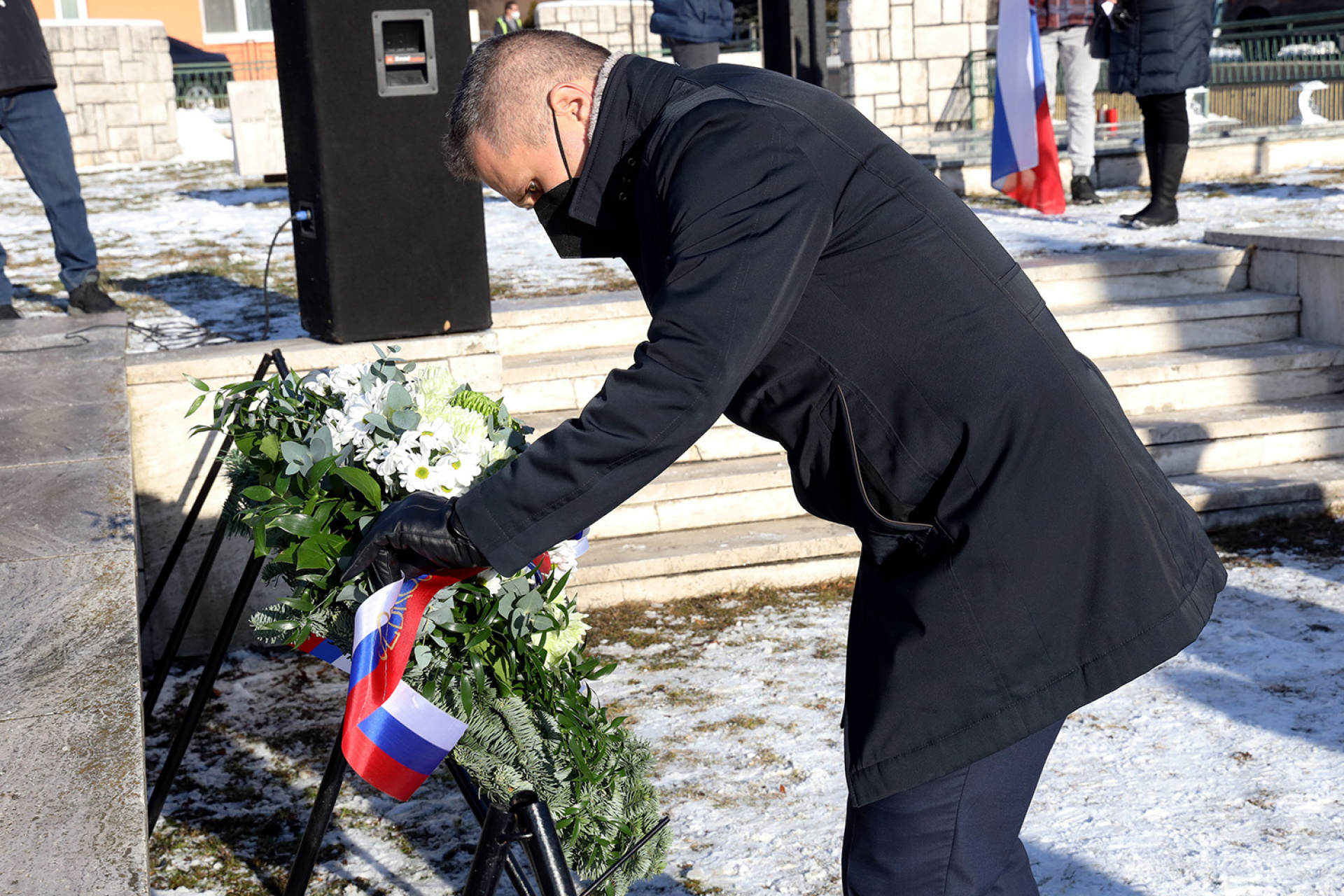
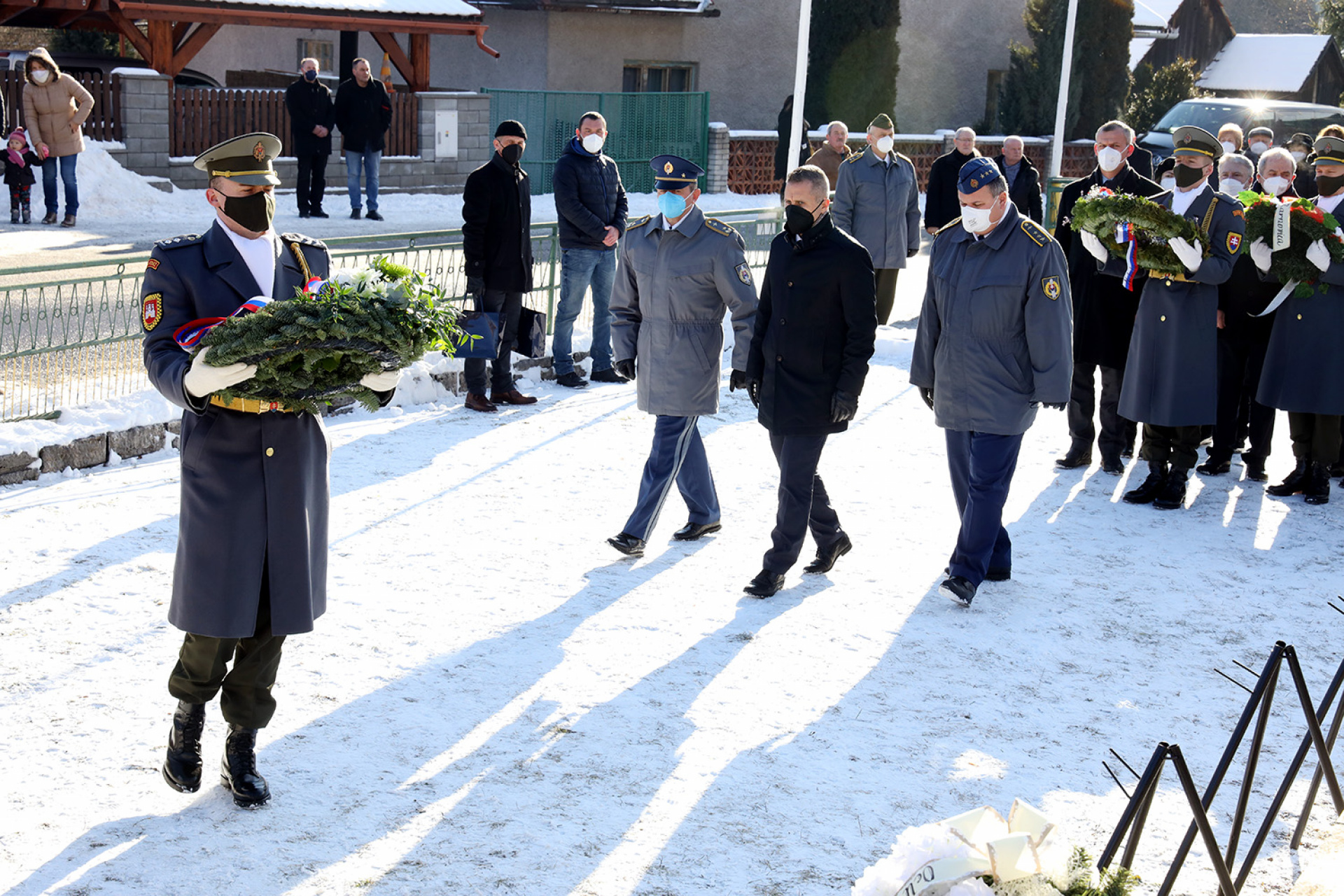
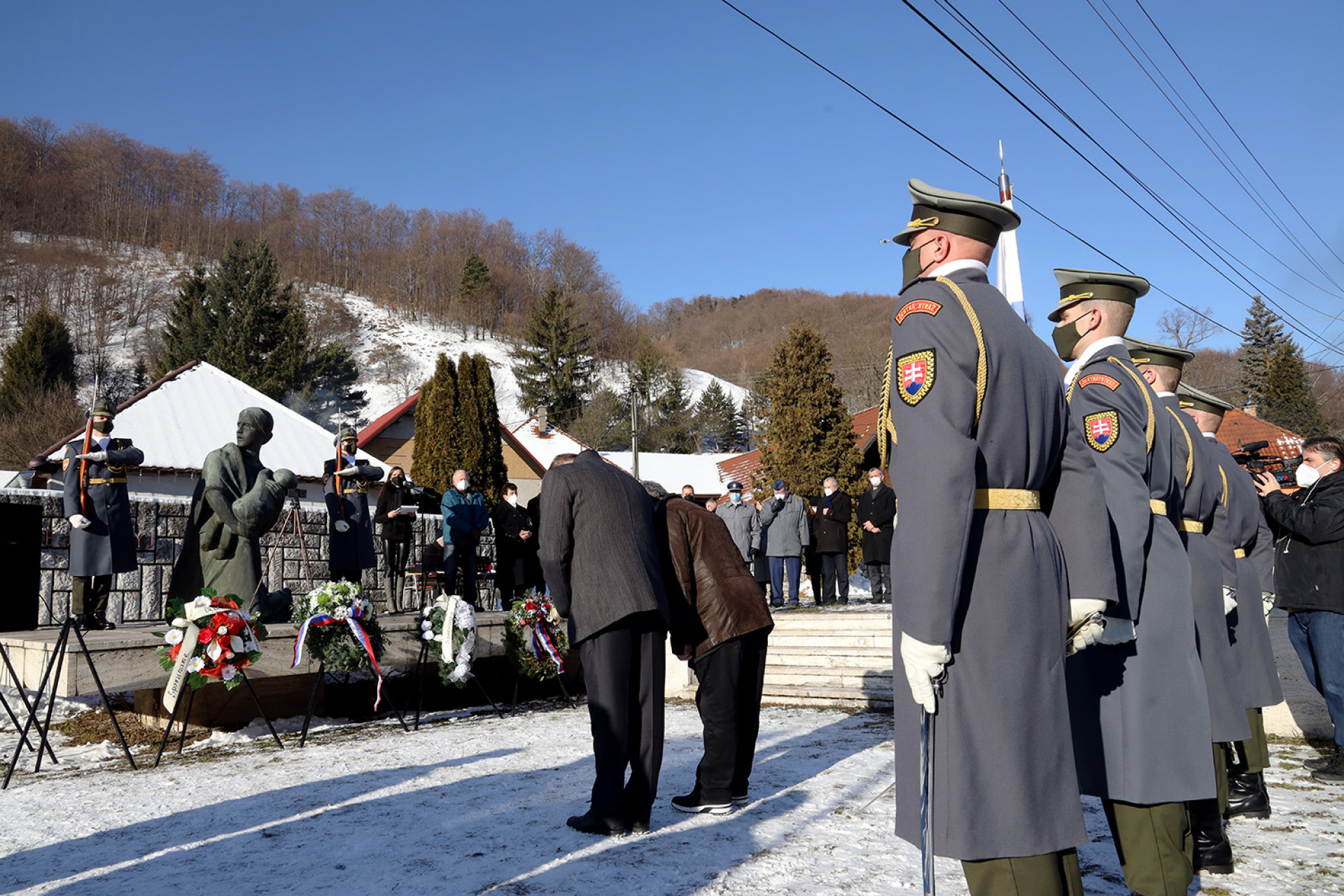
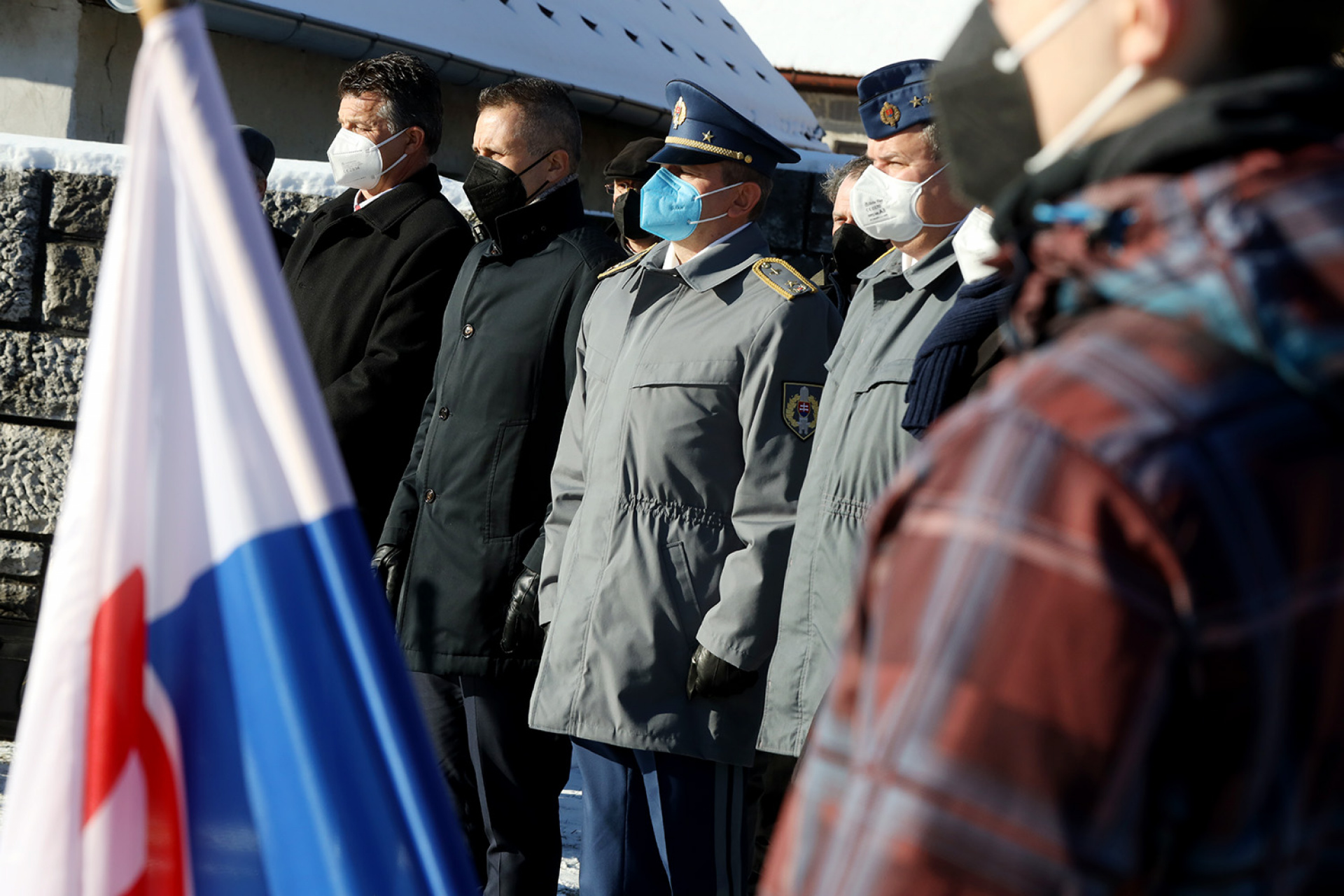
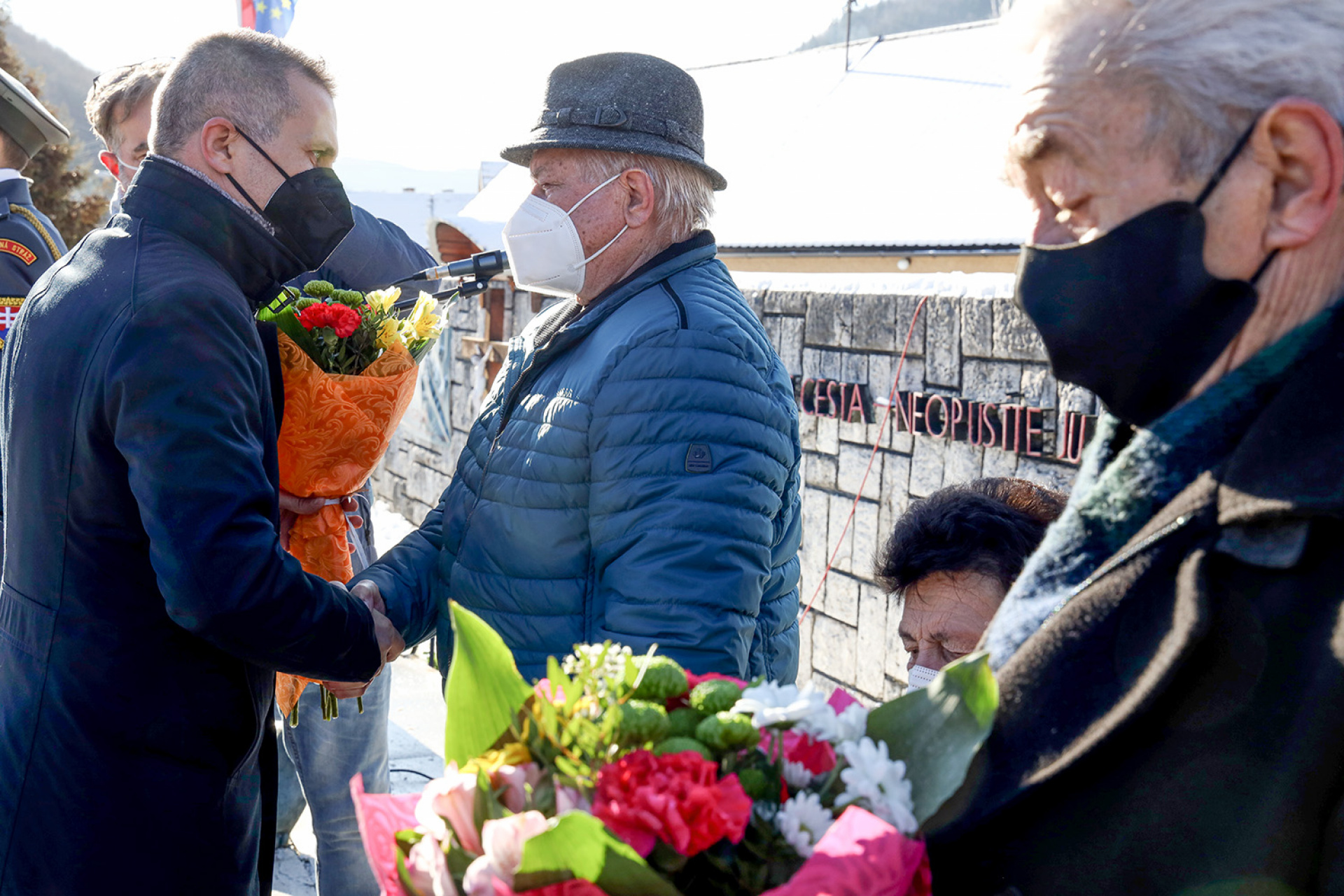
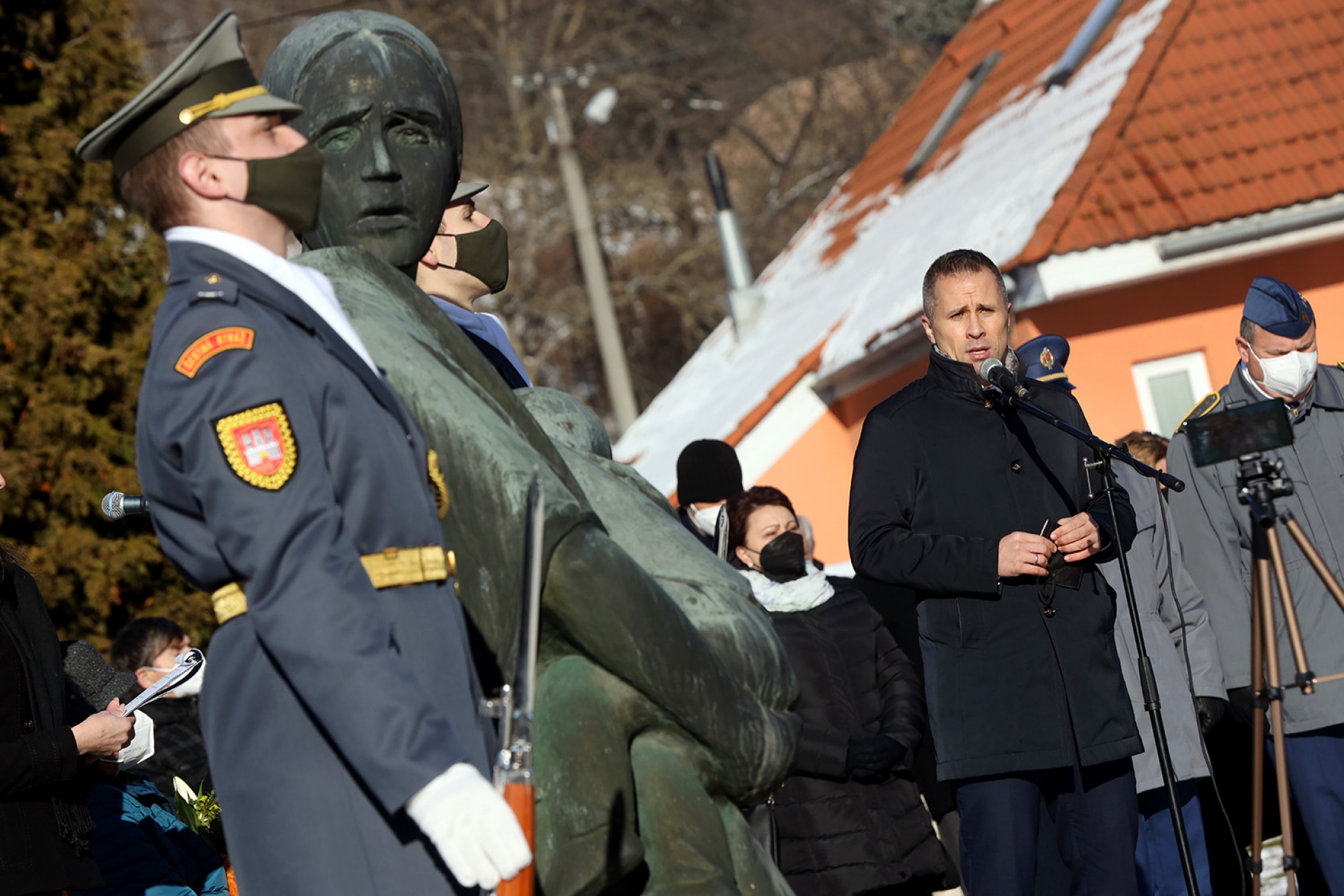
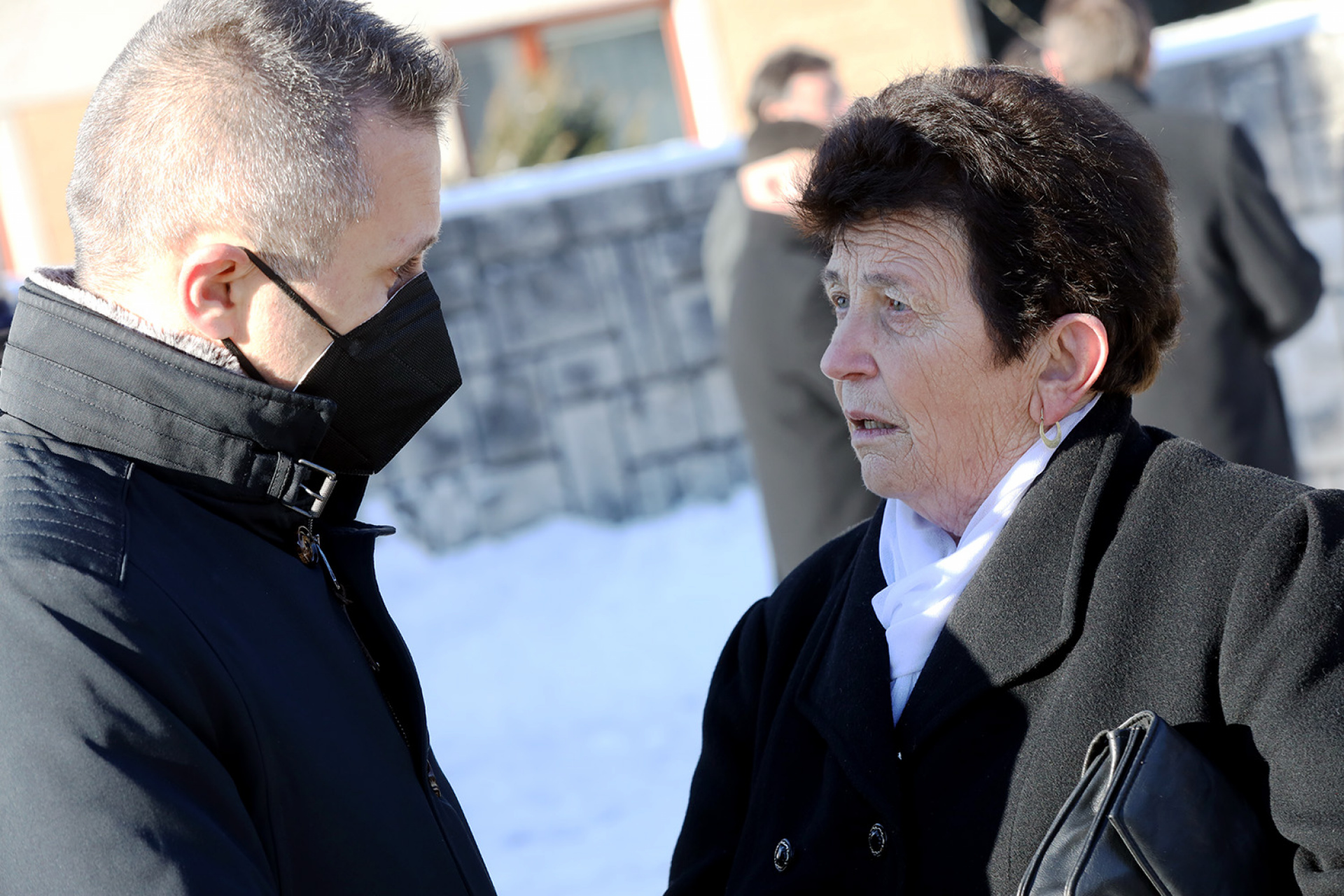
On Sunday 21 January 1945, Ostrý Grúň was the first of the hamlets in the Kľak Valley to feel the retaliations of the German occupying forces against local residents for supporting partisans in the Slovak National Uprising (SNP) in World War II. The victims of Bloody Sunday were honoured today by Deputy Defence Minister Marian Majer in a commemoration at the Bloody Sunday Victims Memorial in Ostrý Grúň.
Speaking on the occasion of the 77th anniversary of the Ostrý Grúň and Kľak raids, Deputy Defence Minister Marian Majer said: “Among those punished in the most cruel way in the Kľak Valley were patriots, anti-Nazi fighters, and especially defenceless civilians, because they heroically decided to help their country. Selflessly and at great personal sacrifice, they provided accommodation, clothes and food and supported the resistance guerrillas fighting for our homeland. We honour their courage and memory!”
Director of the Institute of Military History Col Miloslav Čaplovič noted that the hamlets and secluded clusters of houses, nestled in the Kľak Valley of the Vtáčnik Mountains, were a huge partisan base during the Slovak National Uprising in the autumn of 1944. Up to 3,000 partisans were based in the area.
The Ostrý Grúň and Kľak reprisal raids were planned for the early hours of 21 January 1945 by the command staff of the Edelweiss anti-partisan unit. Col Čaplovič explained what happened, saying: “64 residents, including 12 children, were slaughtered inside Izidor Debnár’s house. The house with the victims was set on fire. In the early hours of Sunday 21 January 1945, the German soldiers also raided Kľak, killing 84 residents. Among them were as many as 36 children under the age of 18, of whom two were just infants, the youngest three months old and five months old.”
On 24 January 1945, the Nazi troops stormed the depopulated Kľak Valley to torch the hamlets. They returned to Ostrý Grúň as well. The remaining 112 houses there were burnt to the ground, as were all the secluded clusters of houses, barns and hay sheds across the valley. Entry to the entire valley was banned for all inhabitants until Slovakia's liberation.
The Ostrý Grúň and Kľak Bloody Sunday Memorials stand as a continuing reminder of the tragic events and victims of the Nazi reprisal raids.
Speaking on the occasion of the 77th anniversary of the Ostrý Grúň and Kľak raids, Deputy Defence Minister Marian Majer said: “Among those punished in the most cruel way in the Kľak Valley were patriots, anti-Nazi fighters, and especially defenceless civilians, because they heroically decided to help their country. Selflessly and at great personal sacrifice, they provided accommodation, clothes and food and supported the resistance guerrillas fighting for our homeland. We honour their courage and memory!”
Director of the Institute of Military History Col Miloslav Čaplovič noted that the hamlets and secluded clusters of houses, nestled in the Kľak Valley of the Vtáčnik Mountains, were a huge partisan base during the Slovak National Uprising in the autumn of 1944. Up to 3,000 partisans were based in the area.
The Ostrý Grúň and Kľak reprisal raids were planned for the early hours of 21 January 1945 by the command staff of the Edelweiss anti-partisan unit. Col Čaplovič explained what happened, saying: “64 residents, including 12 children, were slaughtered inside Izidor Debnár’s house. The house with the victims was set on fire. In the early hours of Sunday 21 January 1945, the German soldiers also raided Kľak, killing 84 residents. Among them were as many as 36 children under the age of 18, of whom two were just infants, the youngest three months old and five months old.”
On 24 January 1945, the Nazi troops stormed the depopulated Kľak Valley to torch the hamlets. They returned to Ostrý Grúň as well. The remaining 112 houses there were burnt to the ground, as were all the secluded clusters of houses, barns and hay sheds across the valley. Entry to the entire valley was banned for all inhabitants until Slovakia's liberation.
The Ostrý Grúň and Kľak Bloody Sunday Memorials stand as a continuing reminder of the tragic events and victims of the Nazi reprisal raids.