Minister of Defence in eastern Slovakia
- Author:
- Photo:
- Date: 30.08.2016
- Share: Zdieľať na Facebook
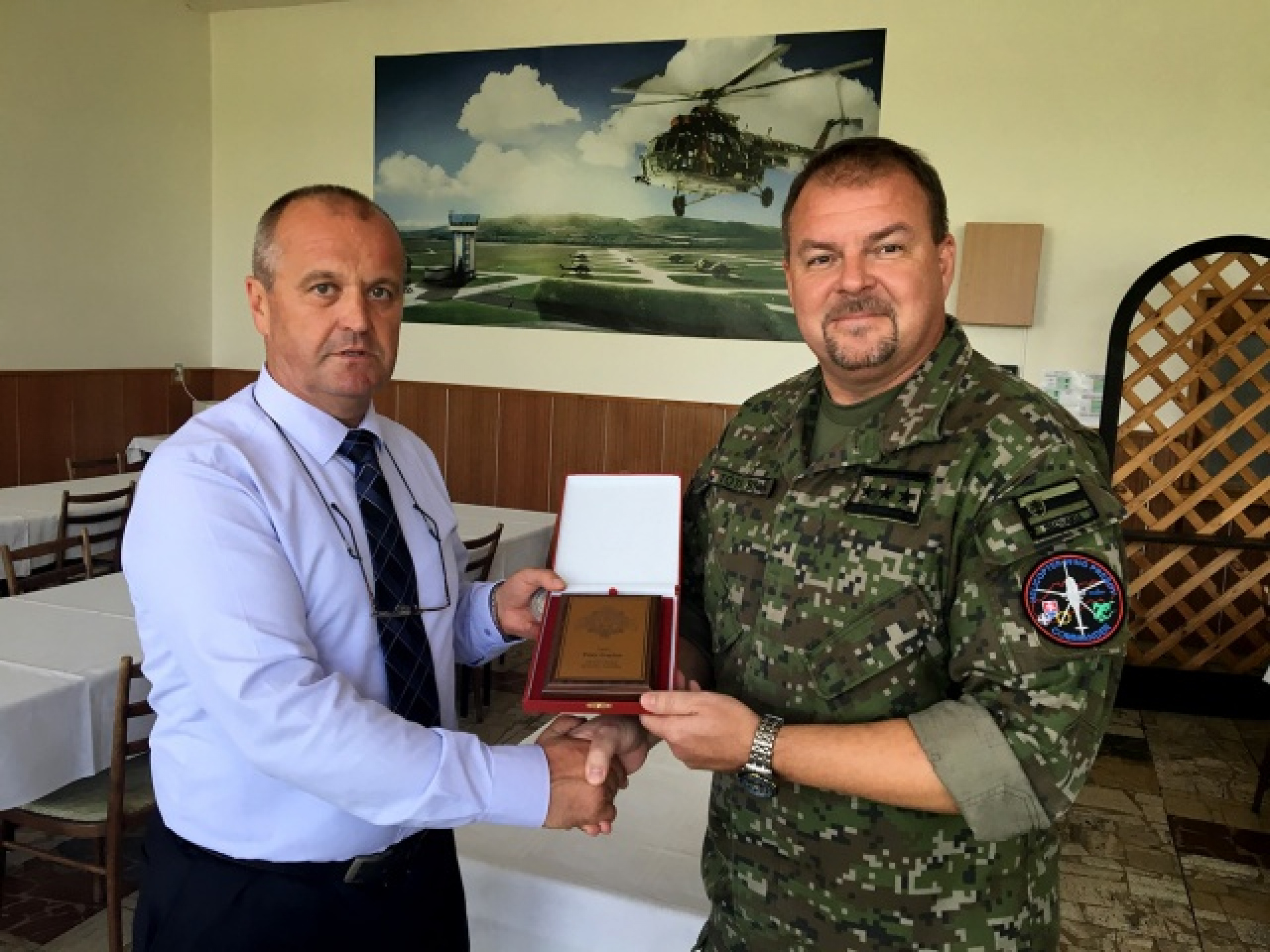
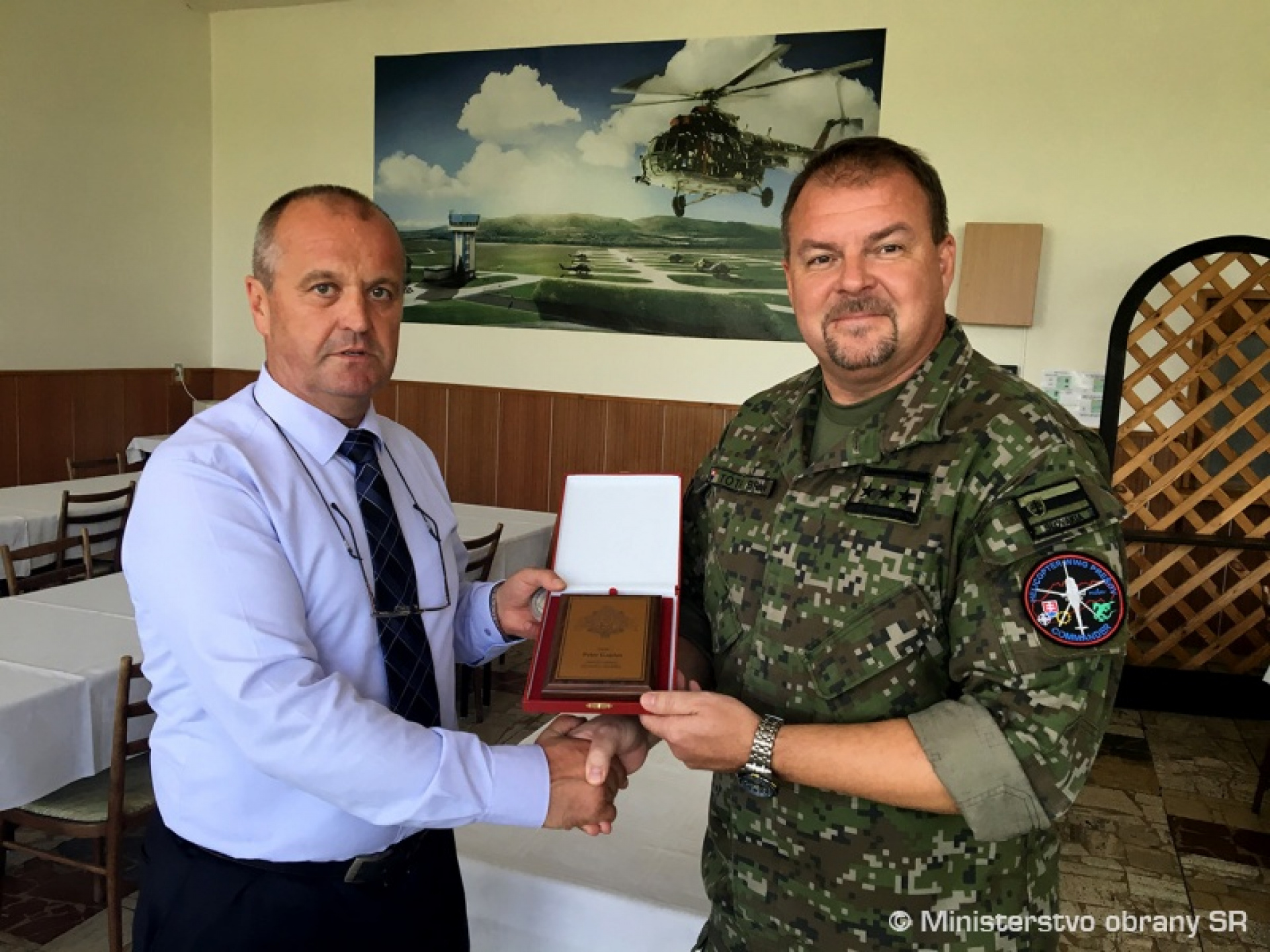
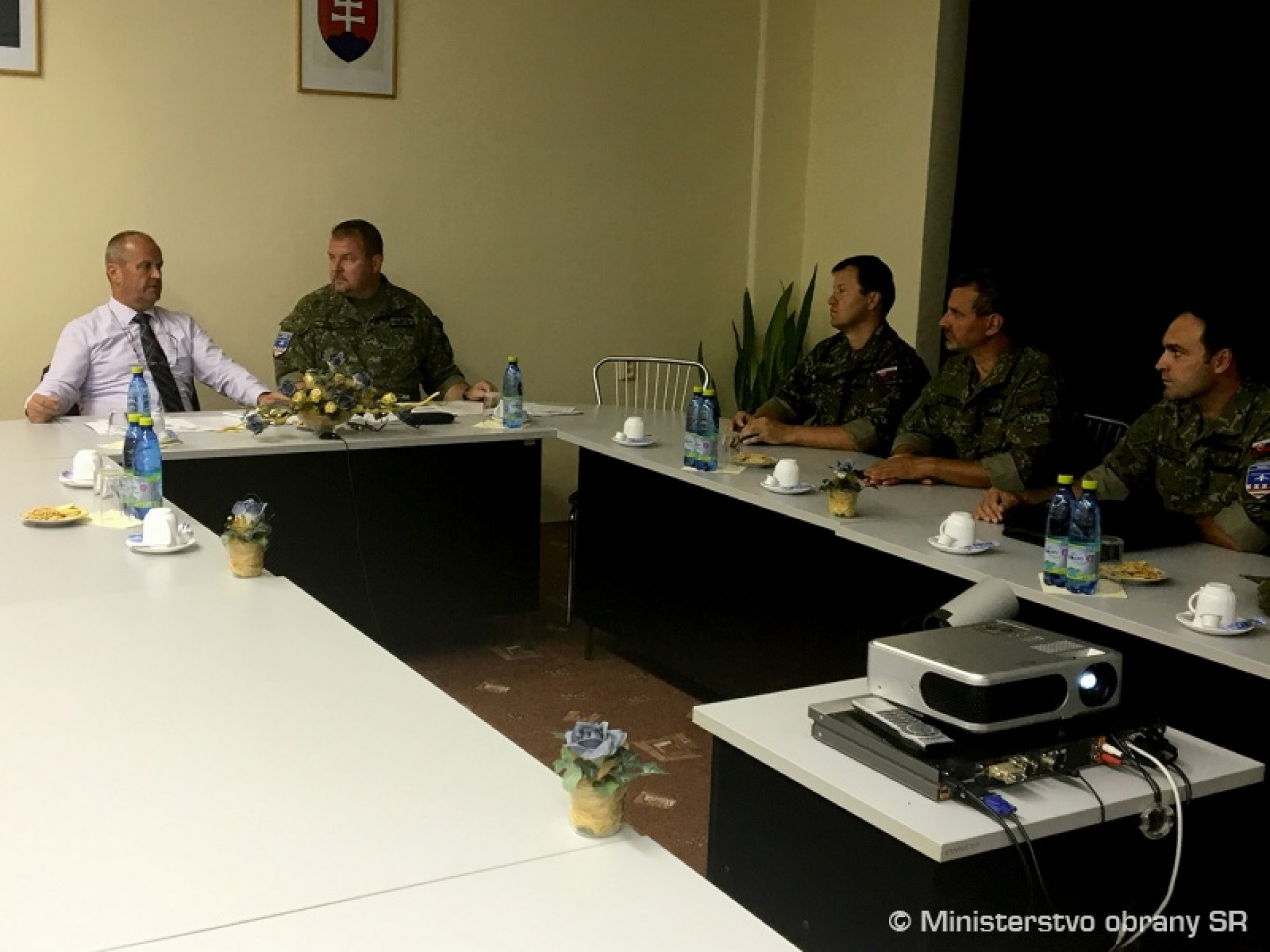
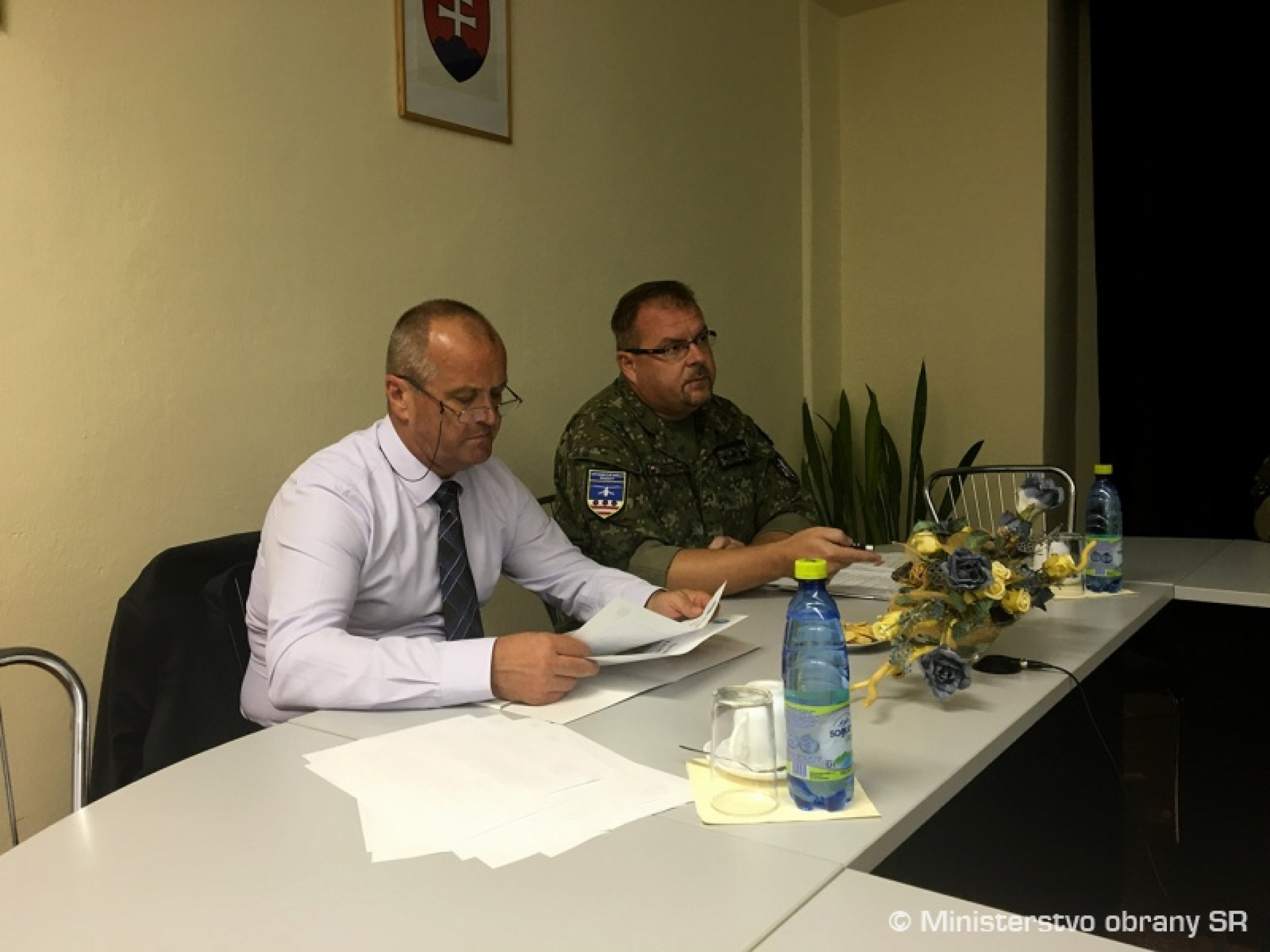
Besides attending the government's away-day meeting in Vranov nad Topľou, Minister of Defence Peter Gajdoš also visited Col Gen Ján Ambruš Helicopter Wing in Prešov. There, he was interested in the status of the unit's preparedness to operate a new fleet of Black Hawk helicopters, performance of tasks, and incident response missions that aircrews had carried out as part of domestic crisis management events. “The Helicopter Wing performs vital tasks which are not only military in nature, but it is as well involved in domestic crisis management. Our helicopters regularly assist in extinguishing forest fires in hardly accessible terrains, in flood emergencies, or, for example, in conducting search and rescue for missing people,” emphasised the head of the MOD. Aside the aforementioned missions, the unit also uses its fleet of Mil Mi-17 helicopters to execute transport and helicopter insertion taskings.
While in Vranov nad Topľou, Minister Gajdoš also visited the grave of a soldier who died as the Antonov An-24 military aircraft crashed on its way home from KFOR in Kosovo near the Hungarian village of Hejce in January 2006. “We have promised never to forget our soldiers who died while discharging their duties and we will live up to that promise,” accentuated Minister Gajdoš, while noting that the SVK military forms an important part of international crisis management, whether be it under the umbrella of NATO, the UN or the European Union.
Still before the government's away-day meeting in Svidník, Minister of Defence Peter Gajdoš, accompanied by Col Miloslav Čaplovič, Director of Military History Institute, visited a lookout tower at Dukla, which forms part of the Military History Museum and offers excellent views of an area that was a battlefield of the Carpatho-Dukla Offensive in the autumn of 1944. He paid tribute to the memory of its victims at the Czechoslovak Army Corps Memorial and at the War Cemetery at Dukla. “Right here in this area intense battles were being waged in the cause of our liberty during the Second World War. It is a beautiful region, one which is inseparably related to our history that needs to be respected by us as a nation,” said the Minister. Just before the government's away-day session in Svidník, he appreciated the warm and sincere welcome given by local residents: “There were children and young people who were dressed in costumes, which pleased me immensely, because this, too, is part of our history. And there are places in this region linked to it inseparably. My sincere thanks go to them.”
While in Vranov nad Topľou, Minister Gajdoš also visited the grave of a soldier who died as the Antonov An-24 military aircraft crashed on its way home from KFOR in Kosovo near the Hungarian village of Hejce in January 2006. “We have promised never to forget our soldiers who died while discharging their duties and we will live up to that promise,” accentuated Minister Gajdoš, while noting that the SVK military forms an important part of international crisis management, whether be it under the umbrella of NATO, the UN or the European Union.
Still before the government's away-day meeting in Svidník, Minister of Defence Peter Gajdoš, accompanied by Col Miloslav Čaplovič, Director of Military History Institute, visited a lookout tower at Dukla, which forms part of the Military History Museum and offers excellent views of an area that was a battlefield of the Carpatho-Dukla Offensive in the autumn of 1944. He paid tribute to the memory of its victims at the Czechoslovak Army Corps Memorial and at the War Cemetery at Dukla. “Right here in this area intense battles were being waged in the cause of our liberty during the Second World War. It is a beautiful region, one which is inseparably related to our history that needs to be respected by us as a nation,” said the Minister. Just before the government's away-day session in Svidník, he appreciated the warm and sincere welcome given by local residents: “There were children and young people who were dressed in costumes, which pleased me immensely, because this, too, is part of our history. And there are places in this region linked to it inseparably. My sincere thanks go to them.”