Mass Casualty Incident Drill: Military medics, rescuers and firefighters exercise at Lešť
- Author:
- Photo:
- Date: 29.10.2018
- Share: Zdieľať na Facebook
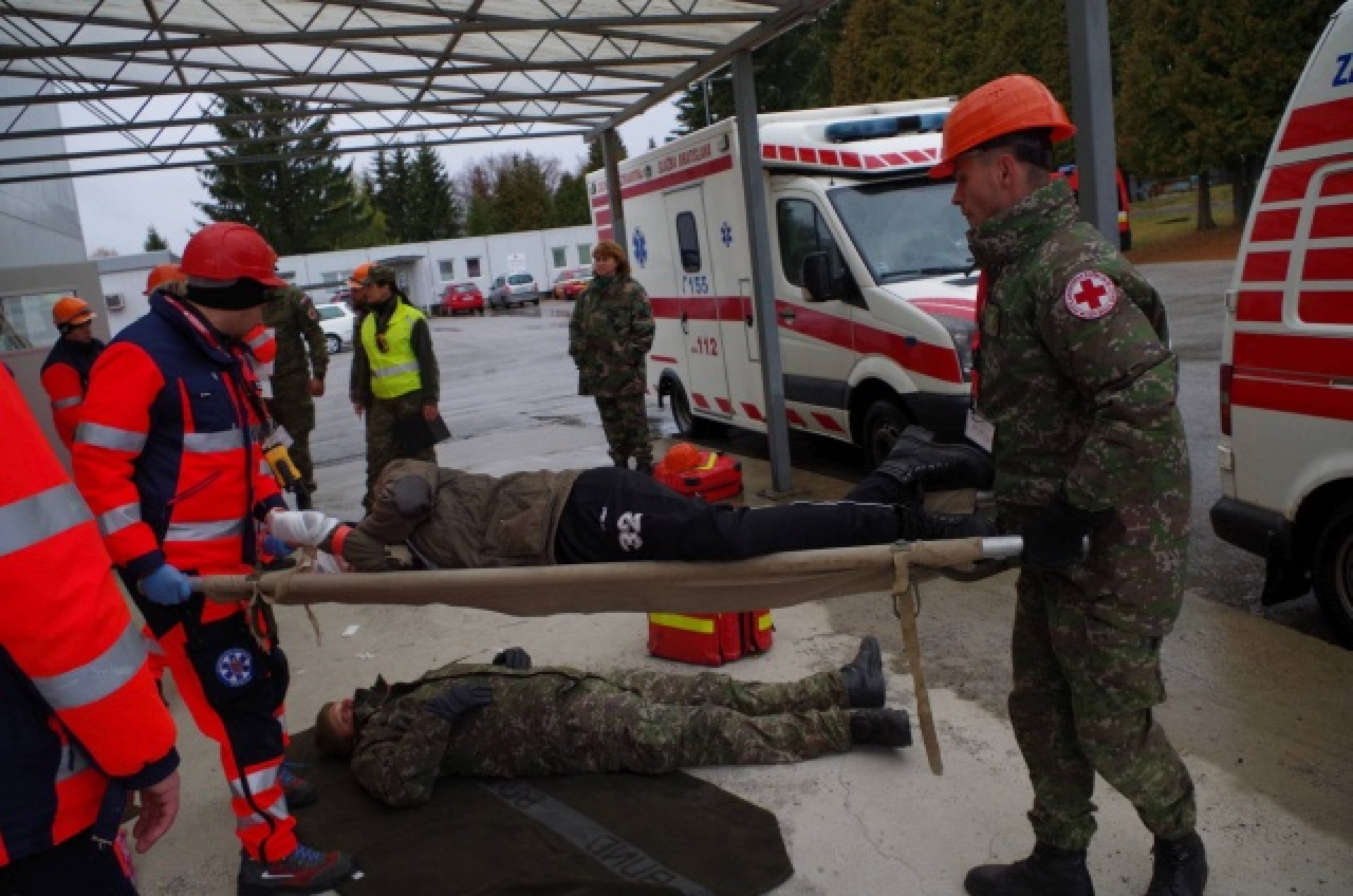
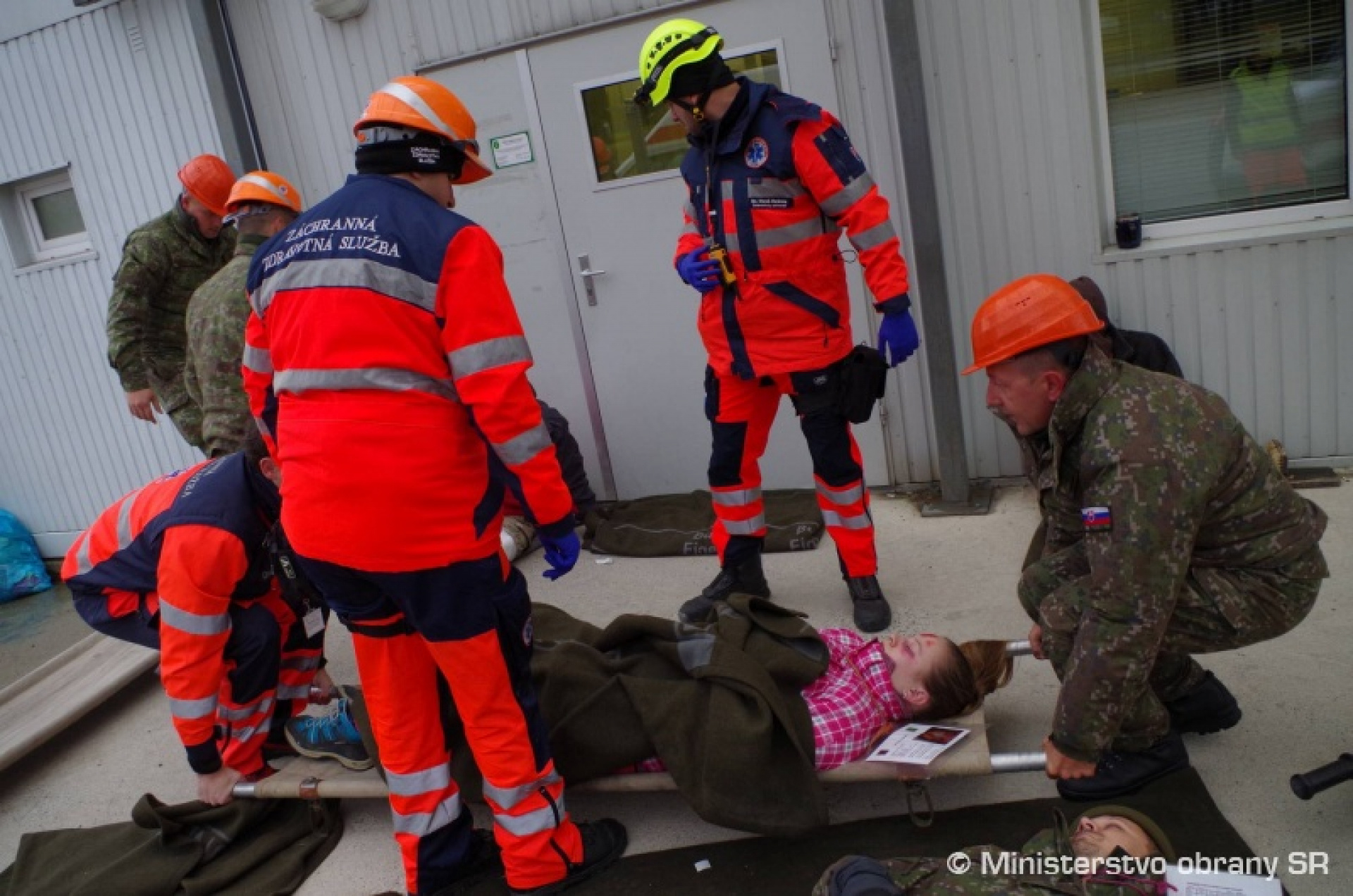
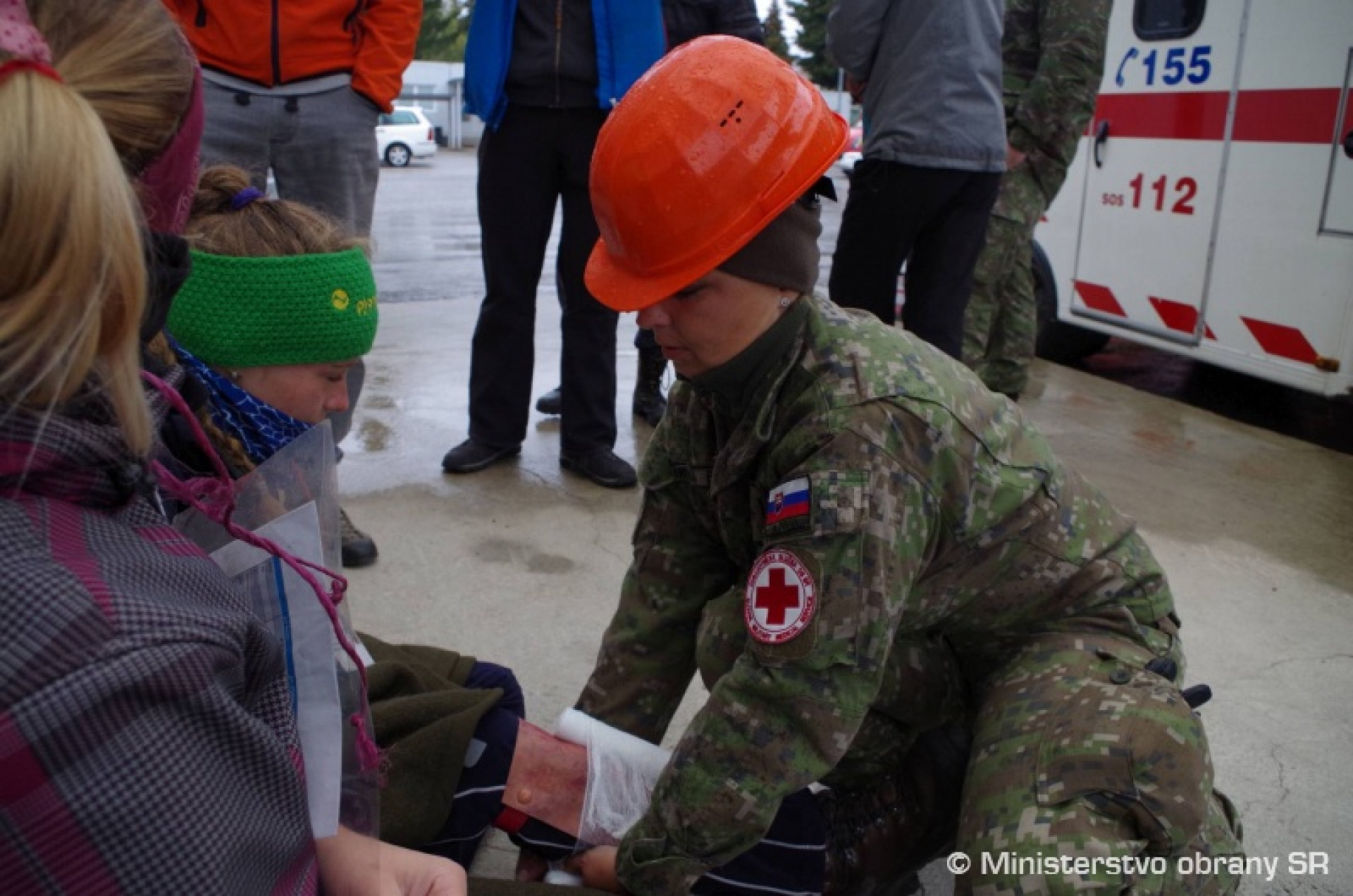
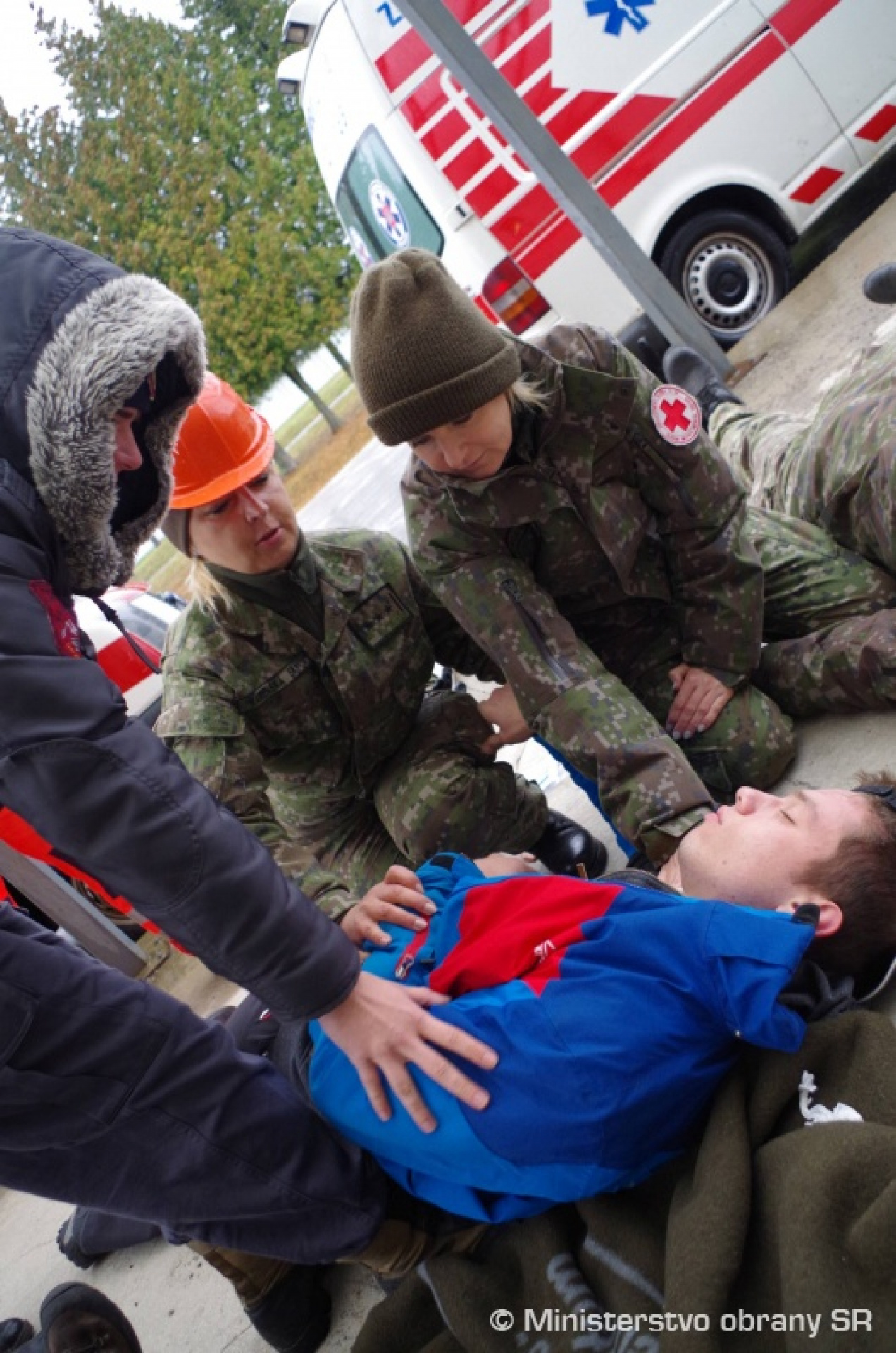
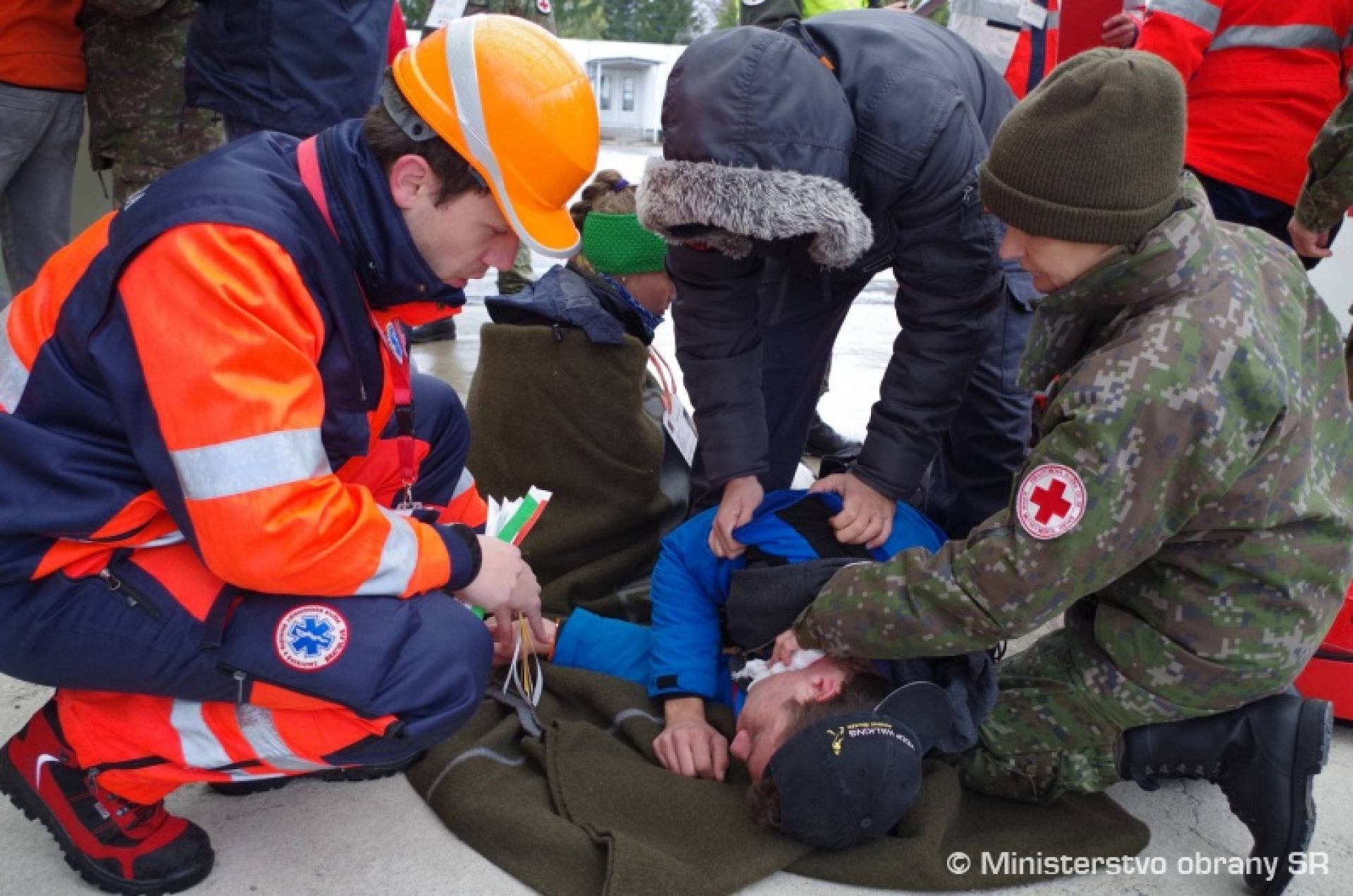
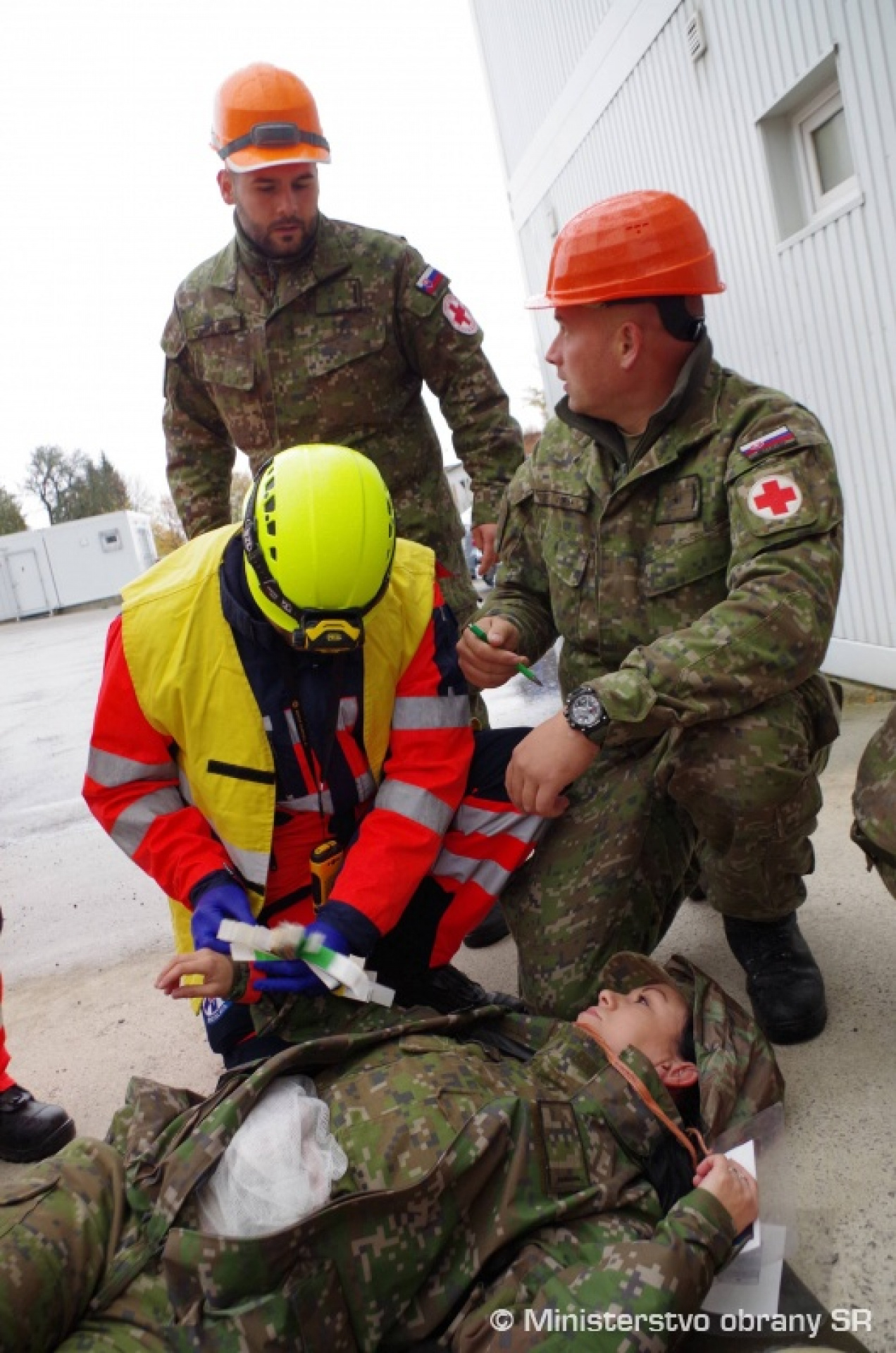
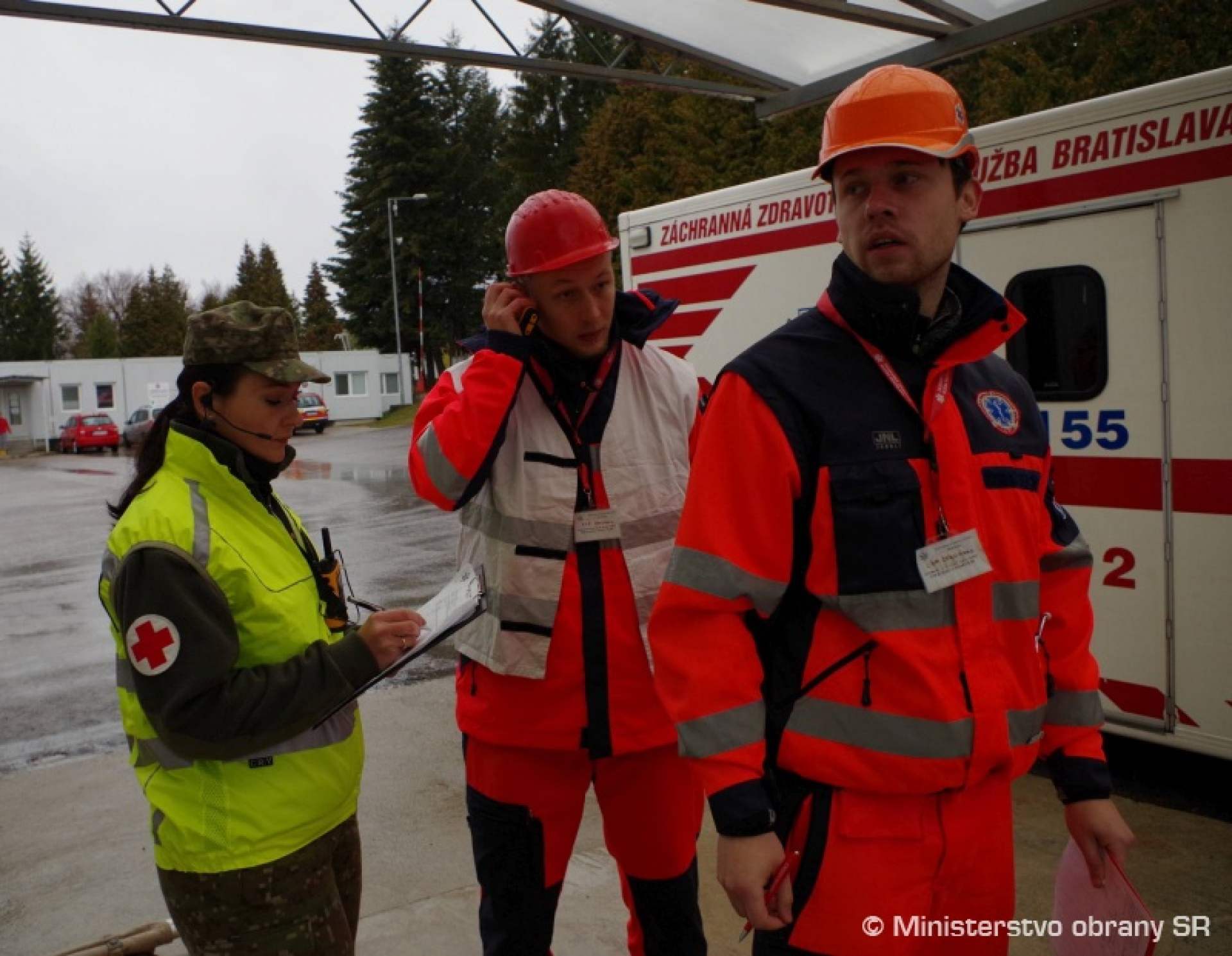
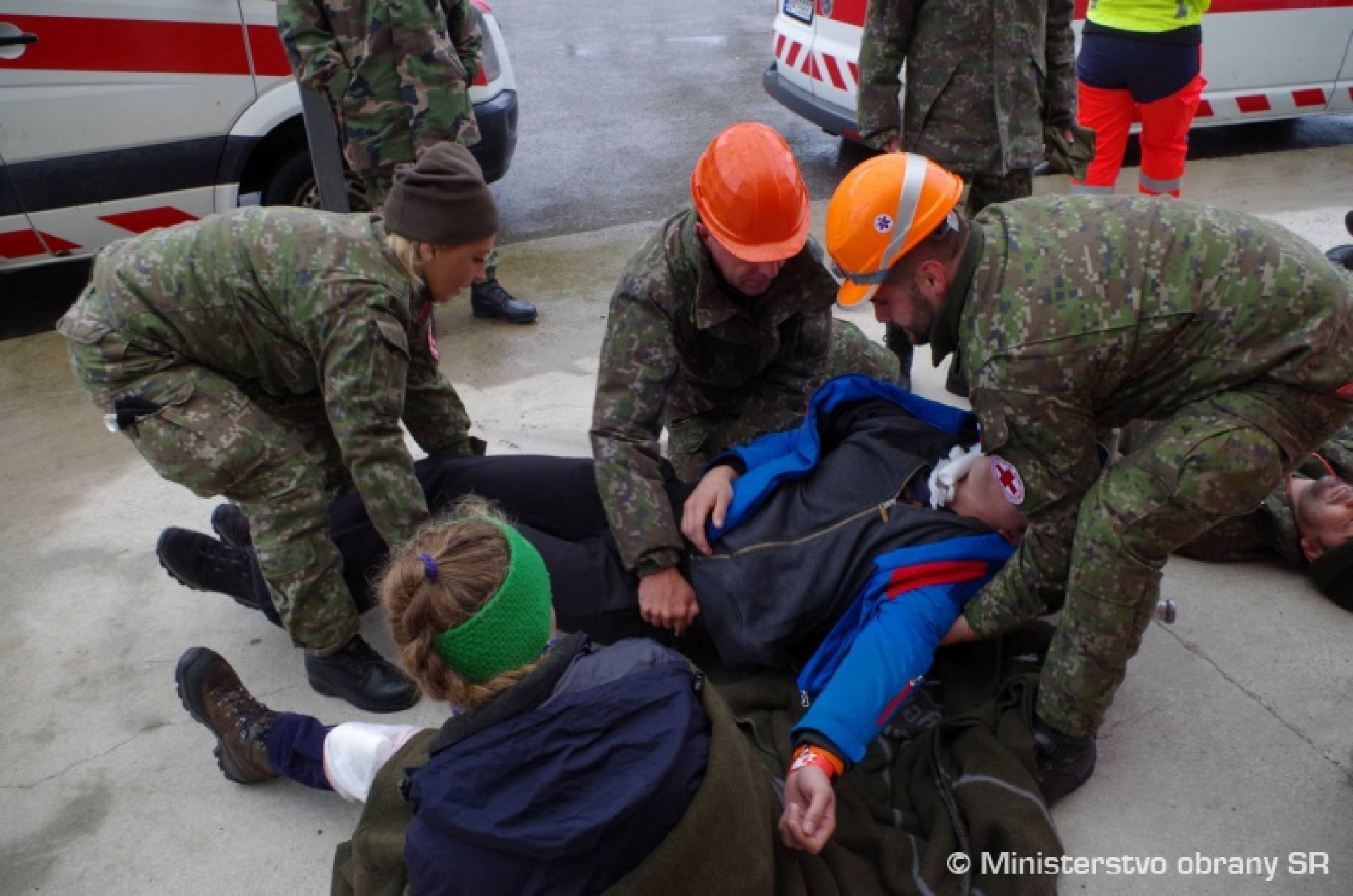
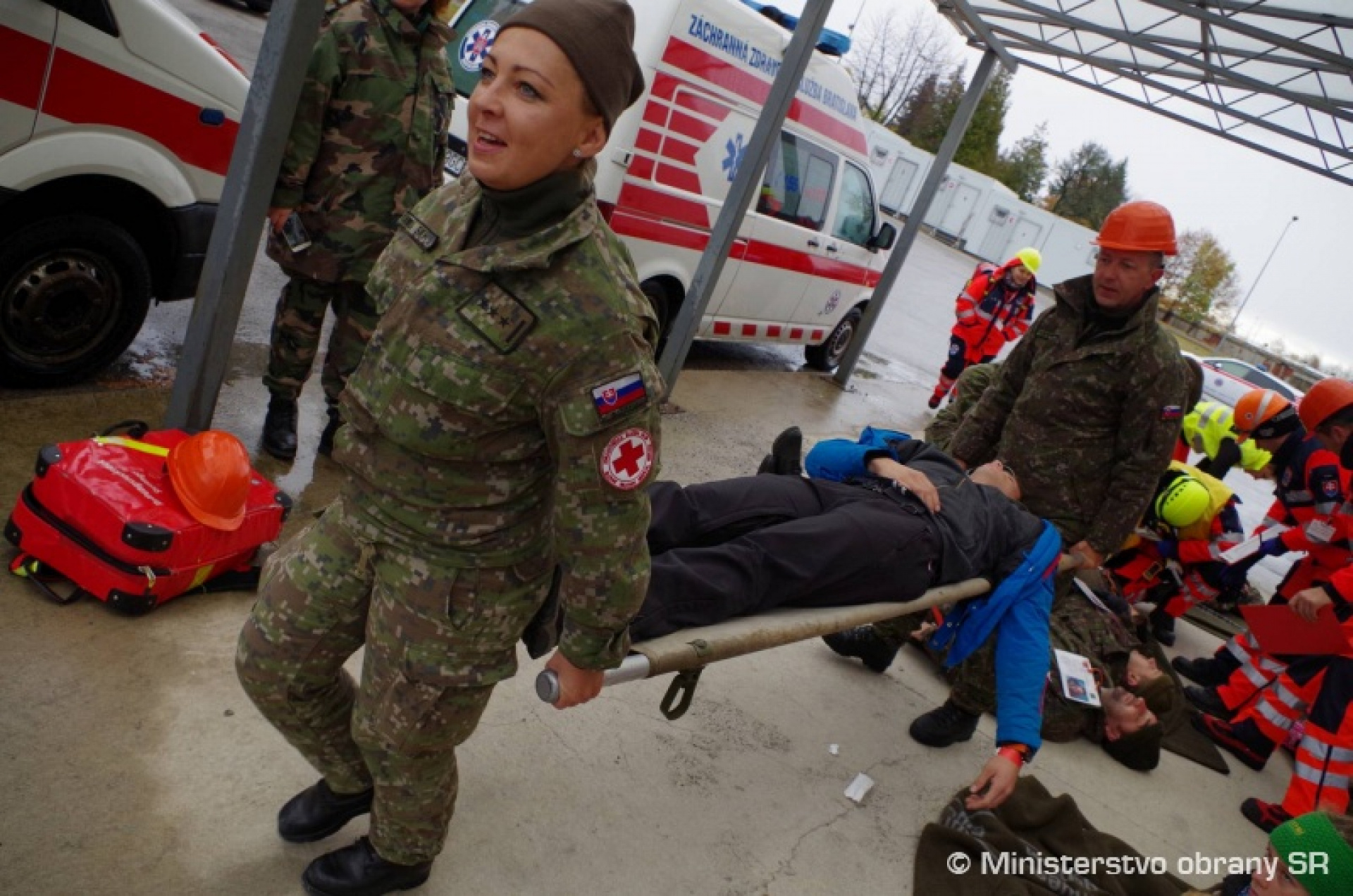
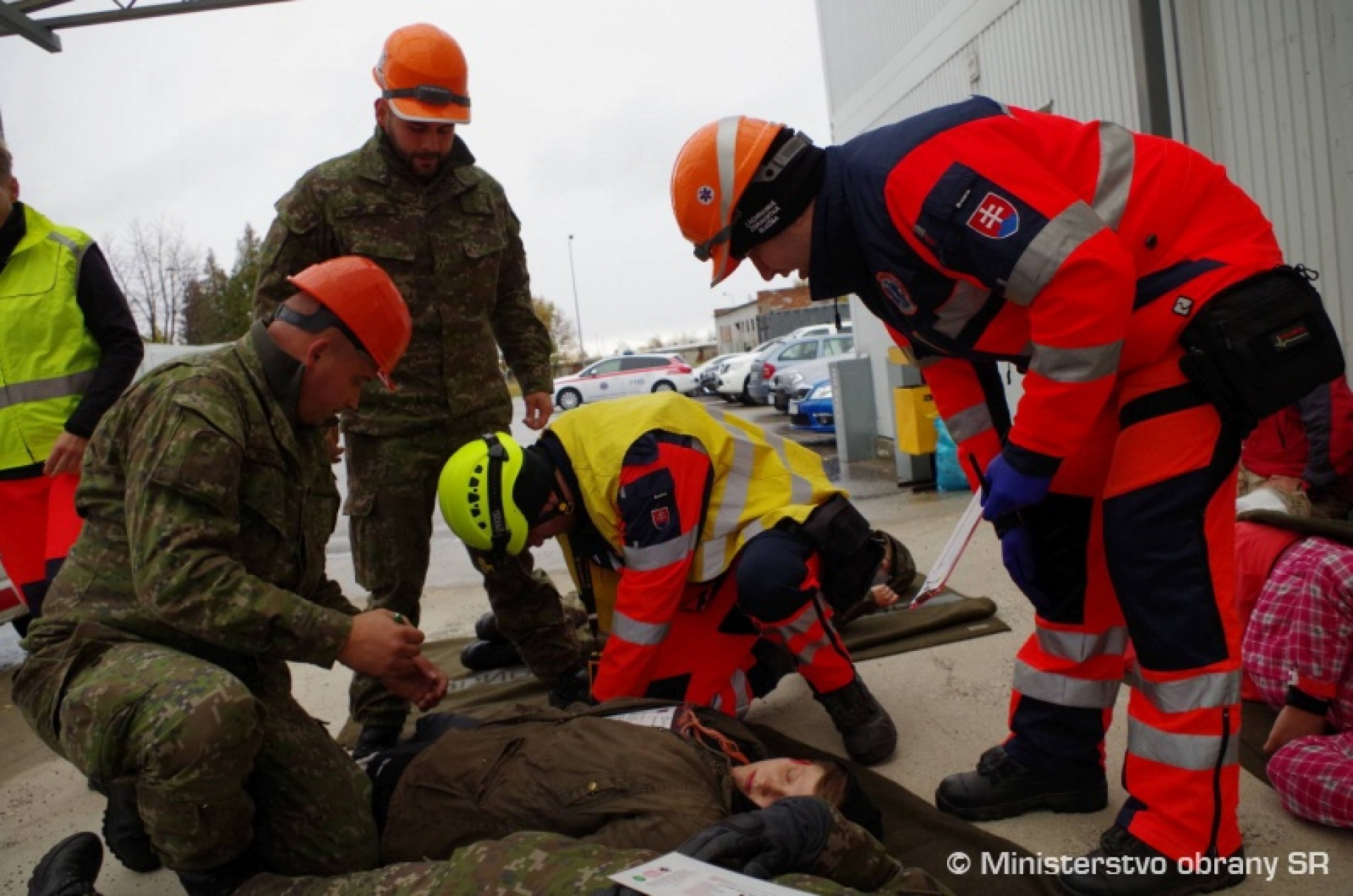
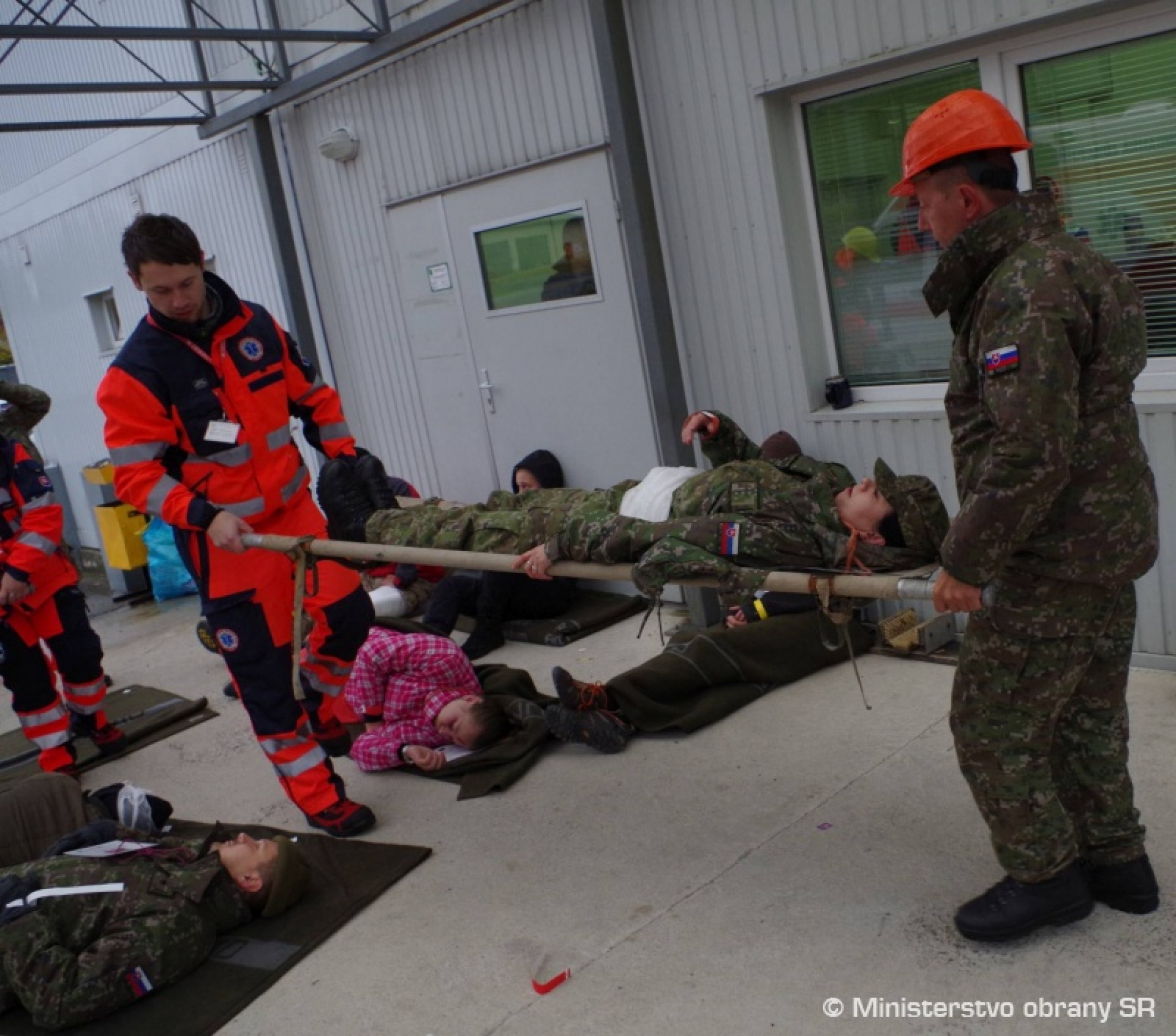
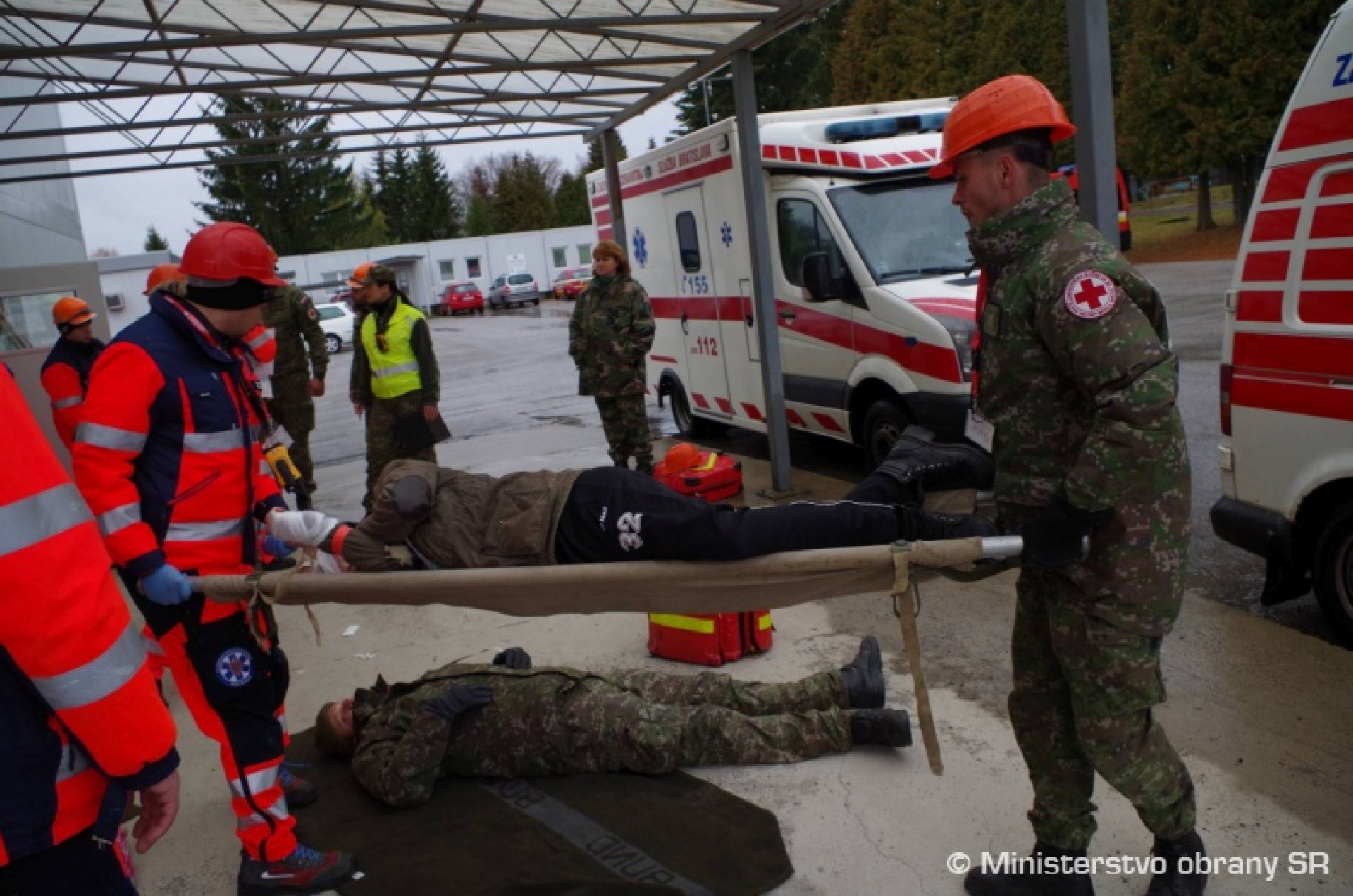
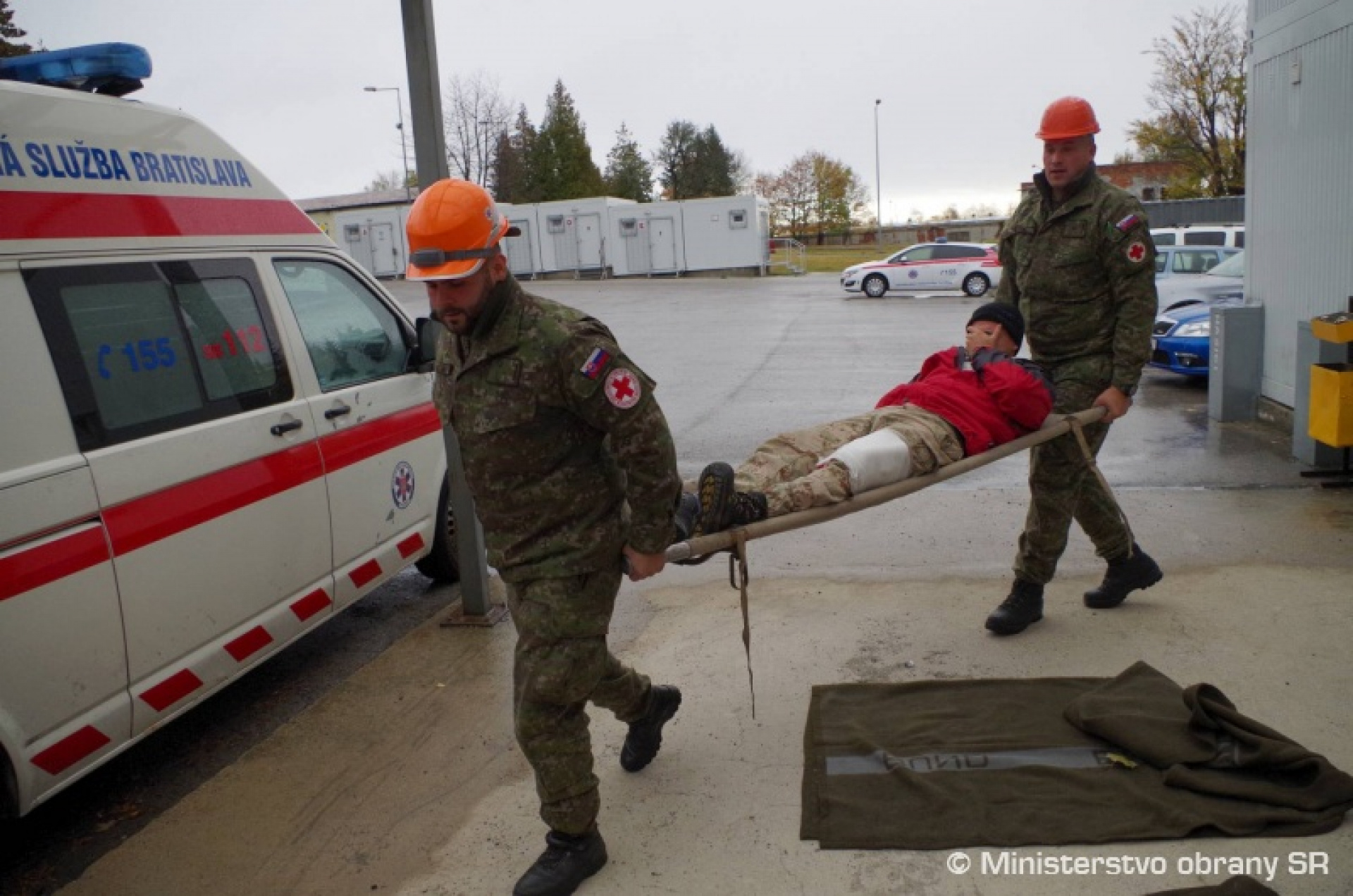
The Training Centre Lešť, to be exact, its Firefighting and Rescue Complex of Jakub Village hosted a specialist Mass Casualty Incident (MCI) coordination drill on 22-26 October for military medics, rescue medics, doctors of the Rescue Medical Service Bratislava, and members of the Slovak Firefighting and Rescue Corps.
Commenting on the Mass Casualty Incident (MCI) drill, Specialist Guarantor of Medical Trades Lt Col MUDr Jozef Sille, of the Office of the Surgeon General of the SVK Armed Forces, said: “Such training forms an inseparable part of the continual education programme for our medical professionals. This is the third such training event I have participated in as Specialist Guarantor of Medical Trades. At the end of October the training scenario was made even more difficult by unfavourable weather conditions. There was strong wind and heavy rain. This all put an extra burden on the exercising teams and simulated casualties from the Slovak Medical University Banská Bystrica. In the event of an emergency, if called on to help, military medics will work alongside other teams of the Integrated Rescue System. For this reason, it made sense for them to meet their partners on the exercise and get to know each other and find out what they could expect from them in a real emergency. Training activities of this type help improve the cooperation among specific elements of the Integrated Rescue System.”
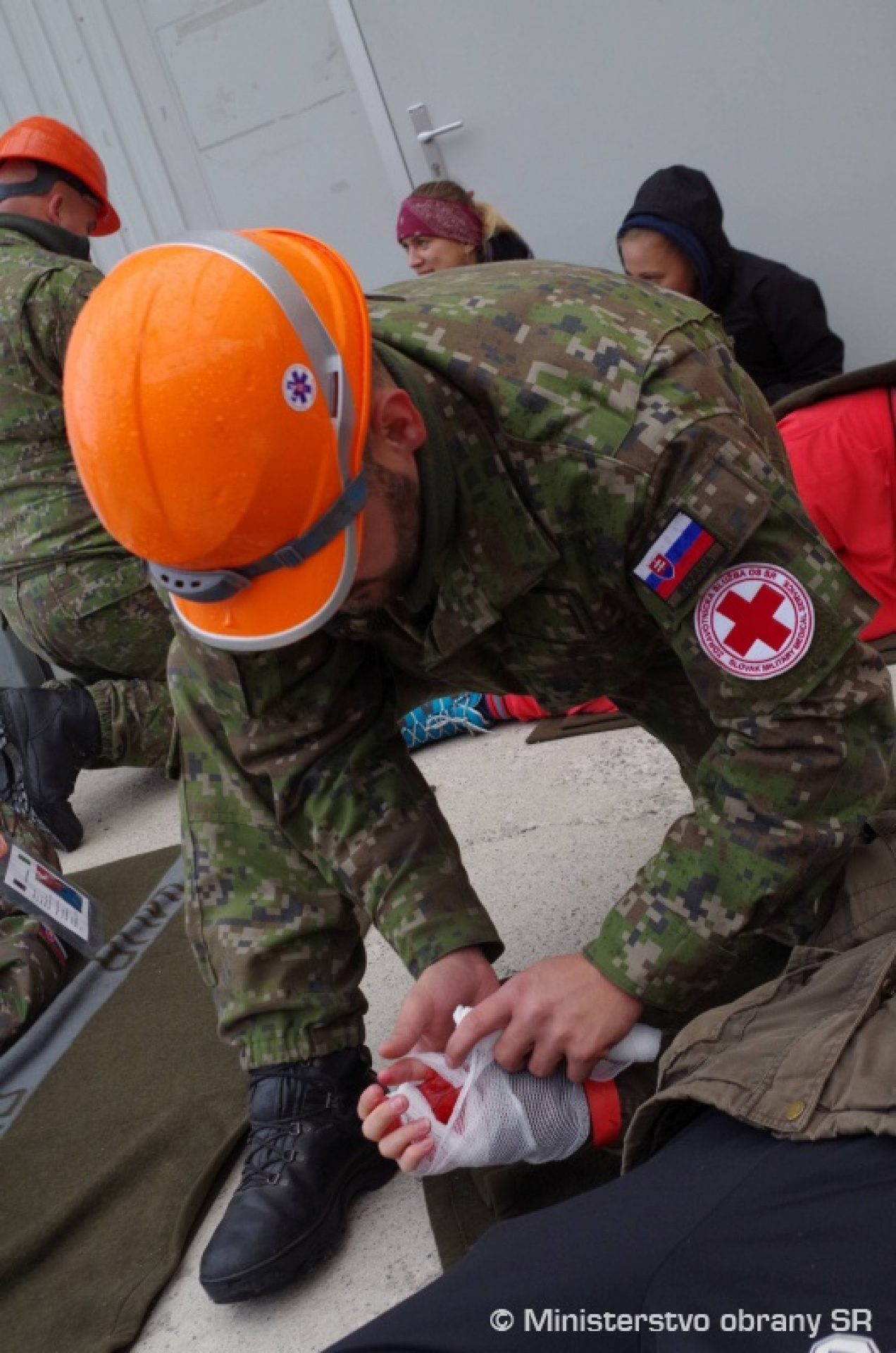
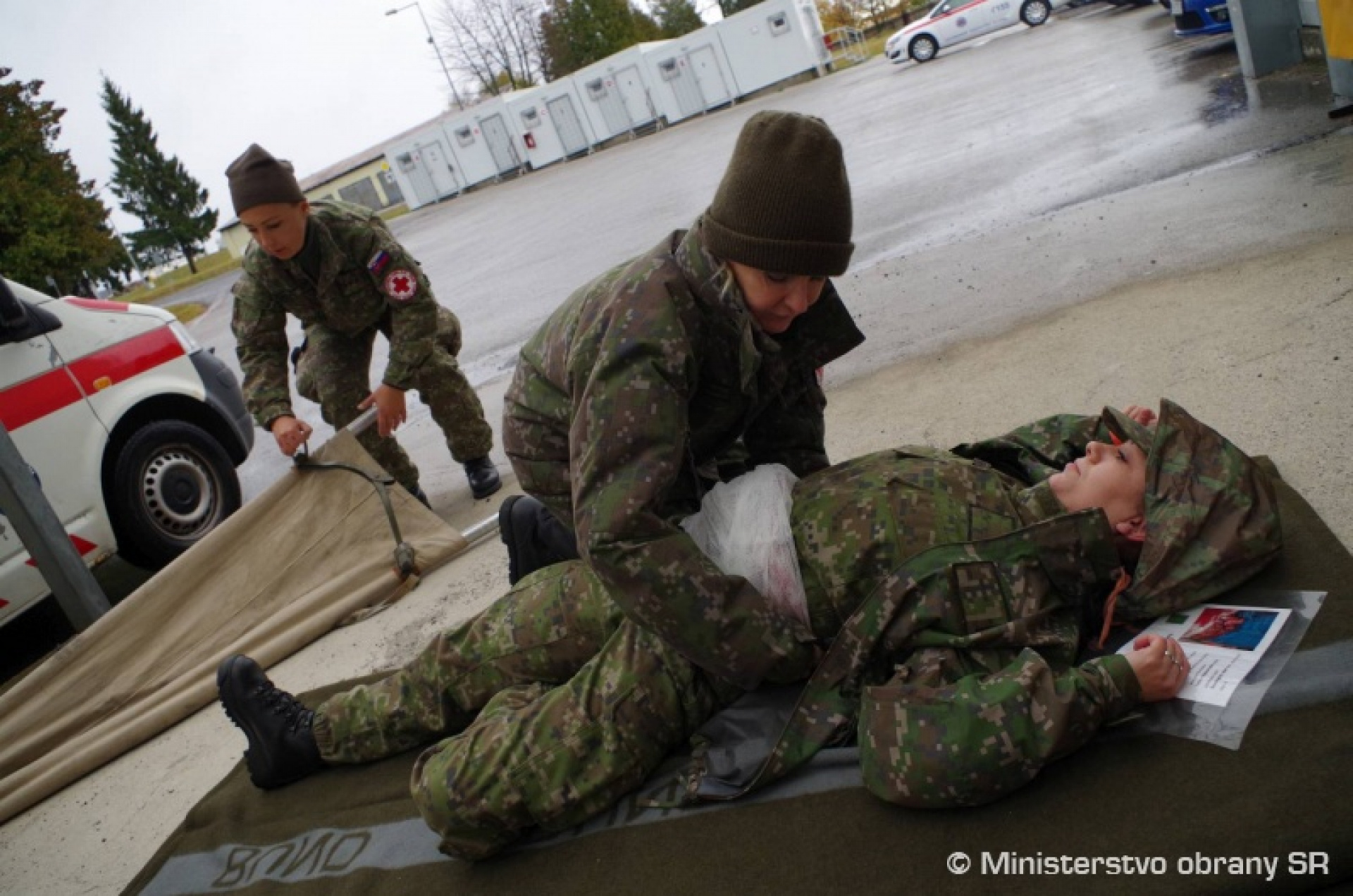
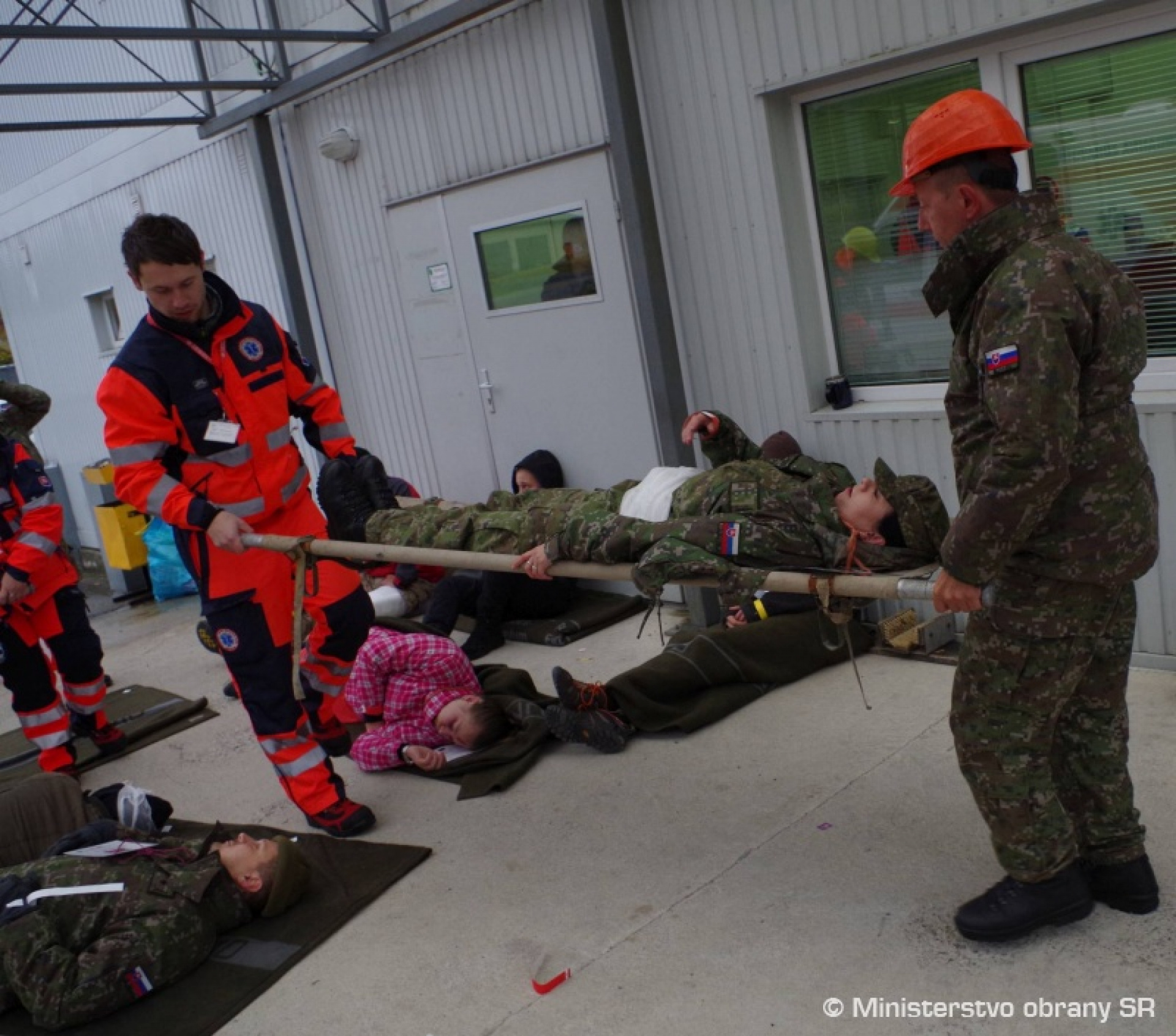
As well as practising communicating via communications systems to coordinate specific activities in individual responses, the teams were exercised in responding to emergencies of different levels of danger, lower and upper body immobilization techniques, triage, evacuation of patients, solutions to priority treatment, and medical treatment of different types of injuries. The Firefighting and Rescue Complex of Jakub Village also saw them playing out specific scenarios in a tactical firefighting building, a warehouse, a ruined building, and other types of structures in coordination with the Lešť Firefighting and Rescue Unit.
Specialist Guarantor of Medical Trades Lt Col MUDr Jozef Sille, CSEL/Chief Medic of the SVK Armed Forces Sgt Maj Viliam Machara, and Chief Nurse of the First Aid Station SSgt Zuzana Filkorová, of C2R Wg Zvolen, agreed that the night training phase proves to be most demanding. This is because only a few professionals are ready to perform tasks in the dark, compared to getting things done by day.
Sharing her own experience, SSgt Filkorová said: “It is difficult to locate injured people with the torch or searchlight. If they can shout, you can follow their voice, but there are also those who can no longer utter any sound…and finding them is a huge problem.” SSgt Filkorová has not missed out on the MCI drill since it was first organised 4 years ago.
Lt Col Sille deemed the exercise successfully completed. With another year on, the cooperation of the Integrated Rescue System elements has been brought to a higher level, and all military medics have by now become involved in the drill.
On the training scheme for military medics, Lt Col Sille noted with satisfaction:“Starting from this year, as part of their specialist training scheme our military medics complete an internship at the Central Military Hospital Ružomberok or at the Medical Rescue Service Bratislava. It is a brilliant project. Our military medics like it. In practice, they join civilian rescuers in real emergency responses. We want to extend it by incorporating the Falck Ambulance Service into the project.”
In conclusion, Lt Col Sille and Sgt Maj Viliam Machara praised the work done during the drill by SSgt Filkorová, Sgt Michal Vetrák, Sgt Juraj Ľupták and Sgt Igor Kopčík, of C2S Wg Zvolen, and Cpl Martin Micheľ and PFC Ľubomír Koštiaľ, of CSS Bn Prešov.
Commenting on the Mass Casualty Incident (MCI) drill, Specialist Guarantor of Medical Trades Lt Col MUDr Jozef Sille, of the Office of the Surgeon General of the SVK Armed Forces, said: “Such training forms an inseparable part of the continual education programme for our medical professionals. This is the third such training event I have participated in as Specialist Guarantor of Medical Trades. At the end of October the training scenario was made even more difficult by unfavourable weather conditions. There was strong wind and heavy rain. This all put an extra burden on the exercising teams and simulated casualties from the Slovak Medical University Banská Bystrica. In the event of an emergency, if called on to help, military medics will work alongside other teams of the Integrated Rescue System. For this reason, it made sense for them to meet their partners on the exercise and get to know each other and find out what they could expect from them in a real emergency. Training activities of this type help improve the cooperation among specific elements of the Integrated Rescue System.”
As well as practising communicating via communications systems to coordinate specific activities in individual responses, the teams were exercised in responding to emergencies of different levels of danger, lower and upper body immobilization techniques, triage, evacuation of patients, solutions to priority treatment, and medical treatment of different types of injuries. The Firefighting and Rescue Complex of Jakub Village also saw them playing out specific scenarios in a tactical firefighting building, a warehouse, a ruined building, and other types of structures in coordination with the Lešť Firefighting and Rescue Unit.
Specialist Guarantor of Medical Trades Lt Col MUDr Jozef Sille, CSEL/Chief Medic of the SVK Armed Forces Sgt Maj Viliam Machara, and Chief Nurse of the First Aid Station SSgt Zuzana Filkorová, of C2R Wg Zvolen, agreed that the night training phase proves to be most demanding. This is because only a few professionals are ready to perform tasks in the dark, compared to getting things done by day.
Sharing her own experience, SSgt Filkorová said: “It is difficult to locate injured people with the torch or searchlight. If they can shout, you can follow their voice, but there are also those who can no longer utter any sound…and finding them is a huge problem.” SSgt Filkorová has not missed out on the MCI drill since it was first organised 4 years ago.
Lt Col Sille deemed the exercise successfully completed. With another year on, the cooperation of the Integrated Rescue System elements has been brought to a higher level, and all military medics have by now become involved in the drill.
On the training scheme for military medics, Lt Col Sille noted with satisfaction:“Starting from this year, as part of their specialist training scheme our military medics complete an internship at the Central Military Hospital Ružomberok or at the Medical Rescue Service Bratislava. It is a brilliant project. Our military medics like it. In practice, they join civilian rescuers in real emergency responses. We want to extend it by incorporating the Falck Ambulance Service into the project.”
In conclusion, Lt Col Sille and Sgt Maj Viliam Machara praised the work done during the drill by SSgt Filkorová, Sgt Michal Vetrák, Sgt Juraj Ľupták and Sgt Igor Kopčík, of C2S Wg Zvolen, and Cpl Martin Micheľ and PFC Ľubomír Koštiaľ, of CSS Bn Prešov.